The past quarter has been a pivotal one for the STREAM (Science, Technology, Research, Ecology, Assessment & Monitoring) Team, with strong progress across monitoring, data management, research collaboration, and the development of tools that support Mulloon’s growing portfolio of landscape-rehydration projects.
Program updates
Across the Mulloon Rehydration Initiative (MRI), we delivered our spring seasonal monitoring campaign, including groundwater downloads, surface-water instrumentation checks, and ecological surveys across frogs, birds, vegetation, and soils. We also continued strengthening our internal data governance and workflows, ensuring MRI’s long-term datasets remain robust, accessible, and ready for future analysis. This work lays the groundwork for a project we hope to initiate in 2025 to make our science more visible and actionable for landholders, partners, and the public.
LiFT continues to gain momentum, with the literature review finalised, demonstration-site screening tools refined, and ongoing co-design work with landholders and First Nations groups.
STREAM has been deeply involved in shaping the monitoring framework, ensuring it reflects landscape function, drought resilience, and the needs of diverse user groups. The team also provided science and monitoring advice across several Mulloon-supported projects this quarter, such as Turnip Creek, helping align on-ground work with hydrological function, ecological recovery and long-term monitoring requirements.
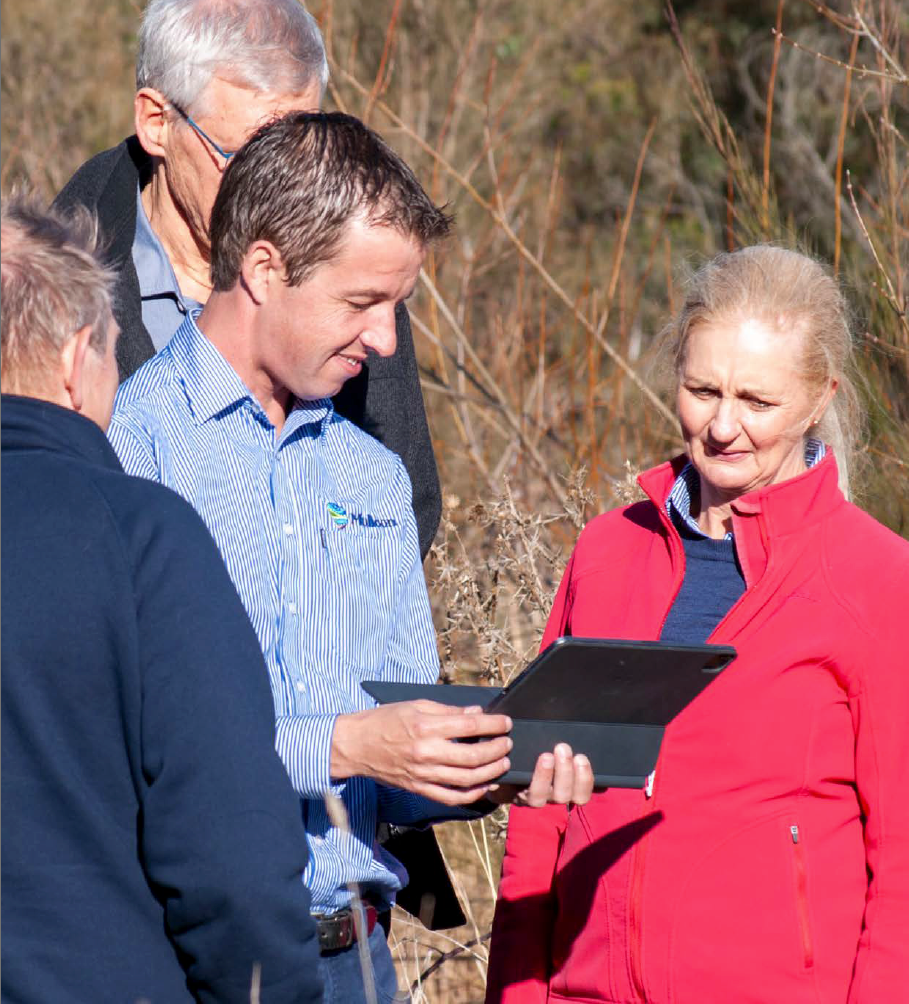
We’ve also made strong strides in strengthening our digital capability.
New automated groundwater tools, DEM workflows, and internal spatial-tool development continued to evolve, helping streamline how we process, visualise and interpret the growing volume of data across MRI and LiFT. At the same time, we supported multiple education and engagement activities, including GIS training for landholders and ranger groups, helping build confidence in mapping, landscape interpretation, and digital decision-support.
Looking ahead to summer, STREAM will focus on drought-resilience assessments, LiFT Activity 3 monitoring design, continued ecological surveys, and preparing key scientific contributions for 2025, including the UNCCD case study, the LiFT monitoring framework, and next steps in MRI data integration.
A sincere thank you to our landholders, partners, technical collaborators and the wider MI team for another quarter of momentum, curiosity and shared commitment to landscape rehydration.