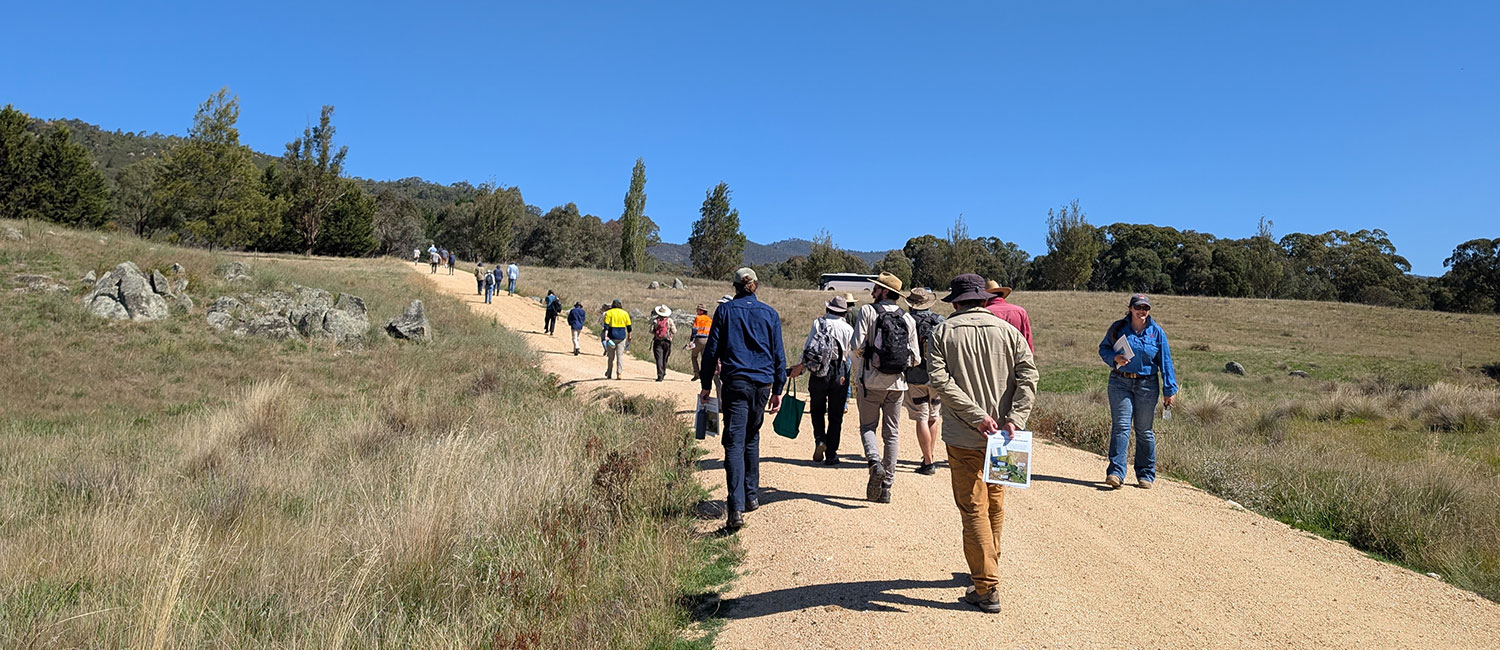
In February, we had the pleasure of welcoming 25 natural resource management professionals from the Sydney Catchment Area for a four-day Professionals Intensive at Mulloon as part of the Water Stewardship Program. This was our third such course dedicated to hastening the roll-out of community and catchment scale rehydration projects. We worked hard to create a blend of fun, hands-on activities, discussions, field trips and theory sessions. The result was energising and thoroughly enjoyable, thanks in large part to the fantastic crowd of people in the room.  

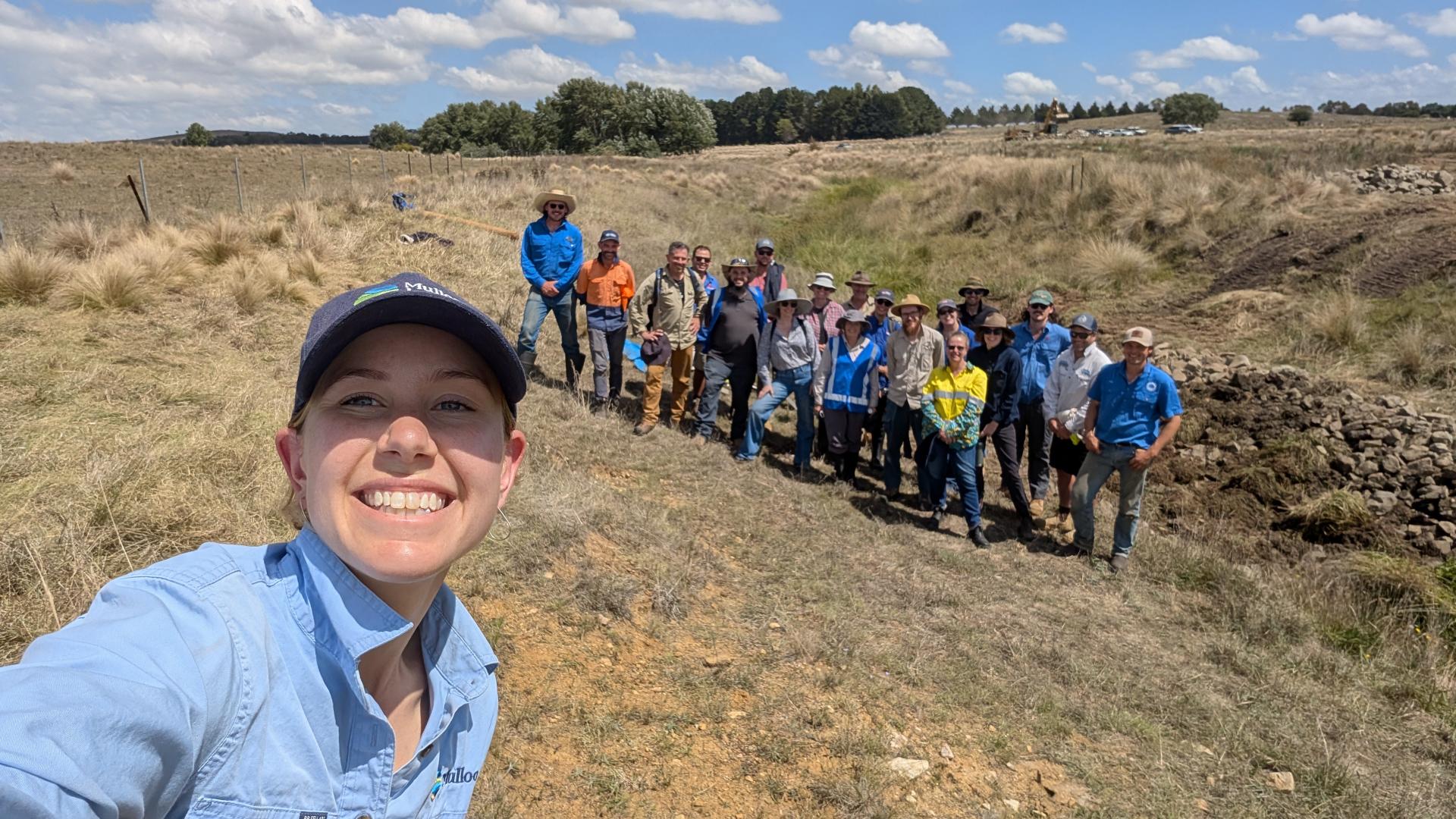
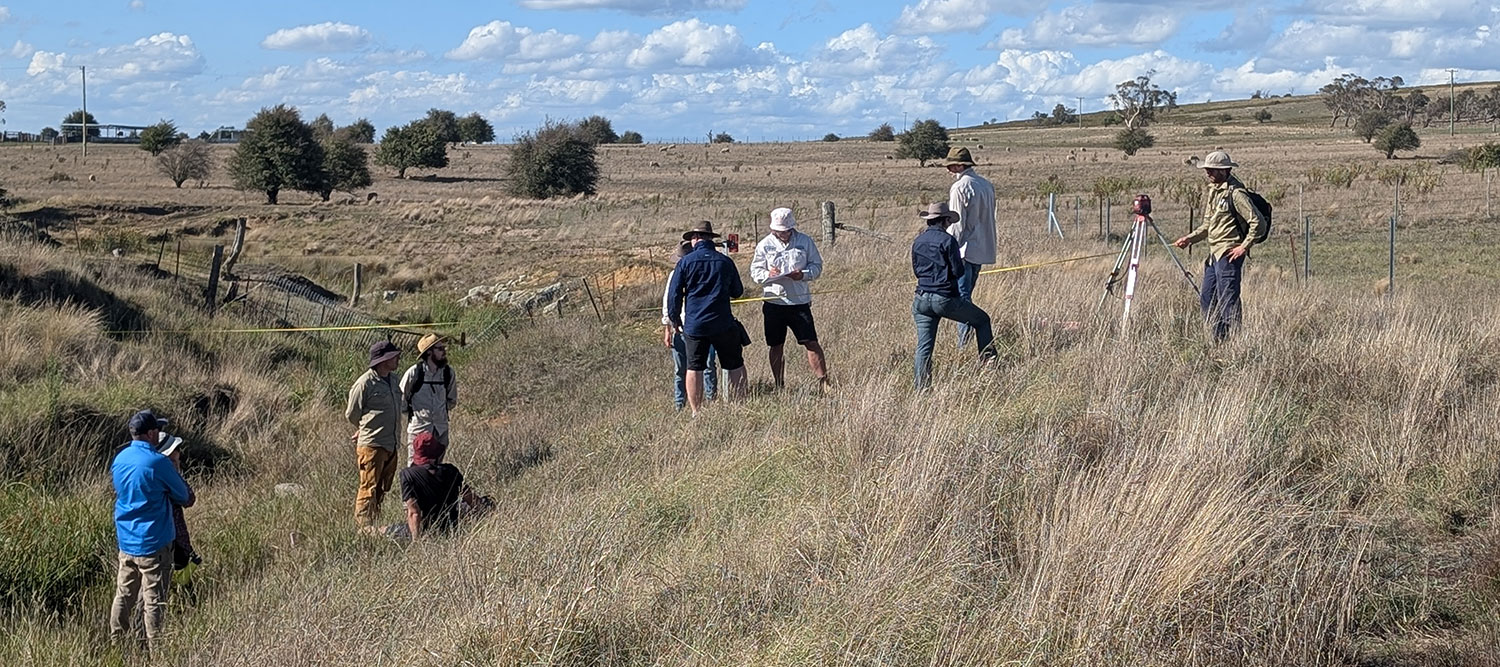
Pictured above:  The team trialled the Mulloon Structure Health Scorecard tool at Tidbinbilla Station, assessing structure function, integrity and vegetation over time.  

Day 1 – Foundations, stories and systems thinking

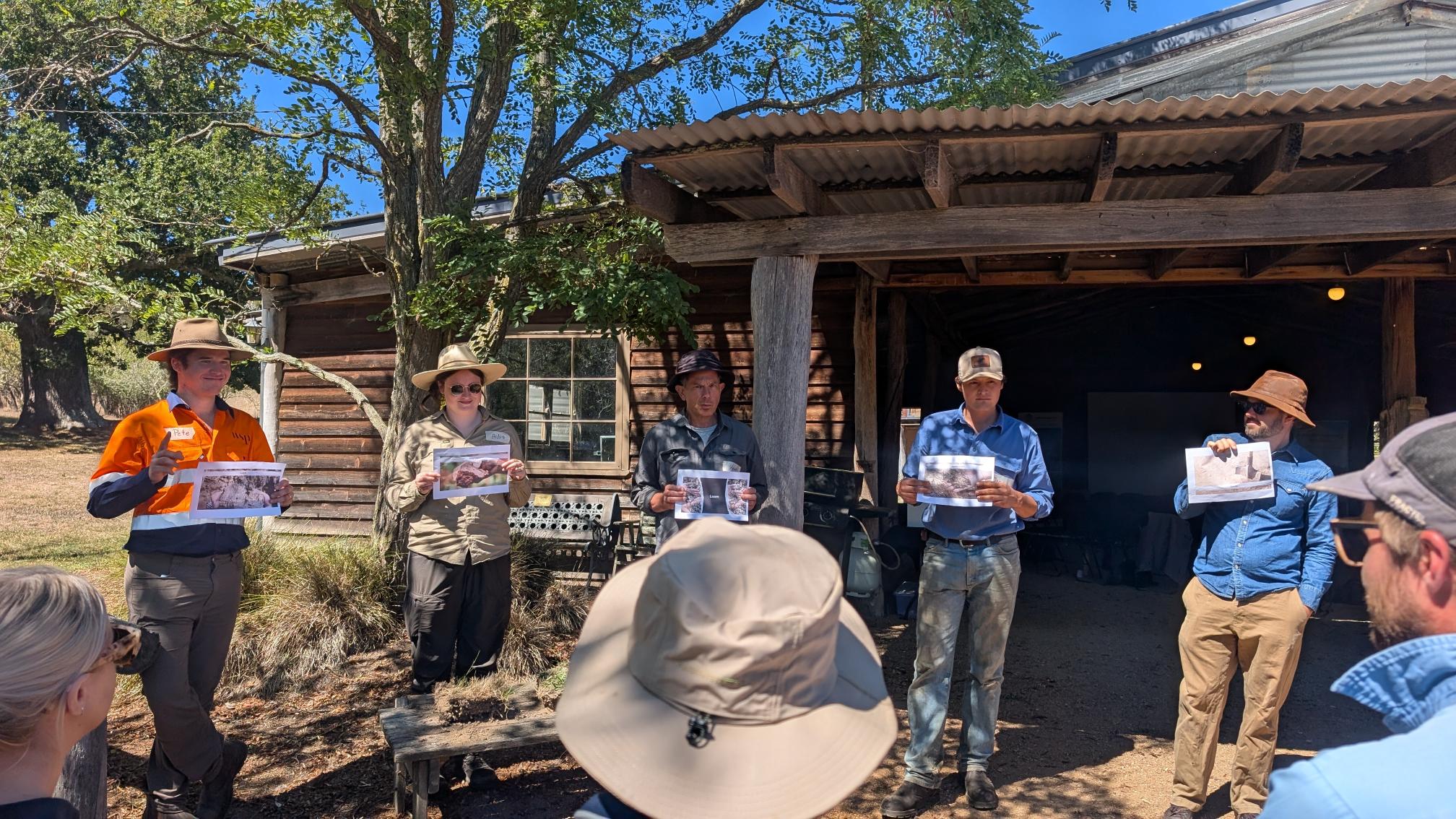
Day 1 featured a “speed dating” intro to landscape rehydration fundamentals – short, lively bursts of information and discussion that quickly built shared language and confidence. 

Two formative figures in the Mulloon Rehydration Initiative, Peter Hazell and Gerry Carroll, reflected on the twists and turns of the project and offered grounded insight into what long-term catchment work truly requires. 

In the afternoon, BOHO Interactive brought the room to life with newly developed systems-thinking games exploring environmental feedback loops and social dynamics. 

These sections highlighted an important element to community and catchment-scale work – “As someone working on the ground in civil and landscape projects, I appreciated the focus on whole-of-system thinking and long-term outcomes rather than short-term fixes.” – P.I. Participant.  

Pictured right: Speed dating rounds with Landscape Rehydration Fundamentals

Day 2 – Lorrina site tour and skills-building 

Day two took us out to Lorrina, near Braidwood, to see a rehydration project on Brushy Hill Creek that is now two years old. Despite nearly three months with no rain, the in-stream structures were clearly working to retain water and moisture in the wider landscape, providing a great demonstration to the group. 

We introduced aspects of Mulloon’s monitoring toolkit, exploring methods for assessing site condition and trajectory. In the afternoon, we practised survey techniques and evaluated opportunities for natural infrastructure.  

Day 3 – River rehabilitation inspiration 

We travelled on to two more project sites. At Tidbinbilla Station, landholder Michael Shanahan generously shared his journey rehabilitating his river system and his growing enthusiasm for the work. At the Canberra Deep Space Tracking Station, site manager Stuart Hayter guided us through rehydration structures (built last year) that, despite almost no rainfall since November, only fully dried out in late January. Seeing the works exposed in dry conditions invited deeper discussion on design and construction. 

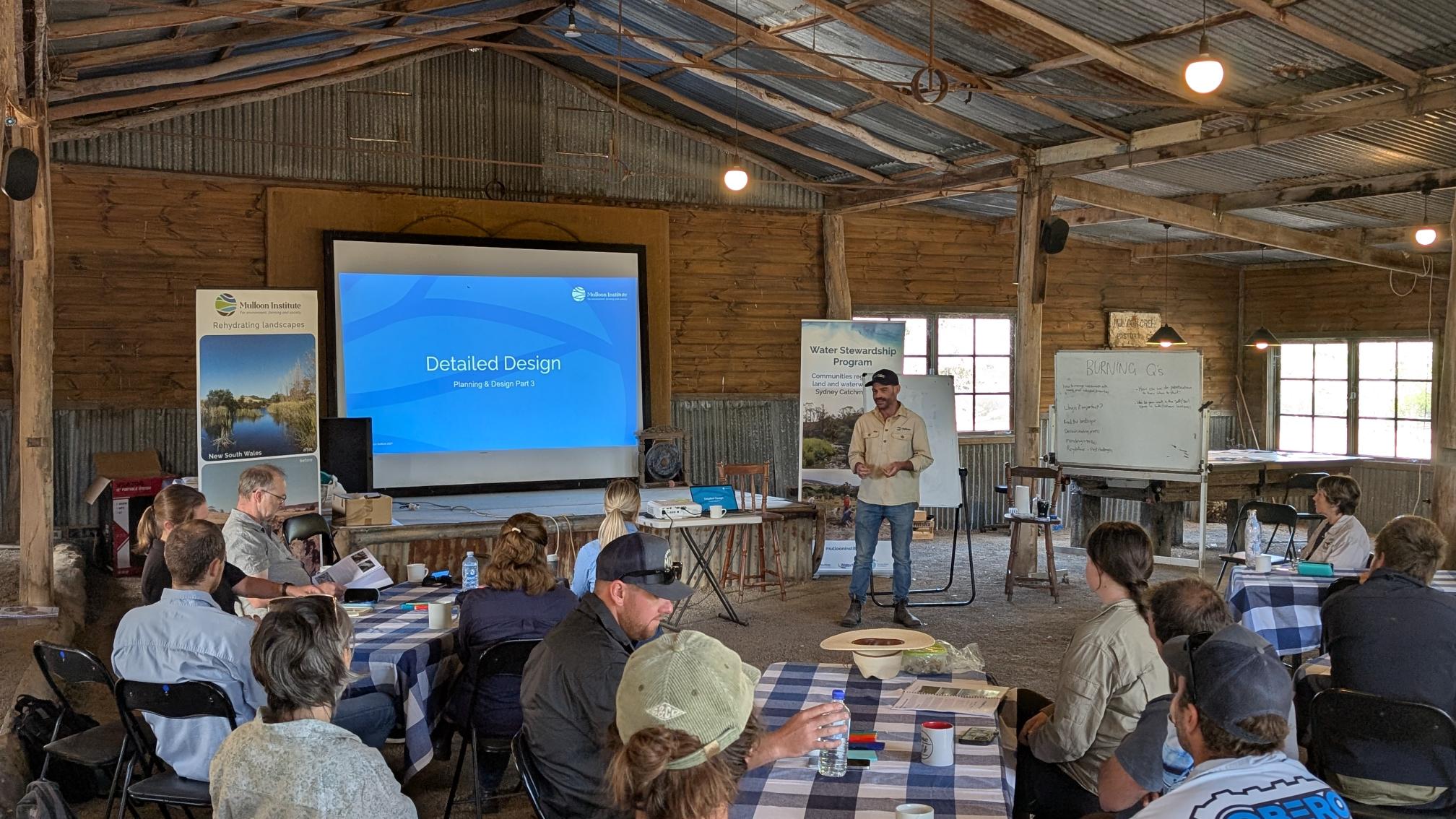
Pictured right: Senior Landscape Planner Jack shares the insights and learnings into Mulloon’s detailed design process when considering in-stream structures.  


Day 4 – Tough Mudder teamwork and hands on construction 

A fun “tough mudder” style challenge in the morning tested participants’ understanding of rehydration principles while bringing out everyone’s inner child. The teamwork and laughter were contagious. 

We then returned to Lorrina to help construct one of the first small-scale rock structures for the newly approved Stage 2 Brushy Hill Creek project. As a bonus, we demonstrated simple brush pack techniques –  brush pack weirs and pin weirs, showing how small interventions can meaningfully slow flows in gullies. 

Together the days covered all things landscape rehydration, and more – “A great foundational overview of the Mulloon theory and processes involved in their projects. Excellent presentations, great progression of content and workshop flow over the 4 days, questions answered very well, and hands-on practical experience was a great way to finish off. “.  P.I. Participant. 

Pictured right: Day 4 hands-on construction. Never mind the excavator size, this group were key to building this fiddly 0.5m tall small-scale rock structure.  

Big round of applause

The all-important BBQs and pub dinners throughout the week allowed us all to unwind, share stories and find common ground in regional catchment work. A huge thank you to Tom and Marty at Birkenburn for hosting part of the group and providing a beautiful dinner midweek, and to Ruth and Scrumpers Kitchen for the fantastic food throughout the course. 

Finally, we want to acknowledge the extraordinary people who helped make the intensive run smoothly: Erin, Jack, Tam, Laura and Ryan – your efforts, energy and generosity shaped the whole experience. 

This Intensive was a powerful reminder of the value of bringing committed professionals together to learn, connect and build capacity for landscape rehydration in their own regions. 

As one participant put it: “What an amazing opportunity to not only learn more about landscape rehydration, but to meet and share ideas and learnings with a range of other professionals working in this space.“  

In particular, it was special to witness ideas bounce between earth workers, NSW Local Land Services staff, First Nations young leaders, council representatives and Landcare coordinators – this mingling of knowledge and experience is what we know is needed to enable landscape-scale change.  Thank you to everyone who joined us and made the week so memorable!

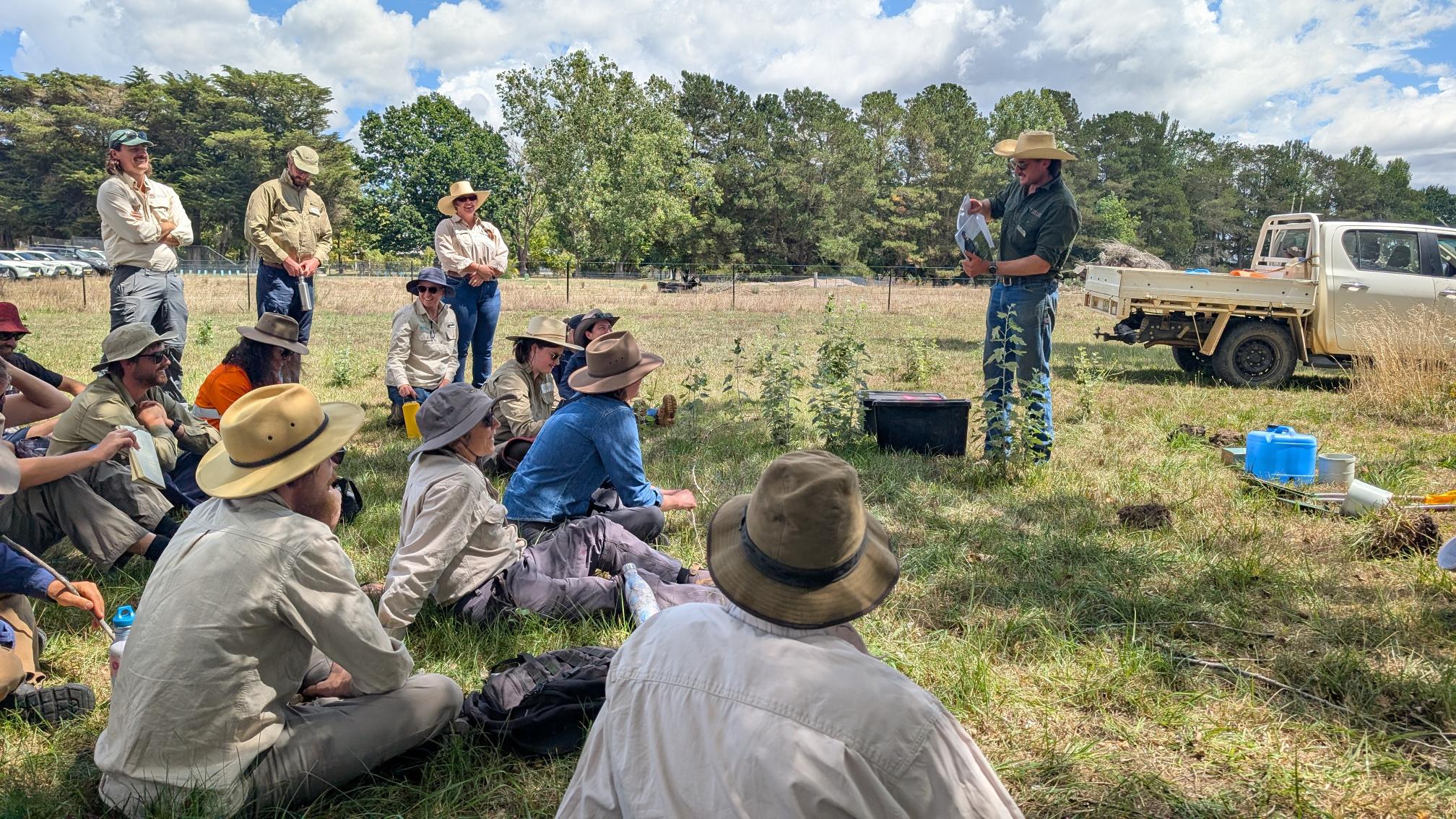
Pictured right: Mulloon’s science and monitoring officer, Ryan, taking the group through Soil Land Food’s HASH tool and assessment and monitoring methods.  

This program is supported by funding from WaterNSW and The Ian Potter Foundation.
The Landscape Function Toolkit (LiFT) project is supported by the Australian Government through funding from the Climate-Smart Agriculture Program under the Natural Heritage Trust.