Capacity building for the TIMME Project is firing on all cylinders, with community meetings, forums and catchment workshops being held across the project sites over the past few months.  

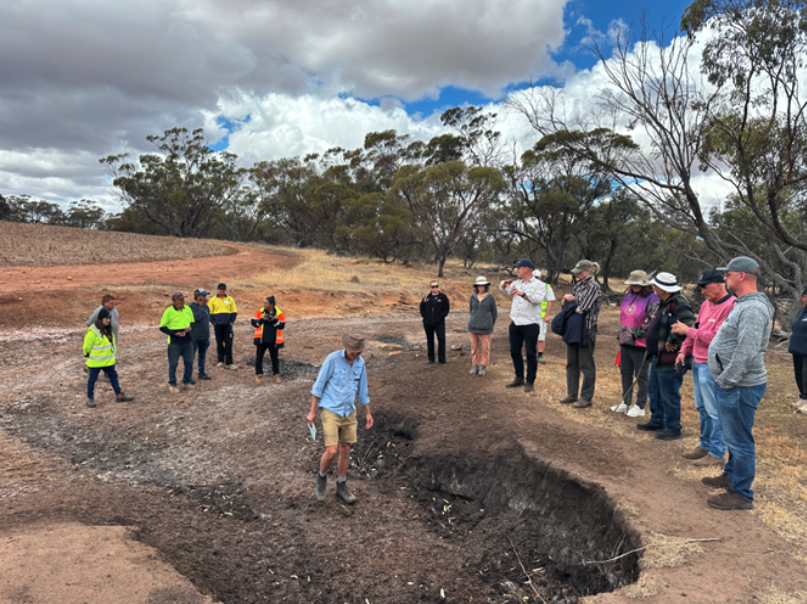
(Pictured above right: Robbie Miniter and Ngowanjerindj Rangers showing Mulloon staff the Aylmore Springs and Gnowangerup Creek system) 

The TIMME Project is delivering Training, Implementation, Mentoring, Monitoring and Evaluation across six project sites from 2025–2030, funded by the Australian Government’s Future Drought Fund. Over the course of the next five years, Mulloon Institute, in collaboration with multiple partner organisations, will work closely with communities to develop a systems thinking approach, with a strong Community of Practice focusing on future landscape resilience at its core.

Landscape Planners Brooke Cunningham and Lance Mudgway, along with Matt Smith, have delivered workshops across the two TIMME locations in Southwest WA: Gnowangerup and Boyup Brook. These early workshops focused on delivering training for capacity building across the community. In addition, a Community Catchment Workshop was held in Gnowangerup, beginning the conversation of current catchment health, the projected trajectory and tipping points. These ongoing workshops will form the foundation of the Catchment Plan to be developed for each region, as one of the Project deliverables.  The Gnowangerup working group has strong representation from across the community, including Gnowangerup Aboriginal Corporation (including Rangers), who will continue to inform the rollout of TIMME across their community.  

Boyup Brook saw 19 farmers across the region attend the forum where field walks at Paraway (led by Lance Mudgway and Warren Pensini) clearly demonstrated the ‘before’ and ‘after’ of landscape rehydration work and the profound impact it has had on paddock productivity. The working group is coming together, with expressions of interest currently circulating for anyone wishing to jump on board.  
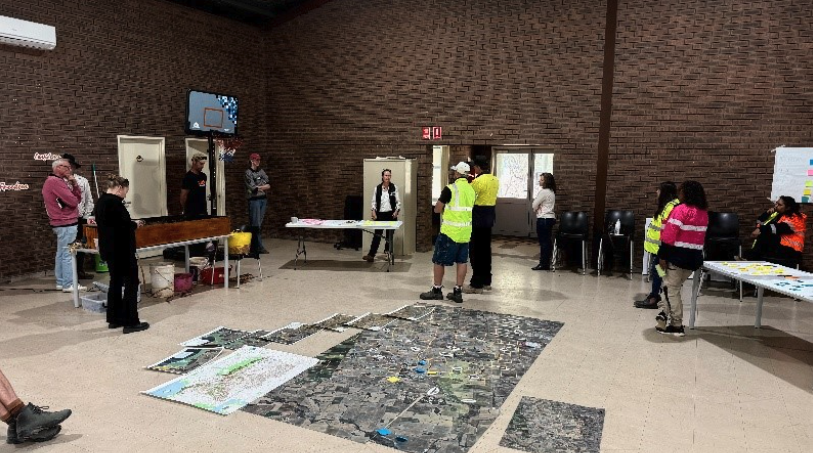
Gnowangerup Catchment workshop

Gnowangerup Field walk; discussing landscape processes, erosion and salinity

Momentum is also gathering across the NSW sites of Coolumbooka (Cathcart/Bombala) and Araluen with strong turnouts at community meetings across both catchments recently. Mulloon’s new TIMME Manager, Andrew Moriarity and EA Sophie Drew had the pleasure of being hosted by Mark Chaplin from the Snowy River Interstate Landcare and touring the Coolumbooka River catchment before being joined by Jono Forrest (former Mulloon General Manager and key person in winning the TIMME grant for Mulloon) at the Coolumbooka community meeting. Over 20 landholders turned up to learn about TIMME, with many expressing keen interest in the working group and demonstration site involvement. Charlie Maslin shared case studies of the positive impact rehydration works are having across his property, before John Moreng took the group to his nearby property. 

Similarly in the Araluen catchment there is excitement building, with over 20 landholders attending the Sunday afternoon community meeting hosted by Upper Deua Catchment Group. Local hydrology and recent climate challenges across the catchment were a strong focus, with conversations around tipping points a precursor to the following day when Penny Hayman toured Andrew Moriarty around the catchment. An initial scoping study across all catchments will gather baseline data on catchment characteristics, hydrology, previous landscape resilience works, catchment trajectory and tipping points, and inform not only the rollout of TIMME but also the catchment report.  

The actualities of the TIMME rollout are tailored to the needs of each community and driven by the input of the working group. We are in the process of finalising working groups in the Boyup Brook, Araluen and Coolumbooka Catchments. We will be engaging the Mulloon Creek and Yambulla (far South Coast of NSW) catchments in the near future.

Expressions of interest to be involved at all levels are currently open across all six communities. For further information email timme@mullooninstitute.org 

The TIMME Project is funded by the Australian Government’s Future Drought Fund, Resilient Landscapes Program. 

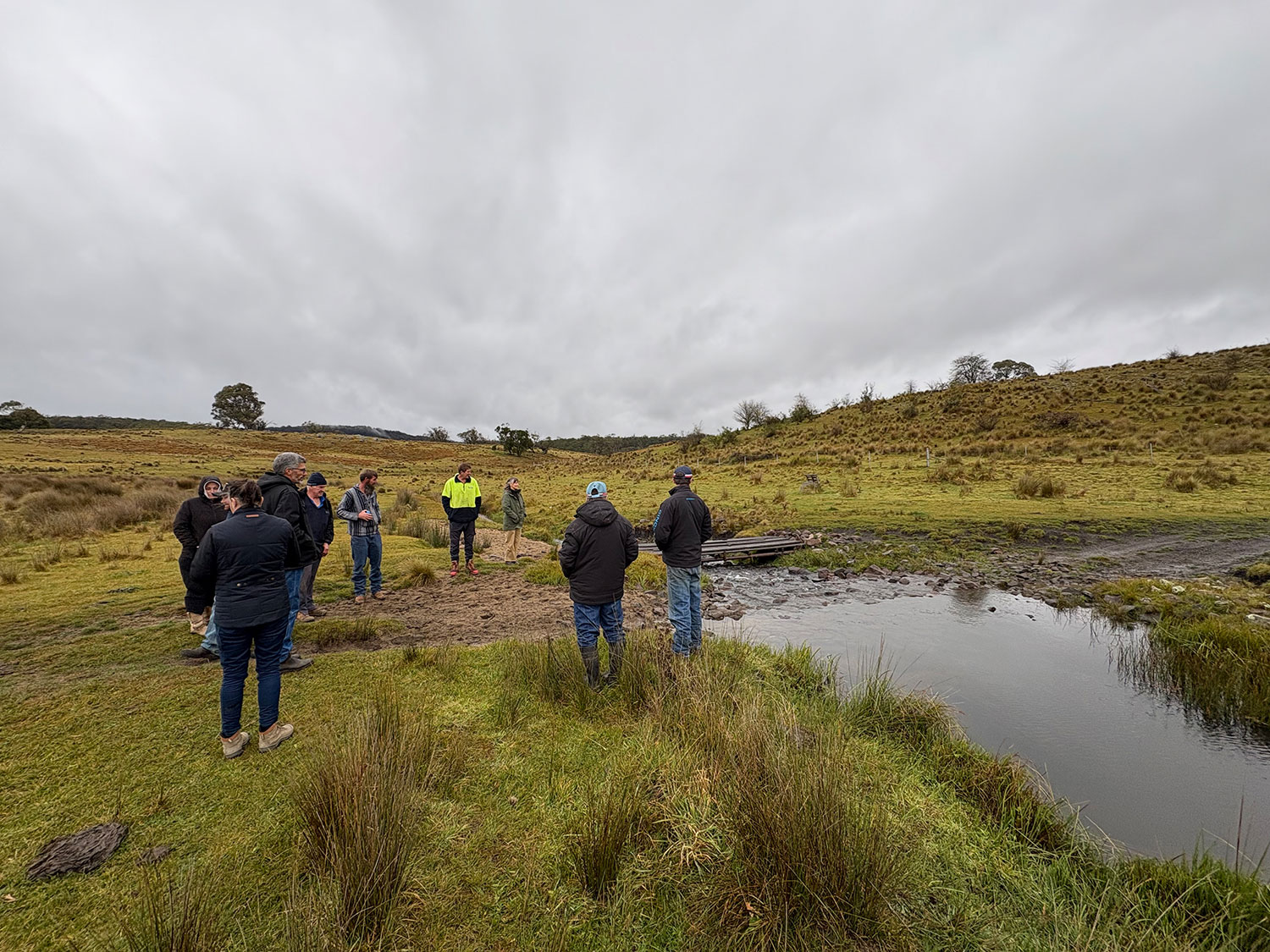
Problem-solving with the community in the Coolumbooka catchment

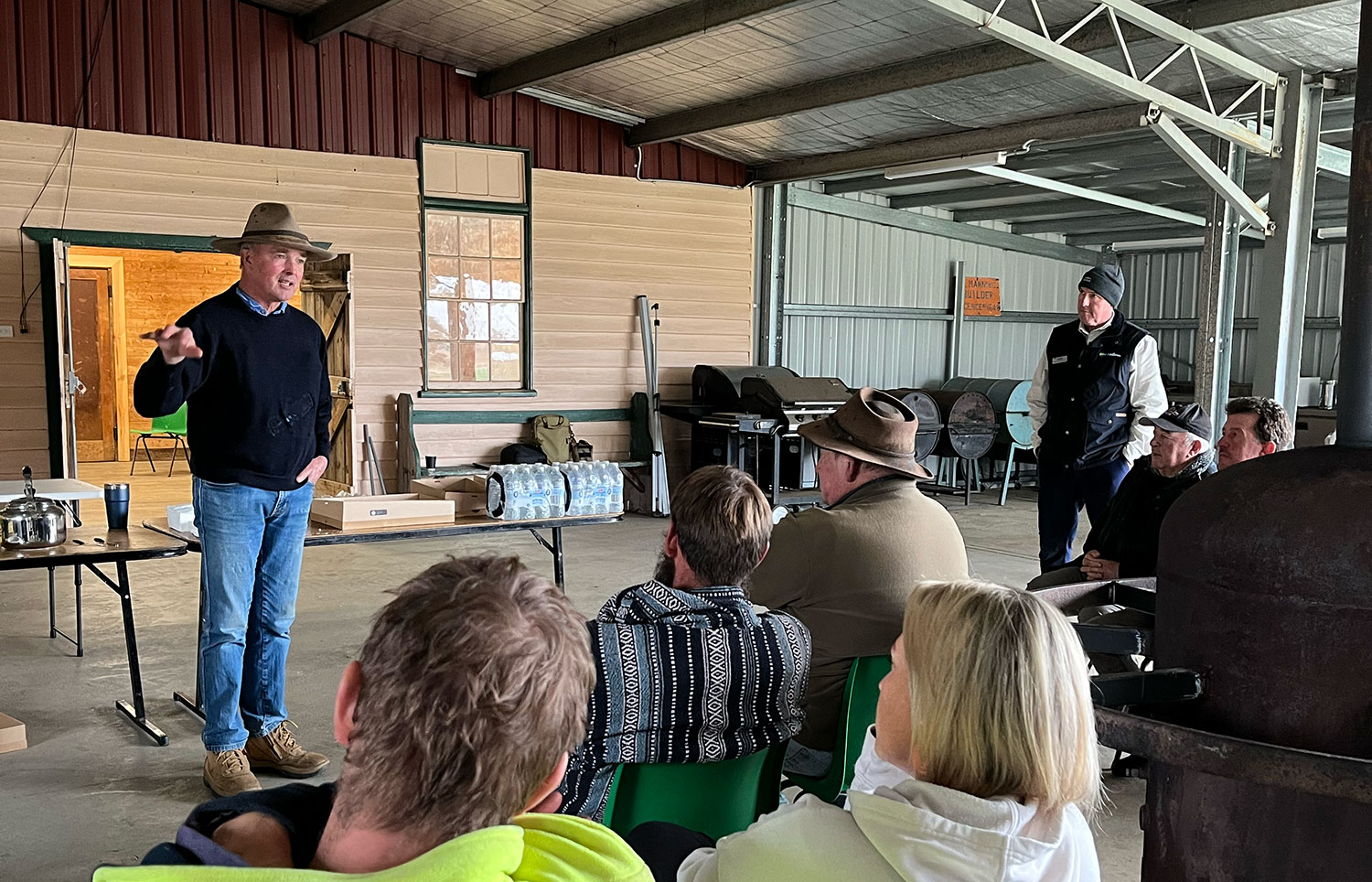
Local land manager Charlie Maslin presents his case study