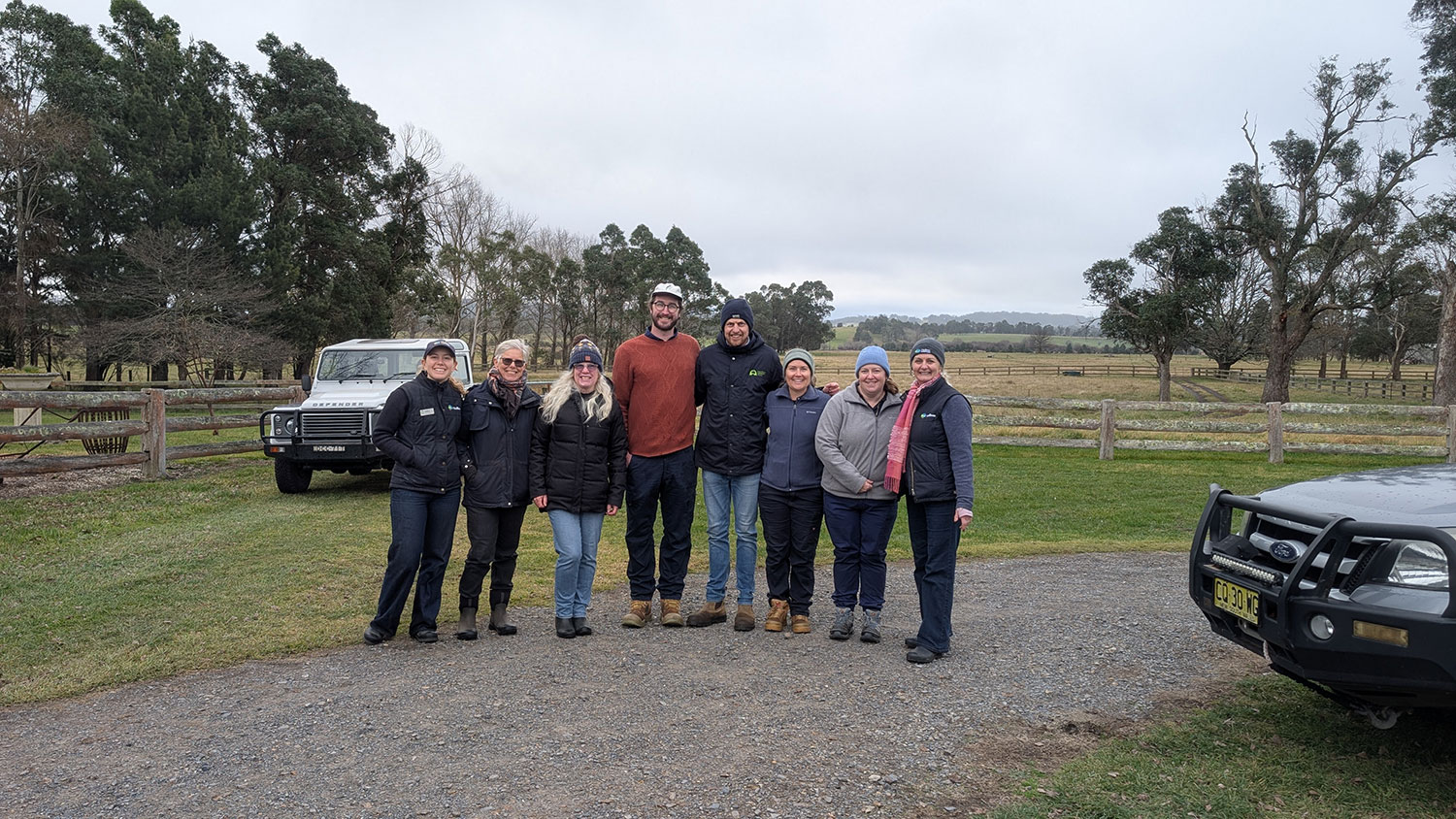
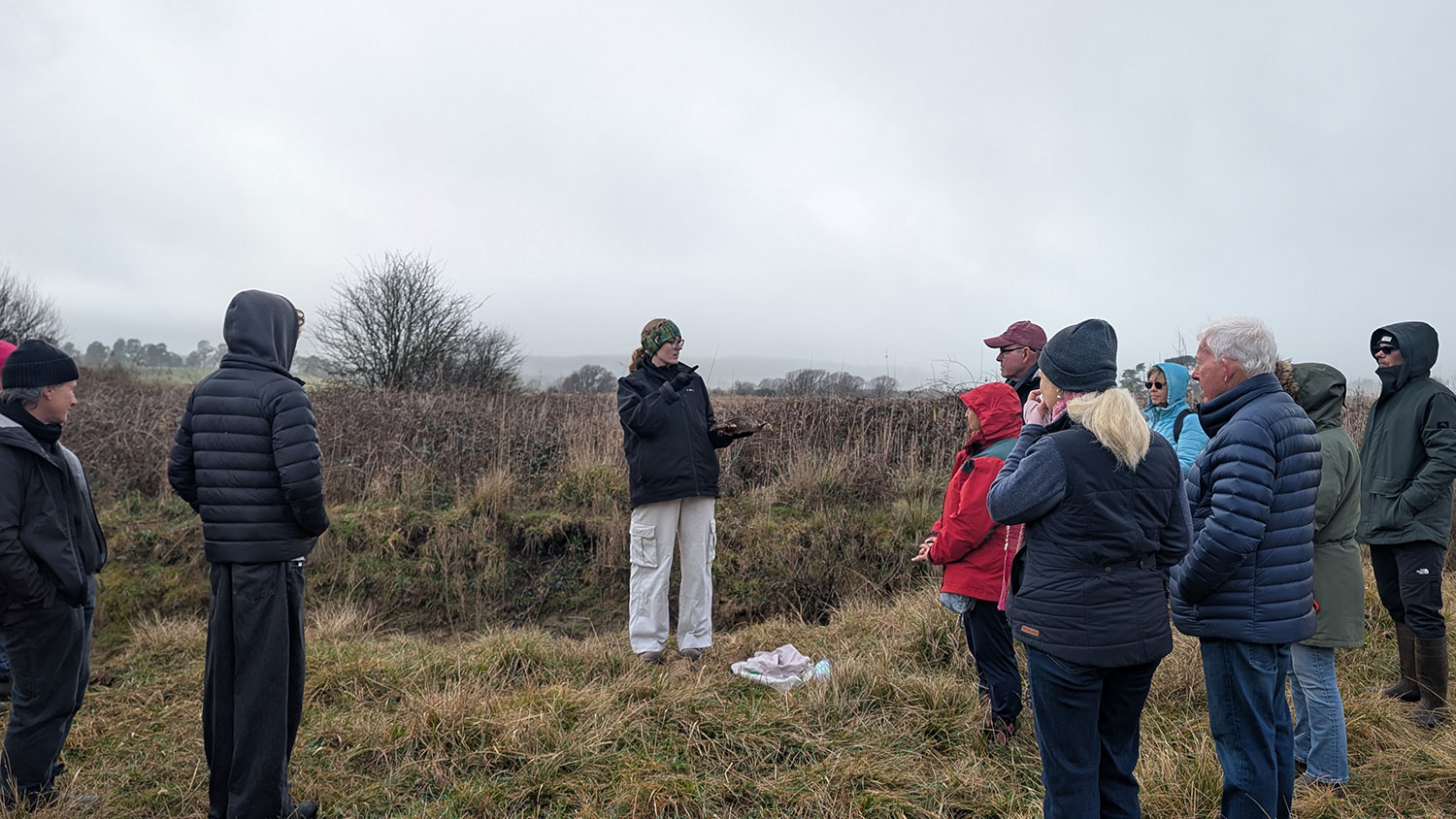
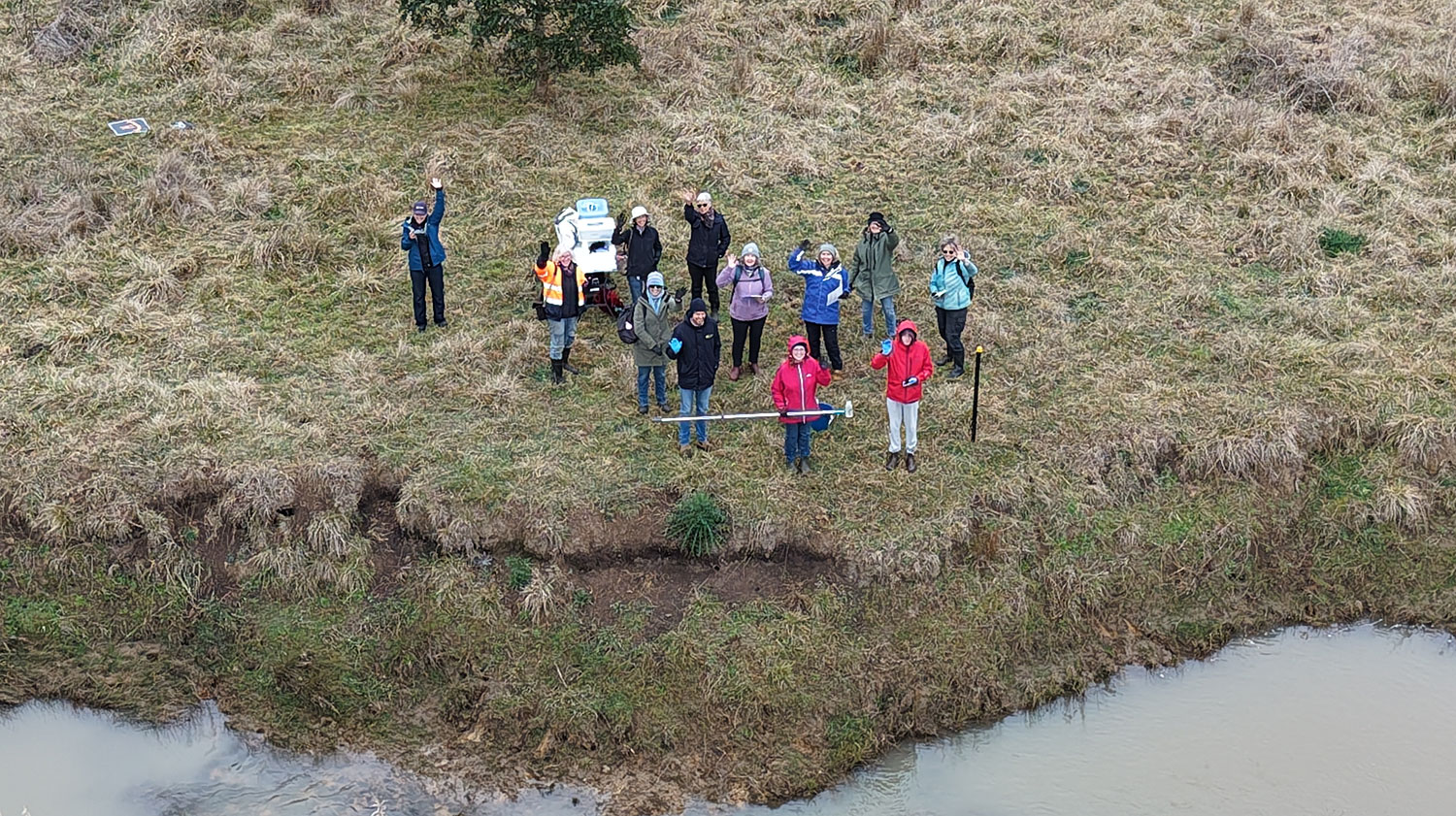
The idea was simple but special: a moment in time for the community to visit the site before rehydration works begin, a true ‘before’ photo, taken together, and to catch up with one another and share our love of caring for our creeks.
The highlight of the morning was hearing from Kat Warwick, a freshwater ecologist from Western Sydney University who specialises in platypus. Fun fact from the world of platypus science: these remarkable monotremes have no stomach at all, food travels straight from the oesophagus to the intestine. Nature clearly decided the platypus was already unusual enough.
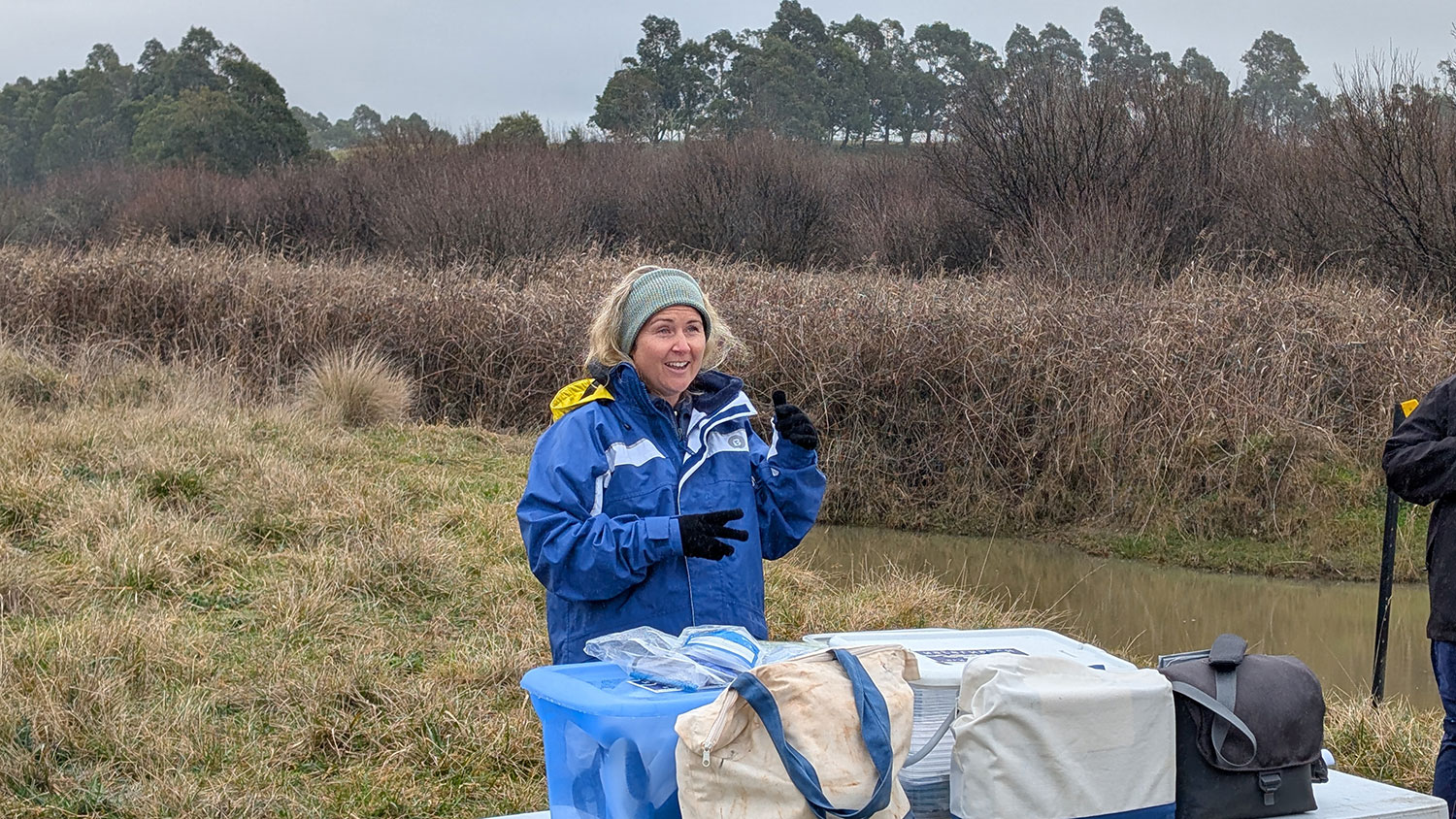
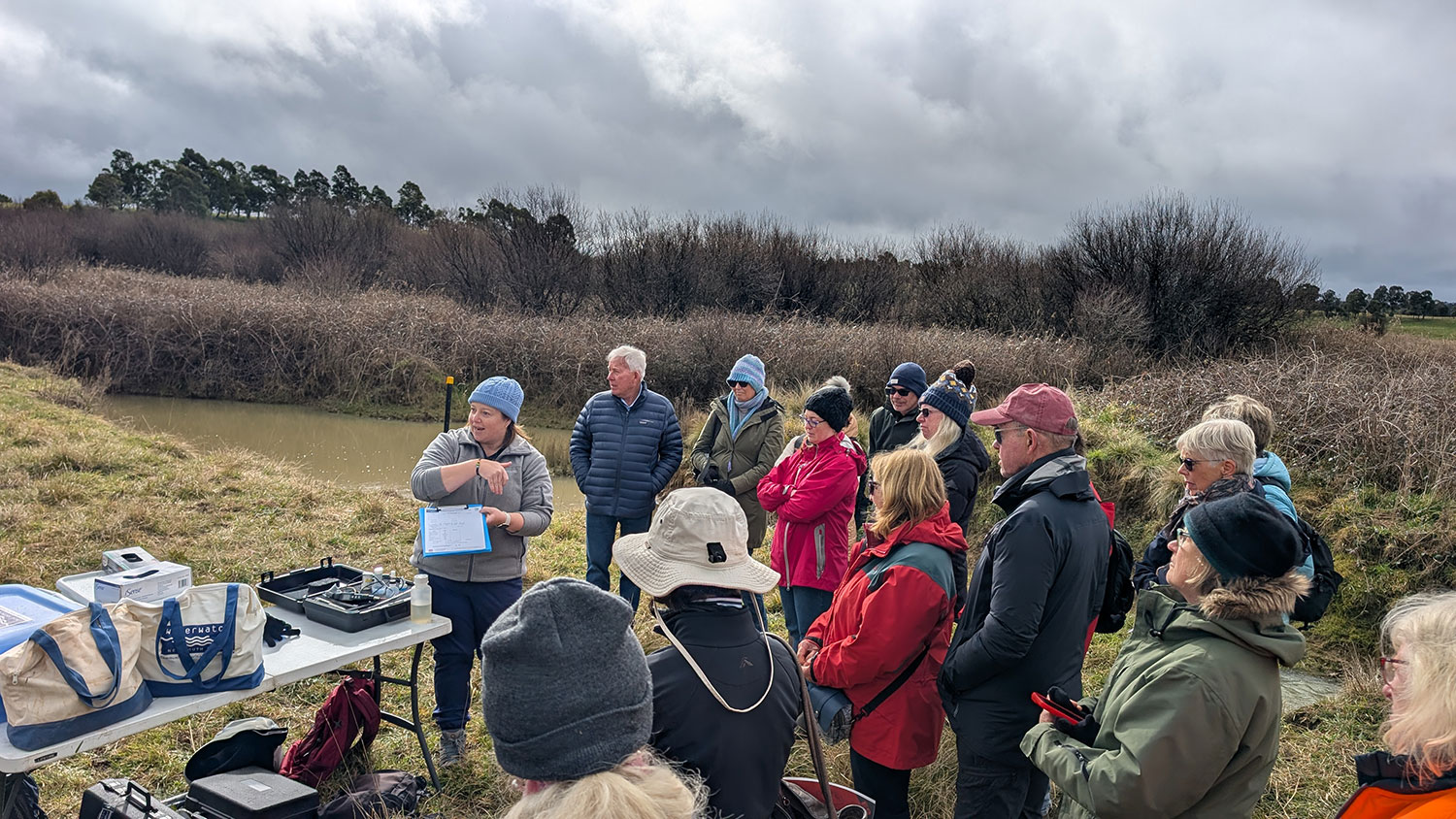
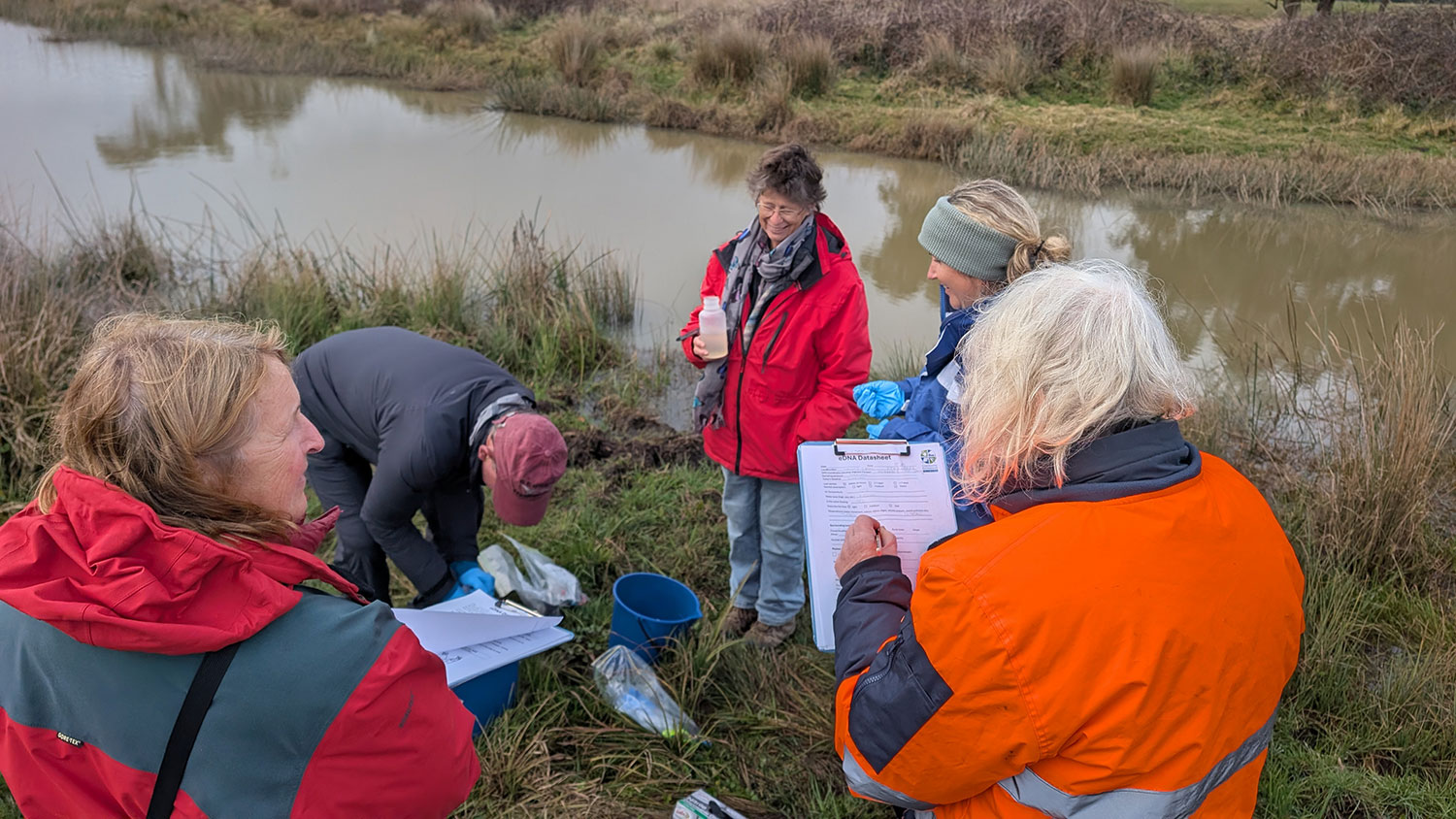
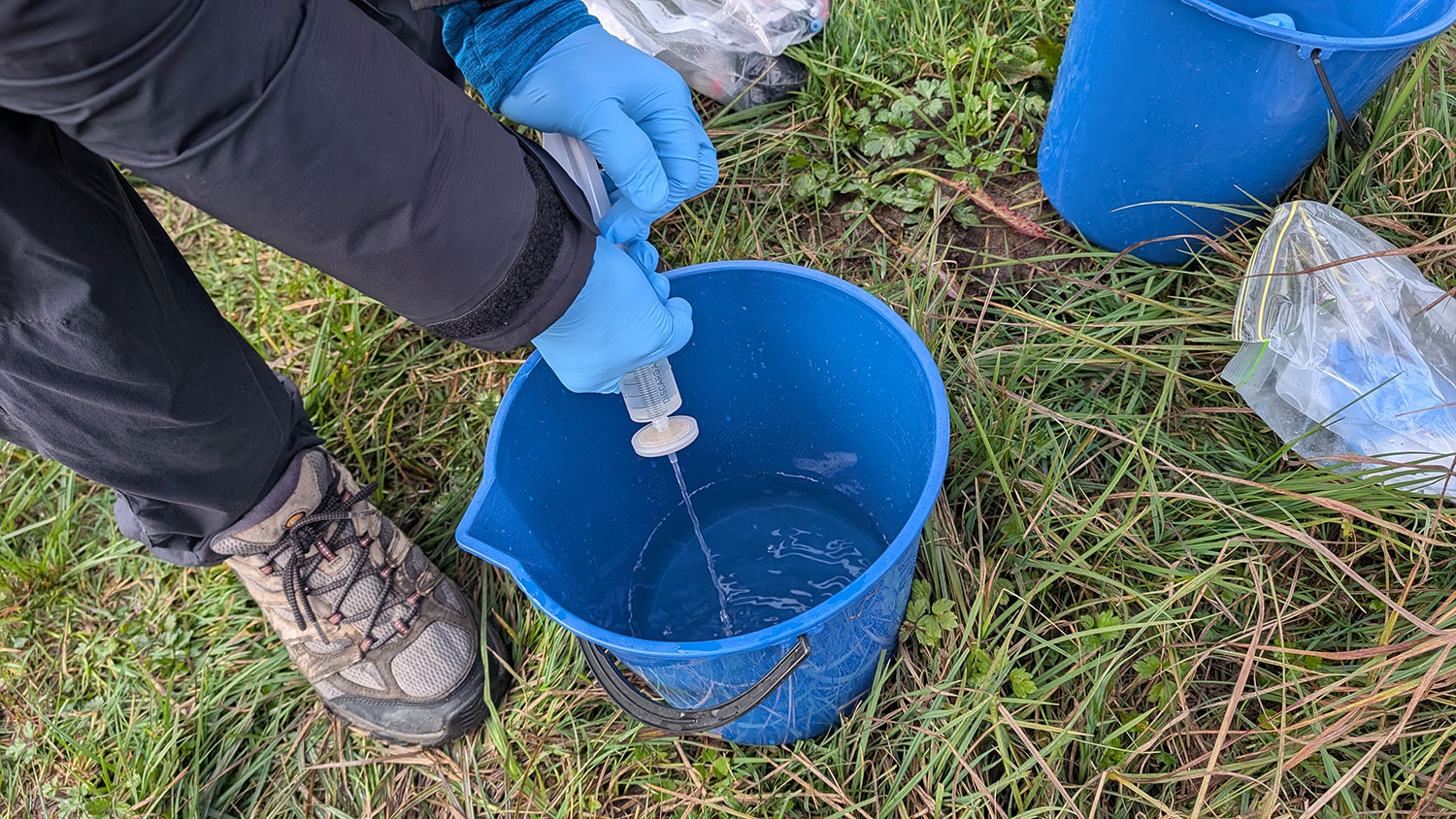
In the afternoon, Meg Rice and Racheal Kneeves ran hands-on sessions on easy citizen science water quality sampling and eDNA sampling. Environmental DNA (eDNA) is the genetic material animals leave behind in the water, tiny traces of skin, scales and waste. By collecting and filtering a water sample, scientists can detect which species call the creek home without needing to spot (or catch) a single one. It’s the perfect technique for famously shy locals like the platypus, and these samples now form part of the site’s baseline monitoring.