Some days are more interesting than others…

I was thrilled to represent the Mulloon Institute as a guest of The King’s Trust Australia for the launch of The King’s Foundation Australia at Admiralty House yesterday in sunny Sydney.

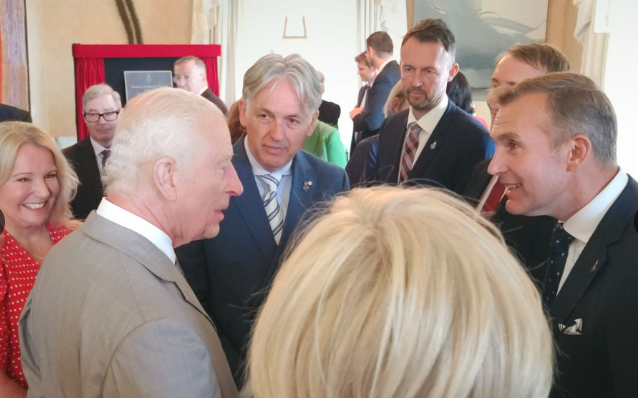
It was an honour to meet HM King Charles III – especially with him looking so fit and well.

We spoke about the work of the Mulloon Institute in restoring and rehydrating landscapes across Australia, other similar projects in the UK and the Middle East and how the Kings Foundation Australia plans to restore and rehydrate the Hillview estate in the Southern Highlands. We hope to assist with the restoration and rehydration of the creeks, streams and rivulets on the estate.

On behalf of the Mulloon Institute I presented HM with a jar of Australian bush honey from my personal apiary in Sydney. HM asked if it was full of wattle – it is and other health giving properties! Doing our bit to keep the King fit and healthy!

Congratulations to all involved in this wonderful event and this worthwhile endeavour including Rob Stokes, Julie Bishop, Justin Hewitt and Kristina Murrin CBE

Special thanks to Rob Stokes for making sure the work of Mulloon Institute was on the agenda for the Royal tour! Pic of ex-Minister Stokes (right) meeting HM King Charles III.

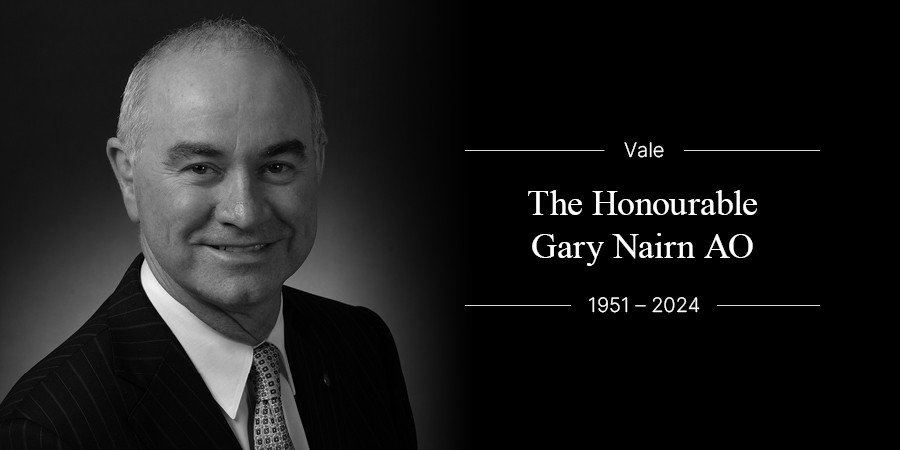
A State Memorial to celebrate the life of the Honourable Gary Nairn AO will take place at 11.00 am on Friday 22 November 2024 at Mulloon Institute’s Home Farm rural property, 3585 Kings Highway, Bungendore, New South Wales.

In 1996, Gary Nairn was elected as the federal member for Eden-Monaro in New South Wales and left the Australian Parliament in 2007. During his time in the Howard Government, Mr Nairn served as the Parliamentary Secretary to the Prime Minister and as Special Minister of State. Mr Nairn served as the Chair on Parliamentary Committees, including the 2003 House of Representatives Select Committee into Australian bushfires.

Prior to entering Parliament, Gary was the Managing Director of his own surveying and mapping practice in Darwin. After his time in Parliament, Mr Nairn’s appointments included Chairman of Mulloon Institute, National Chairman of The Duke of Edinburgh’s International Award-Australia, Chairman of the Northern Territory Planning Commission, and Chairman of the CSDILA International Advisory Committee.

In 2015, Gary Nairn was appointed an Officer of the Order of Australia (AO) for distinguished service to the Parliament of Australia, to the communities of New South Wales and the Northern Territory, to the surveying and spatial sciences, and to disability support groups.

Family, friends, representatives of organisations and members of the public are welcome to attend the State Memorial. Members of the public will be shown to seating in order of arrival until the venue reaches capacity.

Doors will open at 9.30 am. Attendees are kindly requested to be seated by 10.15 am. Ushers will be on hand to assist with seating.

If you wish to attend, please register online. *Note, registrations are essential.

Enquiries can be directed to the Protocol and International Visits Branch, Department of the Prime Minister and Cabinet in Canberra on (02) 6271 6129 during business hours or email StateMemorial@pmc.gov.au. Those who are not able to register via the web page can register by calling (02) 6271 6129.

At the request of our Inaugural Board Director and previous Chairman, The Honourable Gary Nairn AO, donations to support the ongoing work of the Mulloon Institute may be made in lieu of flowers. Your contribution will help continue his remarkable legacy. Please find the donation link below.

Online condolences can be made via the link below.

Tilda, Ruby and Ali’s fabulous magnetised landscape coming together

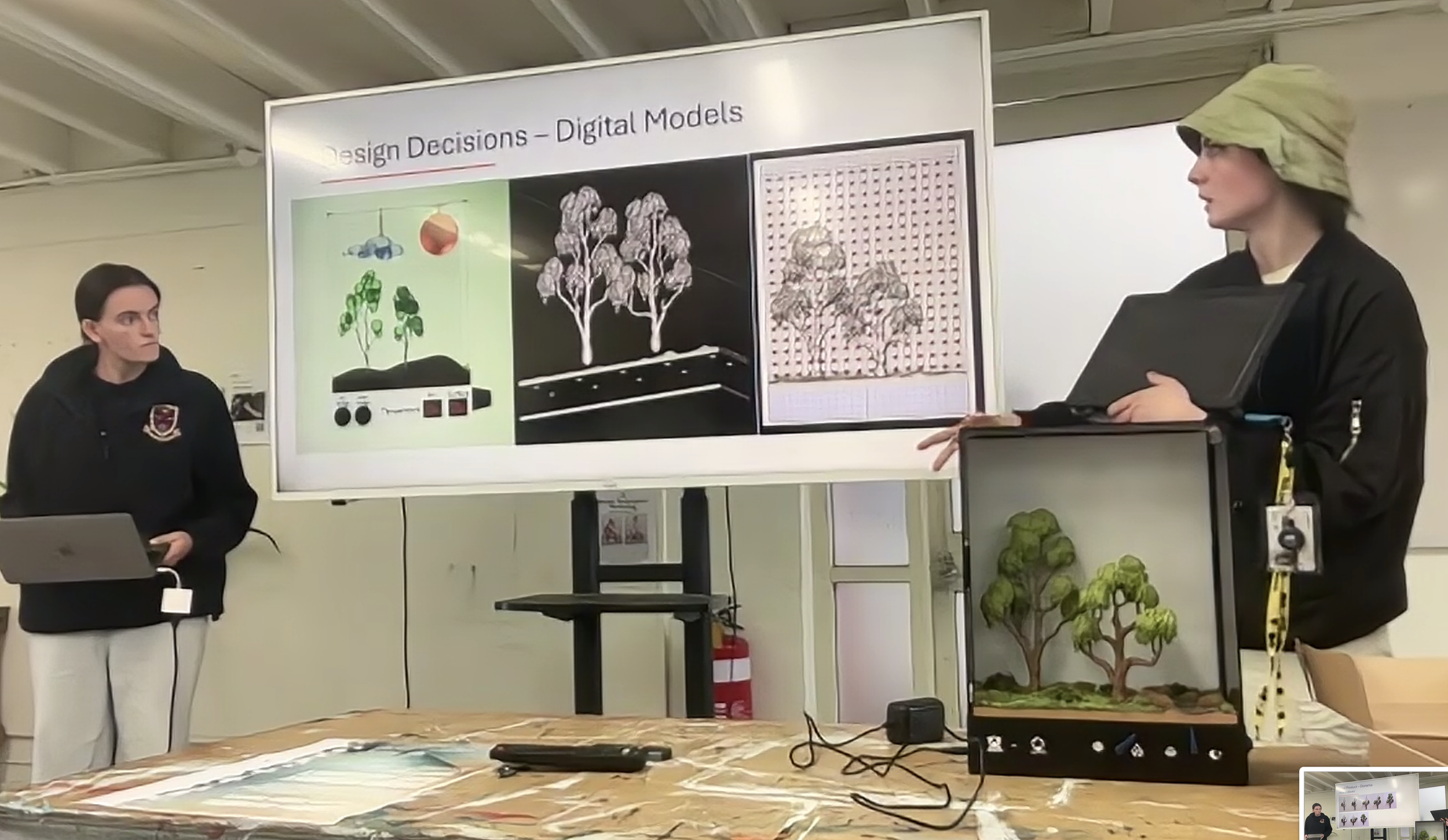
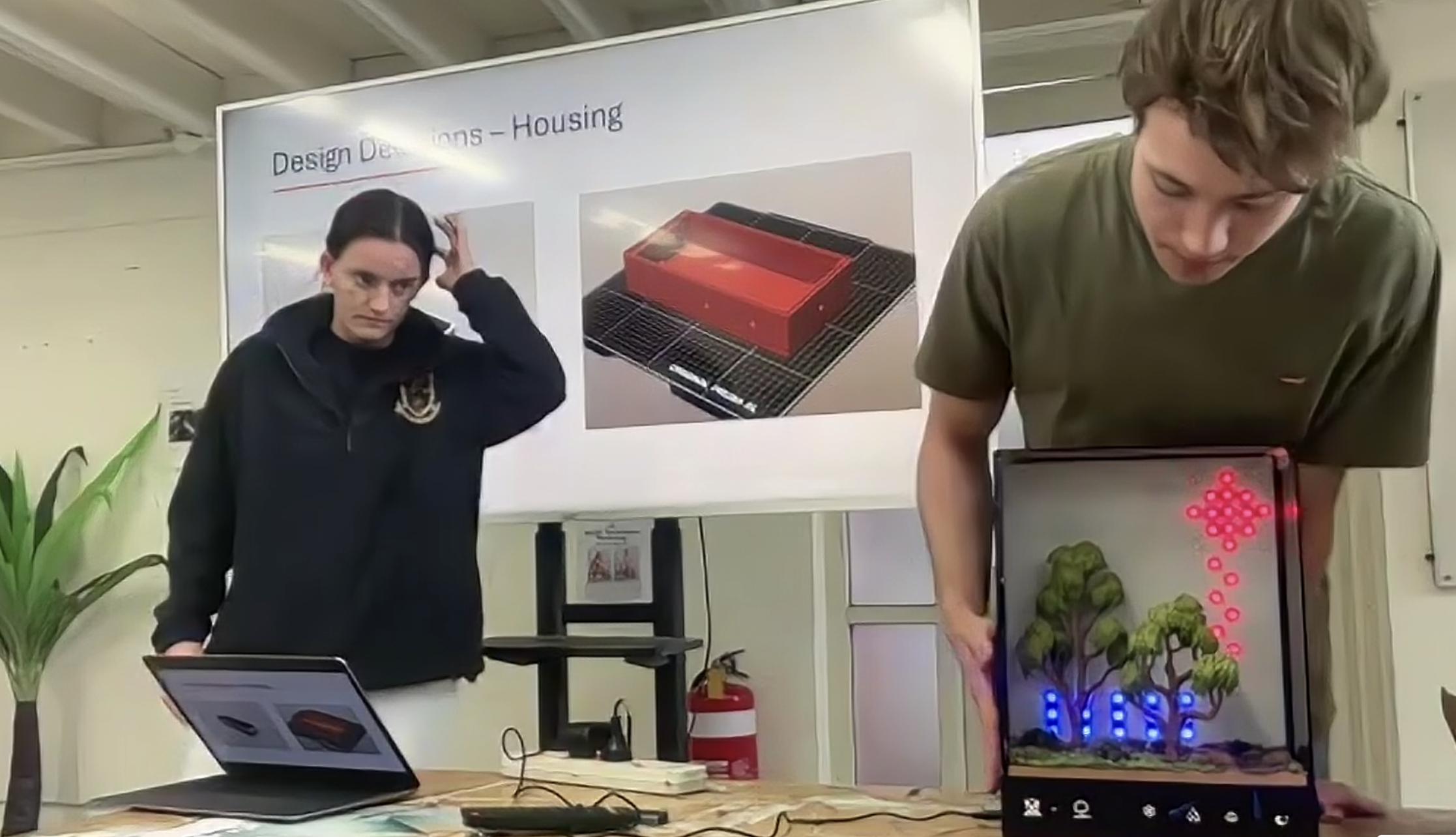
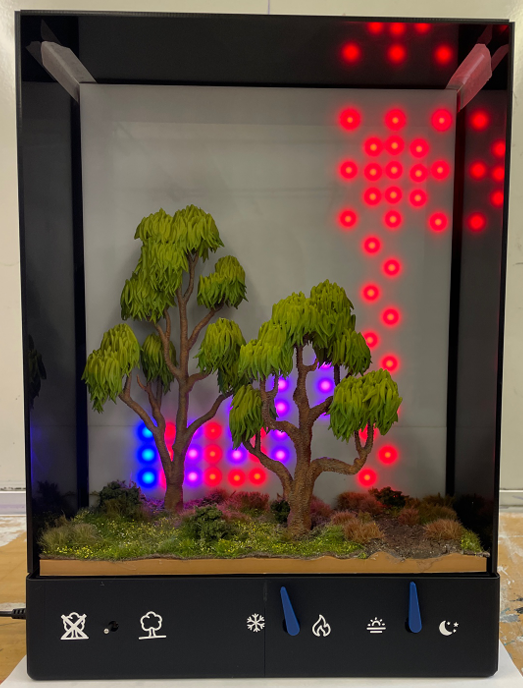
The Mulloon-themed student projects at ANU’s Design Studio are hustling towards the finish line. We love what they’ve come up with! Amy, Henry and Sarah are working on a neat interactive diorama with 3D-printed elements that shed new ‘light’ on the transpiration cycle. A glittering digital array will highlight how different levels of vegetation create more or less transpired vapour and thus buffer solar energy.  

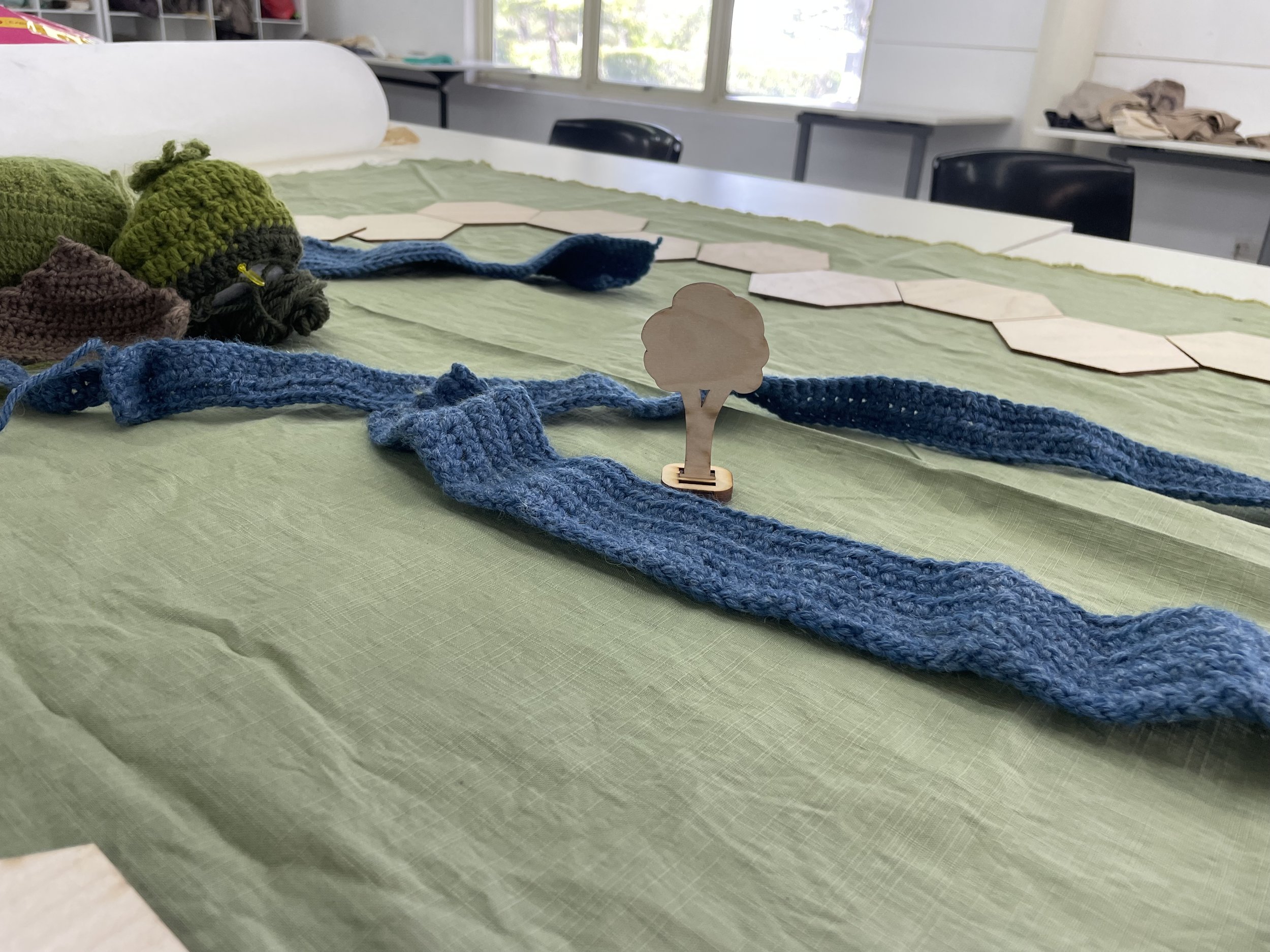
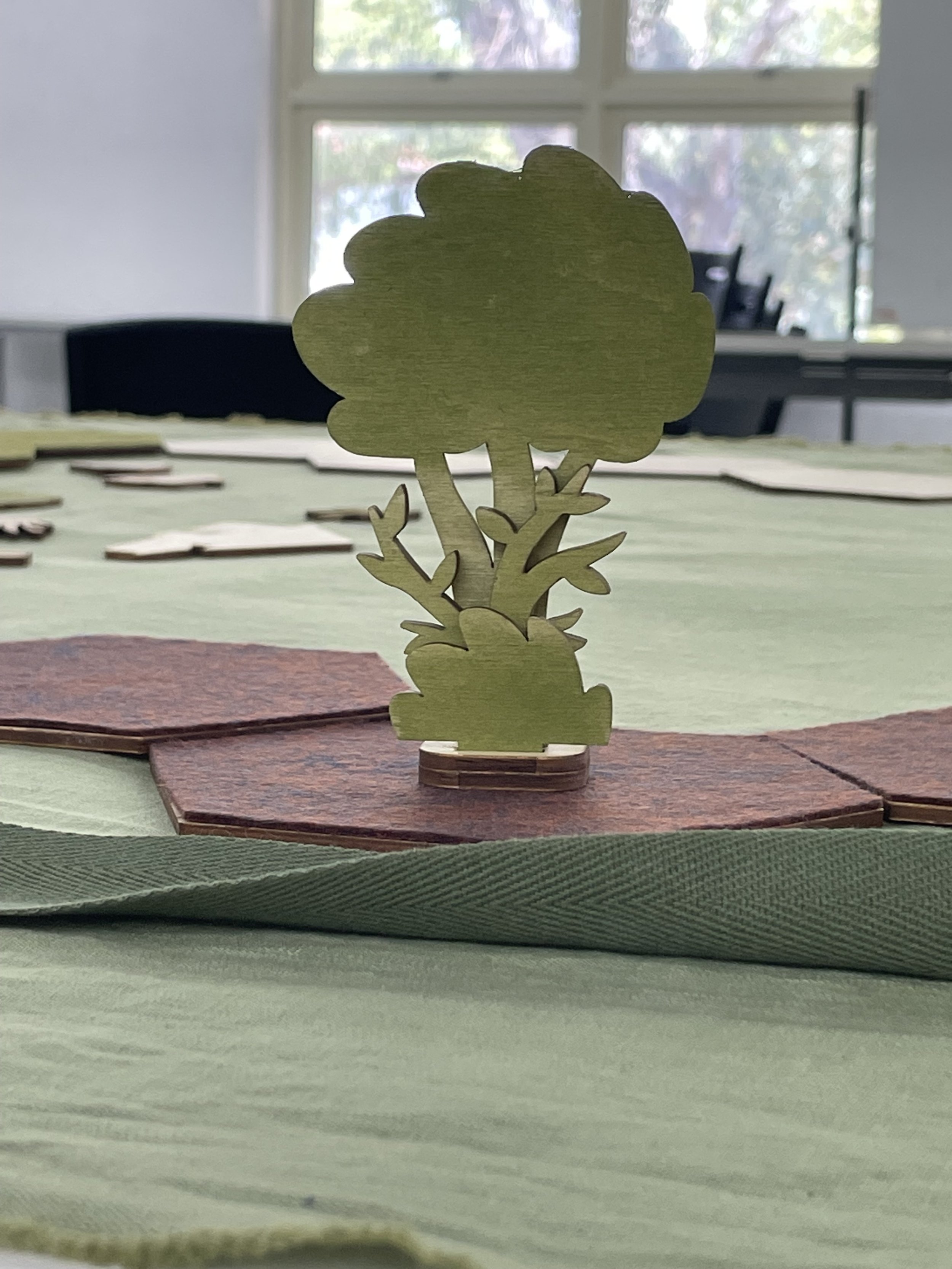
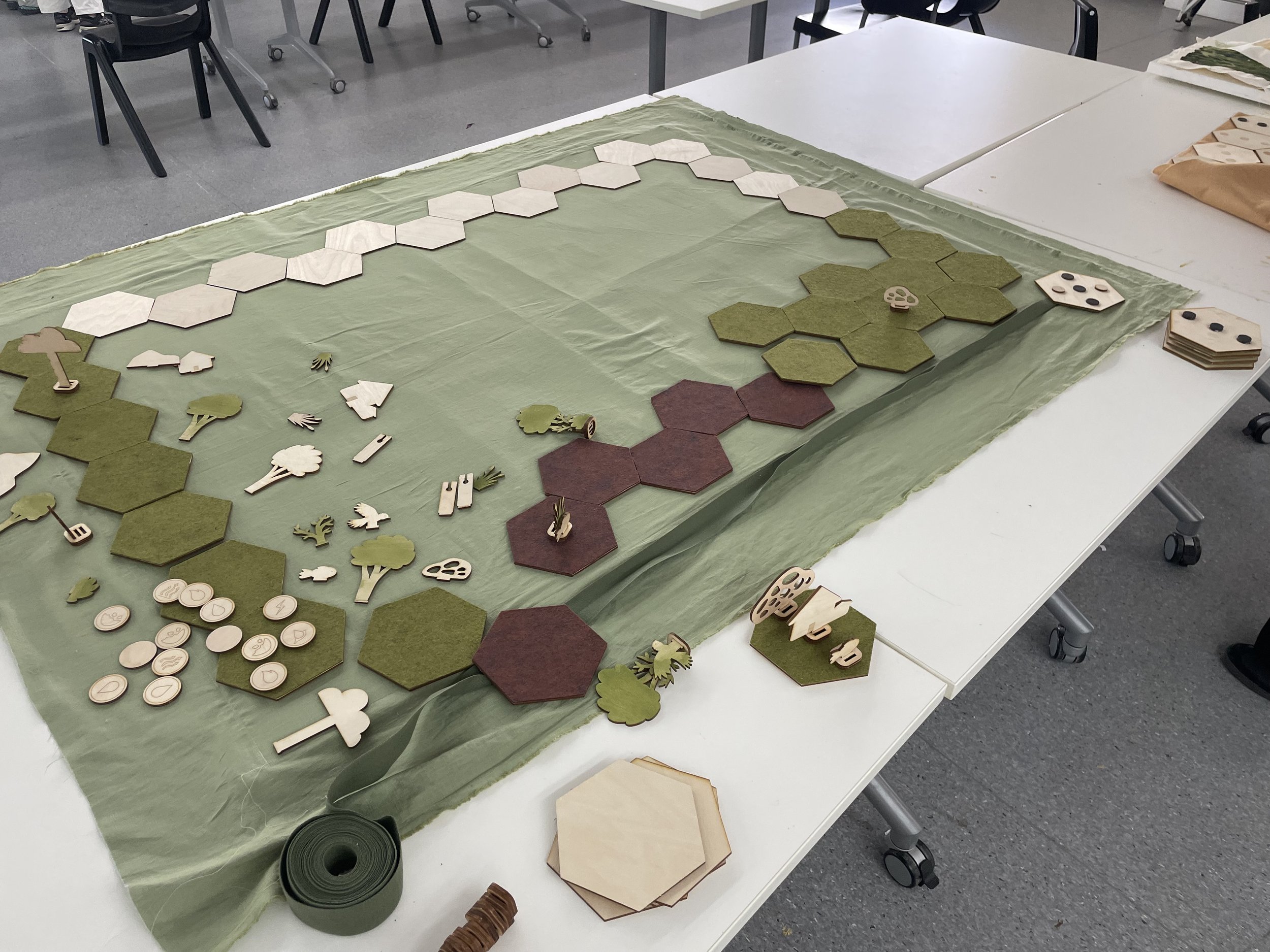
Meanwhile, Tilda, Ruby and Ali have created a fabulous magnetised landscape with felted hexagon tiles, laser-cut plants, critters, crotchet waterways, hills, and alluvial features. It’s been an inspiring journey all round collaborating to bring these concepts to life! Good luck, and we’ll see you on presentation day Ruby Davies, Ali Mencshelyi, Tilda Blackbourn-Rooney, Amy Fisher, Sarah Turner and Henry Canavan! 

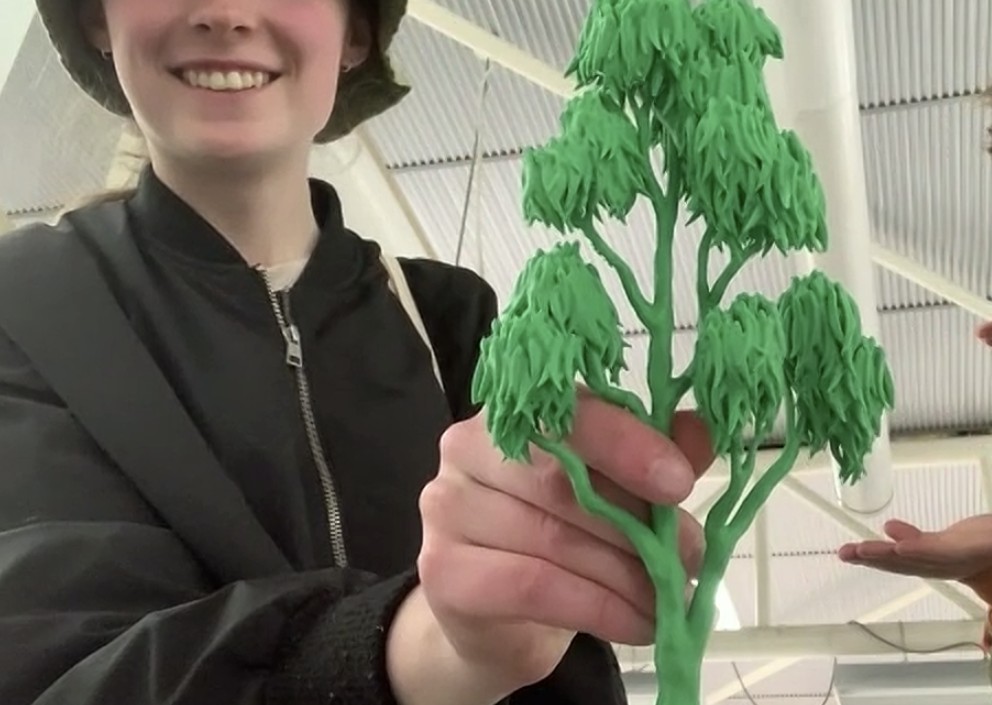
Amazing 3D-printed trees!

Creative crocheted rivers

Laser-cut wooden trees added to the diorama

ABOVE: Amy, Sarah and Henry present their glittering transpiration diorama. (Click on the images to enlarge).


Mulloon Institute is thrilled to be presenting the Australian premiere of Hummingbird Films’ Regenerating Life, a film by John Feldman.

On Saturday 26 October at 2pm, we will host a screening of the documentary film Regenerating Life at Palace Electric Cinema, 2 Phillip Law St, Canberra. This event is part of a worldwide series of community screenings. It will be followed by a Q&A with a guest panel (to be announced).

Entry is by DONATION, which Hummingbird have very generously offered for Mulloon Institute. Seating is limited, registration is essential (via the link below).

“Regenerating Life takes an ecological approach to unraveling the climate crisis. It challenges the prevailing idea that carbon emissions from burning fossil fuels are the primary cause of this crisis and offers a new narrative. The film proposes that it is humankind’s relentless destruction of the natural world that has caused the climate crisis. This is because nature – the vast biodiversity that exists on our planet – regulates and balances Earth’s climate.

Filmmaker John Feldman dives into the economic and political systems that have encouraged this destruction of Earth through the relentless quest for wealth and dominion but stresses that we can reverse this destructive process by Regenerating Life.

John visits people who are developing solutions. By working with nature, they are restoring the forests, fields, wetlands, and oceans. They are regenerating soils to grow healthy food and build healthy communities. This is the solution to the climate crisis.

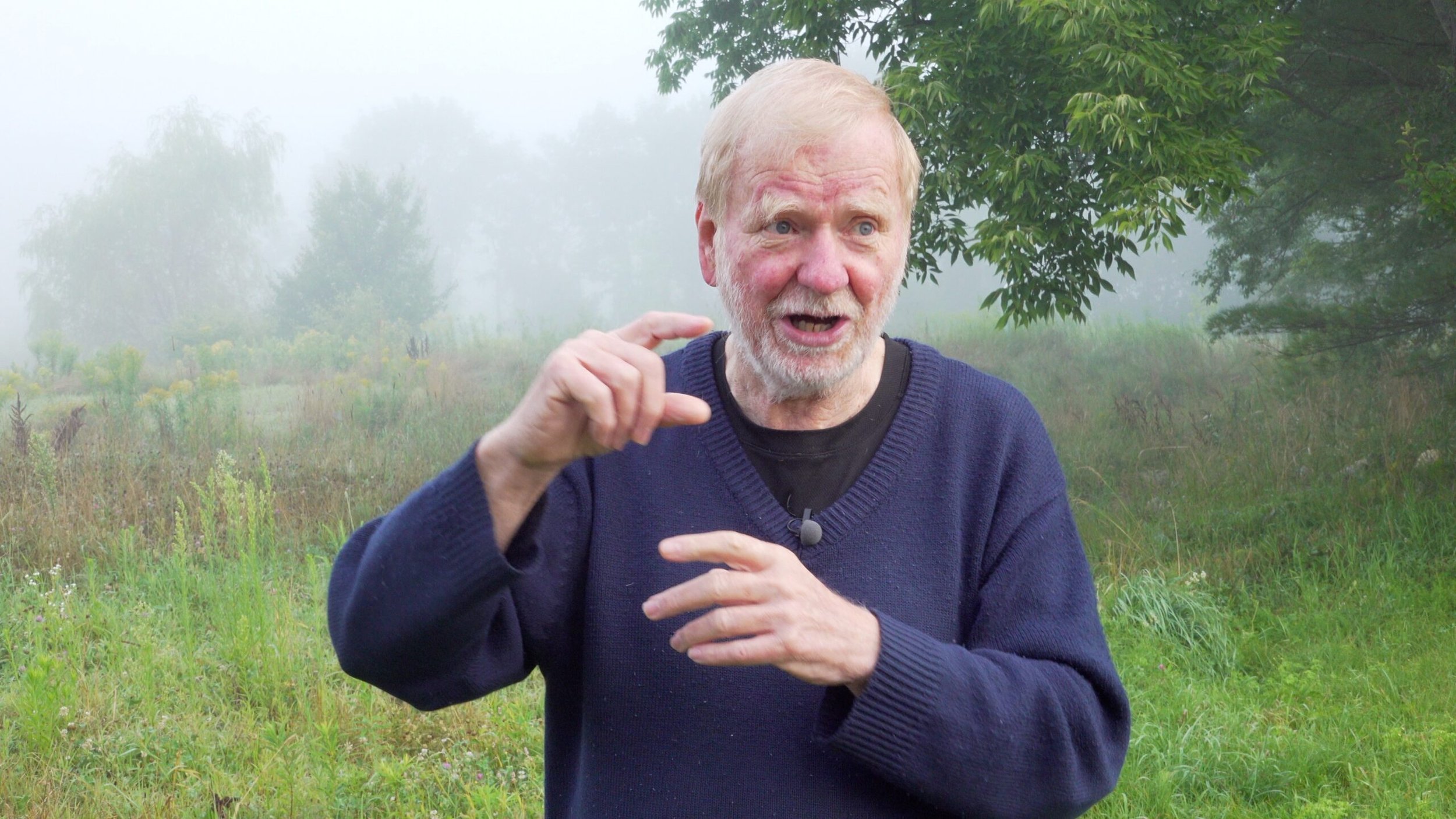
Filmmaker John Feldmen

Mulloon Institute Science Advisory Committee member Walter Jehne explains in the film how water cools our planet

Regenerating Life invites audiences to rethink their assumptions about climate change and humankind’s relationship to nature. Through community screenings and discussions, people may be inspired to come together to make changes in their own communities to help restore regional forests, parks and waterways and support the emergence of community gardens and locally grown nutritious food.”
– Hummingbird Films

The film is classified Unrated with a PG recommendation.

PLEASE SHARE with your networks!

We hope to see you there!

For more information about the film visit hummingbirdfilms.com/regeneratinglife or contact Hummingbird Films at susandavies@hummingbirdfilms.com


“This film encourages you to take a step back from what is commonly accepted as the singular cause of climate change and view our world more holistically, reminding us how connected we are to our natural environment, regardless of our lifestyle. From the food in your kitchen to how you see the landscape, you will leave with better questions to ask in terms of how we can sustain ourselves as humans on this planet. You may also get the urge to hug a farmer.”

Jesse Reynolds, AICP, Professional Land Use Planner, Seattle.


Northern Territory cattle station plans to fight erosion by rehydrating flood plains

Mulloon’s WA-based Landscape Planner and Hydrologist Lance Mudgway recently had ABC reporter Jan Kohout on board when he visited Mainoru Station in the Northern Territory.

In short:

Mainoru Station in the central Arnhem region has suffered considerable drought conditions due to the erosion of its river channels.

The station is re-building a leaky weir, a bridge-like structure to direct water back into its dry plains.

What’s next?

Mainoru Station owner Danny Hayes is set to finish building his leaky weirs before the start of this year’s wet season which starts in November and ends in around May next year.

All photos ©ABC Rural: Jan Kohout.

Mainoru River channel erosion has caused the flood plain above to go dry. (ABC Rural: Jan Kohout)

Lance Mugway and Danny Hayes (Mainoru Station owner) on top of the old weir that was built by the station’s previous owners. (ABC Rural: Jan Kohout)

Buffalo roaming the relatively dryer than usual flood plains at Mainoru Station. (ABC Rural: Jan Kohout)

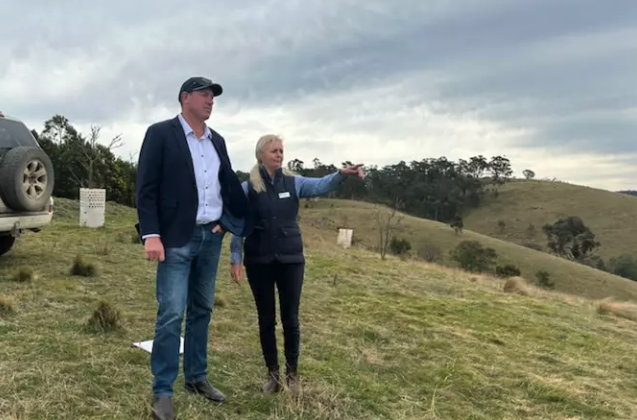
Michael Kemp, NSW Member for Oxley and Mulloon’s CEO Carolyn Hall looking over the Mulloon floodplain at Duralla earlier this month.

Nats MP calls for reform to encourage natural infrastructure investment

By Andrew Norris, Editor at The Land.
Published September 27 2024.
Link to online article.


NSW’s Member for Oxley, Michael Kemp, is calling on the government to make investments into “natural infrastructure” for the future of regional landscapes.

He said the issue wasn’t necessarily a lack of funds, “it’s the red tape that’s the problem”.

In 2022, when his father’s farm near Kempsey was hit by floods, riparian areas on the property were significantly damaged and left exposed to future flood events.

However, he said the run-around through at least six departments, including Crown Lands, Local Land Services, the NSW Department of Primary industries – Fisheries, the NSW Department of Climate Change, Energy, the Environment and Water, the Natural Resource Access Regulator and local council, plus an estimated cost of $20,000 to $30,000 just to get it to the approval stage, meant it was all too hard.

“What it has done is opened my eyes to the amount of red tape for an approval,” Mr Kemp said.

“It needs to be easy for people to use – we need to be encouraging them, not blocking them.”

He said what was needed was a set of simple rules landholders could follow to self assess whether they could proceed with certain projects that were potentially beneficial for the environment and production.

Instead, he said with “all the interdepartmental ping pong, the riparian areas are not getting repaired”.

Earlier this month, he visited the Mulloon Institute at Bungendore, a not-for-profit, research, education and advocacy organisation established in 2011 which demonstrates sustainable agriculture and environmental regeneration.

Mr Kemp said the organisation’s theories, originally developed by Peter Andrews on his then property, Tarwyn Park, Bylong, around rehydrating the landscape, made significant sense for improving microclimates.

He said the Mulloon Institute had also already developed a code which could serve the purpose of simplifying project assessment and approvals, if it, or something similar, was adopted by regulators.

The challenge, according to Mulloon’s CEO Carolyn Hall, was this would require “extreme consultation with the current agencies involved to build their understanding and their confidence in the data coming out of Mulloon to then move along the path of a code-based approach”.

She said the code was based on the idea of all parties agreeing on a suite of standards that would bring agreed outcomes around functioning landscapes, biodiversity and First Nations communities.

“We’re not advocating ‘no regulation’, we’re advocating for an approach that is suitable for landscape regulation and rehydration,” she said.

Ms Hall said the regulators were challenged on this, which highlighted the need for reform.

Mr Kemp was presently gathering community support and had also discussed the matter with Nationals leader Dugald Saunders.

He aimed to create a Bill with which he would also approach Minister for the Environment Penny Sharpe.

He said the Mulloon Institute had already done a lot of the work, but the most important part was getting an environmental code with which people could comply.

“This is an opportunity to do something about it, so I’m going to make the most of it,” Mr Kemp said.

It would be no easy road, though.

As Ms Hall said, it had been a battle getting politicians interested in the work at the institute.

“We’ve had more luck with political advisors than with politicians in recent years,” she said.

“We’ve found it difficult to get the current governments – state or federal – to Mulloon, but the federal advisors have been and they acknowledge the value of the work.”

She said while the institute was grateful for the attention, there remained a need for regulatory reform to make the works easier to deliver.

Mr Kemp saw the potential for investing in “natural infrastructure” as equivalent in importance to traditional infrastructure like roads and railways.

“The Mulloon Rehydration Initiative has a planning model that can be scaled up or down to rehydrate Australia,” he said.

Mr Kemp said this was also a method through which communities and the environment could be protected from natural disasters.

“It’s time we rebuild our water catchments and landscapes to withstand these challenges,” he said.
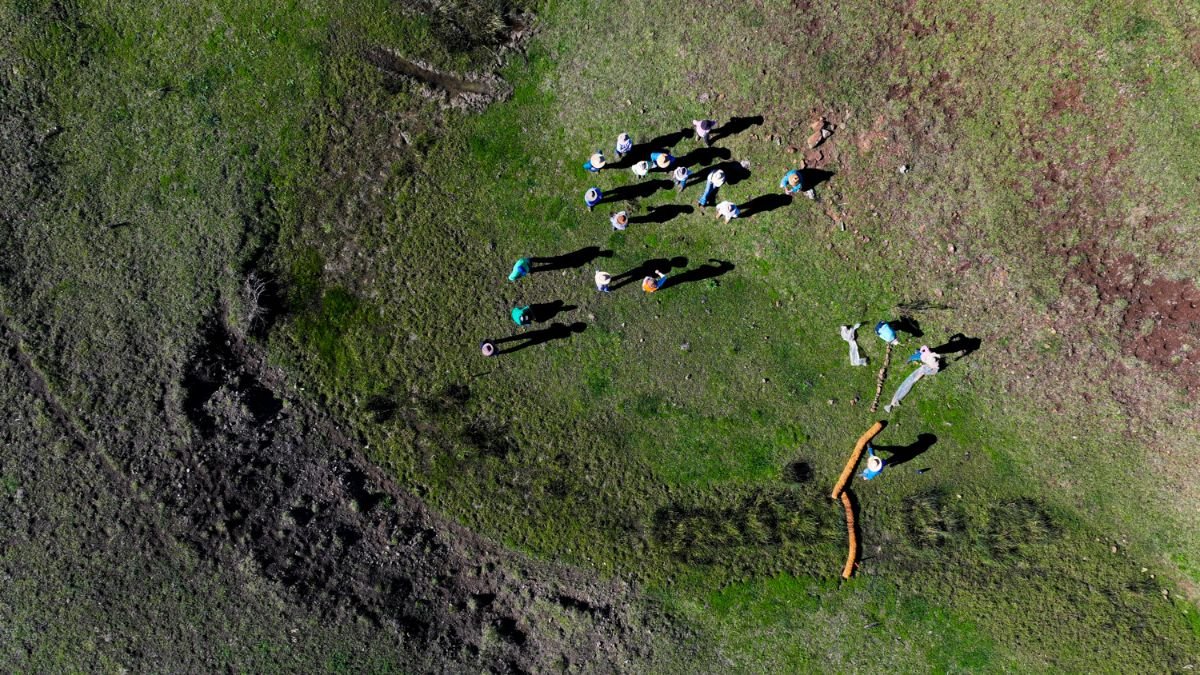
Bird’s eye view of the Swan Brook community planning their natural infrastructure for landscape rehydration

Mulloon Institute is excited to celebrate a new nature-positive collaboration with Soils For Life as we continue to tackle the challenge of rehydrating catchments on a national scale. Through a community-focused, peer-to-peer approach, we are actively engaging landowners across Australia to restore vital ecosystems in their catchments through our Communities of Practice work.

In the Swan Brook catchment in Northern Tablelands NSW, local farmers, with the support of GWYMAC Landcare, are leading efforts to rehydrate their landscapes. As Lee Thompson from GWYMAC Landcare highlights, ‘Landholders and biodiversity were suffering, but we now know there are sustainable ways to hold onto water longer.’

To learn more about this initiative and see our progress in action, watch the film and read the article now showcased on the Soils For Life website, with a case study to follow in 2025. Join us as we build resilience and create lasting, positive change for the land!

This Communities of Practice project received funding from the Australian Government’s Future Drought Fund.

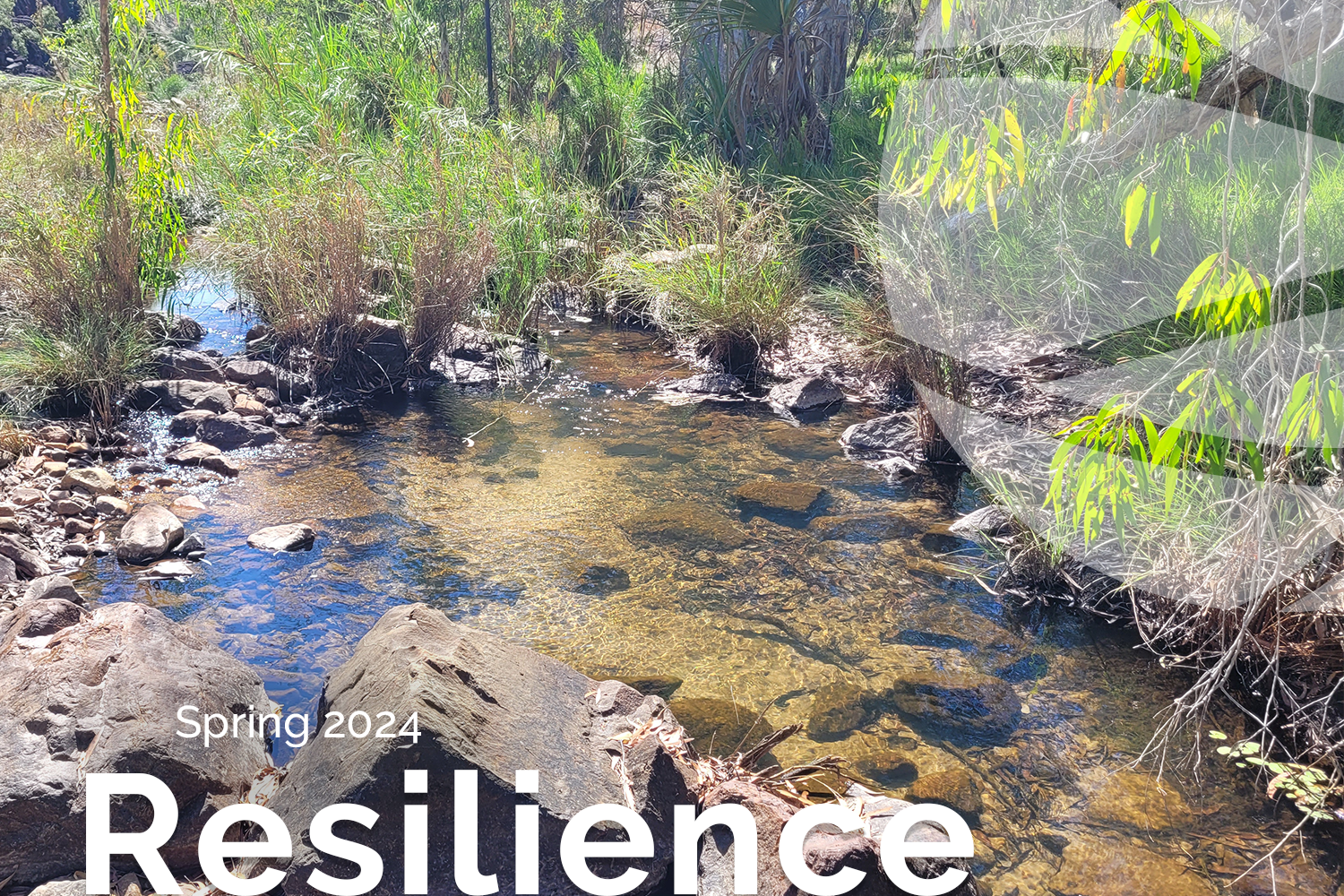
Following a hectic winter for all our teams across Australia, the Spring edition of our eNewsletter Resilience is now available. CEO Carolyn Hall takes Mulloon to the world stage, new animations underway for our Learning Programs, MCNF farm updates, around Australia with Mulloon Consulting, a SAVE THE DATE for The Hon. Gary Nairn’s State Memorial Service to be held at Home Farm, and much more. Grab a cuppa and enjoy the read!

Previous editions of Resilience can be accessed here.

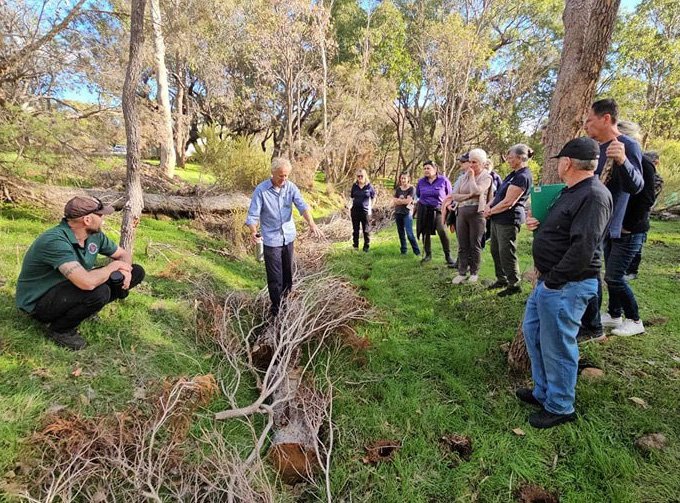
In WA with the Armadale-Gosnells Landcare group (photo ©Armadale-Gosnells Landcare).  

The Mulloon Consulting (MC) team have been busy over the last few months with interesting and challenging projects across the country.  The following are a few insights into this work:

  • We have been piloting our initial site inspection process through the Agronomeye platform for a client in the Central West of NSW. Agronomeye has developed AgTwin, a powerful digital twin tool that we have used to generate conceptual plans for landscape rehydration opportunities on the client’s property.

  • The rollout of our Communities of Practice Program (CoPP, supported with funding from the Future Drought Fund) continues around the country with Lance undertaking property visits as part of the mentoring program in WA and the NT, and Erin and Annabel doing the same in Victoria. In addition, these team members have continued with other online mentoring support as have Sam Skeat and Tony for the Queensland participants. We are also thrilled with the release of the video that Soils for Life have produced as part of the project. Laura, Peter and Erin have also been working on animations with our consortium partner, Dr Laura Norman from US Geological Survey.

  • Peter and Laura have recently delivered an on-Country workshop with Rangers from the Coffs Harbour Local Aboriginal Land Council, using the opportunity for shared storytelling and building understanding of landscape rehydration opportunities.

  • Jack and Annabel were very excited to go over to South Australia for one of our first pieces of work in the State, undertaking an initial site inspection for a rural property south of Adelaide.

  • Other team members have been kept busy with client engagement in other parts of the country.

  • Our team continue to work with regulators on the approval of various projects in NSW and Victoria.

  • In addition to the CoPP learning program activities, our team have also presented programs in the Central West of NSW for Watershed Landcare, a workshop in the ACT for members of the Australian Mohair Marketing Organisation, and in WA for the Armadale-Gosnells Landcare group.

  • Chris and Jono have been working on a report for the United Nations Convention to Combat Desertification (UNCCD) that were asked to prepare, showcasing the Mulloon Rehydration Initiative as a case study for Australia.

  • Jono has also attended the Riverbank Management Society’s 11th Australian Stream Management (ASM) Conference, including a presentation regarding the CoPP and the story behind our work with the Swan Brook group near Inverell. He also represented Mulloon at the recent One Basin CRC annual event in Mildura, which was a great opportunity to meet a lot of people working on a number of interesting projects in the Basin.

We’ve also got plenty ahead of us for the next few months, and look forward to providing an update in the next newsletter.

Mulloon Institute has advocacy as one of our core activities. We actively engage with government departments, government bodies and politicians in efforts to facilitate landscape rehydration. 

And to our pleasant surprise, we are seeing little, surprising wins everywhere… the mindshift has begun.

Australia’s environmental legislation was written in the ‘70s, ‘80s and ‘90s with the noble aim to prevent development and conserve our natural environment. This legislation, though, is inflexible and prescriptive and struggles to separate detrimental development from positive development (the mindset is that all development needs approval) and there are now so many pieces of legislation and approvals that the long, complicated and expensive approval process is stopping positive environmental works.  

There is also a bias in legislation to conserve the environmental status quo at a time when our status quo is a degraded, dehydrated environment (agricultural landscapes in Australia have, on average,  at least 50% less ability to retain water than before European colonisation). To enable our works we need to shift the conversation from “conservation” to “repair”.

So, for the last five years, Mulloon Institute has been talking to Ministers, public servants and the media about these issues. We’ve had meetings at Macquarie Street and in Canberra, we’ve hosted Prime Ministers, Ministers and MPs at the Mulloon homestead, we’ve conducted seminars and media interviews and built a large coalition of environmental allies and partners. We have also been actively and diligently submitting our comments and recommendations to various government reviews and proposals. 

It feels like we are starting to move the dial!

In 2021 the NSW Crown Land Commissioner, Prof Richard Bush, stated in his evaluation of the Crown Lands Act: “There is a need for easier and faster pathways that facilitate and enable environmental restoration works on Crown land and waters through more streamlined approval processes…” and “there is a need for a more proactive approach to achieving environmental outcomes on Crown land, which can be facilitated through the removal of legislative impediments. Currently, environmental protection, restoration, rehydration or enhancement works require the approval or concurrence of multiple authorities and departments….”. One of his recommendations was to “simplify the assessment and approval requirements for environmental works to a single approval”.

In 2022 the NSW Government amended the way landscape rehydration is managed by the NSW Planning System, placing landscape rehydration infrastructure under the State Environmental Planning Policy (Transport and Infrastructure 2021) (SEPP) so we no longer need to receive development approvals from local council’s for our work we now only need to receive approvals from state departments.

In 2023, the NSW Planning Department’s Coastal Harvestable Rights Review noted Environmental Stakeholder Relations recommendations to “consider including ‘leaky weirs’ as a permitted work to access harvestable rights” and “structures such as leaky weirs provide benefits to the environment through hydrating the landscape and allowing water to soak in through the land.”

In 2023 the Water Sharing Plan for the Greater Sydney Metropolitan Region was published with a vision statement for the Plan to provide for: “the health and enhancement of the water sources and their dependent ecosystems” and an objective: “to protect, and where possible enhance and restore, the condition of the watersources and their water-dependent ecosystems.”


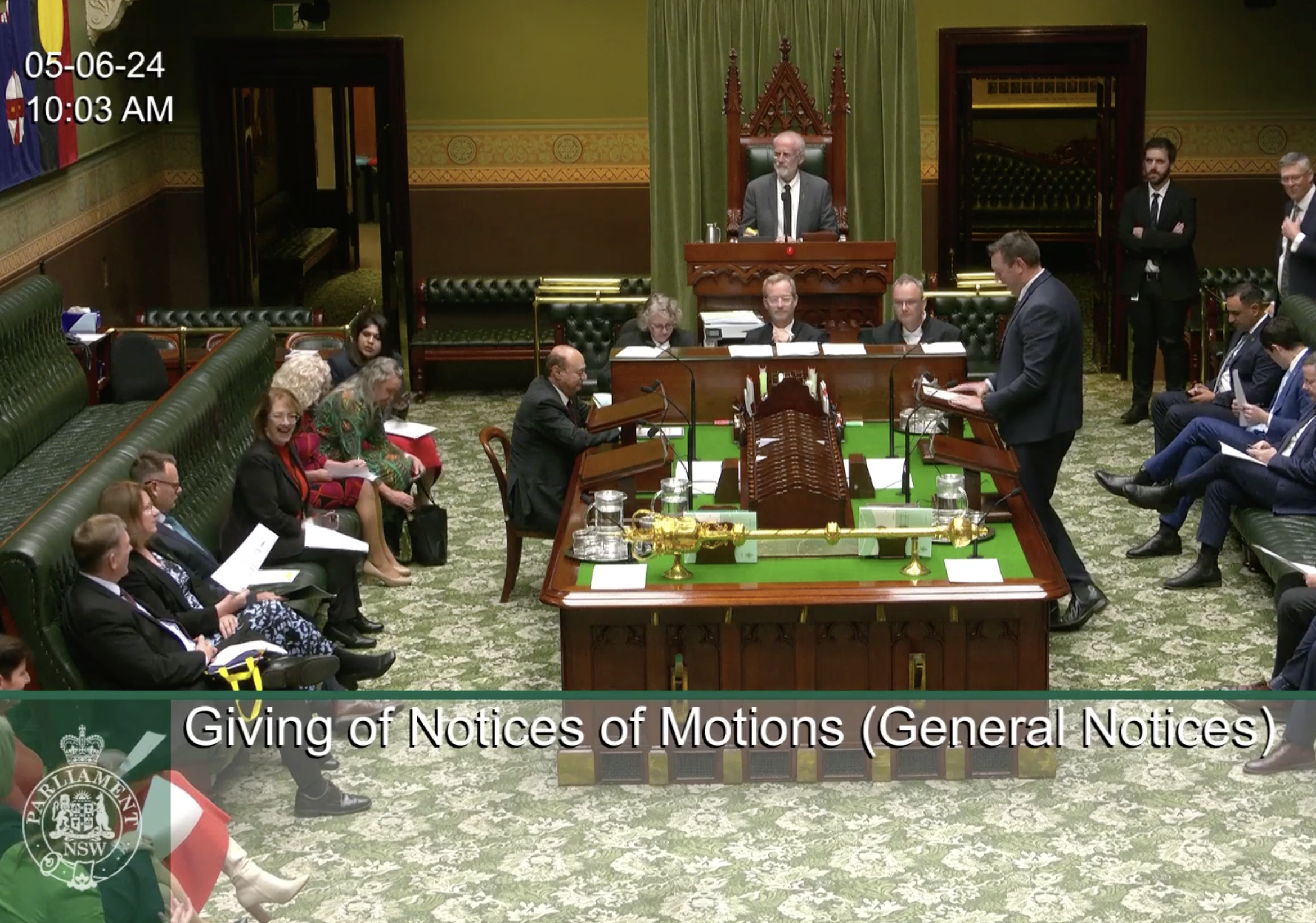
On 5 June 2024, the NSW State Government Member for Oxley, Michael Kemp, moved a Notice of Motion to ask the House: “One, to note the expensive and extensive regulatory and compliance costs to remediate damaged creeks for landowners; Two, recognise the Mulloon Institute, in consultation with environmental lawyers, has published a building code solution for landscape rehydration structures; Three, I call on the Minns Labor Government to draft a NSW Landscape Rehydration Code with relevant stakeholders; and Four, I call on the Government to introduce regulations so that landowners who install Code-compliant structures are exempted from NSW Government Departments approvals.”

We are now having high level, serious discussions with senior ministers, senators, MPs and public servants in Canberra and Macquarie Street to educate them about our Landscape Rehydration Code proposal and seek to have them implement the Code. 

Our plan is that landowners who repair their creeks and streams with Code-compliant landscape rehydration structures will be exempted from the need to seek approvals from Water, Planning, Environment, Fisheries, etc. Landowners and communities will be able to repair their creeks and streams quickly and efficiently in accordance with the Code.

So here is our call to action. If you have any connections with MPs, senior public servants or other relevant officers in this space, now is the time to get in touch with them, provide them with a copy of the Code and seek their support for the Code. 

From little things, big things grow!

Matt
Matt Egerton-Warburton