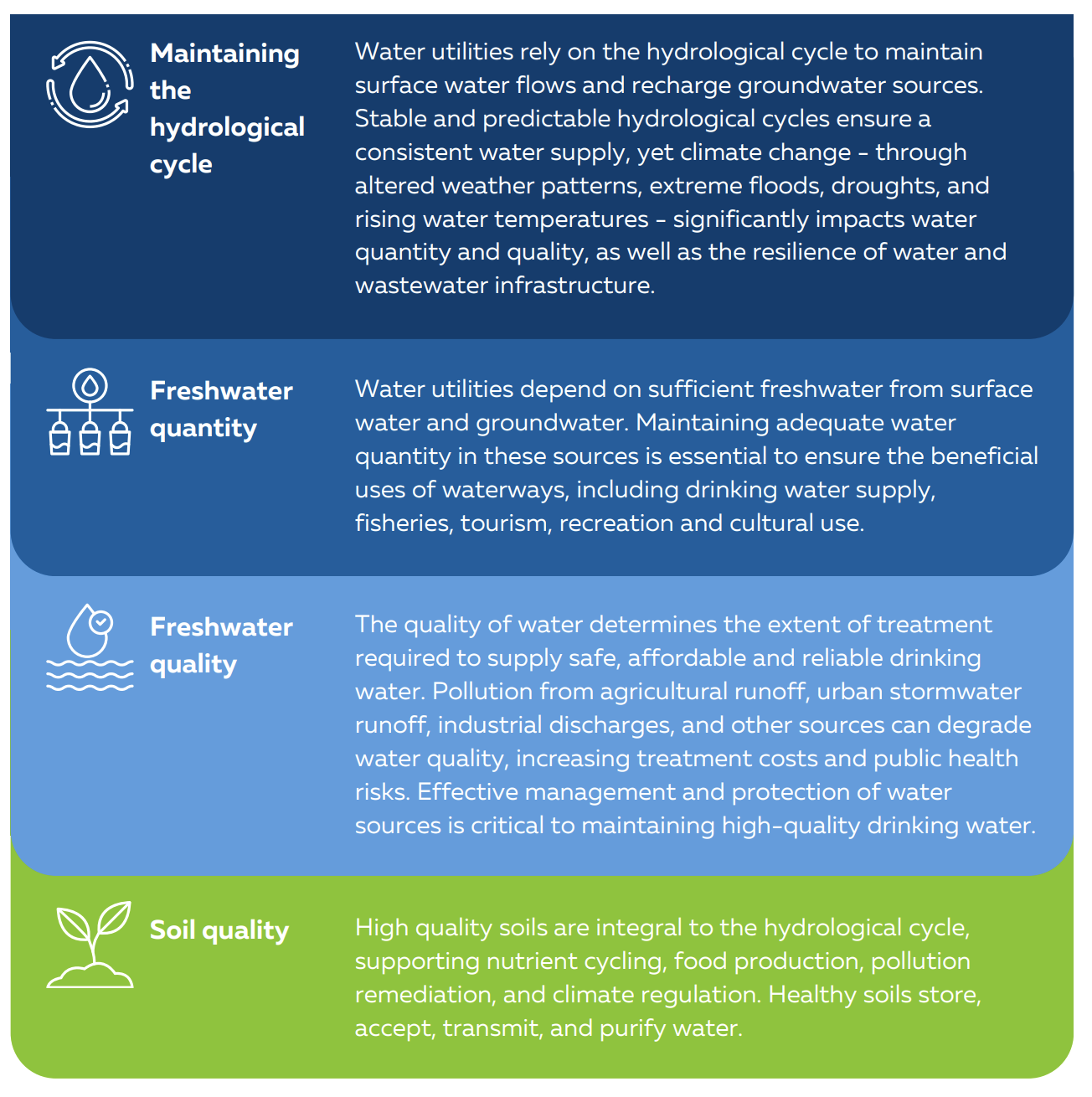
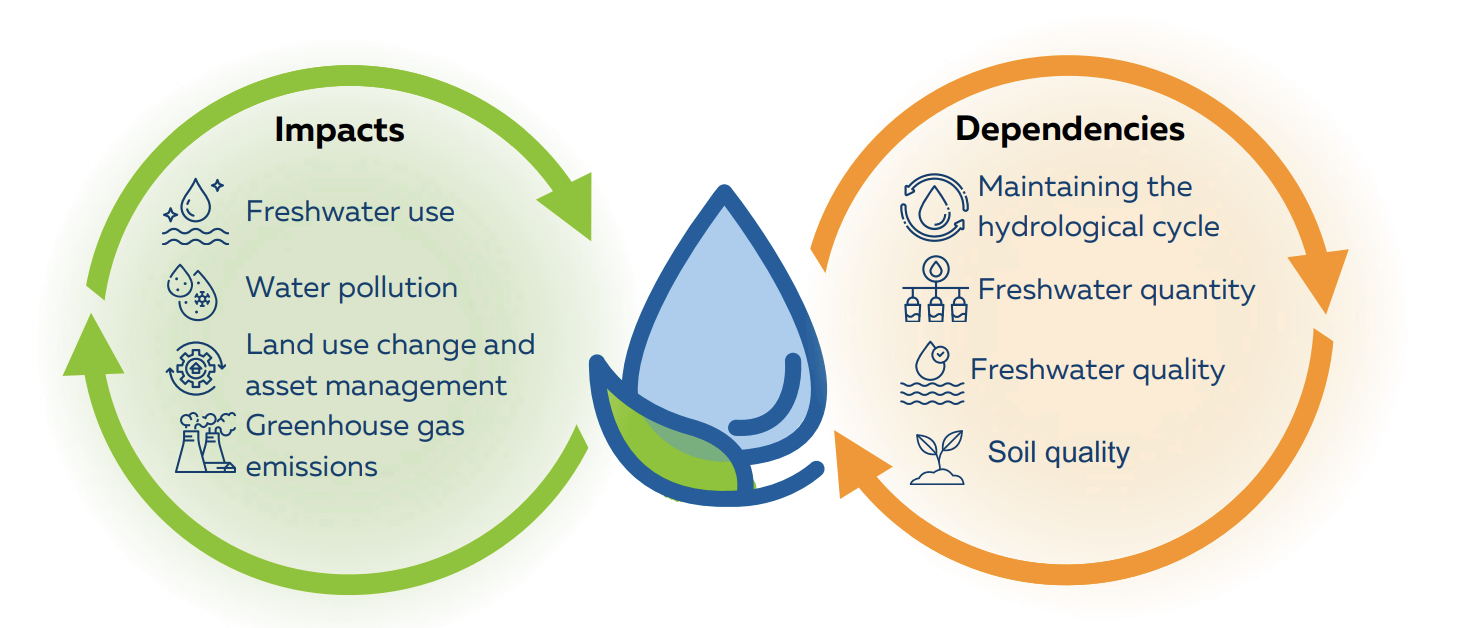
The Water Services Association of Australia (WSAA) is the peak body representing the water sector in Australia – the water utilities, organisations or businesses that provide water and sewerage services across Australia and New Zealand. WSAA recently published ‘Nature Positive Water’, highlighting the varied ways water is critical to a nature positive future. We are thrilled that the Institute’s emerging relationship with WaterNSW, and the Mulloon Rehydration Initiative, are highlighted in a chapter titled ‘REGENERATING WATERWAYS AND RECONNECTING LOCAL WATER CYCLES’:

“One of the initial aims of the partnership between WaterNSW and the Mulloon Institute is to improve the understanding of hydrology in waterway and landscape regeneration, and help drive innovation and scale in the practice of landscape rehydration in the Sydney catchment area. The partnership seeks to encourage communities working together and the shared benefits of improved landscape, waterway, and agricultural health.” (p. 44).

Mulloon Institute would like to congratulate the WSAA on this informative and well-presented report: it is yet another promising sign that new cross-sector and cross-community strategies are evolving to support nature repair and holistic approaches to water stewardship. 

Download the report.

Ecosystem Leadership Program Asia Pacific 2024

The Oxford Dictionary has defined resilience as the capacity to withstand or to recover quickly from difficulties; toughness. As an organisation, Mulloon Institute not only helps develop resilience in landscapes but we have developed resilience through recovering quickly from difficulties. Gary Nairn’s final words to me were, “Keep up the good work”.  That is exactly what the Mulloon team has done in the face of losing our beloved inaugural Chairman. 

Our education and capacity building program goes from strength to strength, we are delivering a report for WaterNSW that articulates what landscape rehydration is and why it is important, and we are finalising a ‘proof points’ document that will assist in communicating the data coming out of the Mulloon Rehydration Initiative.

We are also closing in on the approval of landscape rehydration works on the Molonglo floodplain, designed to save the last surviving population of the Green and Golden Bell Frog on the Southern Tablelands.  We have been working on this project at the request of the NSW Government, Saving Our Species unit in the NSW Government since 2019.

Spring is also a time to reflect on our growing international recognition. In June I travelled to Zambia as part of a sustainable agriculture and livestock delegation with Cristina Talacko, CEO of the Coalition for Conservation and Dean Belfield (Regenerative Farmers Australia), and funded by the Gates Foundation. Guided by His Excellency Dr Elias Munshya, Zambia’s Ambassador to Australia we met Government Ministers and various stakeholders to make the case for an education program and demonstration site.  The aim is to inspire Zambian subsistence farmers who are facing the biggest drought in 40 years and seeing famine ravage the south of their country. You can read more about this incredible journey on my blog posts.

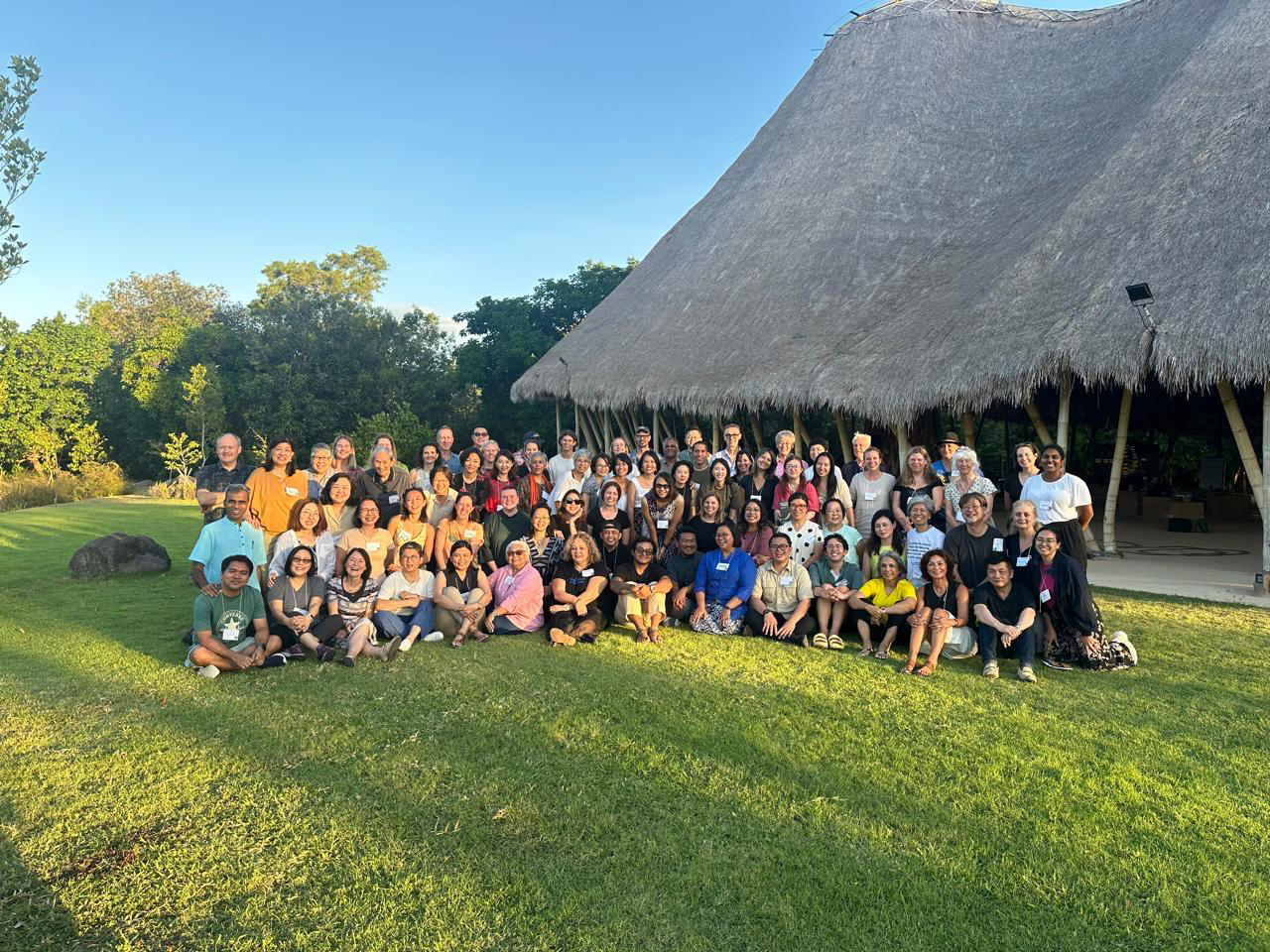
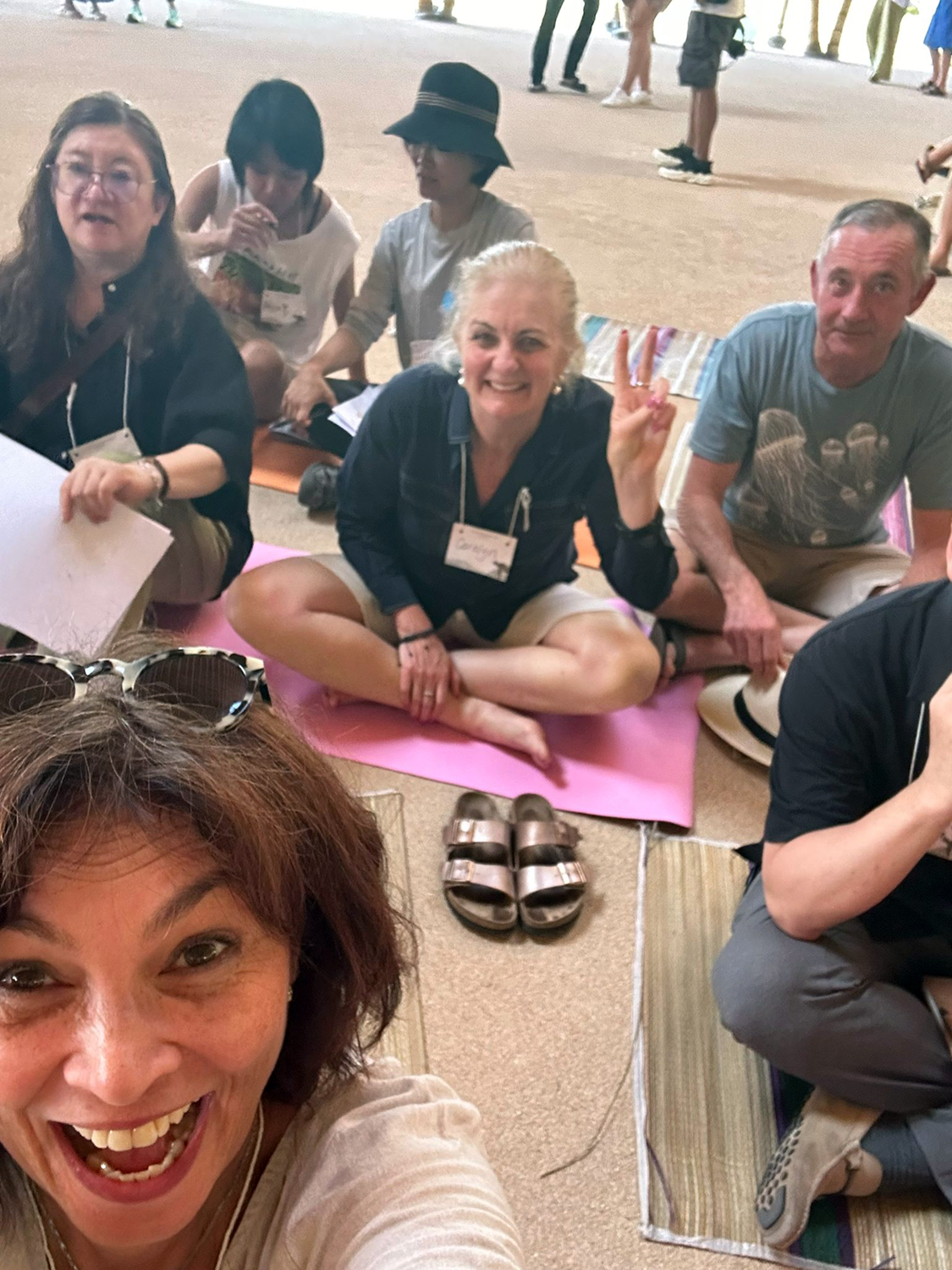
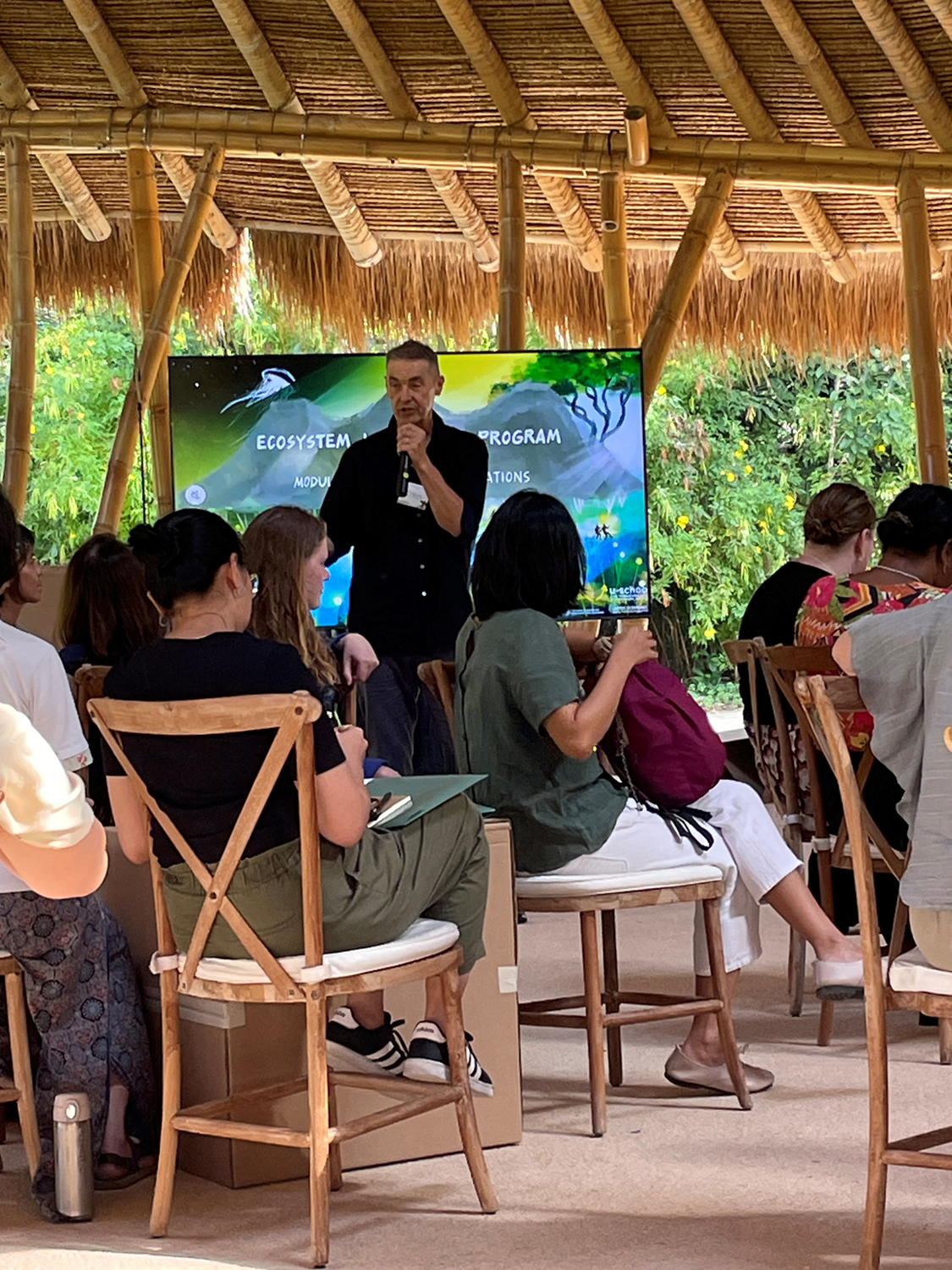
In late August at the invitation and with financial support from Commonland and Mulloon Institute, I attended the Ecosystem Leadership Program Asia Pacific 2024. This course is being delivered via the Presencing Institute and MIT Scholar Otto Sharmer who developed Theory U as a change framework and set of methodologies that have been used by thousands of organisations and communities worldwide to address our most pressing global challenges: climate change, food systems, inequality and exclusion, finance, healthcare and education. Module 1 of 3 was an intensive in-person program in Bali where I joined 85 other change-makers and innovators from across various sectors in the Asia Pacific including a contingent of folk from WA, Melbourne and Canberra. The goal is to activate and support a global movement for planetary healing and societal regeneration. All of us came away feeling the potential for us to contribute to the transformational social change required to heal our landscapes and societies.

Ecosystem Leadership Program Asia Pacific 2024

We have also been working with the German-based Economics of Land Degradation (ELD) who have been commissioned by the United Nations University to develop case studies from across the world for the Global Drought Resilience Report. Chris Inskeep and Richard Savage have been preparing the Mulloon Rehydration Initiative Case Study for inclusion in the report. The Mulloon Case Study will be presented at COP 16 of the Convention to Combat Desertification (UNCCD) in Riyadh in Saudia Arabia in December 2024.

This global recognition comes in anticipation of the Global Nature Positive Summit in Sydney on 8-10 October 2024 which we look forward to attending.

As an organisation, despite setbacks and challenges of the deepest sadness, we “keep up the good work” and in doing so, become stronger and more resilient as a team and as an organisation.   
Ecosystem Leadership Program Asia Pacific 2024

Ecosystem Leadership Program Asia Pacific 2024

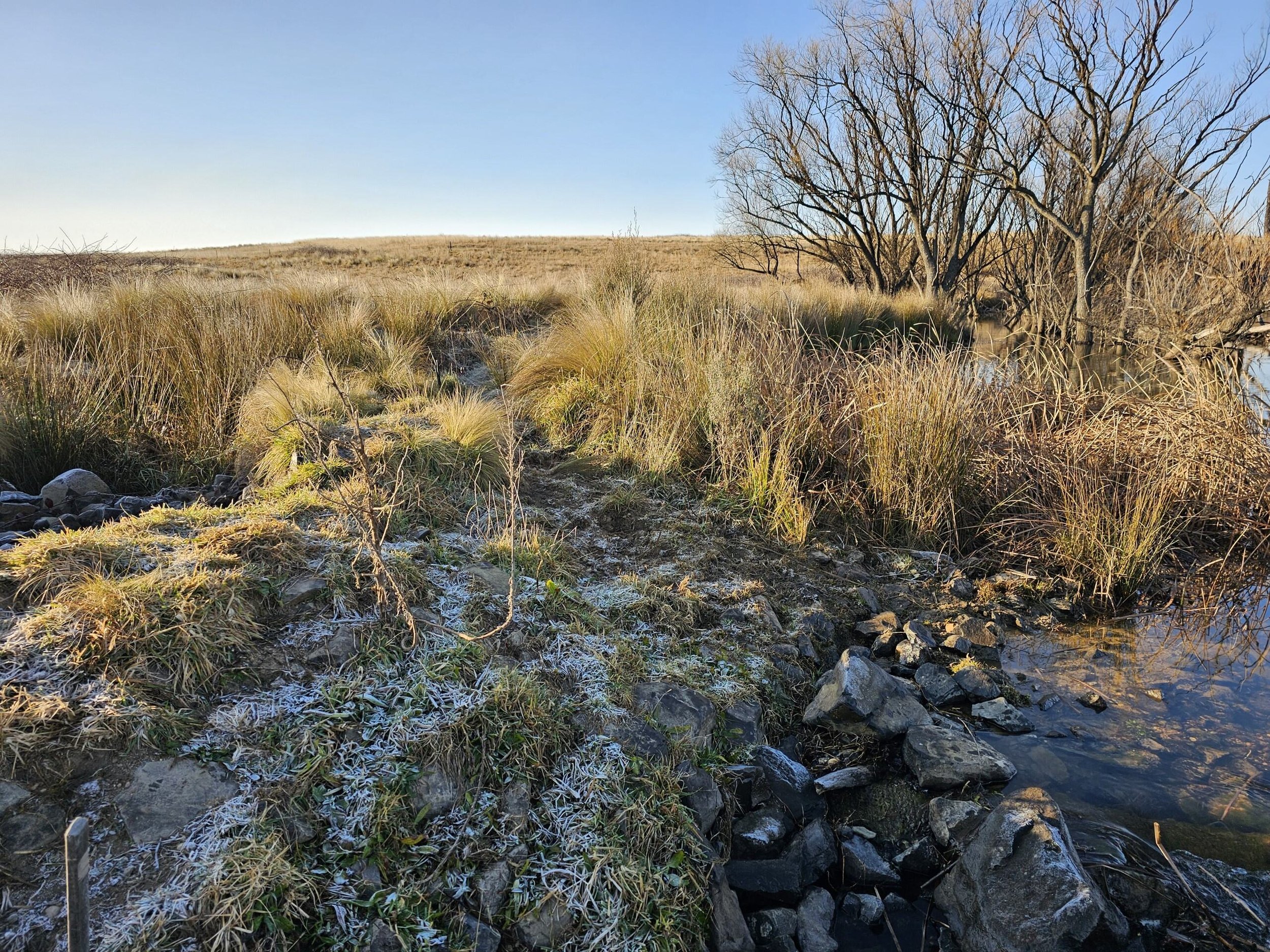
There have been some fresh starts and windy days out at the Farm recently.

Some of the recent highlights from the team include:

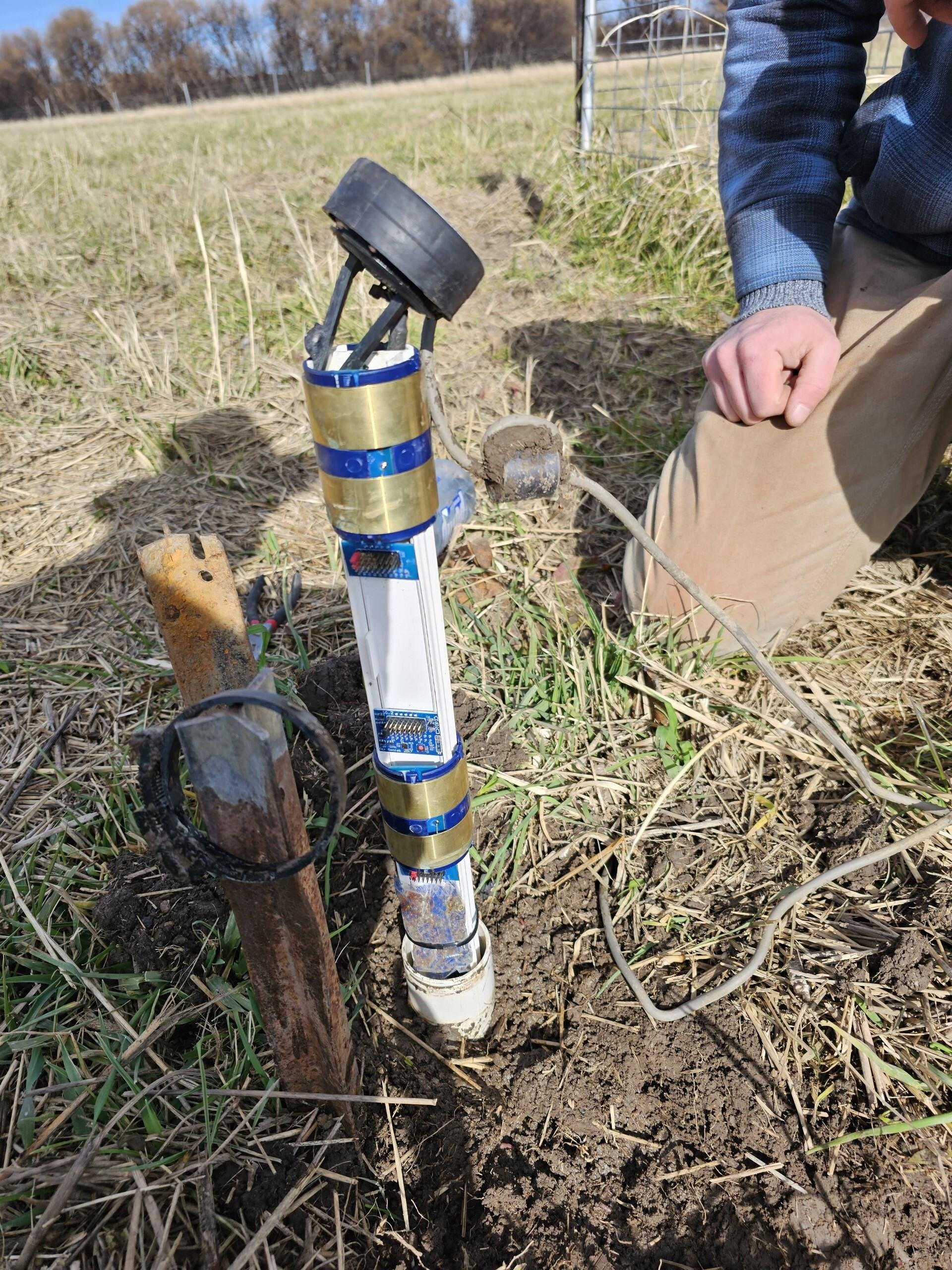
  • We’re currently in the process of doing the quarterly Download and Maintenance run for the Instrument Array and conducting a site mapping exercise.

  • We’ve established the new Sandhills stream gauging station after the one that was there was washed away during a flood event on Boxing Day.

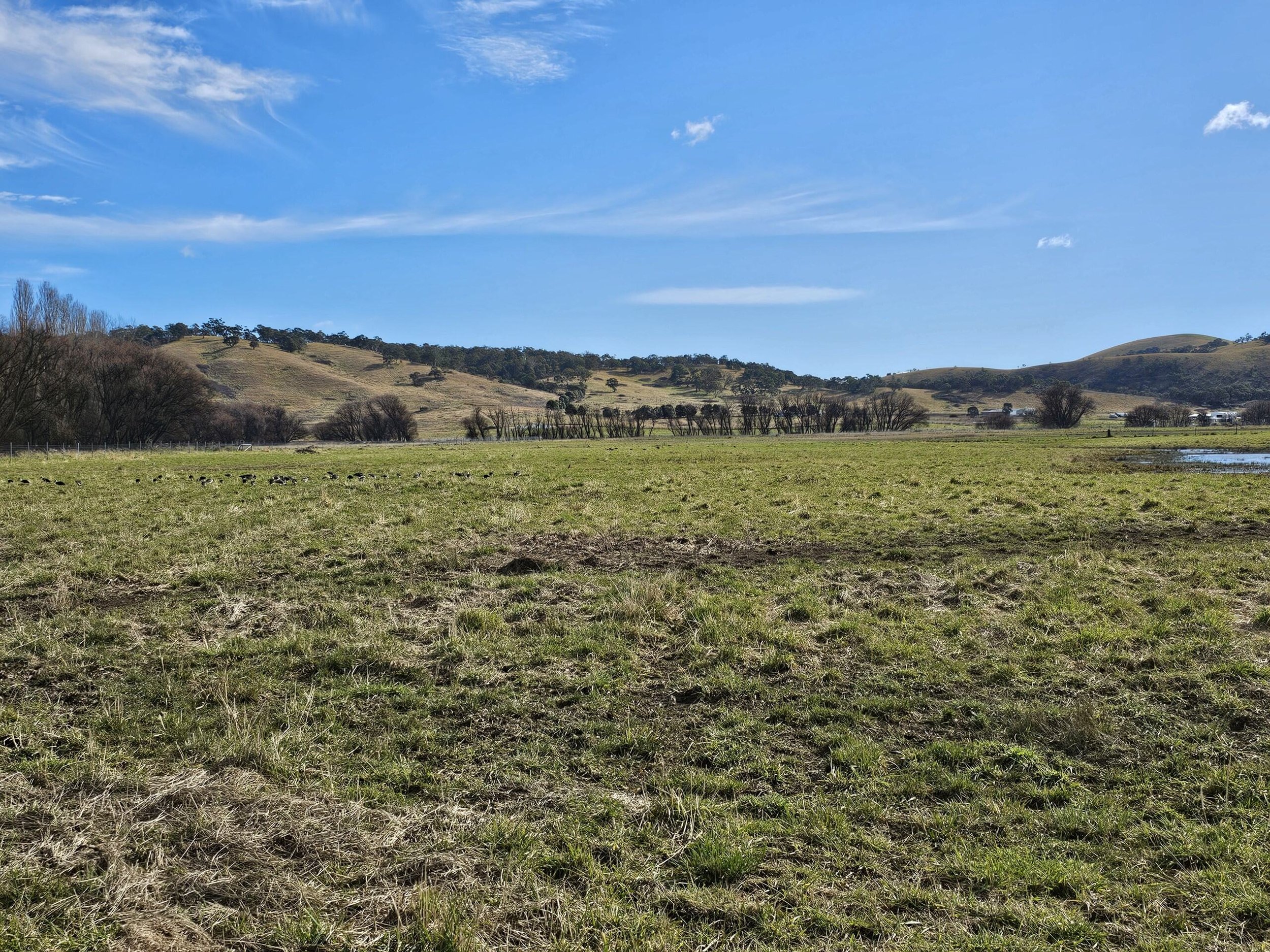
  • We were visited by a flock of Straw-necked Ibis (Threskiornis spinicollis) in August.

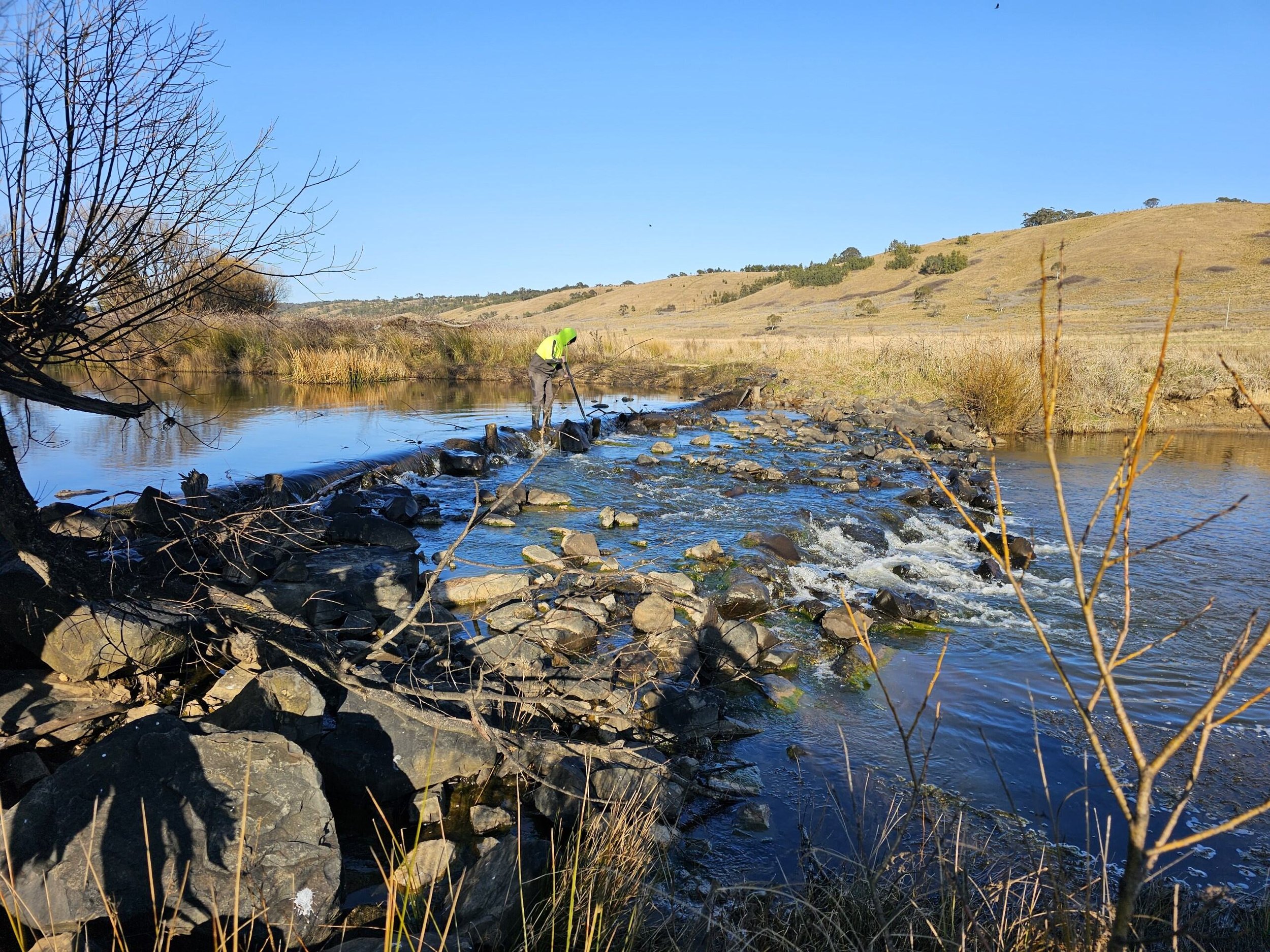
  • We’ve been monitoring the structures (like the one Max is pictured checking) using our Structure Health Assessment system.

Max using our Structure Health Assessment system.

The new Sandhills gauging system

Straw-necked Ibis (Threskiornis spinicollis) – integrated pest management in action on the Mulloon floodplain

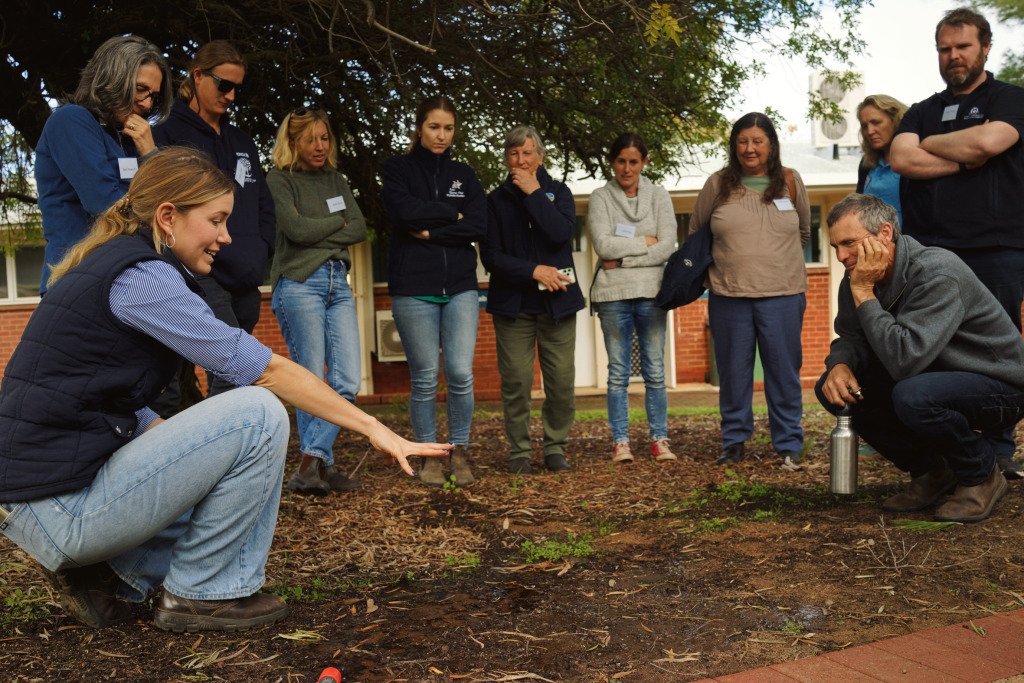
Reading water in landscapes at the micro level with Mulloon’s Erin Healy

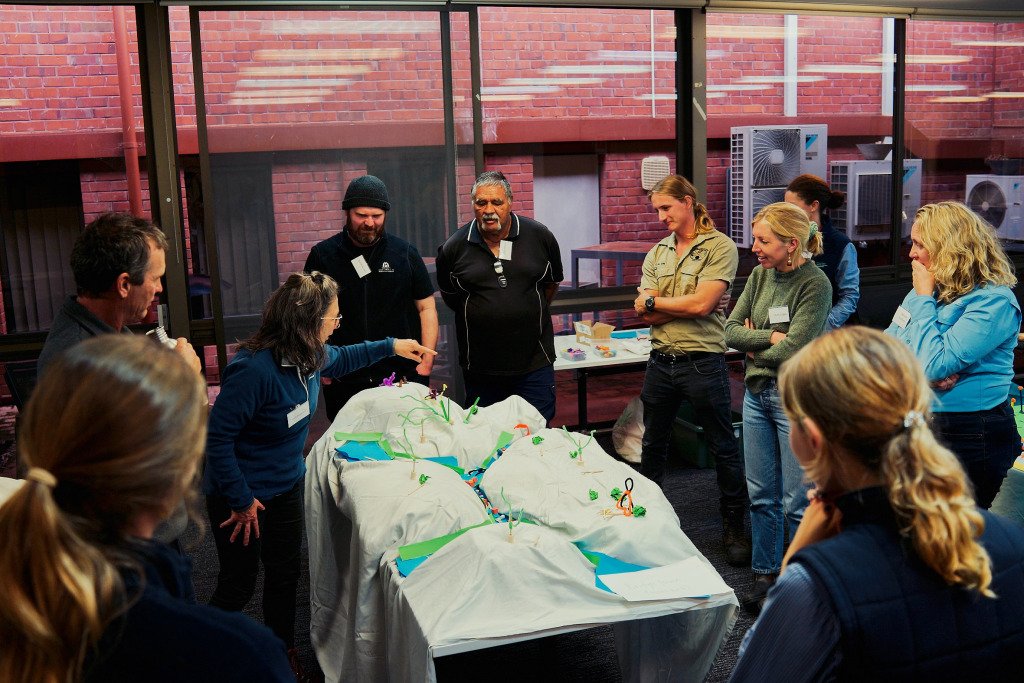
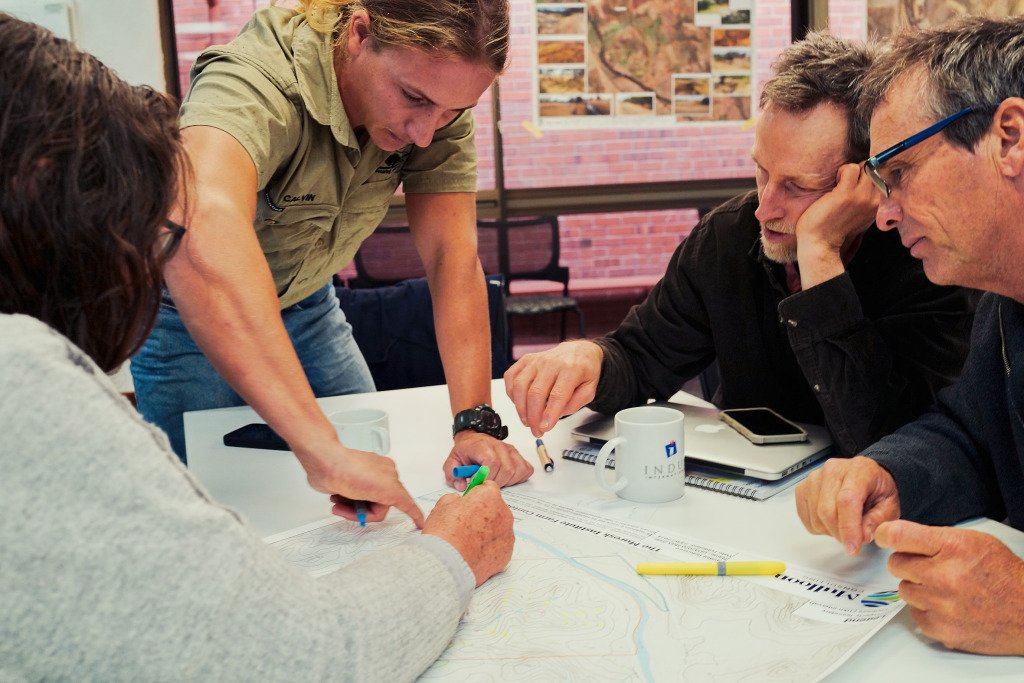
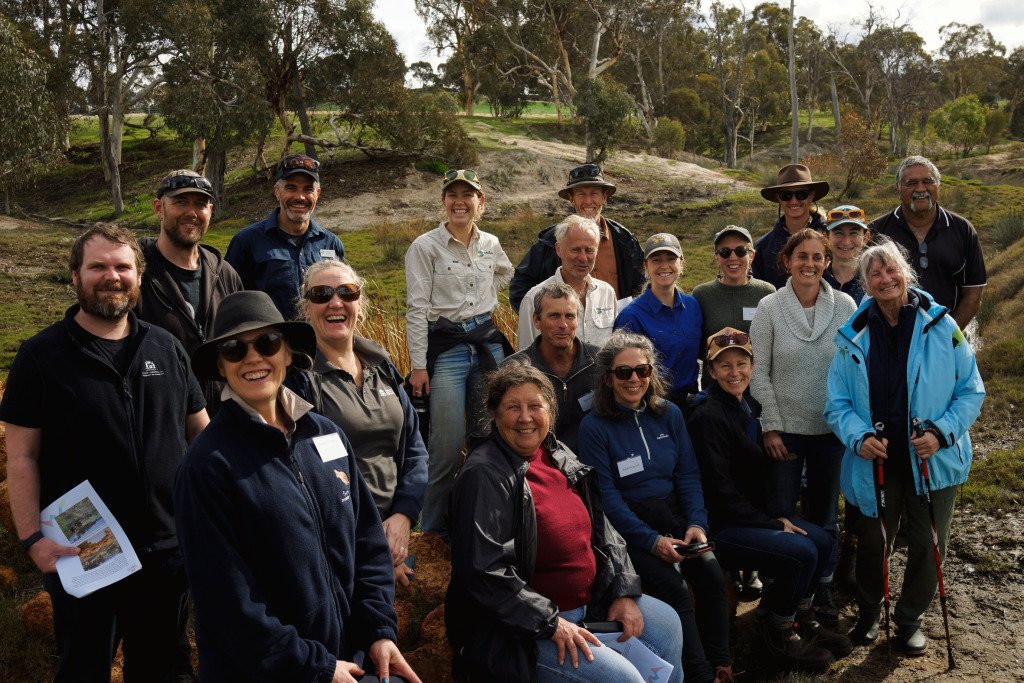
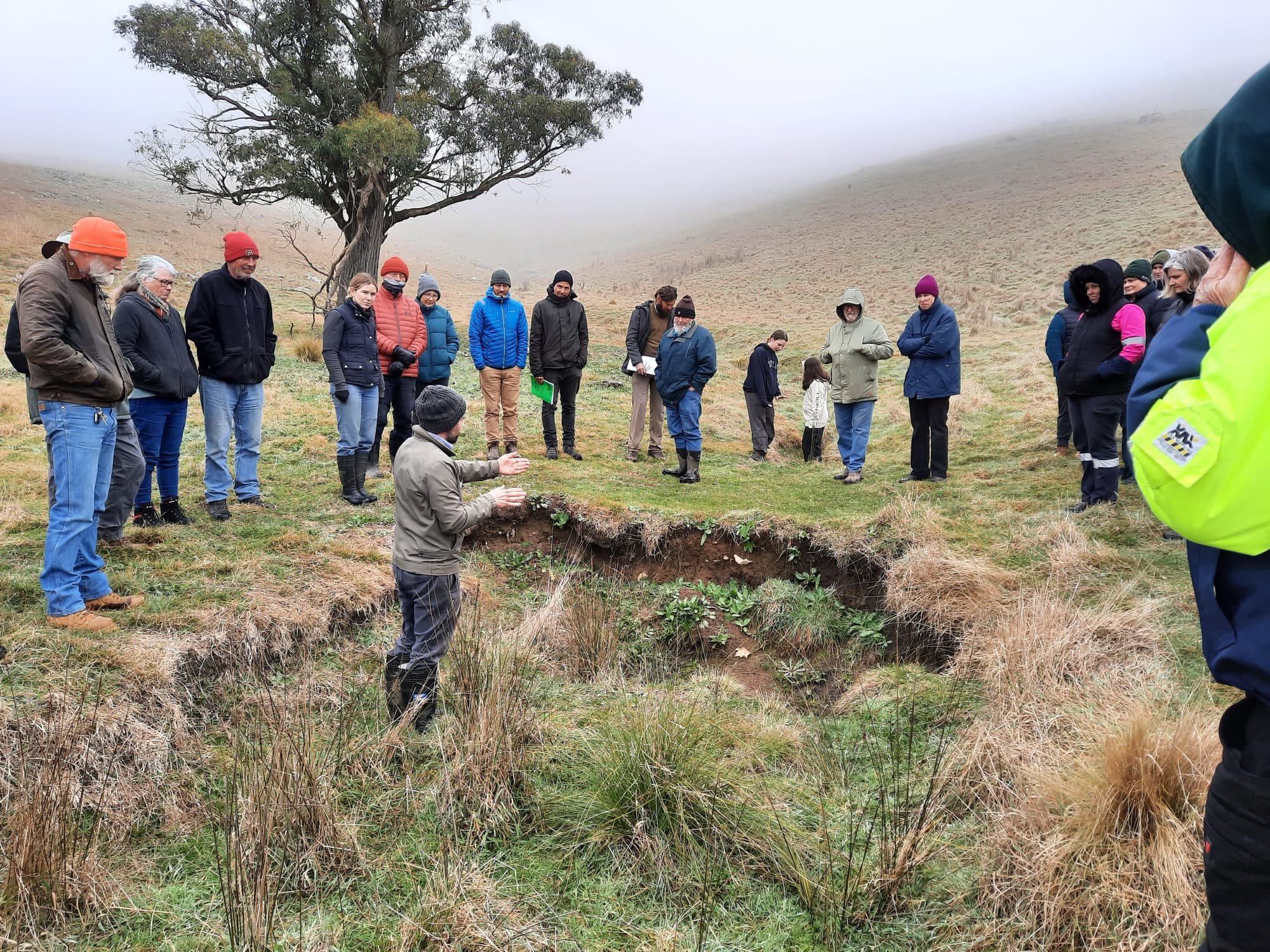
Mulloon Institute recently hosted an action-packed four-day intensive course on landscape rehydration at Muresk Institute in the Western Australian wheatbelt. This event brought together a dynamic group of 20 natural resource management (NRM) professionals, all eager to share knowledge and inspire positive change in their communities. 

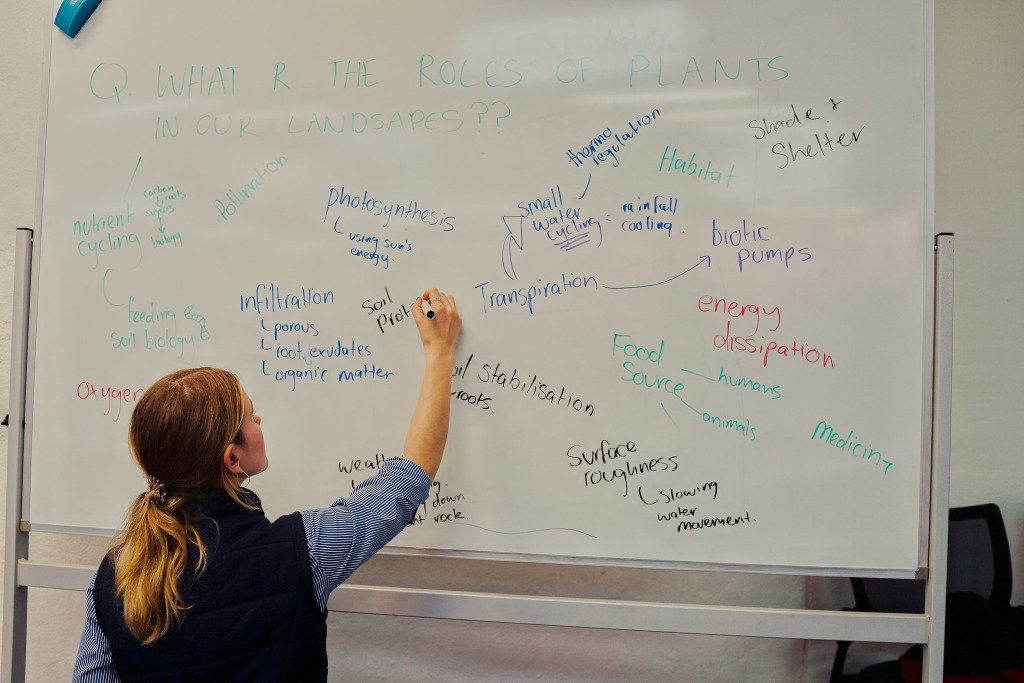
Facilitated by Landscape Planners Lance Mudgway and Erin Healy, the course delved deeply into both theoretical and practical aspects of landscape rehydration. Participants engaged in comprehensive discussions and hands-on activities addressing critical challenges such as salinity, waterlogging, erosion, and climate change. 
Reading water in landscapes with models in the classroom

The energy and enthusiasm displayed by the participants were truly remarkable. Their diverse backgrounds and shared commitment to sustainable land management fostered an environment rich in collective wisdom and passion. This collaborative spirit promises to yield significant positive impacts as participants apply their newfound knowledge and form emergent communities of practice. 

We also would like to express our gratitude to NRM professional and photographer Amber Bateup for capturing the essence of the event through her stunning photographs. 

Mulloon Institute remains committed to advancing sustainable land management practices and looks forward to witnessing the continued growth and success of our participants as they implement these vital strategies in their respective landscapes. 

The Professionals Intensive curriculum has been developed with the support of the NSW Government, through its Environmental Trust. The delivery of this pilot was supported by the Australian Government’s Future Drought Fund, through the Communities of Practice Project (CoPP). 

Brainstorming session at the whiteboard

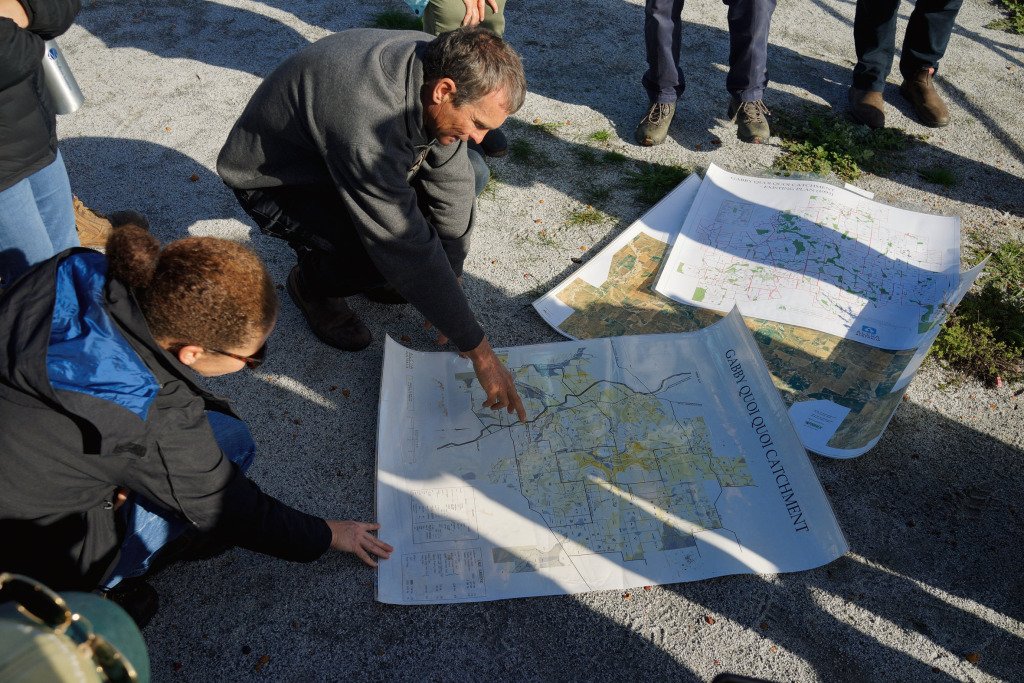
All eyes on maps

Fabulous group of NRM professionals ready to take their newfound knowledge back to their communities

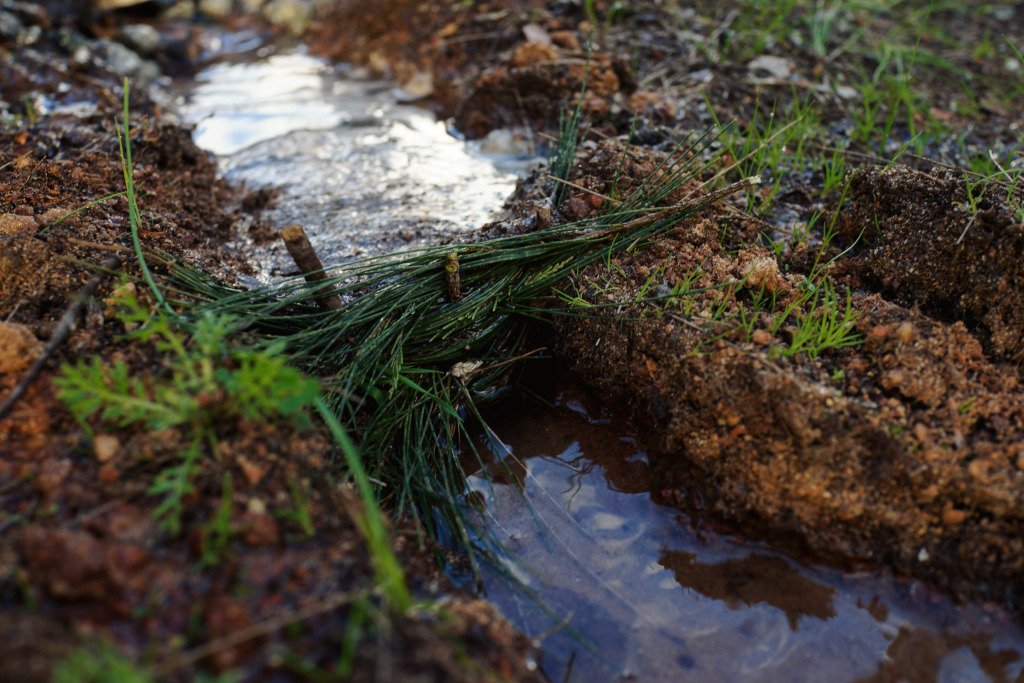
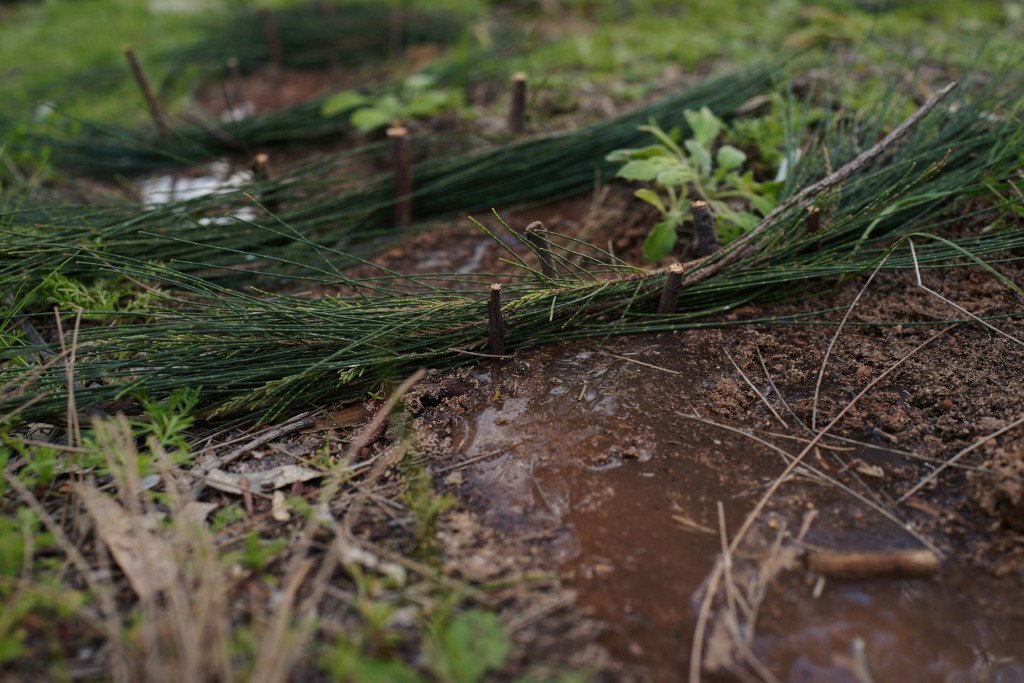
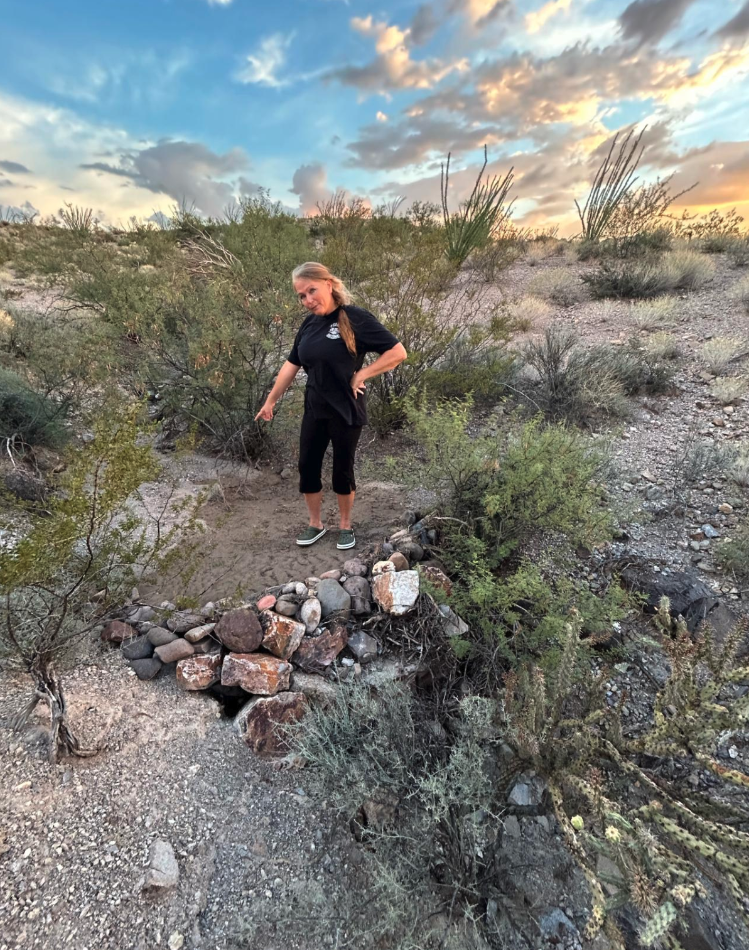
Micro brush-pack model – structures that mimic the functioning of naturally occurring fallen branches.

Micro brush-pack model – structures that mimic the functioning of naturally occurring fallen branches.

Outdoor map session – looking at the bigger picture

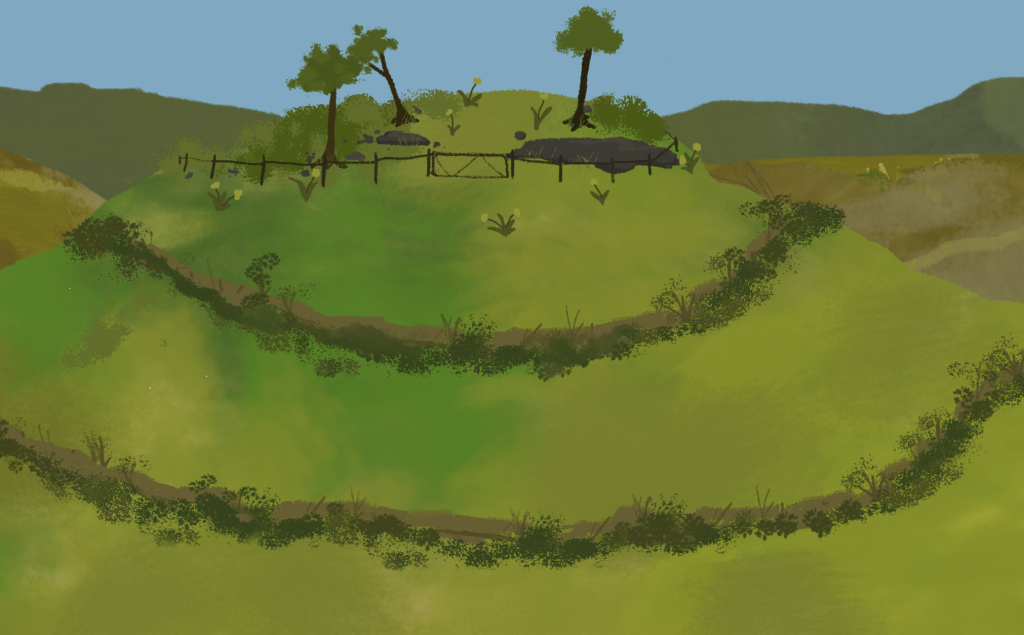
Draft animation frame. 

We are moving at pace towards the launch of three more animations to add to our ‘Water in Healthy Landscapes’ series!

In this case, we are thrilled to be collaborating with Dr Laura Norman, Supervisory Research Physical Scientist at the US Geological Survey. Norman’s award-winning research has contributed enormously to our understanding of natural infrastructure’s catchment-wide benefits. She also works with several water-focused cooperatives in the US and Mexico and has raised awareness of the deep history of Indigenous people’s use of natural infrastructure in arid and semi-arid environments. The scripts and concepts for these animations were the fruit of a terrific brainstorming journey involving Mulloon’s Laura, Erin, Peter with Laura Norman! 

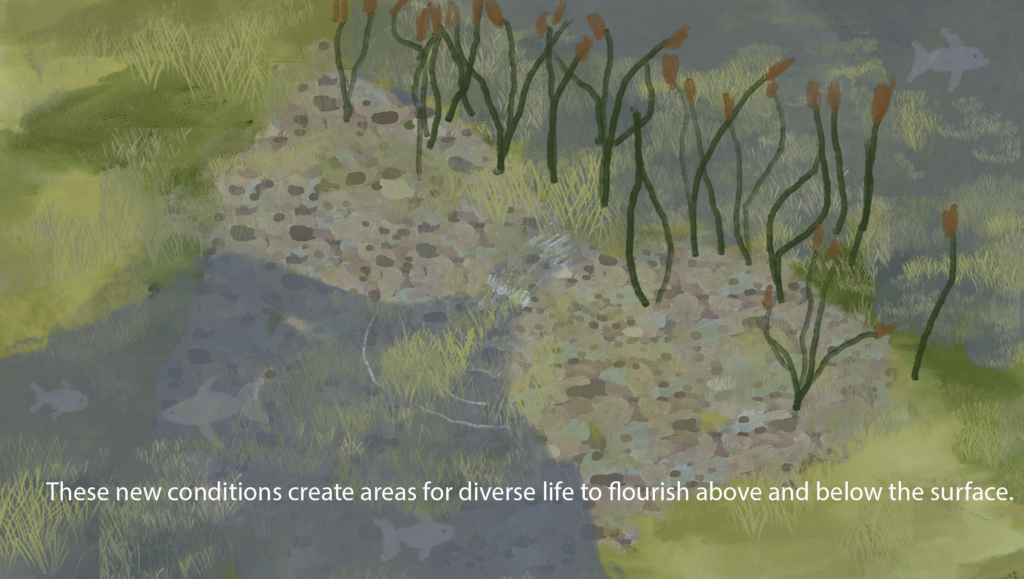
The focus of these animations is how natural infrastructure and land management adaptations can build whole-of-landscape resilience over time. Once again, we are working with the talented Timothy Lee and David Lobb, who are harnessing all the tricks animation has to offer to peel back the layers of landscape and bring nature’s intricate patterns to life. 

This animation series has been developed as part of the Mulloon Institute’s Communities of Practice Project and received funding from the Australian Government’s Future Drought Fund.  

Dr Laura Norman

Draft animation frame. 

Draft animation frame. 

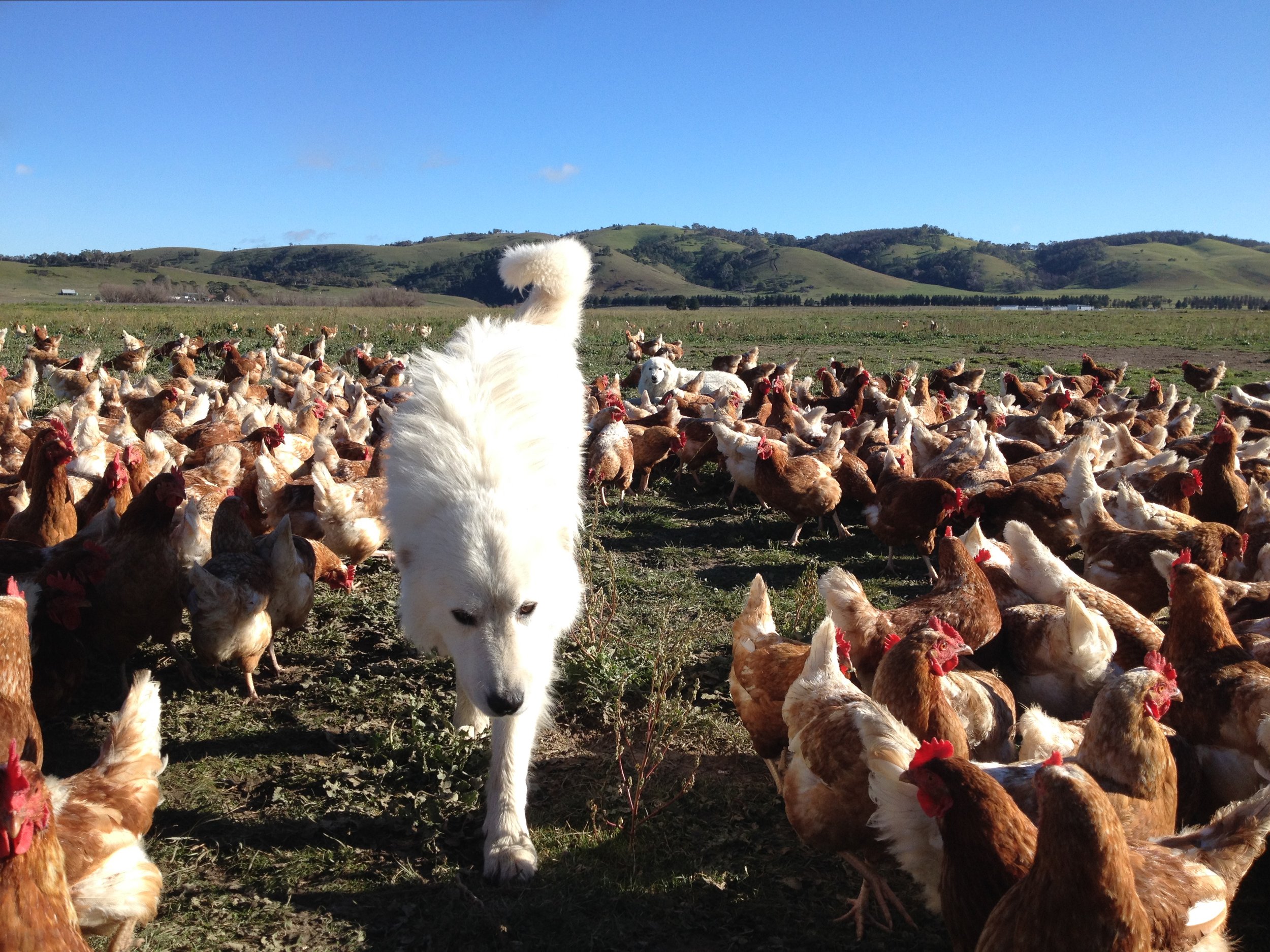
The MCNF flock rotations are back on track after the devastating floods last December, and biosecurity has been increased.

Winter seasonal conditions have been relatively mild, considering the number of heavy frosts and wet days being recorded. Rainfall over the winter started well above average during June and finished well below in August, giving an overall average rainfall for the winter period. The rolling average rainfall remains high with both farms over 1,000mm.

The cows started calving in late winter to Bongongo bulls and, with all cows now having been bred on Mulloon Creek Natural Farms, a noticeable difference to our calving has been observed with no issues and a very tight calving window being achieved. The heifer weaners maintained growth over winter and will have little trouble joining on a rising plan of nutrition in early Spring. The heifers continue to be rotationally grazed around the better feed on Duralla but will soon make their home on Mulloon.

The poultry enterprise continues to recover from the floods that we experienced on Boxing Day, 2023. The fencing program is well advanced and while it will be ongoing we are now ahead of the flock rotations.

The outbreaks of bird flu in Victoria, NSW and the ACT is very concerning, and our biosecurity has been increased with access to the production area being restricted. The potential from contracting diseases from wild birds remains our greatest threat and with this in mind MCNF will be upgrading our mobile sheds to assist in reducing wild bird interaction.

Here’s hoping for typical weather conditions and uneventful Spring!

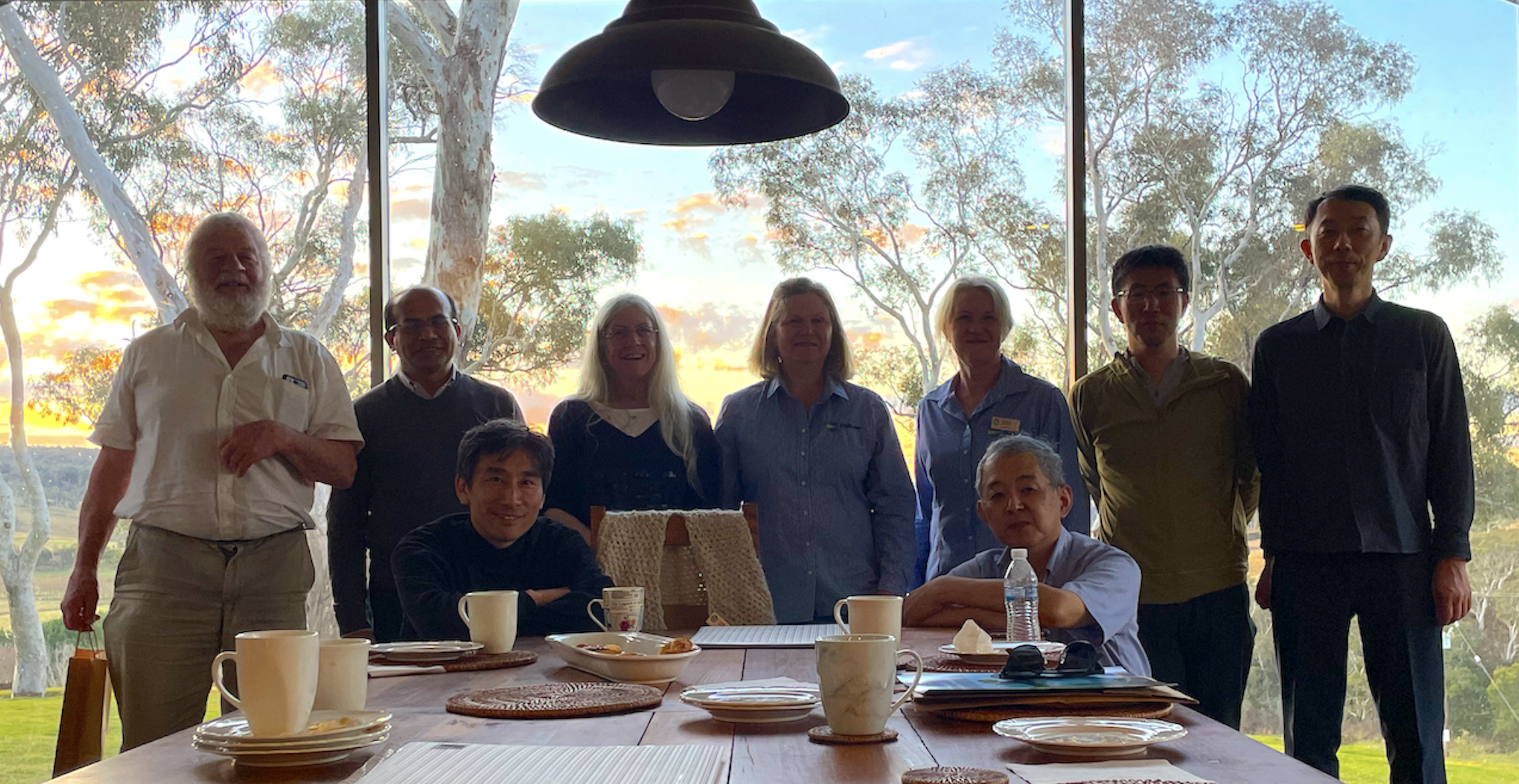
In mid-August, Mulloon’s Executive Landscape Planner Nolani McColl took an international group hosted by Global Landcare’s Rob Youl to visit the Mulloon Rehydration Initiative in the Mulloon catchment in southern NSW.

The group included Japanese academics from Nanzen University: Doctors Kazuki Kagohashi, Tetsuya Yamada, Masahiro Hoshino and Hideo Oyagiand as well as Professors Steve Mere and Taro Okuda. Jen Quealy from National Landcare Network and an old friend of the late Tony Coote also attended.

We had a terrific afternoon, finished off with afternoon tea at the Homestead prepared by Mulloon Board member and COO Kathy Kelly.

If a private guided tour of the Mulloon Rehydration Initiative for yourself, a local group or community is something you’d like further information on, please email nolani@mullooninstitute.org to discuss.

Nature Glenelg Trust’s Ben Taylor presenting to 11ASM conference participants.

Earlier this month, Mulloon Consulting’s GM Jono Forrest presented at the 11th Australian Stream Management bi-annual conference in South Australia. 

Some key points he has shared with us from the 3-day conference include:

  • Incorporating First Nations knowledge into water management is crucial, with a focus on embedding these perspectives into every phase of project planning and execution. 
  • Reflecting on experiences, rather than just experiences themselves, is essential for true learning. 

  • Relative Creative is currently working on a project that merges Indigenous knowledge with technical water management, crafting a comprehensive ‘water story’ that honours both traditional and modern practices. We’re eagerly awaiting the outcome of this project.

  • Tools like Truii’s ‘Natural Capital Region’ are worth exploring for broader applications, and they present the potential for expanding tools such as the Catchment Rehydration Selection Tool CReST in other regions.

  • The conference also showcased innovative approaches, such as Nature Glenelg Trust’s work with sandbag interventions in the Fleurieu Peninsula and award-winning presentations. Ross Hardie’s Cann River monitoring project (Alluvium) was recognised for its engaging storytelling, while Kirstie Fryirs’ paper regarding nature-based river management earned accolades for its structured approach. These examples emphasise the importance of effective communication and innovation in water management practices.

The paper presented by Jono at the event, Land Restoration and Water Stewardship with the Swan Brook Community of Practice, can be downloaded here.

We’re hopeful of our participation at the 2026 ASM conference, which will align with our 20-year anniversary since the first pilot of the Mulloon Rehydration Initiative commenced. Lots to look forward to!

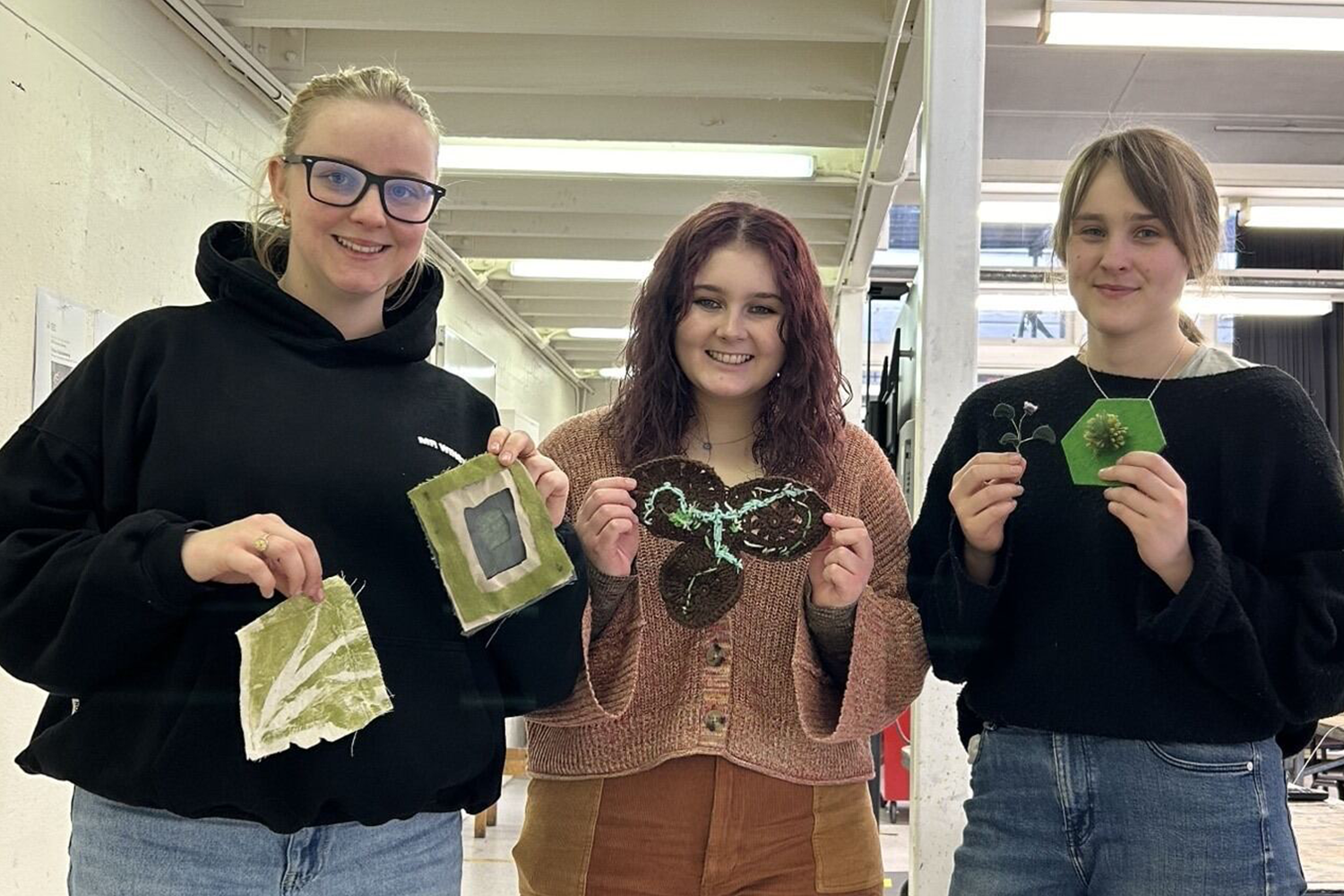
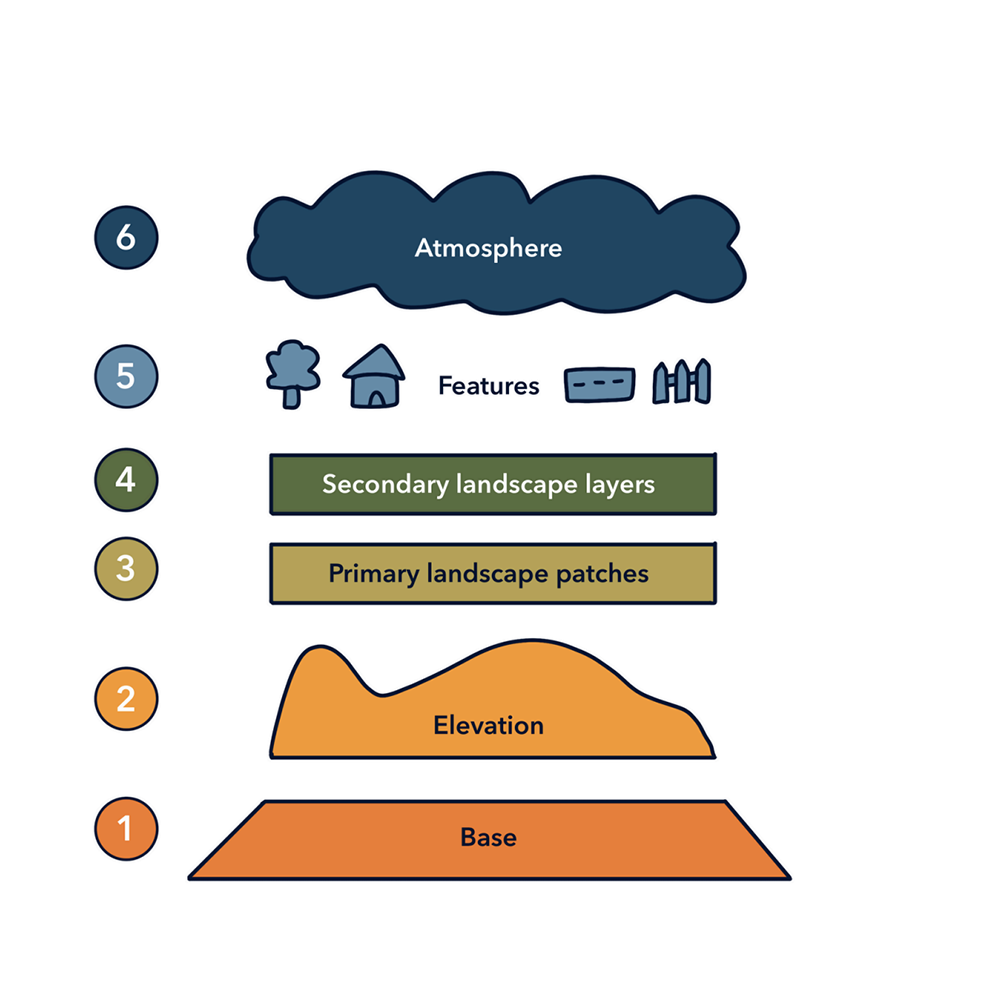
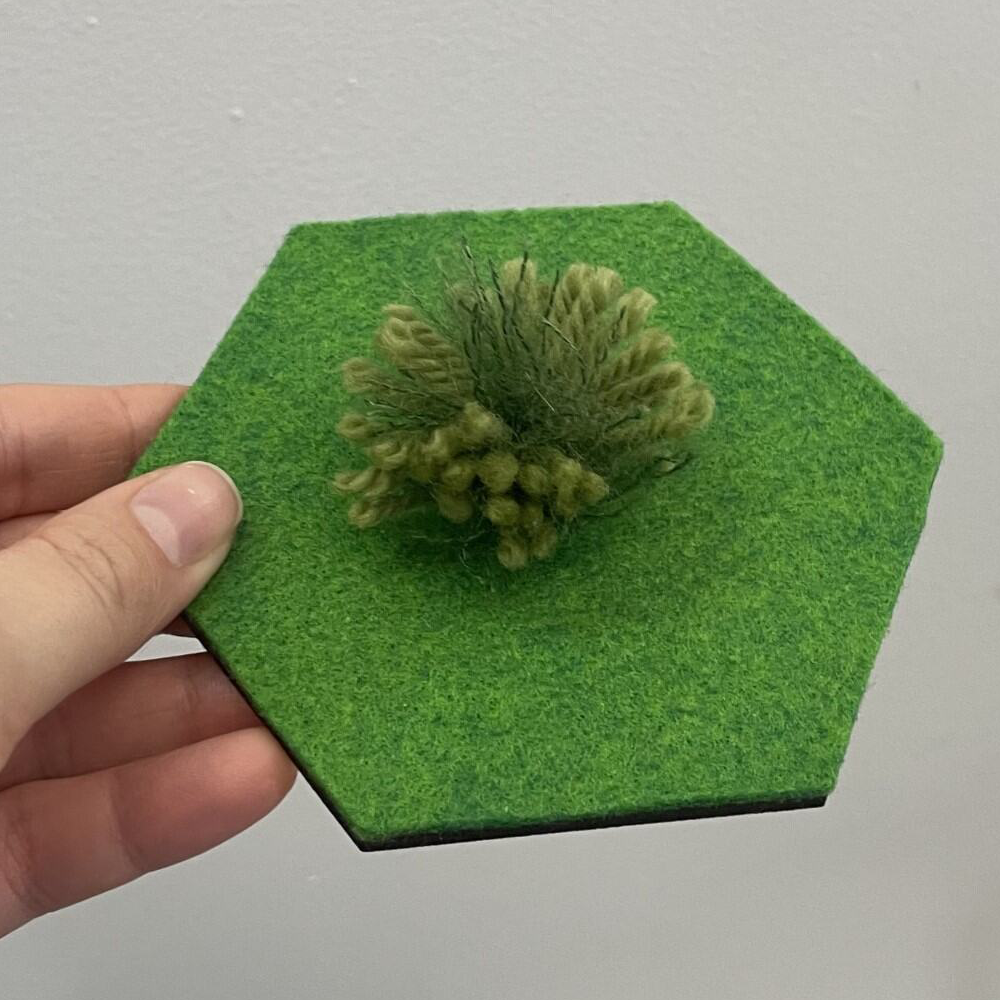
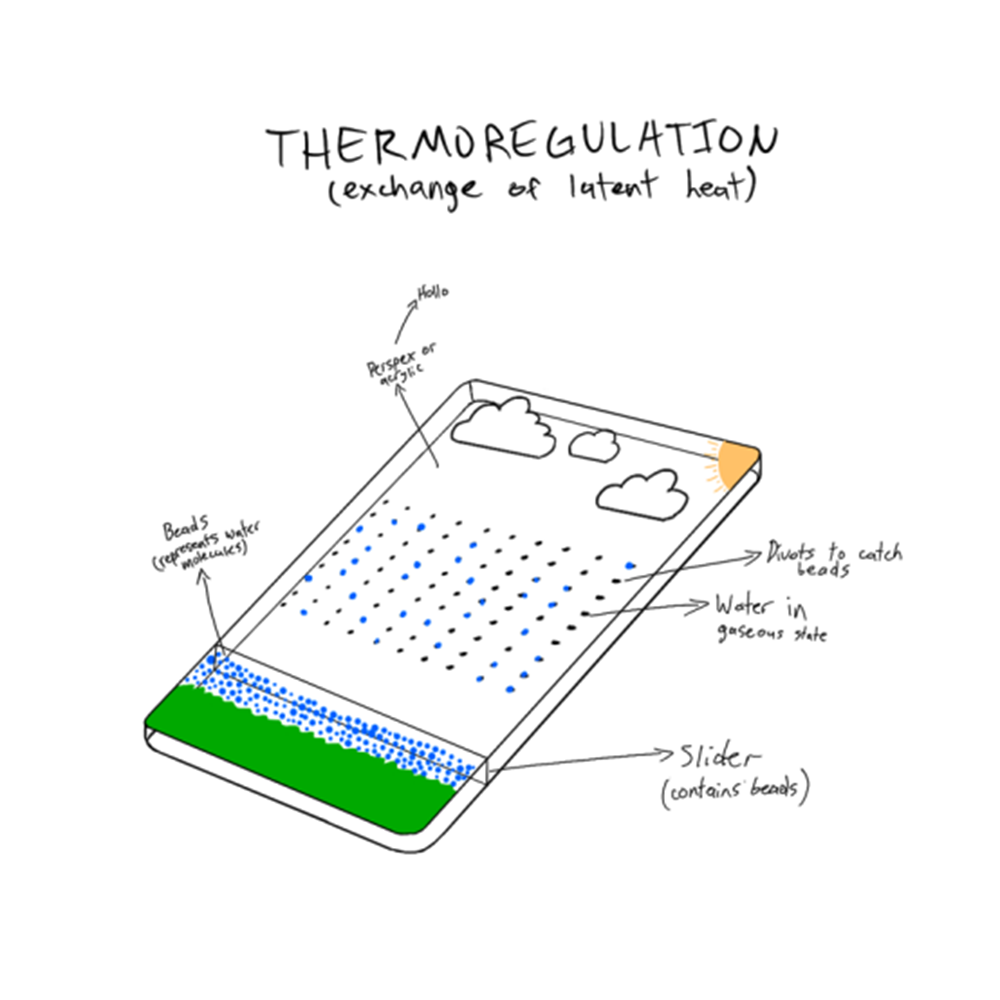
It’s that time of the year again when we get to work with fabulous students enrolled in ANU’s School of Art and Design. This time we have two student teams. One will develop prototypes for an interactive fabric landscape systems kit, and the other team is devising a way to model the thermodynamic properties of water – so vital to buffering the sun’s powerful energy in our landscapes.  

Their concepts so far are thoughtful and inspiring, featuring invisible ink, crochet, a stress ball, dioramas, beads, arduino electronics and magnets – and reflect amazing skills in digital and clay modelling, electronic object design, glass, printing, textiles and visual arts – we can’t wait to see how the projects evolve. 

Thank you Ruby Davies, Ali Mencshelyi, Tilda Blackbourn-Rooney, Amy Fisher, Sarah Turner and Henry Canavan for diving deep into these challenging briefs!  

Mulloon Landscape Planner Jack Smart explaining a headcut to AMMO members on a chilly day

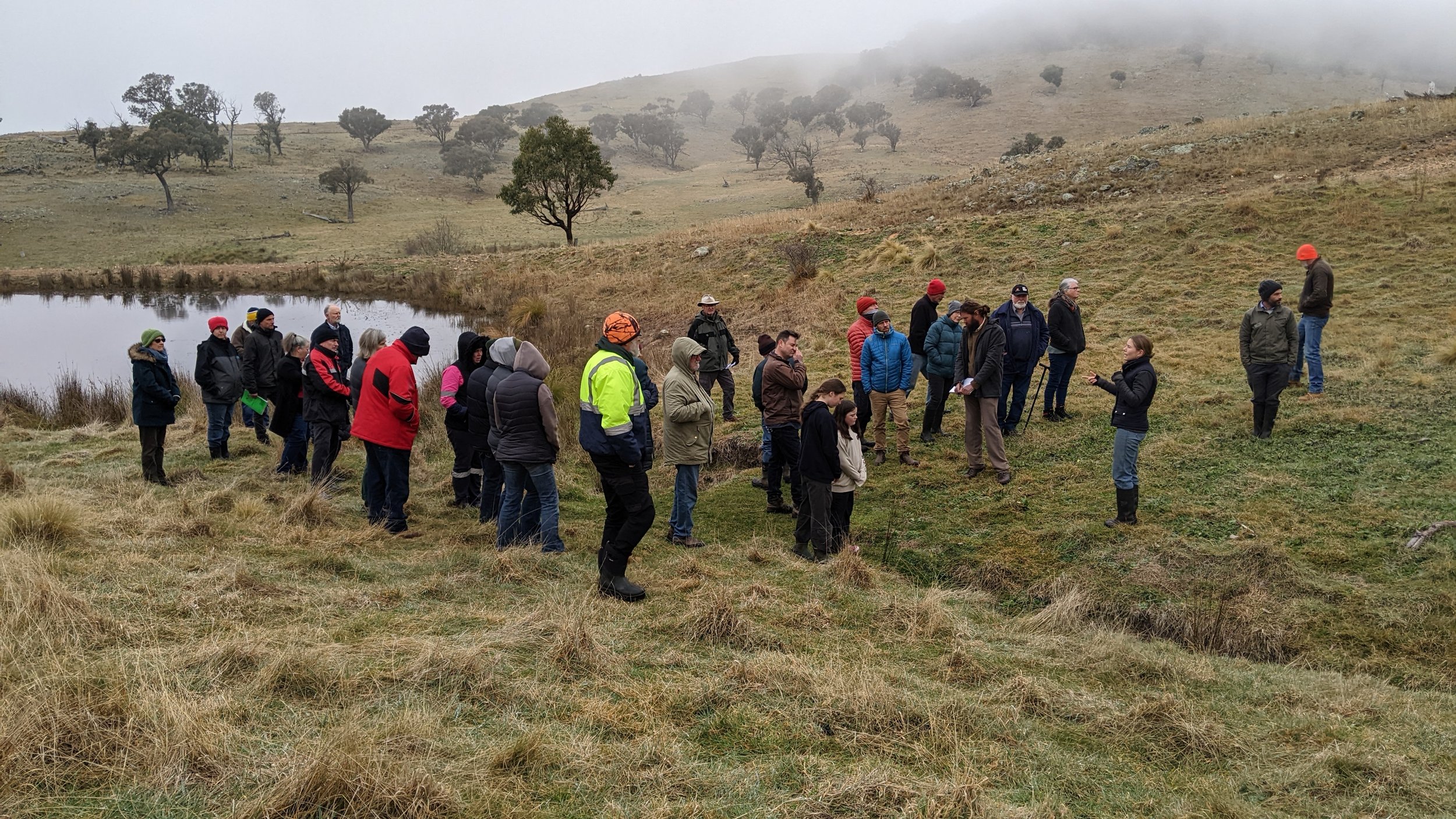
Mulloon Institute and the Australian Mohair Marketing Organisation (AMMO) recently presented a Landscape Rehydration Introductory Workshop at Spring Range near Canberra. With support from the Australian Government’s Future Drought Fund, the workshop forms part of the Australian Mohair Industry Drought Resilience Implementation Plan.  

This was the first of two free workshops, with the next one coming up later this year near Toowoomba, Queensland. Keep an eye on our EVENTS page and socials as more details for that workshop are released.

As a mohair producer and Mulloon Executive, Nolani McColl enjoyed getting out of the office to enjoy the team presenting the fundamentals of landscape rehydration/restoration, with over 30 growers and community members in attendance.

The event was kindly hosted by Nick and Kate Gorrie of Dulark Angora Stud.

Mulloon Landscape Planners Erin Healy and Jack Smart work through design principles for landscape rehydration.
Erin Healy presenting in the paddock.

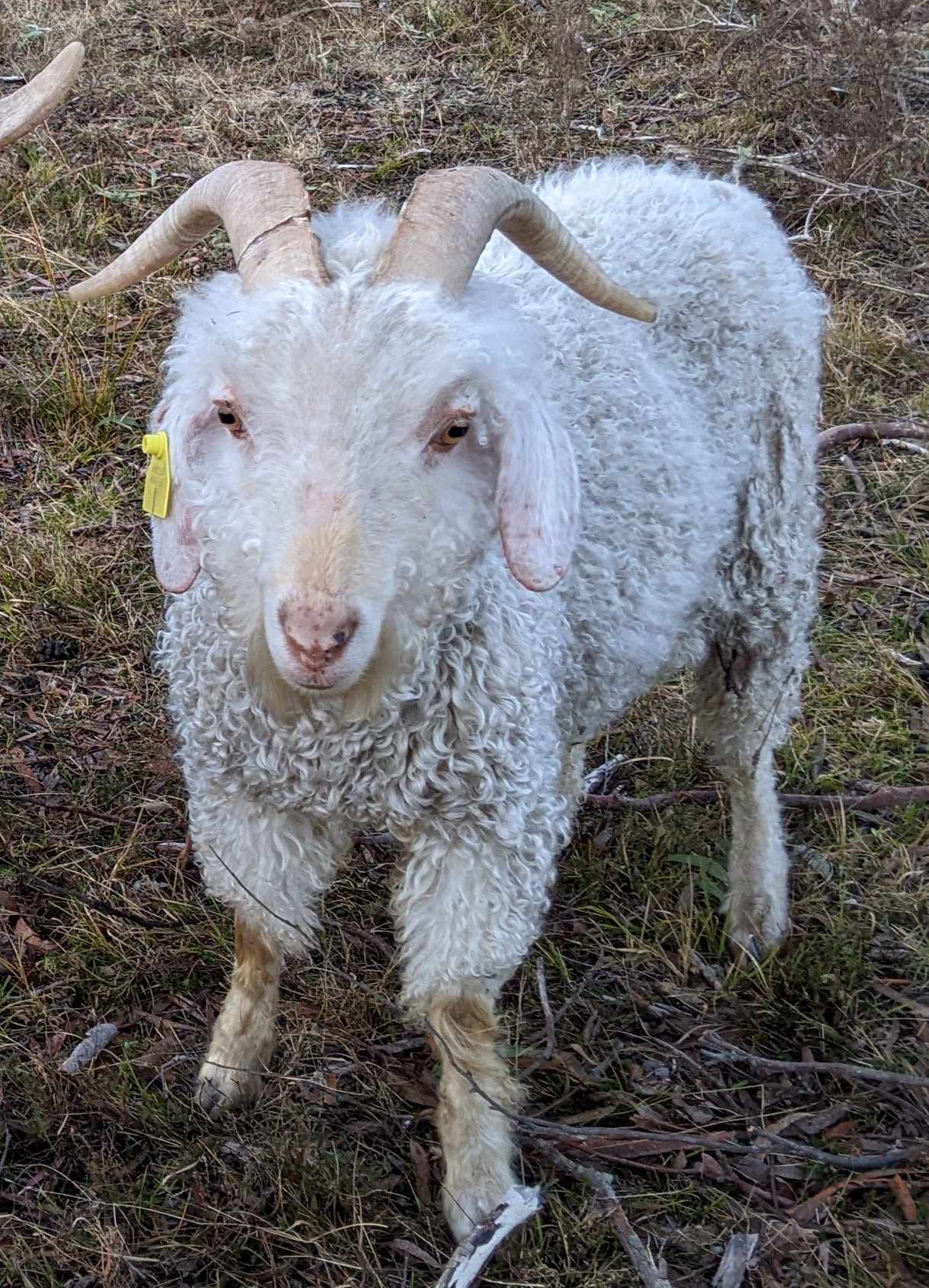
Mohair buck, Romeo.

Jack discusses erosion and Erin explains sodic soils.