Gary at Home Farm, Bungendore, 2023.

With heavy hearts, we inform you that our former Chairman the Hon. Gary Nairn AO passed away last Saturday evening at the Gold Coast Private Hospital.

Gary was surrounded by family including his beloved wife Rose.

Gary had been battling lung cancer for many months.

Gary was a wonderful man and a great leader. He was the heart and soul of our organisation for many years. He worked tirelessly and believed passionately in the work of the Mulloon Institute and its benefits for Australia. We will miss him terribly.

We intend to host a memorial service for Gary at the Mulloon farm in Bungendore in the near future, details will made available as they are confirmed.

If you would like to message Rose and the Nairn family, please email carolyn@themullooninstitute.org and we will pass on your messages.

Vale Gary Nairn – a great Australian who lived his life in service of others.

When Tony Coote established the Mulloon Institute in 2011, he placed science and evidence at the heart of everything we do. 

From the beginning of the organisation, we funded scientific studies and scientists. Scientific study is hard, expensive and takes a lot of time, but this was a visionary decision that is now bearing fruit. 

Tony had the foresight to know that when proposing a radical change in how we care for and manage our country, we needed to change attitudes amongst a naturally conservative and cynical audience (being regional landowners – who are conservative and cynical for good reason). To change the attitudes of professional farmers we needed sound scientific arguments backed by solid scientific evidence. Once that hurdle is crossed (and we are crossing it as we speak), we can then make the economic case as to why this spend is worthwhile for the long-term financial health of the landowner. 

We presented our scientific data from the Mulloon Rehydration Initiative at our inaugural Conference earlier this month. Some of this data goes back to 2006. 

The data is now forming the backbone of our arguments and evidence as to why our techniques should be instituted across Australia. 

This data allows us to confidently say to farmers, academics and government that, based on scientific evidence, a repaired catchment containing our leaky weirs: 

  • increases the volume of water that flows down a catchment; 

  • improves the quality of water in the catchment; 

  • increases the biodiversity of the catchment (birds, frogs, fish and invertebrates); 

  • increases the amount of carbon stored in our soils (hydrated soils are excellent carbon sinks); 

  • improves agricultural productivity and land carrying capacity; 

  • decreases flood power and damage; and 

  • decreases water stress for landholders. 

The scientific evidence presented at the Mulloon Rehydration Conference by Peter Hazell and his scientists provides the whole organisation – the Mulloon educators, lobbyists and consultants – with the intellectual and moral firepower to press our case across Australia. 

We are using the evidence in several fields including approaching Water authorities to make the case that their water quality and filtration budget should be spent not in the dams, but in installing leaky weirs in their catchments. 

So, congratulations to our nerds in gumboots. Our scientists continue to lead and inform our organisation and the success of the recent conference was their success.

Matt
Matt Egerton-Warburton

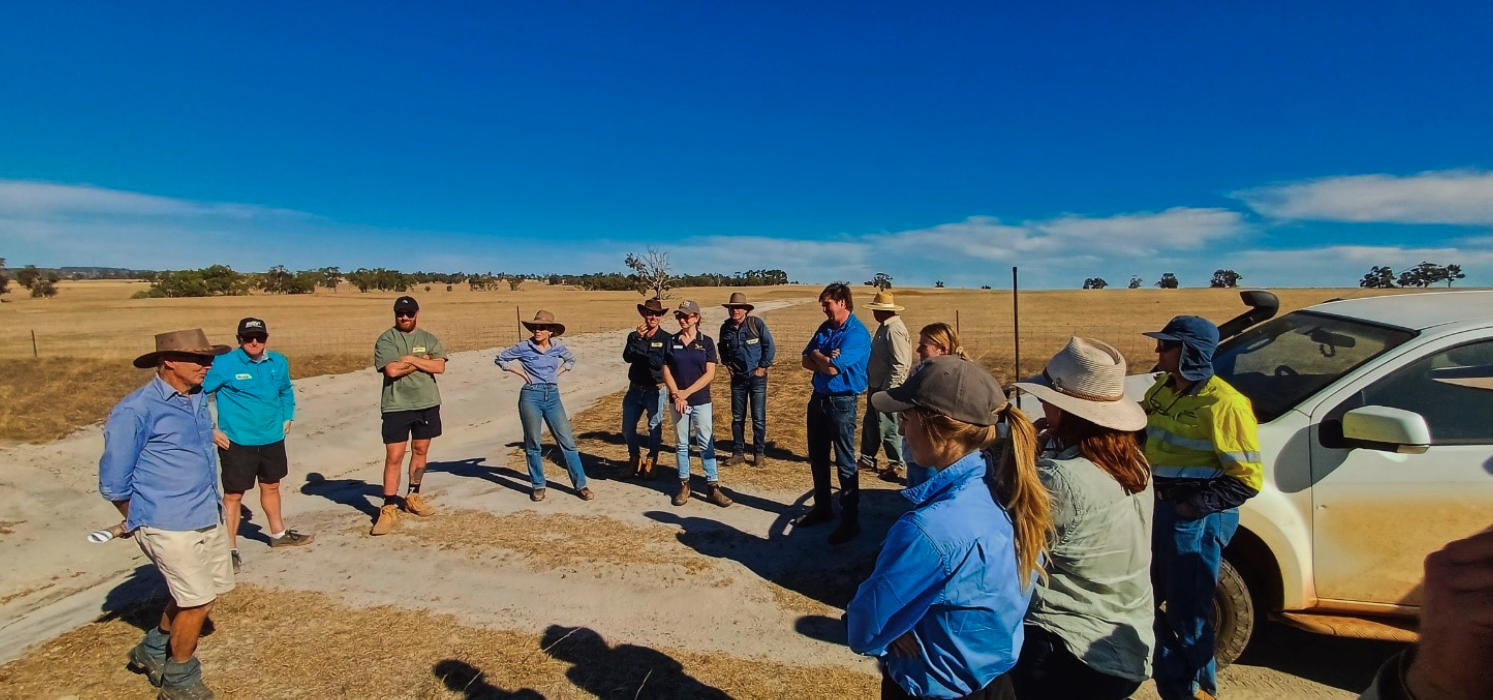
Out in the field in the WA Wheatbelt.  A Mulloon-designed contour bank runs behind the participants. 

The Western Australian Bootcamp took place late March 2024. It was the third in the series of Bootcamps we’re hosting around the country as part of our Communities of Practice Project (CoPP) funded by the Australian Government’s Future Drought Fund. The Bootcamp was supported by RegenWA and Perth NRM.  The NSW and QLD Bootcamps ran in September and November of 2023, and the NT and VIC Bootcamps ran in April and May 2024. 

Twenty-three landholders attended the WA field day at Carrolup, with 16 continuing for the next two days of theory and practical sessions, learning how to improve productivity and drought resilience by restoring the movement, storage and cycling of water on their farms. 

Groups explain the table-models they built to illustrate rehydration structures and techniques. 

WA-based Landscape Planner and Hydrologist Lance Mudgway and Landscape Planner and Environmental Engineer Erin Healy led the participants on the learning journey that introduced a range of skills and knowledge required to do their own restoration interventions in the unique circumstances on their own properties.   

One of the RegenWA participants observed, “Attendees headed out on the Kowald’s farm to see the contour works being done by Mulloon in the context of managing salinity, water retention and reinstating water cycle functions. It was a great opportunity for participants to ask questions and learn about the practicalities of landscape restoration.” 

We look forward to returning to the region in the coming months with one-on-one Mentoring Program property visits as part of the project. 

This project received funding from the Australian Government’s Future Drought Fund. 

Mulloon Institute’s Learning Programs have been developed with the assistance of the NSW Government’s Environmental Trust.

Using property maps to calculate catchment areas, drainage line networks and slopes – essential information for estimating how much water you are working with, and how fast it will flow. 

A practical laser levelling class, surveying the long section and cross sections of a waterway to find strategic locations for structures. 

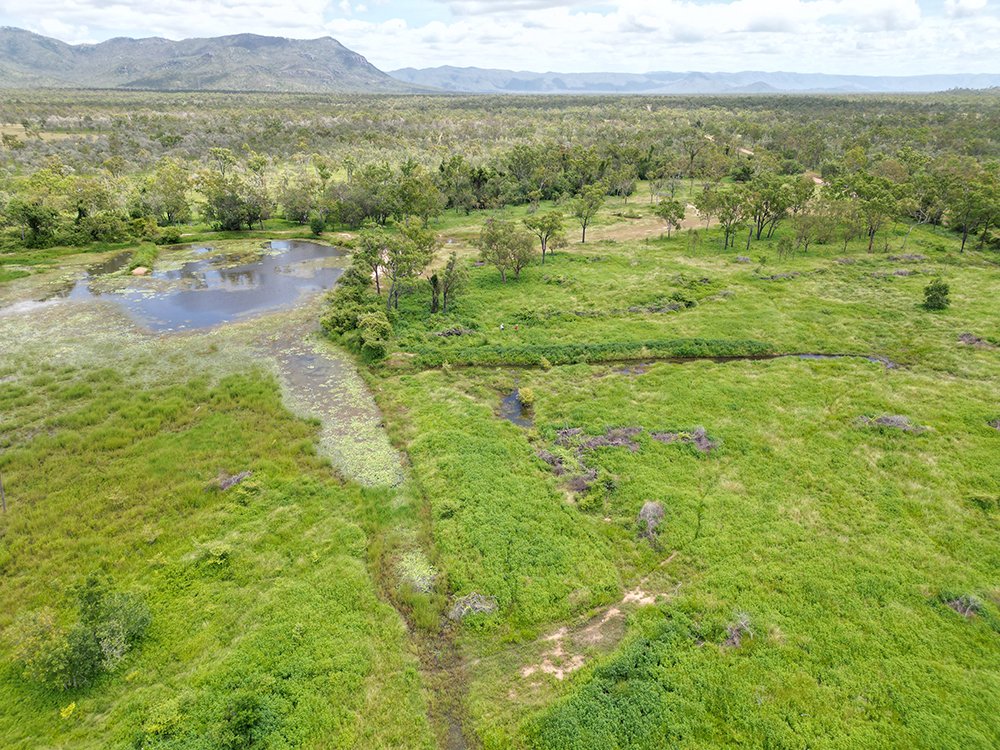
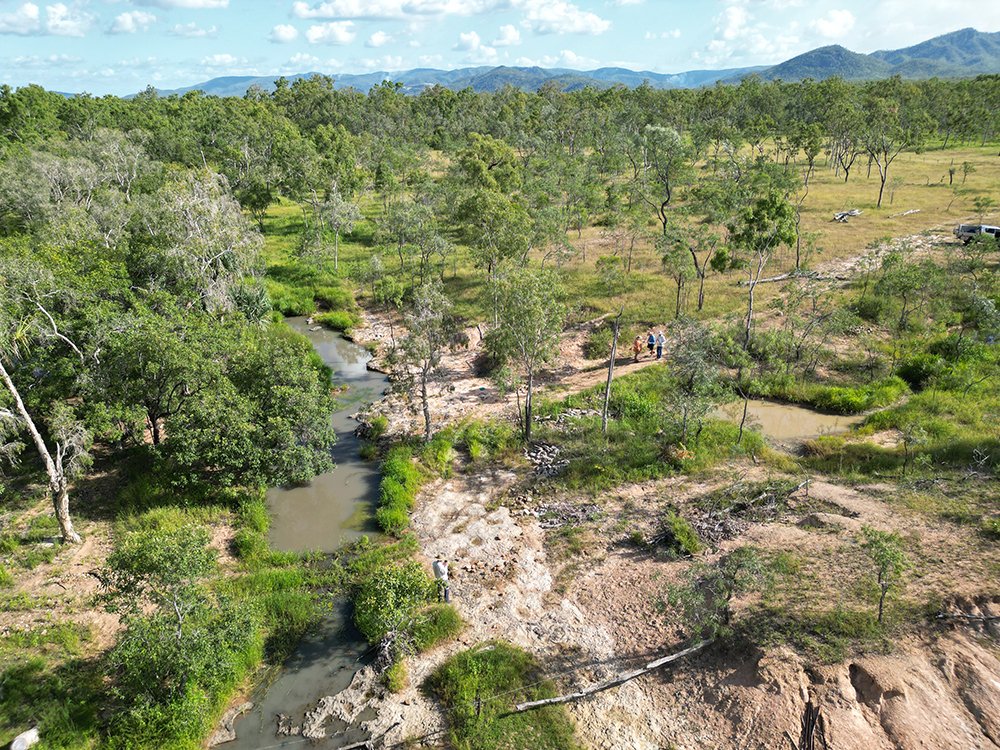
In other news from the great northern half of the continent, the Lansdown Catchment Rehydration Initiative (LCRI) approaches the final handover. This project sits in the coastal dry tropics region. It is on one of the tributaries feeding the Ross River Dam in Townsville, north Queensland. Five locally owned and operated grazing properties are participating in the catchment-based project. Multiple property management and landscape repair works were designed and deployed by Mulloon Consulting throughout 2022. The final round of initial monitoring work has now been completed with ongoing photopoint monitoring to be delivered by participating landholders. 

The LCRI has demonstrated the variety of ways landscape rehydration can be implemented in response to landholders’ priorities. Each property is unique, even within the same geographic region. Yet business management, like personalities, can sometimes be like chalk and cheese even within very similar landscapes. This allows for greater opportunity in terms of practical implementation being tailored to specific people and properties through a robust design process. This is why Mulloon leads with first principles and a grounding in scientific understanding, before developing site-specific plans for intervention. 

Broadly speaking, landscape function is the main purpose driving the Mulloon Institute. Our goal is to initiate and implement projects that deliver improved resilience in landscapes across the continent. We believe the increasing resilience of agricultural enterprises can be supported by rebuilding the landscape function in an almost endless variety of ways. Landscape Rehydration is a potent approach to rebuilding this natural capital in the landscape that leads to greater social and ecological resilience. 

The Lansdown Catchment Rehydration Initiative was funded by the Australian Government’s Future Drought Fund.

Extensive wetlands on Justin and Kerry Wall’s Green Valley provide many ecosystem services beyond providing a watering point for stock, adding to the resilience of the landscape.

Mulloon Institute’s Mentoring Program has been kicking goals out in the upper Fitzroy Basin of Central Queensland. It has been a few months since the Field Day and Bootcamp near Emerald.

Mulloon Consulting’s Leon Van Wyk was joined by Sam Skeat to deliver advice for grazing-integrated landscape rehydration projects. Field data collected and processed by Leon informs design processes and site selection for the upcoming project day that will help reinforce the communities of practice model of peer-to-peer learning.

Multiple landholders who graduated from the Bootcamp last year are now engaged in the Mentoring Program which focusses on building their individual capacities in project planning and implementation. The one-on-one online sessions and tutorials are supplemented by a site visit to tailor the landscape rehydration approach to their property-specific opportunities.

The Mentoring Program is part of the Communities of Practice Project, which is made possible by the Federal Government Future Drought Fund

Sam Skeat and Jason Foot from Marmadilla chat about first steps towards the landscape rehydration project, including the appropriate site selection.

A teaching moment at Neil and Tina Stewart’s Wilga Downs on the proper alignment and sizing of spillways, which is a critical aspect of designing robust interventions that can enhance pasture productivity while dealing with erosion risk.

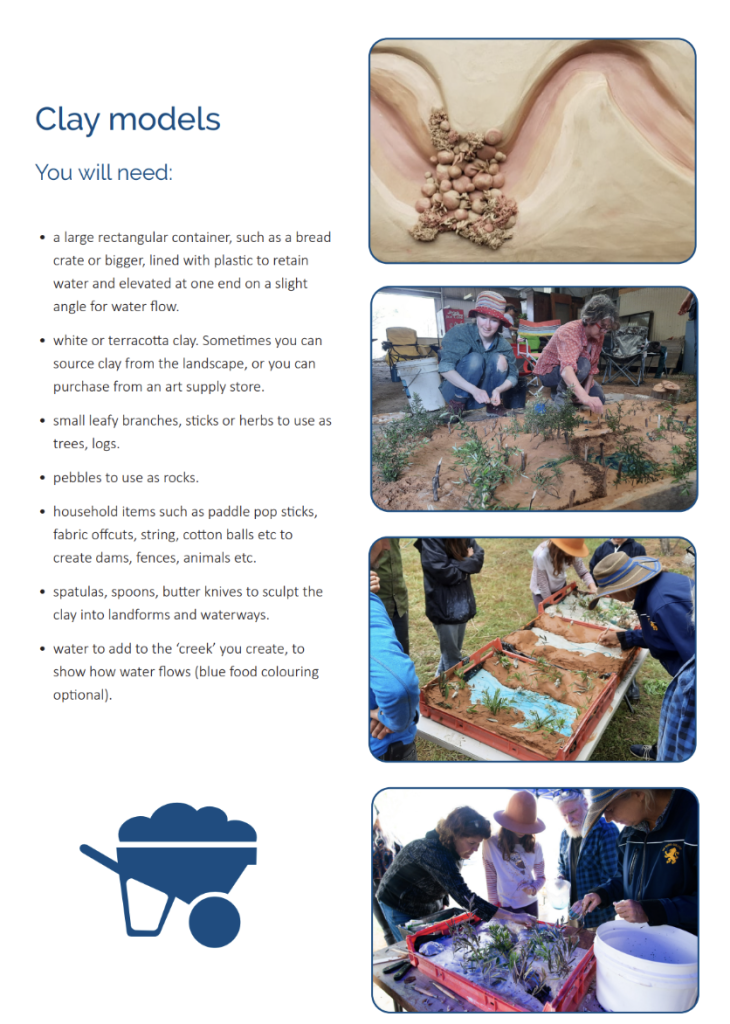
We are thrilled to be sharing two new education modules: ‘Plants are Pumps!’ and ‘Using Models to Learn about Landscapes’. These creative booklets are a mix of scientific facts, illustrations and engaging learning activities that have been tested on real humans.

We hope these resources are useful for all the educators and facilitators sharing the scientific principles behind water stewardship and landscape restoration. You can access them as PDF downloads here.   

We welcome all feedback and are open to collaborations to do more of these, so reach out if you have ideas!  

These resources have been developed with the support of the Australian Government through Citizen Science Grant funding. 

Both booklets contain fun learning activities.

Landscape model-making is fun for all ages.

Left, Kathy Kelly – Director and Company Secretary with Carolyn Hall, CEO and Managing Director.

The Mulloon Rehydration Conference, held at Bicentennial Hall in Queanbeyan and the Farms on 1–2 May 2024, has ushered in a new chapter for  Mulloon Institute, and introduced our 180-strong audience to the latest scientific learnings. It was an opportunity to present the building blocks we have put in place to rehydrate and restore landscapes across Australia. 

To meet the challenge of climate change we need rehydrated and functioning landscapes full of biodiversity, a healthy small water cycle and increased energy coming from the sun.   

We can see a future walking together with famers, our rural communities, our First Nations people, philanthropists and corporates into a more climate-resilient country. 

Biosecurity, food and water security for our nation depend on functioning agricultural landscapes. This is what Mulloon Institute delivers.  We cannot do this alone – collaborating with partners across the country makes this work possible. 

Eighteen years of detailed scientific and observational data collected in the Mulloon catchment, in areas where we have installed landscape rehydration infrastructure is now the subject of sophisticated digital analysis. We are seeing proven increases in: 

  • biodiversity 

  • biomass production (regardless of weather) 

  • connectivity between the stream and the floodplain 

  • water volume downstream  

  • water quality 

  • riparian vegetation  

  • invertebrates 

  • frog diversity and numbers, and 

  • native fish. 

With the help of a dedicated team and many friends of Mulloon, we have built the foundational blocks and an adaptable real world model for restoring and rehydrating Australian landscapes.  We have: 

  • developed the technical expertise to hold water in landscapes across Australia 

  • developed a process called bringing the community along that recognises that catchment repair is a social process 

  • implemented a national education and capacity building curriculum 

  • connected art and landscape rehydration 

  • recognised the need for regulatory reform and what that reform should look like to make our work more accessible 

  • acknowledged the need to scale this work and so developed CReST a spatial model that prioritises catchments across NSW for landscape rehydration, and 

  • shared our work with people across the country, at Mulloon and through projects in North Queensland, Western Australia, Northern Territory, in Central Australia, Victoria and soon in Tasmania and South Australia. 

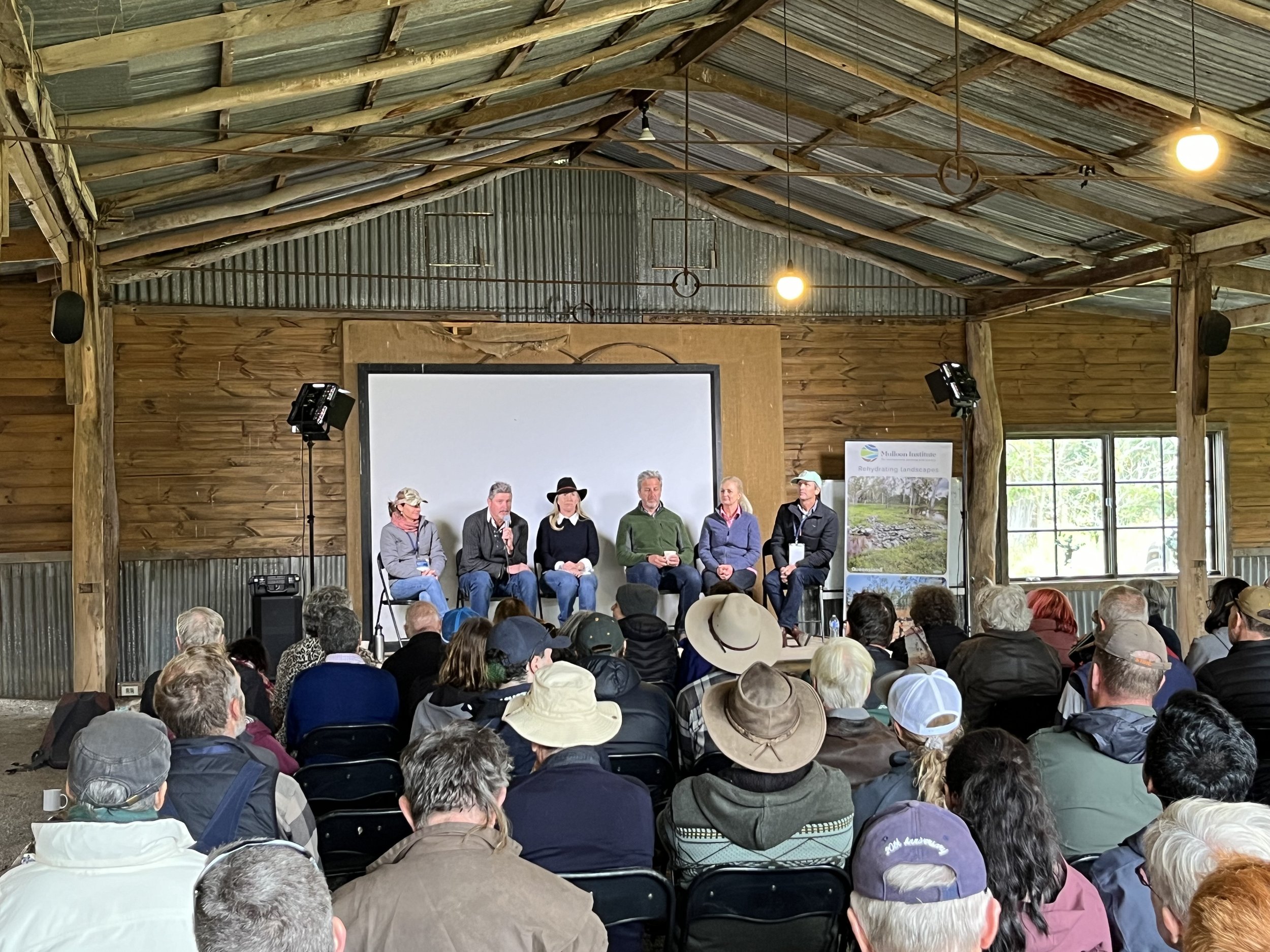
Day 2 of the Mulloon Rehydration Conference wrapped up with a discussion around the future of landscape rehydration in Australia. L-R, Fiona McBean, Peter Hazell, Suzannah Cowley, Matt Egerton-Warburton, Carolyn Hall, Warren Pensini.

We know there is more work to do.   

We plan to introduce an Indigenous-led and co-designed Water Stewardship certificate. 

We plan extension of our tool to make monitoring catchment scale landscape rehydration works easier and more cost effective. 

We are sharing our work with the world via the global Drought Resilience report to be presented at UNCCD COP 16 in Riyadh in Saudi Arabia in December 2024. 

We are facing some serious challenges, not the least of which is the need for regulatory reform. Currently it is both expensive and time consuming to gain approvals for positive impact projects, which is why  the Mulloon Law Committee  is advocating at all levels for a National Code of Practice for Landscape Rehydration and Restoration, critical to the scaling up of this work. 

Funding remains a challenge… which path do we take to ensure ongoing financial sustainability for our work into the future and to ensure we can scale landscape restoration? We urgently need more funding partners to collaborate with and support us to deliver restored and functioning landscapes across Australia. In particular we are looking to individuals, organisations and corporates that help drive the agriculture sector,  and build and maintain our national infrastructure. Their engagement and philanthropy can positively impact and leverage our ability to rehydrate landscapes and generate environmental and social benefits to both local communities and the nation as a whole. 

With your support,  our small, dedicated and highly skilled team will continue to work tirelessly, together with our partners, to deliver landscape rehydration and restoration for a nature positive, secure and resilient Australia. 

Thank you. 

Carolyn Hall
CEO + Managing Director

Very excited to announce we are FINALISTS in the Climate Innovation category of the prestigious NSW 2023/24 Landcare Awards!!

The judging panel have rated our Mulloon Rehydration Initiative entry as amongst the best in the state, and we’re proud to stand alongside the Wallabadah Community Association and SouthEast Climate Innovators as finalists in this category. The announcement will be on 3 June in Sydney.

Mulloon Consulting has recently completed detailed designs for Landscape Rehydration Infrastructure on the Upper Molonglo River at Foxlow, near Captains Flat in the NSW Southern Tablelands. The proposed works at Foxlow is Stage 2 of the Molonglo Catchment Rehydration Initiative (MCRI), a catchment-scale project along the Upper Molonglo River ‘Carwoola’ Floodplain. Detailed designs for Stage 1 of the project, at the downstream Carwoola property, have already been completed, with the Carwoola works currently progressing through regulatory approvals before construction works can commence.

MCRI covers an area of 2,313 hectares, along 19 km of the River and involves the neighbouring property, Foxlow Station. The MCRI aims to restore the natural landscape function and resilience of the Molonglo catchment for the benefit of agriculture, the environment and the community. The Foxlow component of the MCRI covers approximately 1,200 hectares of Molonglo River floodplain.

Mulloon Consulting adopted a rigorous approach to the development of designs for landscape rehydration works. Initial site work and preparation of Conceptual Designs was undertaken in 2022-23. This involved detailed ecological, hydrologic and geomorphic assessments as well as consideration of farm management objectives and site constraints. From this the 12km stretch of Molonglo River through Foxlow was split into individual reaches and in turn a condition and trajectory assessment of each reach enabled the development of prioritised intervention opportunities for each reach.

Following the conceptual design work, Landscape Planners Jack Smart and Erin Healy completed site assessment and survey work in November 2023 to inform preparation of detailed designs. The field survey data was then used to prepare preliminary designs of proposed interventions at Foxlow, including determining the locations and sizes of interventions. Catchment Simulation Solutions (CSS) were engaged to undertake detailed 2-dimensional hydraulic modelling of the Molonglo floodplain to assess the hydraulic conditions (including water depth and extent, stream velocity and bed shear stress) under both pre-intervention and post-intervention scenarios for a range of flow conditions. Analysis of the hydraulic modelling outputs enabled further refinement and finalisation of the designs.

The detailed designs for Foxlow include:

  • 22 log-sill and rock weir structures along 7km of the Molonglo River, raising the bed level of the stream by an average of 1m.

  • An additional 4 log-sill and rock weir crossing structures to maintain farm access points across the Molonglo River.

  • 4 log-sill and rock weir structures on the Yundyguinula Creek immediately upstream of the confluence with the Molonglo River.

The proposed Landscape Rehydration works aim to achieve the following goals:

  • provide stabilisation to eroded banks

  • slow and dissipate erosive force of streamflow

  • capture mobilised sediment from upstream erosion

  • build and raise stream bed within incised channel

  • submerge and stabilise active headcuts within the stream channel

  • promote the establishment of riparian and instream vegetation in the structure vicinity

  • reconnect flow to adjacent floodplain system, rehydrating pastures

  • moderate micro-climate extremes

  • maintain access points across the Molonglo River

  • provide aesthetic value.

Following completion of detailed designs, the next step for the Foxlow project will be progressing regulatory approvals for the proposed works, which Mulloon Institute are planning to undertake during 2024-25.

This project has been assisted by the NSW Government through its Environmental Trust.
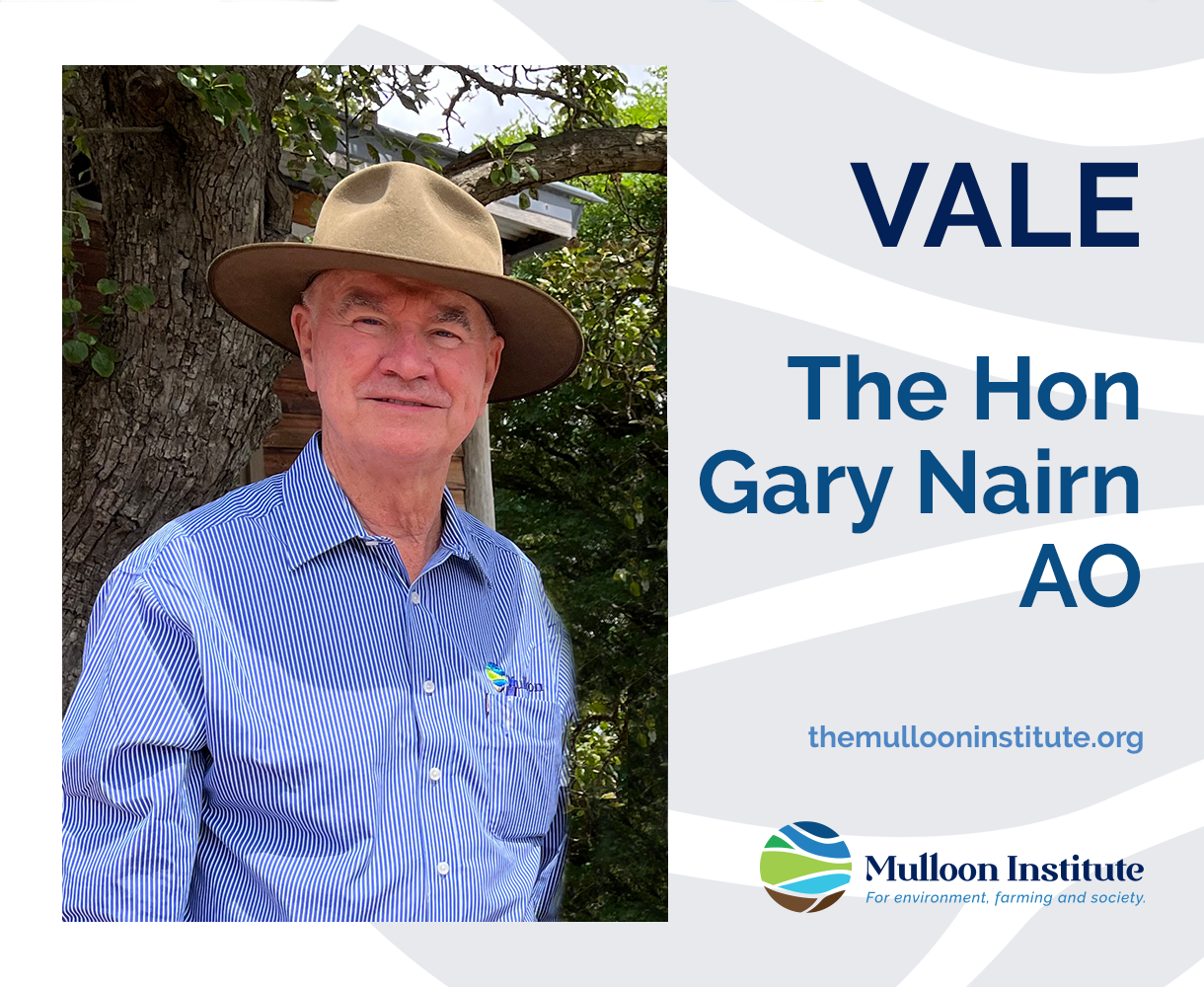
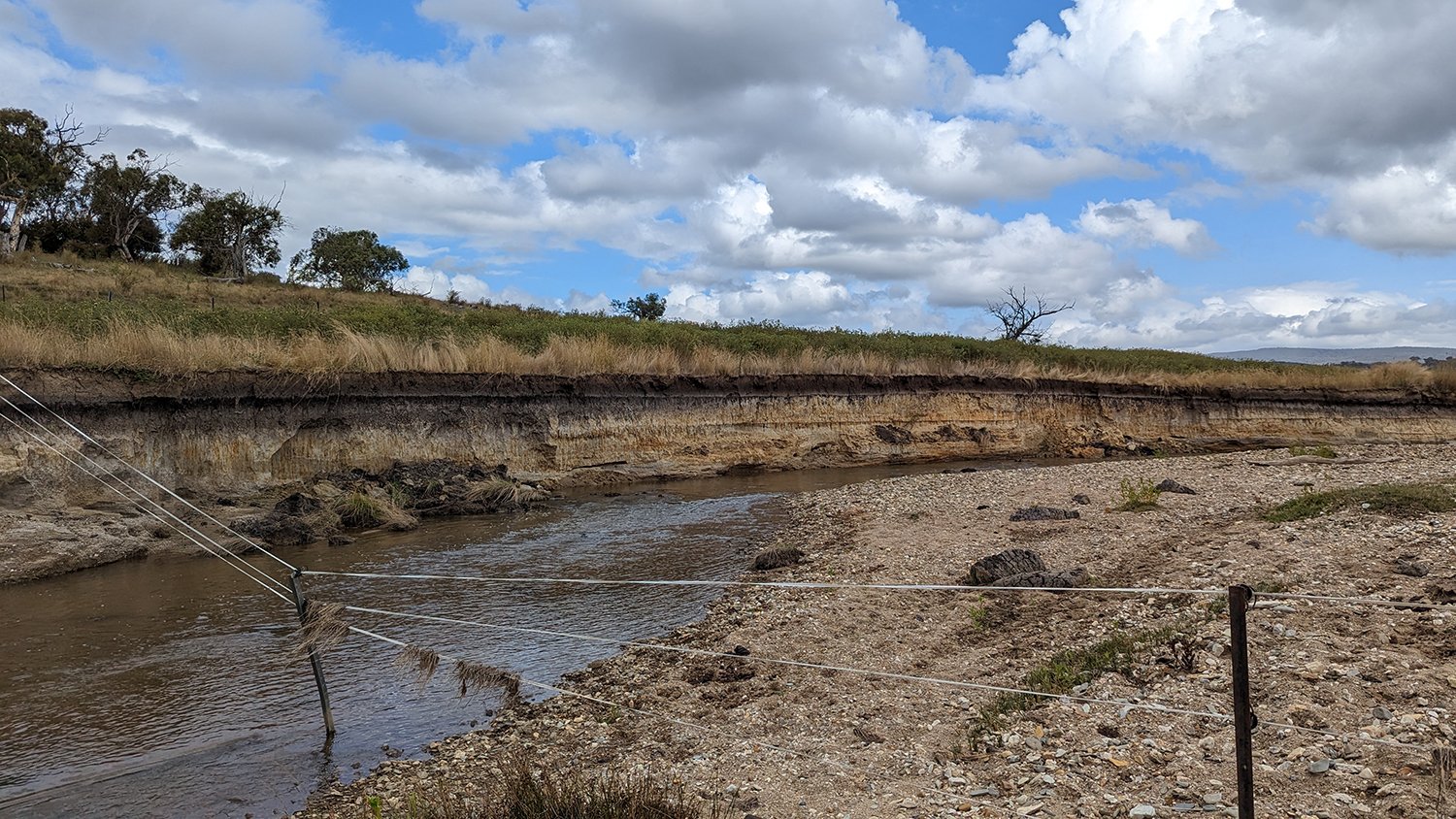
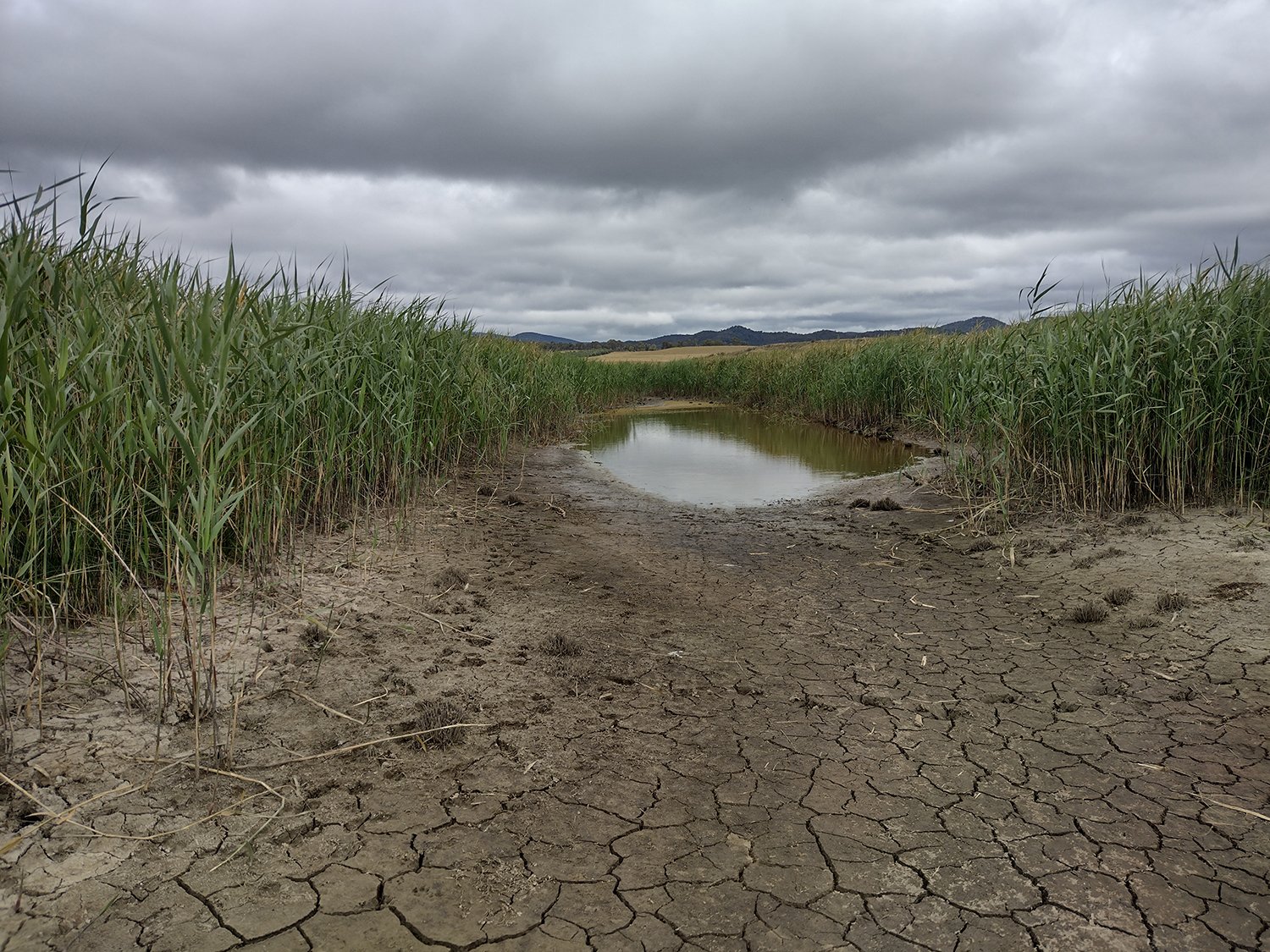
Figure 1. Actively eroding reach of the Molonglo River, Foxlow Station.

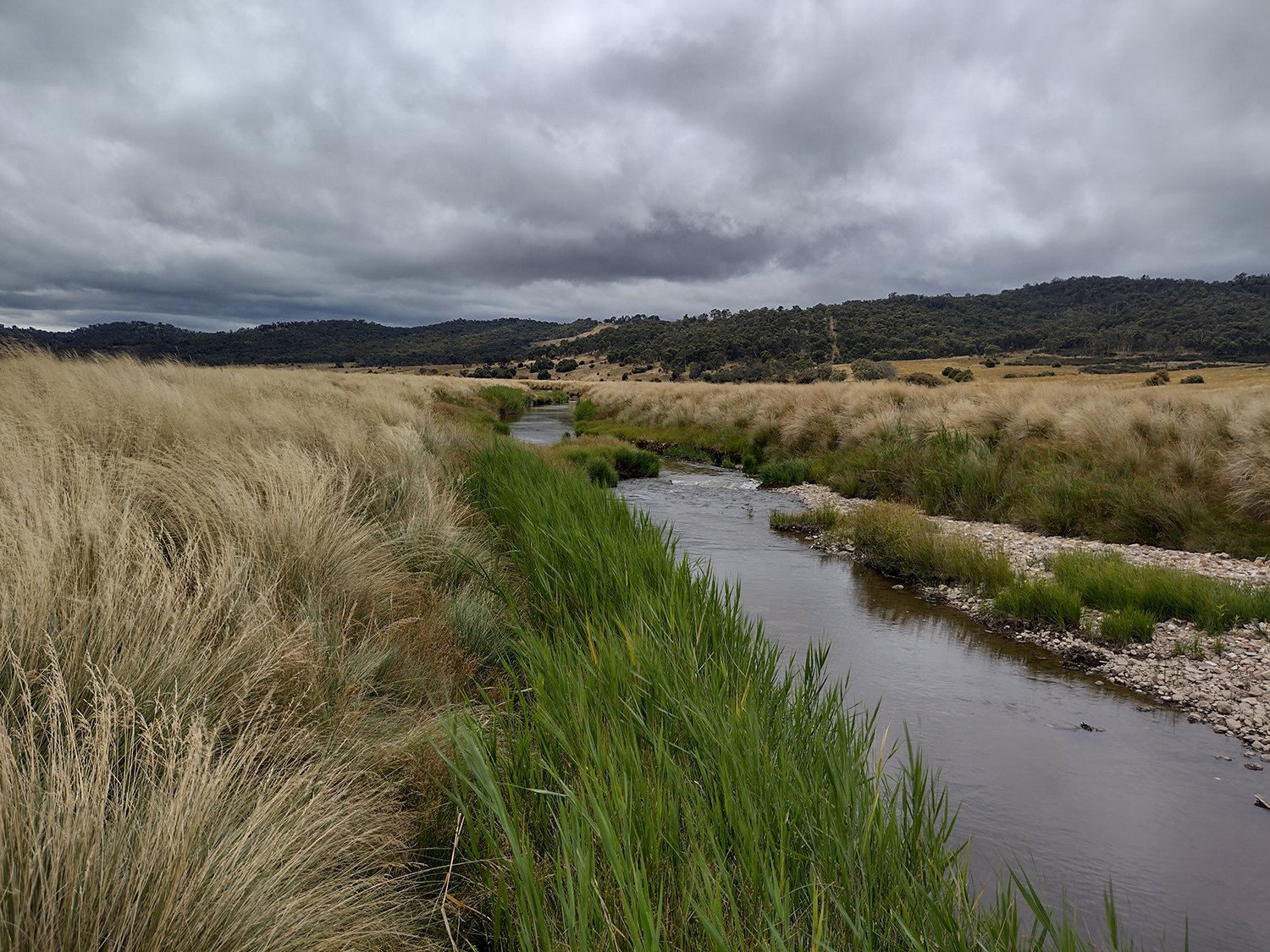
Figure 2. Incised but naturally aggrading reach of the Molonglo River, Foxlow Station.

Figure 3. Secondary flood runner on the Molonglo Floodplain, Foxlow Station.

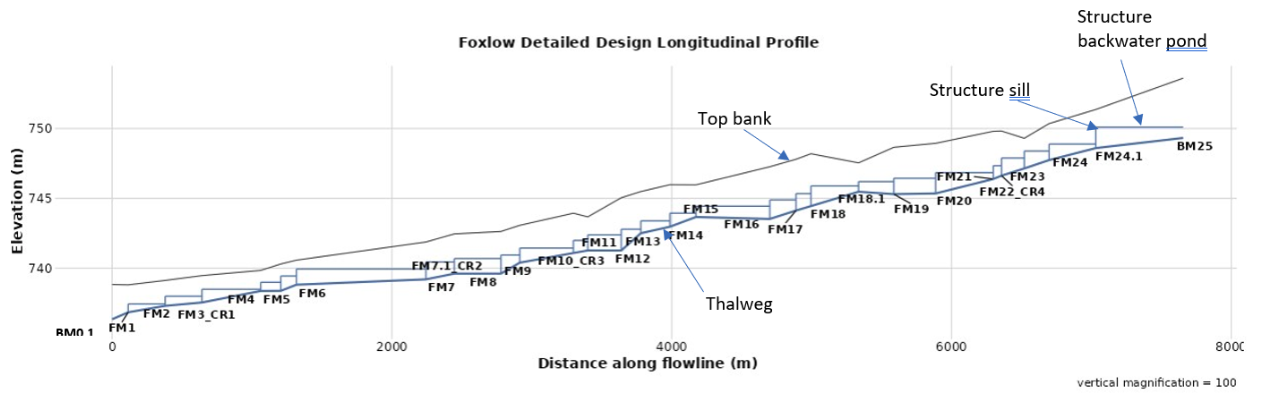
Figure 4. Longitudinal profile of the Molonglo River at Foxlow detailing proposed structure locations, channel thalweg, top bank, structure sill levels and corresponding backwater pond extents.

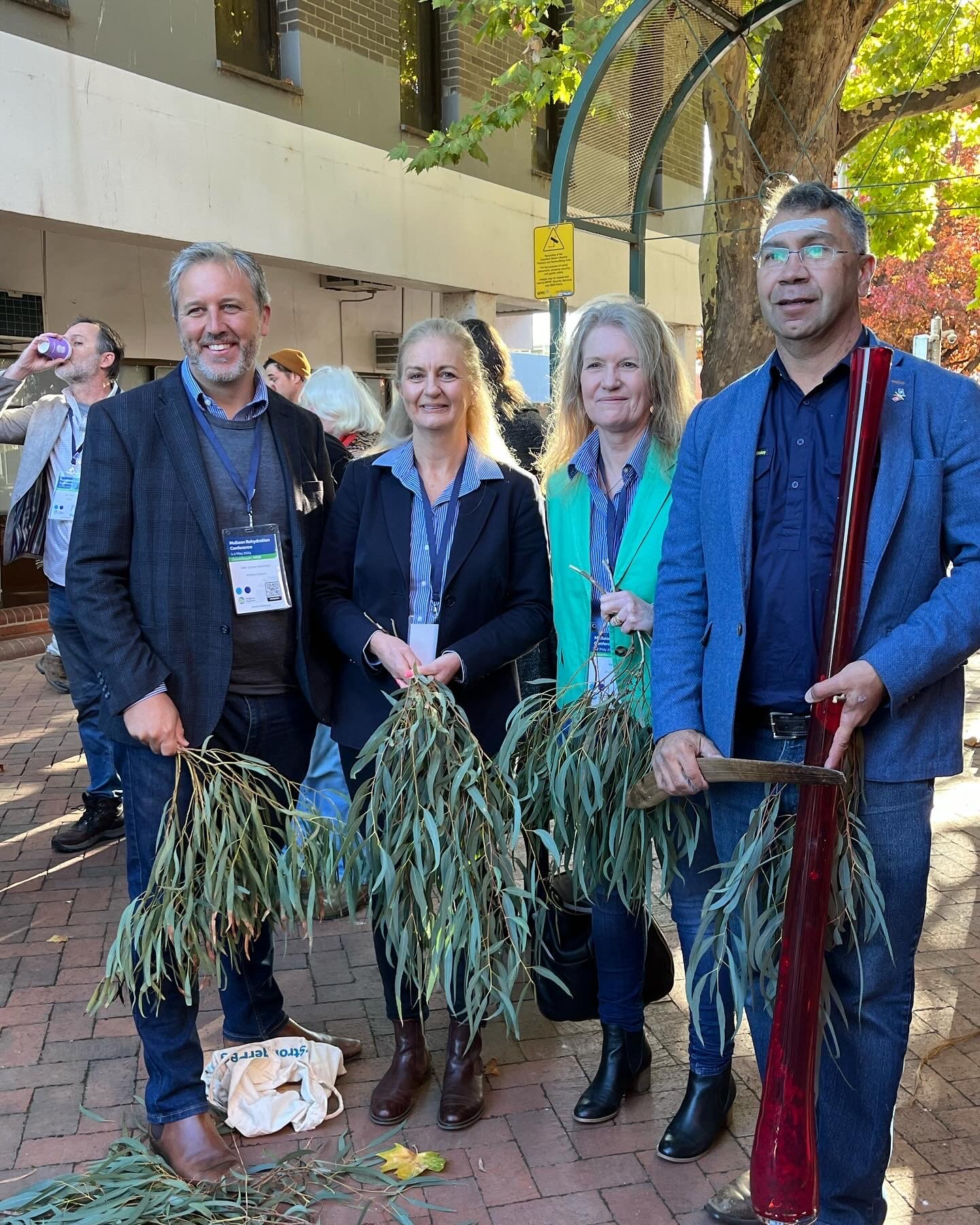
Thank you to all who joined us for the Mulloon Rehydration Conference on 1–2 May 2024. This event brought the Mulloon community from across Australia together for two days to celebrate the success of the Mulloon Rehydration Initiative (MRI) and share our vision for meeting the demand for landscape rehydration works across the country with national demonstration sites, regulatory reform for landscape rehydration works, expanding our national education program and much more!

The video captures just some of the highlights, we invite you to collaborate with us in our work rehydrating landscapes to restore ecological function, build resilience to climatic extremes, future-proof agriculture, and build biodiversity and natural capital for a brighter future for everyone.

Thanks to Paul Girrawah House, Ngambri-Ngunnawal custodian of the Canberra region for his Welcome to Country.

Thanks to the entire Mulloon Institute team led by Carolyn Hall and Matt Egerton-Warburton.

Thanks to our Conference Sponsors:

Climate Friendly
CarbonLink™
Umwelt Environmental & Social Consultants
Vitasoy Australia
Cibo Labs Pty Ltd
HydroTerra Pty Ltd
JG Earthworx
Department of Agriculture, Fisheries and Forestry
NSW Government

Thanks to all who presented and participated in the Conference:

MC Suzannah Cowley, Nviro Media
Simon Goodhand, Department of Agriculture, Fisheries and Forestry
Stuart Naylor, WaterNSW
Rob Stokes, Former Minister for Planning and Public Spaces
Phil Tickle, CIBO Labs
Dr Leah Moore, Australian National University
Carolyn Hall, CEO Mulloon Institute
Matt-Egerton-Warburton, Chair Mulloon Institute + Mulloon Law Committee
Peter Hazell Mulloon Consulting
MRI Landholders

Expert Panelists:

Skye Glenday, Climate Friendly
Carmel Onions, Commonwealth Bank Australia
Andrew Ward (Wardy), Regen Farmers Mutual
Hannah Tilakumara, Eco-Markets Australia
Sam Patmore, Path Co
Damon Oliver, NSW Department of Climate Change, Energy, the Environment and Water
David Holmes, Umwelt Environmental & Social Consultants
Wilf Finn, Director Mulloon Institute + Mulloon Law Committee
Dr Emma Carmody, Mulloon Law Committee
Andrew Walsh, Northern Tablelands LLS
Fiona McBean, Eva Valley Meats Northern Territory
Ben Taylor, Nature Glenelg Trust
Warren Pensini, Blackwood Valley Beef Western Australia
Mike Clark, Top End Conservation Management
David Gallacher, Charles Darwin University, Northern Hub
Professor Justin Borewitz, The Australian National University
Turlough Guerin FAIA GAICD, Landcare NSW

Latest News:

Sharing the hydrological story at Mulloon, 9 May 2024.

Mulloon Rehydration Conference reflections by Matt Egerton-Warburton, 9 May 2024.

Support The Code: Proposal for a National Code of Practice for Landscape Rehydration & Restoration

View the full program.

The Mulloon Rehydration Initiative is jointly funded through the Mulloon Institute and the Australian Government’s National Landcare Program, with assistance from the NSW Government’s Environmental Trust.