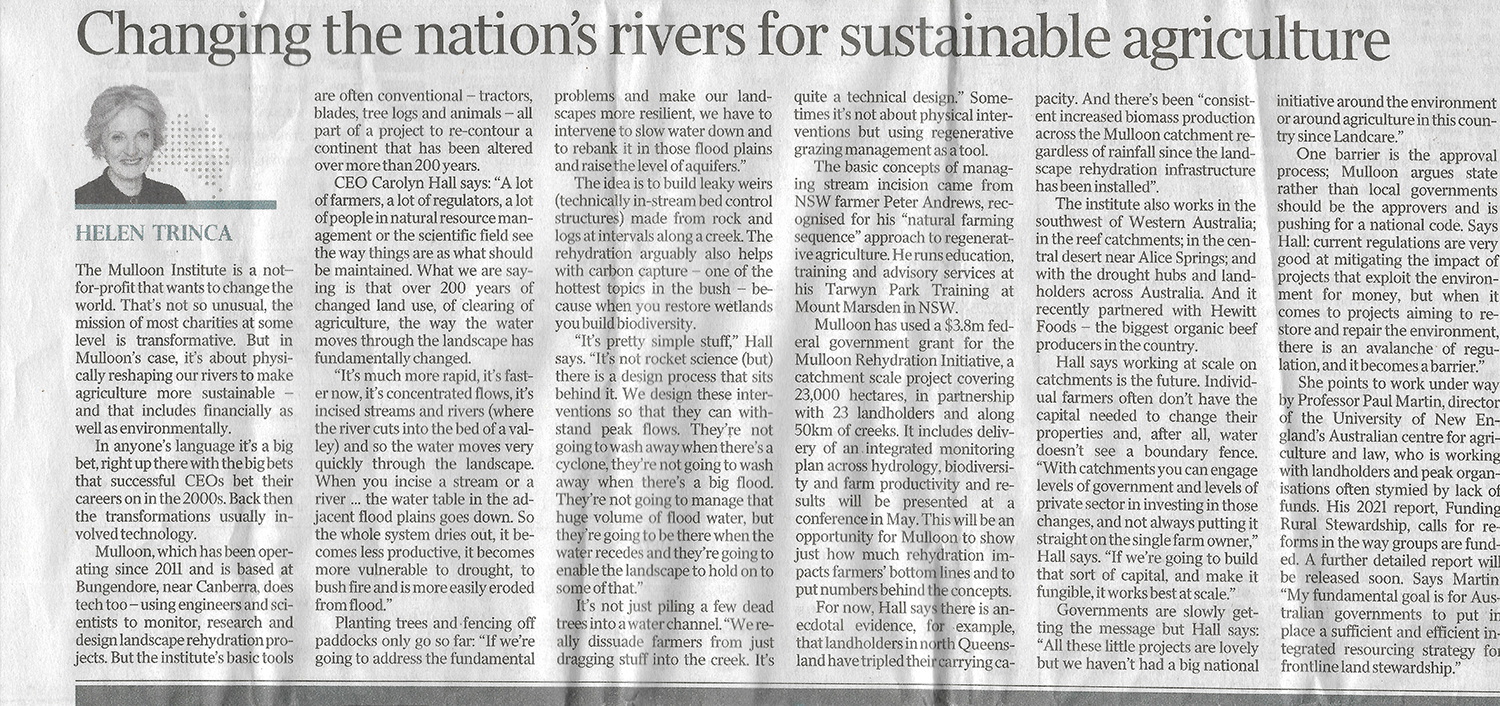
Mulloon Institute’s CEO Carolyn Hall was recently interviewed by Helen Trinca for The Australian, the story ran in the Business Review on Saturday 3 February 2024.

Helen’s article showcases the history of the Institute and the Mulloon Rehydration Initiative, looks into the engineering and science behind building in-stream structures, and why our work is so important in halting erosion, rehydrating landscapes and improving agricultural productivity across Australia.

 READ THE ARTICLE


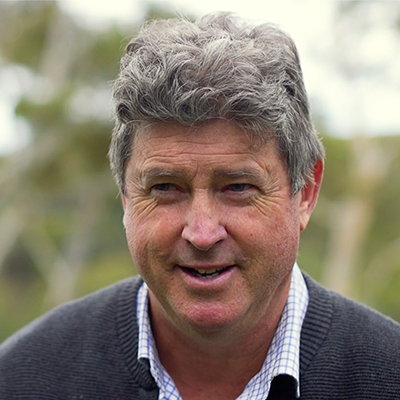
“If we’re going to address the fundamental problems and make our landscapes more resilient, we have to intervene to slow water down and to rebank it in those flood plains and raise the level of aquifers.”

Carolyn Hall CEO

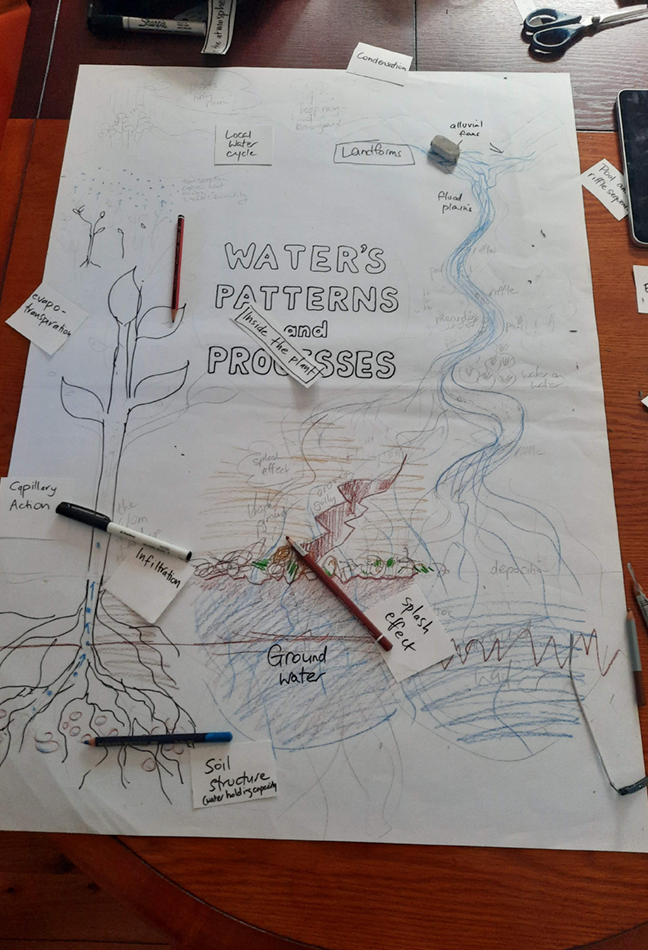
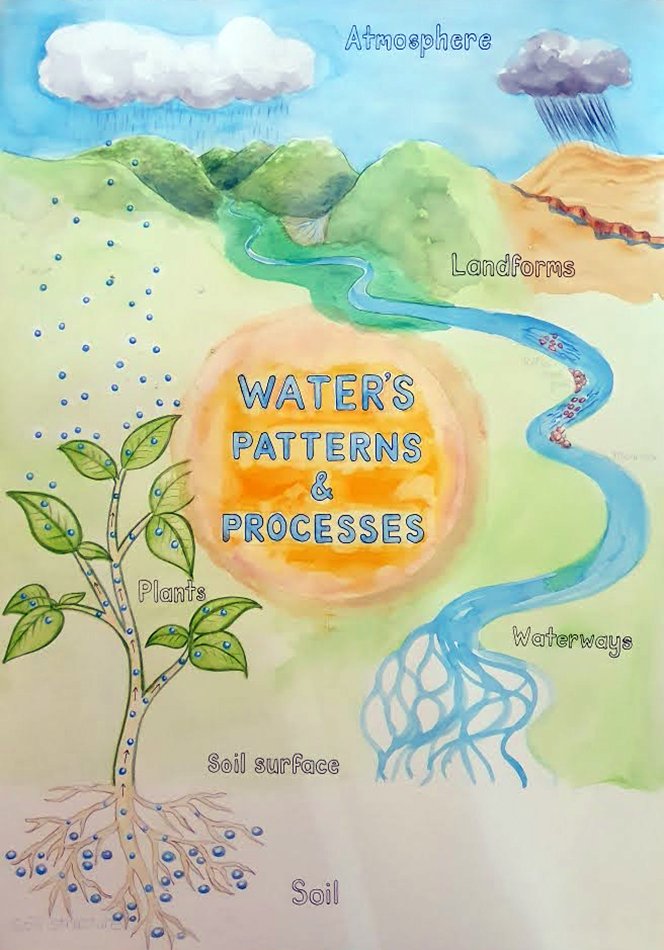
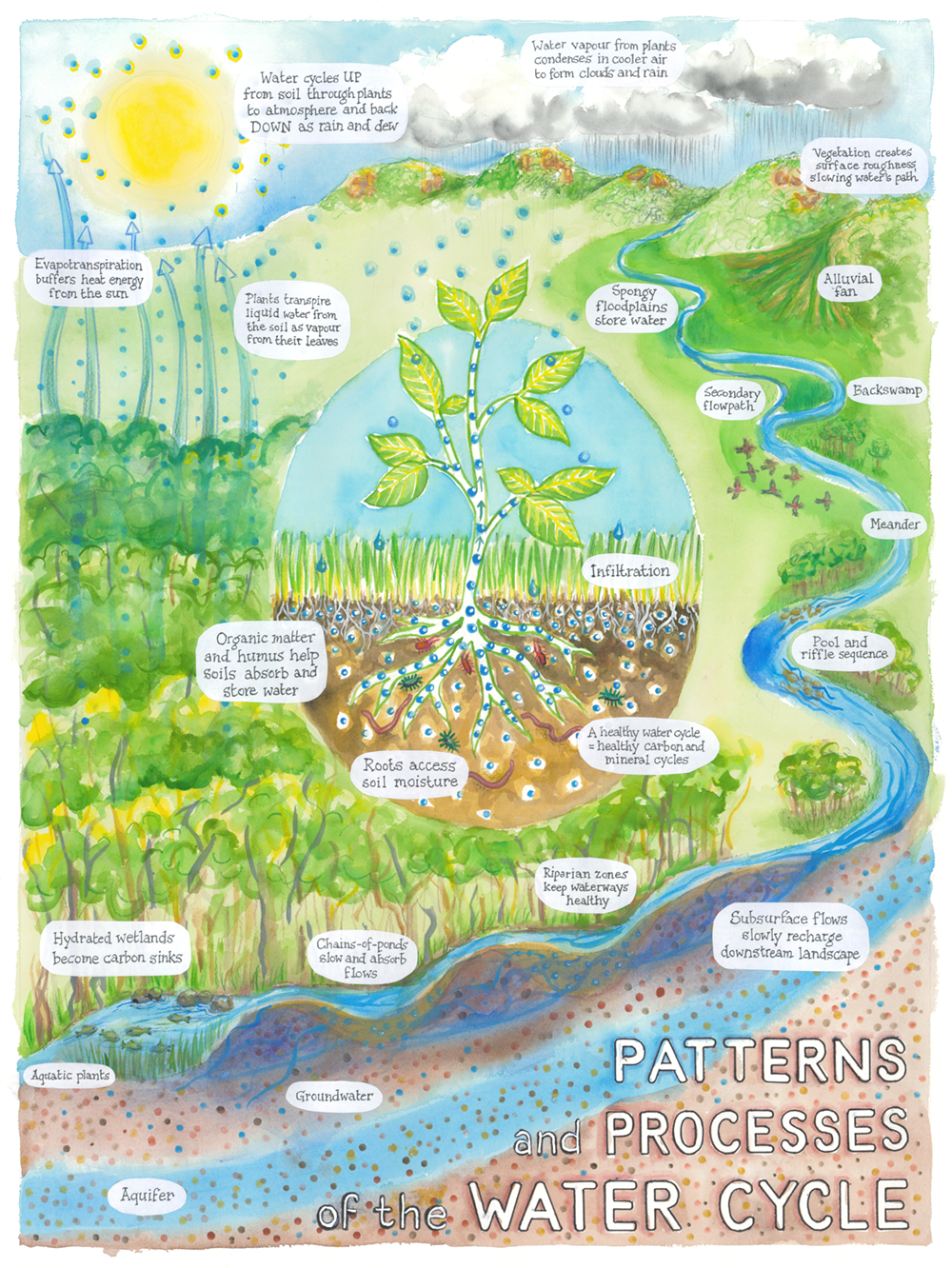
The final poster is a beautifully designed and illustrated depiction of the water cycle – the central focus of our work at Mulloon.

There are plenty of water cycle diagrams out there, but none quite like this one.

Mulloon Institute is thrilled to launch this new poster depicting water’s magical patterns and processes. We have a pile printed and ready to share with the world!  

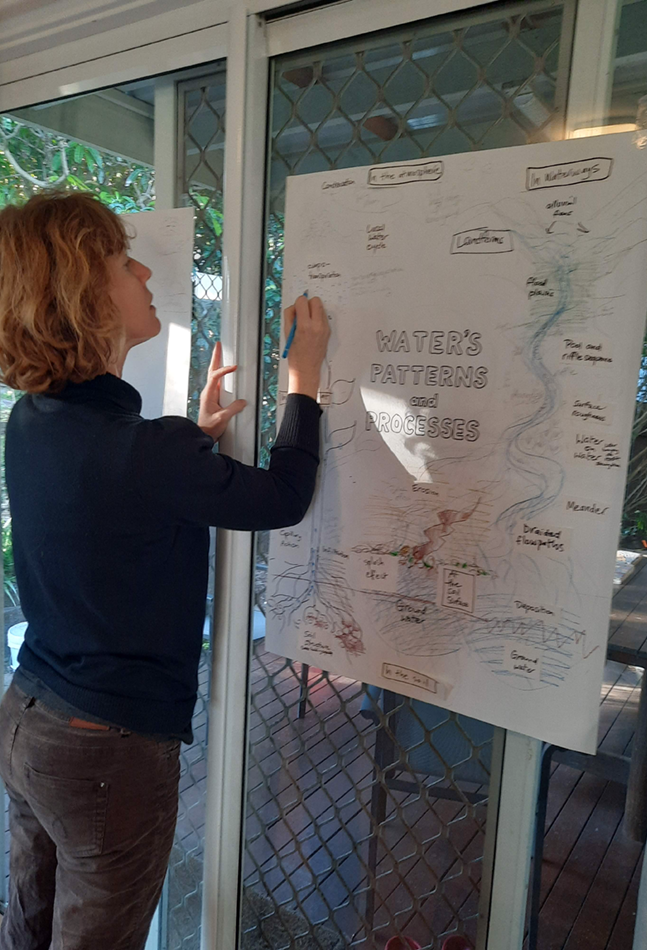
The poster was designed by Mulloon Institute’s Dr Laura Fisher with artist Kim Williams, and lovingly painted and annotated by Kim. Its blend of art and science went through a few iterations, with Kim and Laura ultimately deciding the plant belonged at the heart of the image. It feels fitting that we celebrate the plant’s vital role in healing broken water cycles, central to all our work at Mulloon.  

This poster is launched in honour of World Wetlands Day, 2 February 2024. Mulloon is proud to work alongside so many dedicated organisations and communities globally to protect and restore wetlands. Research led by USGS scientist Dr Laura Norman has proven that wetlands, and wetland-like environments that natural infrastructure can create, are ‘soil-water-carbon sinks’, which says so much about their importance for resilience and regeneration. 

Reach out to laura@themullooninstitute.org – if you help to cover postage, we would be delighted to send you one for your classroom, office or living room!  


Kim Williams, pictured left, is an incredibly talented artist who has been known to write ‘zines about surfing, books of poetry and produce all manner of wonderful art about environmental change – thank you so much Kim for bringing this vision to life!  

This poster was developed with the support of the Australian Government through the Citizen Science grant ‘Modelling Landscape Rehydration for Catchments, Communities, and Curriculum’. 

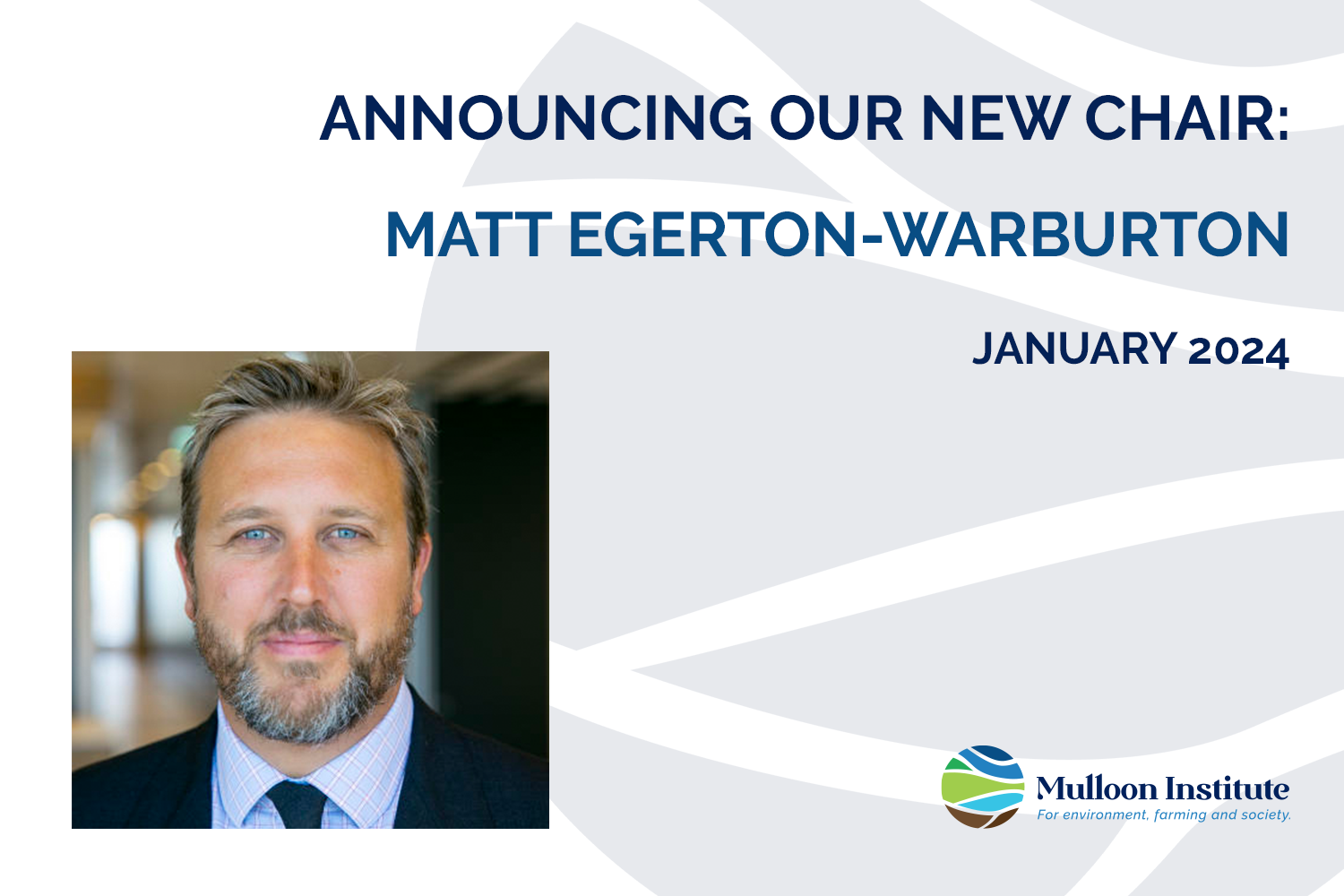
A Message from Matt Egerton-Warburton to our Members, Donors and Supporters 

25 January 2024 

I am happy and humbled to accept the position of Chair of the Mulloon Institute. 

On behalf of the board, we acknowledge the fantastic service that Gary has provided as Chair since 2016 and we hope this new era for the Mulloon Institute will be as successful and transformative. 

While we will miss Gary’s leadership, we are grateful that he has chosen to continue to serve as a director so we can continue to access his experience, knowledge and networks. 

We welcome Wilfred Finn as a new director. I have known Wilf for over 20 years and he has the right temperament, experience and knowledge for our organisation. Wilf comes from illustrious stock – his mother Justice Mary Finn (retired) was a leading Judge on the Family Court of Australia for 26 years and his father, the Honourable Paul Finn, was a significant federal court Justice, author, academic and scholar. Since 2019, Wilf has been providing the Mulloon Law Committee with expert legal counsel in environmental regulation and governance. We will benefit from his counsel and his large government, academic and corporate networks. 

The new board is committed and excited at the opportunity we now have to make a significant contribution to helping regenerate and rehydrate Australia. The late Tony Coote and Gary Nairn have provided us with a well organised, efficient organisation ready to grow.

Our priorities in 2024 are to: 

  • provide significant funds to Carolyn and our excellent research, education and media teams so we can continue to prove the science, improve our techniques and educate and work with schools, communities, government and other organisations on environmental issues with our proven solutions;

  • lobby governments across Australia to make significant regulatory change to facilitate the rapid implementation of our interventions into Australia’s waterways; 

  • support Jono Forrest and Mulloon Consulting to work with landholders across Australia to slow the flow of water on their land, and protect, revitalise and regenerate their landscapes; 

  • support Jim Steele and the operations of the Mulloon Creek Natural Farms as it provides first rate, nutritional eggs and beef to the public; 

  • finalise and publish our strategic plan for the next five years (which is being expertly managed by Rob Langtry); and 

  • grow our membership, corporate sponsorship and philanthropy programs. 

To our members, donors, clients and staff – please re-double your efforts to support us at this time. The Mulloon Institute is uniquely placed with a transformative solution to a significant environmental and productivity problem. Let’s band together, work hard, have fun and increase our efforts, energy and focus to rehydrate and regenerate Australia. 

On a personal note, I would like to thank John Nerurker and the partners of Mills Oakley for supporting me in this role. While lawyers and law firms consistently receive (some deserved) criticism, many lawyers and law firms provide hundreds of pro bono hours of service and take seriously their oaths to faithfully serve their community. I hope that I am playing a small part in this great tradition.

Regards, 

Matt Egerton-Warburton 
Chair, Mulloon Institute

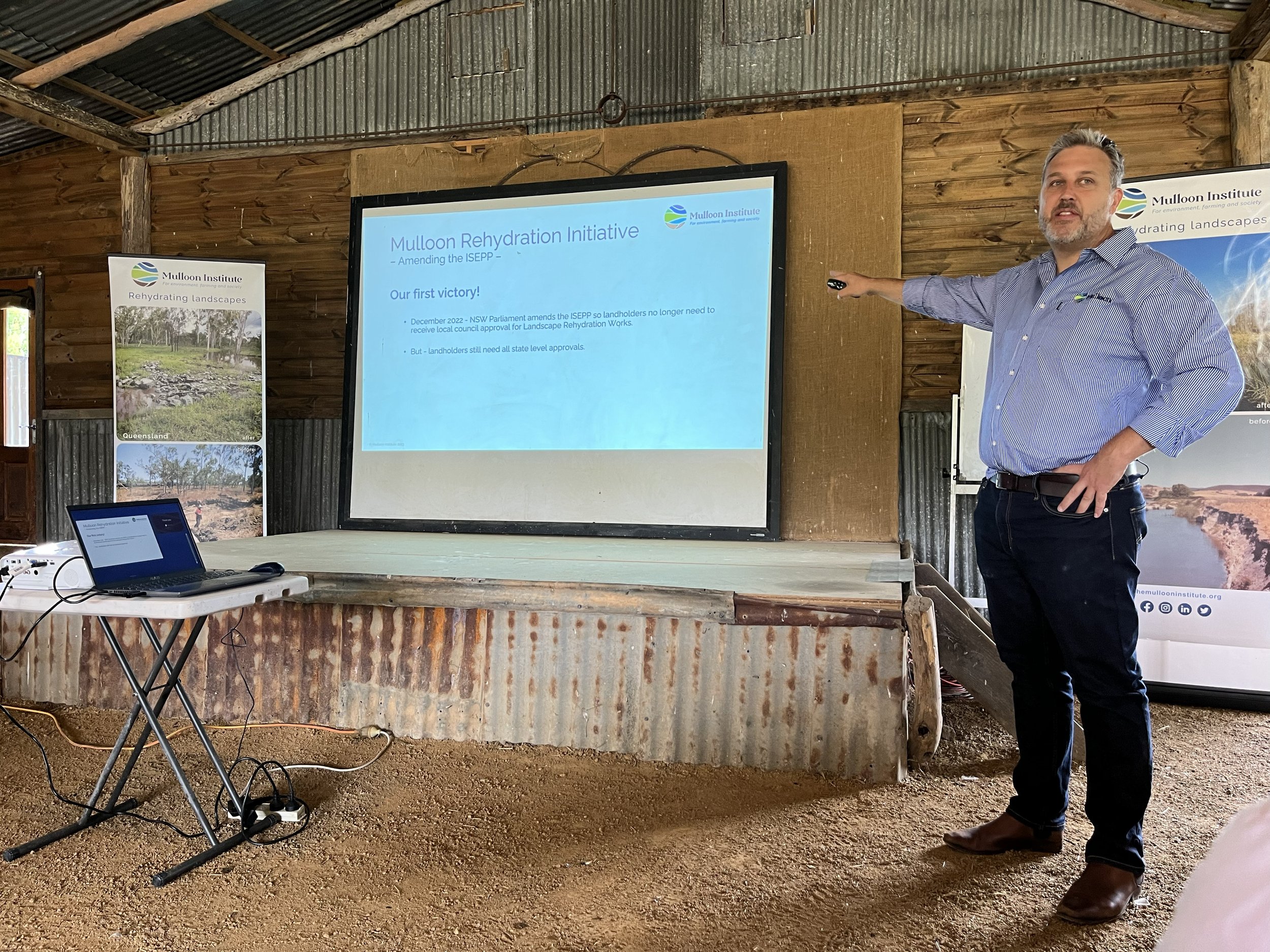
Matt presenting at the Barn on the Home Farm to the Mulloon Creek Landholders and ABC’s Landline, Febrary 2023.

A Message from Gary Nairn AO to our Members, Donors and Supporters 

24 January 2024 

You may be aware that over the past six months, I have been battling a serious health issue that continues to be a challenge. During that time, the Deputy Chairman of our Board, Matt Egerton-Warburton, has been steering our very proficient ‘ship’. I have continued to have input as and when I was capable. 

However, due to the nature of my challenge, and after 8 years as the Board’s Chairman, I stepped down from that role at last Friday’s Board meeting. Change is never easy, but it is made so much easier when you have such competent people as Matt, Carolyn Hall and Kathy Kelly as your fellow directors. 

Friday’s Board meeting unanimously elected Matt as our new Chairman. I will remain as a director and continue to participate in Board deliberations and decisions as my health permits. Friday’s meeting also unanimously elected Wilfred Finn as a director. Wilf is well known to many within the Mulloon Institute community. He was an inaugural member of the Mulloon Law Committee that has achieved regulative change and continues to prosecute more reform such as our National Landscape Rehydration and Restoration Code. While a lawyer by professional training, his experience in the water and environmental sectors will add great value to our Board’s expertise. Wilf also has been involved at the cutting edge of the many emerging environmental markets. 

It was an immense privilege to take over as Chairman from our Founder, Tony Coote AM, in early 2016. He very much laid the foundations for our organisation and on his passing in 2018 left an incredible legacy, one that we have built on during the ensuing five and a half years. I know just how proud he would be of the Mulloon Institute, Mulloon Creek Natural Farms and Mulloon Consulting, as they collectively stand today. 

The extent of our projects throughout Australia, alone, demonstrates our growth over that period. But probably more importantly, our profile and standing in Government, within the environmental sector, the agricultural sector and the broader community is something we are very proud of. 

For me personally, it has been quite a journey from my very early involvement as the local Federal Member of Parliament when Tony embarked on the original demonstration project on Mulloon Creek in 2006 to now as I hand the Chairman’s baton to Matt. I do so with great confidence that Tony’s vision, to take landscape repair and rehydration to a national acceptance as the key to solving environmental degradation and to reducing climate change impact while improving agricultural output, will continue as our focus. 

I will continue to give my total support to our new Chairman, Matt Egerton-Warburton, and my fellow directors, Carolyn, Kathy & Wilf, as we collectively make a great organisation even greater. 

Kind Regards 

Gary Nairn AO 
Learning to read the landscape at Roblee Station

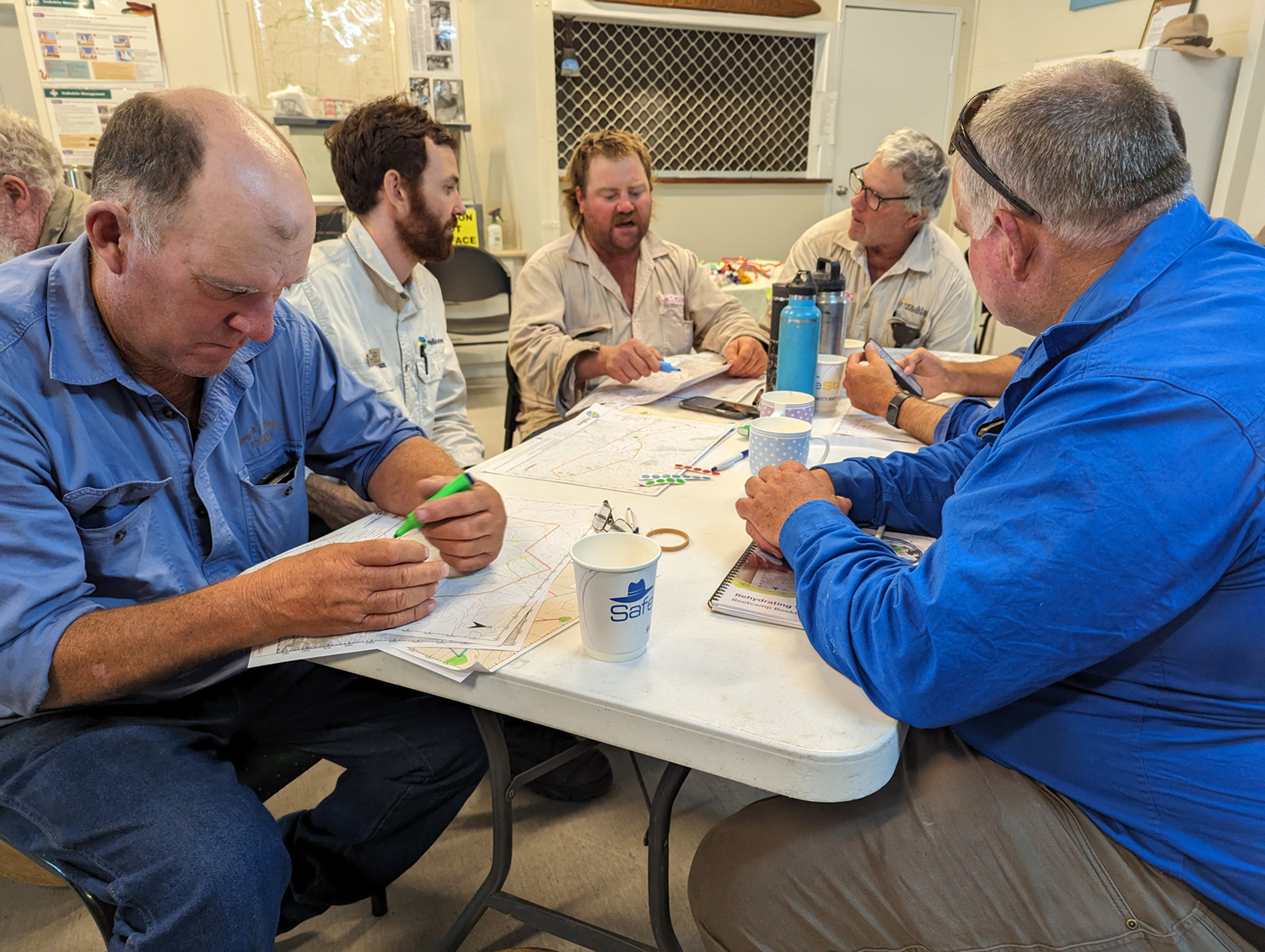
Destination Central Queensland! We continued rolling out our Community of Practice Project Bootcamp with our partner CHRRUP for producers from around the region. With Landscape Planners Leon and Louise at the helm, the group spent three days together learning how landscape rehydration and restoration techniques can improve productivity and drought resilience.

After delving into the foundational theory underpinning our approach, they eagerly headed off to nearby properties, applying their understanding to familiar landscapes and enterprises.

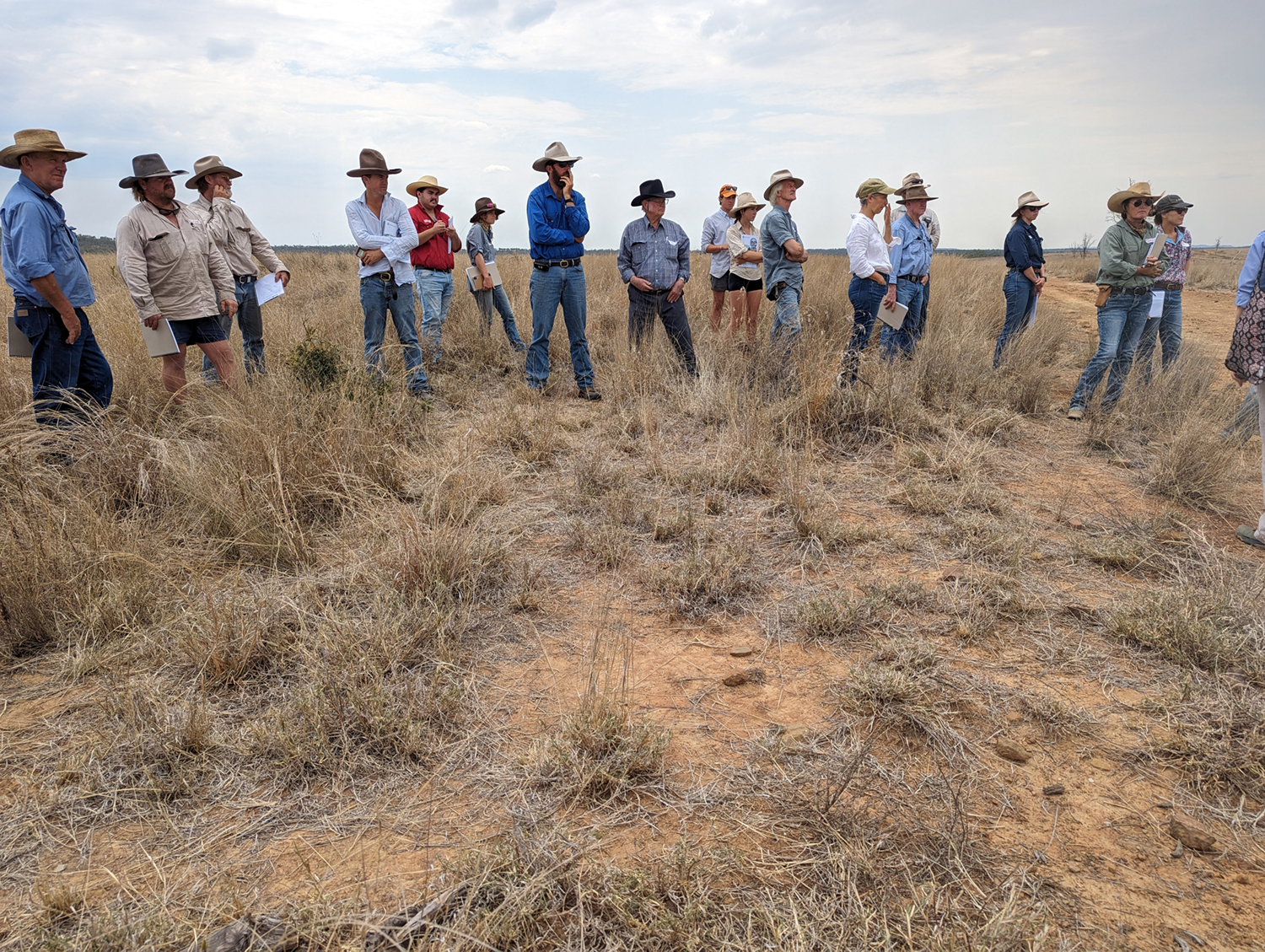
Group sharing of landscape understanding in the field

Outside the conversations became more animated as we steeped in the realities and challenges of repairing wide spread issues. Louise explored our understanding the role plants play in managing water and how landscapes are formed and influence the movement of water.

Leon utilised his technical training stepping the group through a series of mapping skills activities and presented a series of case studies with an integrated overview linked to vision, landscape, issues, design and construction. The good news stories shared demonstrate how degraded areas can be repaired when coupled with physical interventions.  We look forward to returning to the region in the coming months with one-on-one Mentoring Program property visits as part of the project.


Testimonials from participants:

“Additional exposure to further ideas and concepts has awakened a new direction and improved my confidence in retaining water, plus introduced some concepts not known about previously”


“You guys really know your stuff and I have absolute confidence in your knowledge and practical application of this. Loved the diversity of characters in the room and the presenters”


This project received funding from the Australian Government’s Future Drought Fund.

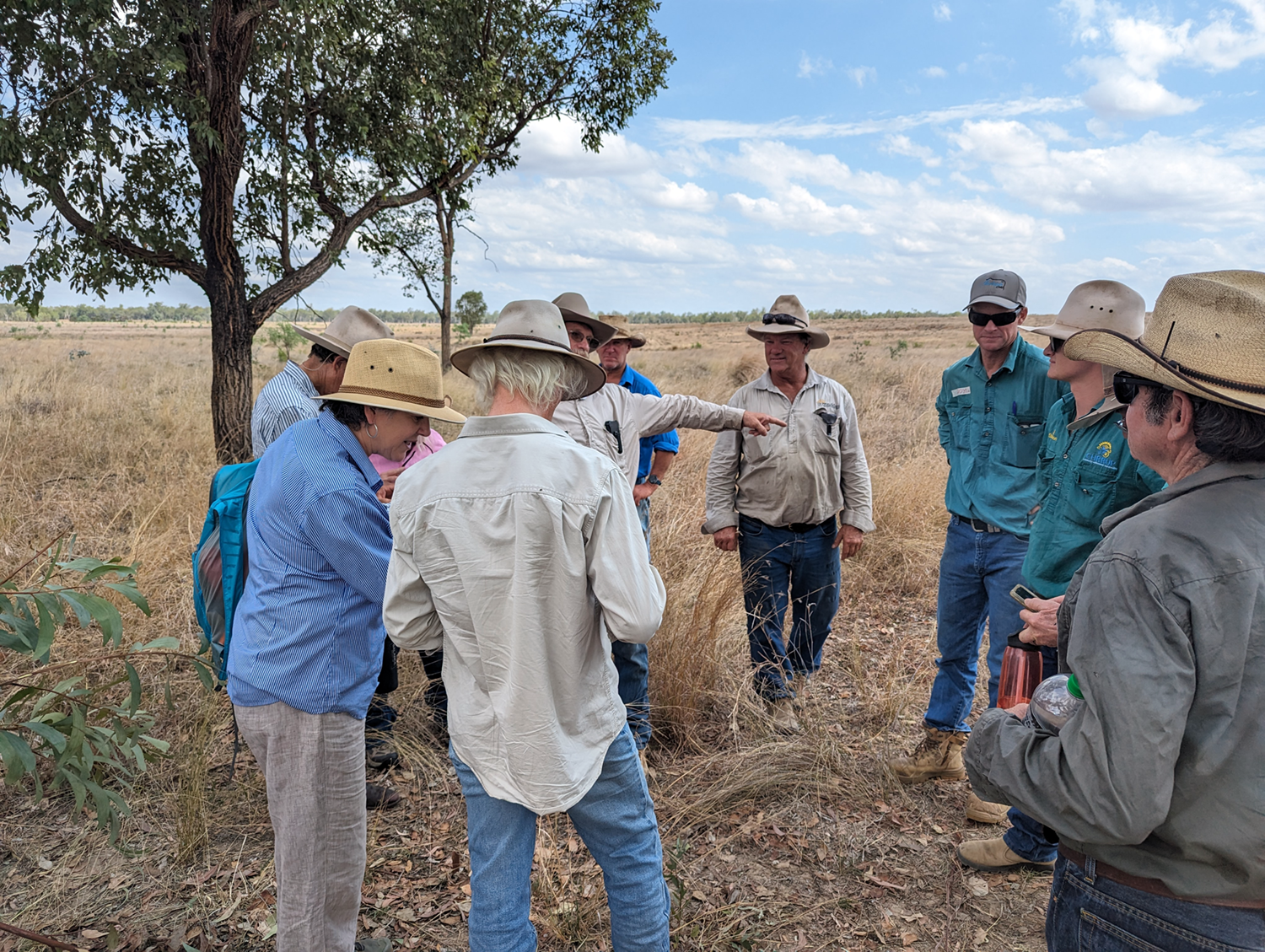
Interpreting participants’ property maps

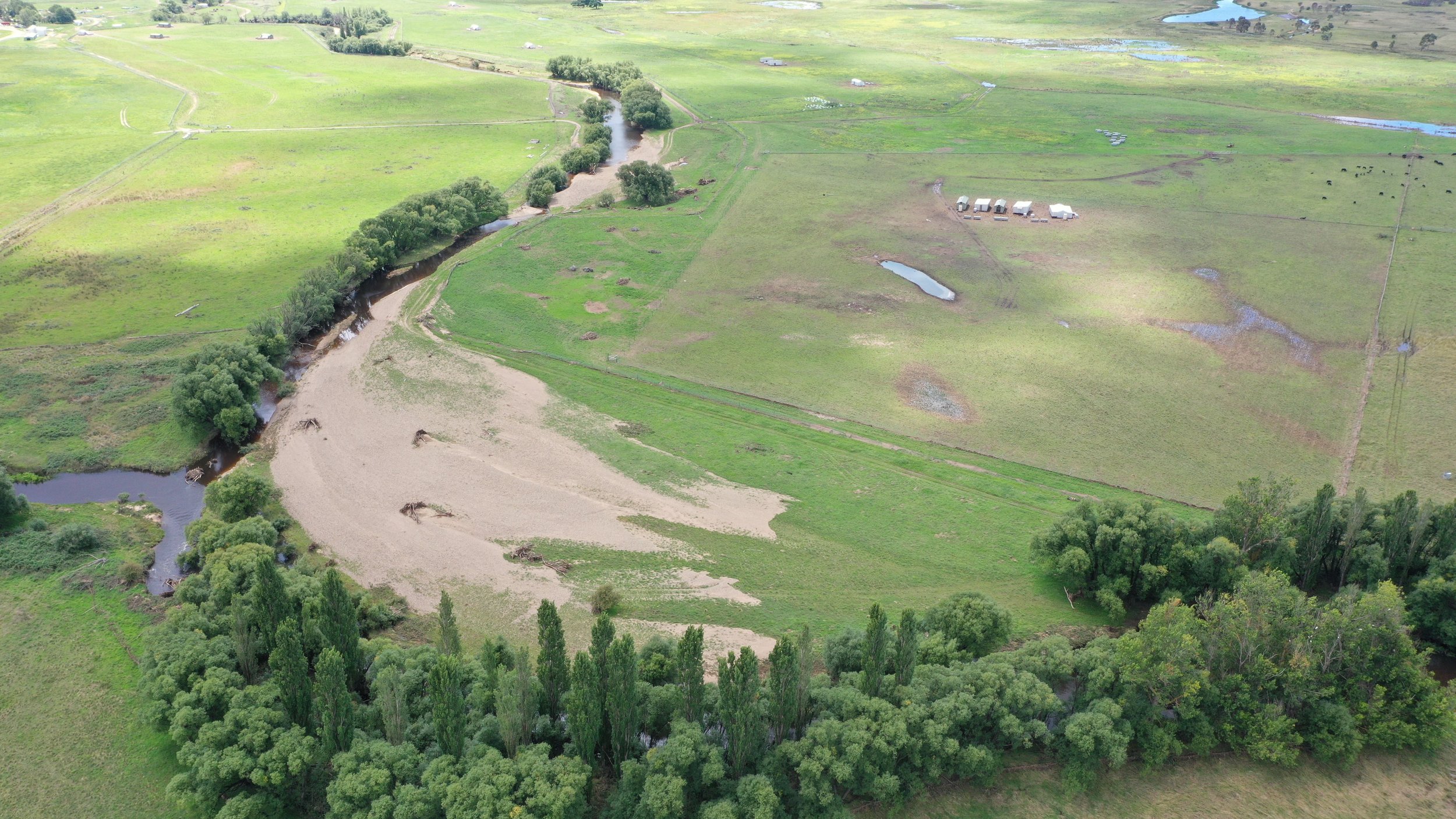
The fan-shaped accumulation of sand occurred as a result of the water from Sandhills merging with Mulloon Creek, causing it to disperse and decelerate. This reduced flow energy facilitated the deposition of sand. The presence of vegetation at the confluence also played a significant role in slowing down the creek’s flow. In contrast, areas upstream in Sandhills without instream structures experienced intense flow, resulting in the uprooting of numerous willow trees.

Boxing Day 2023 saw possibly the largest and most intense rainfall event since European settlement open up over Mulloon Creek Natural Farms’ Duralla property and the surrounding Sandhills Creek catchment upstream. Within the first hour alone 59mm had fallen, with a total of 136.6mm falling over a four-hour period. We know this because we have a climate station installed at Duralla that updates every minute.

This event well exceeded a ‘1 in 100-year’ flood event.

Channel capacity at the top Sandhills Creek crossing on Duralla is 216m3 per second. A 1 in 100-year event, which we call a 1% Annual Exceedance Probability (AEP) event, (i.e. there is a 1% chance that in any given year a flood will reach such a level) is 208m3 per second.

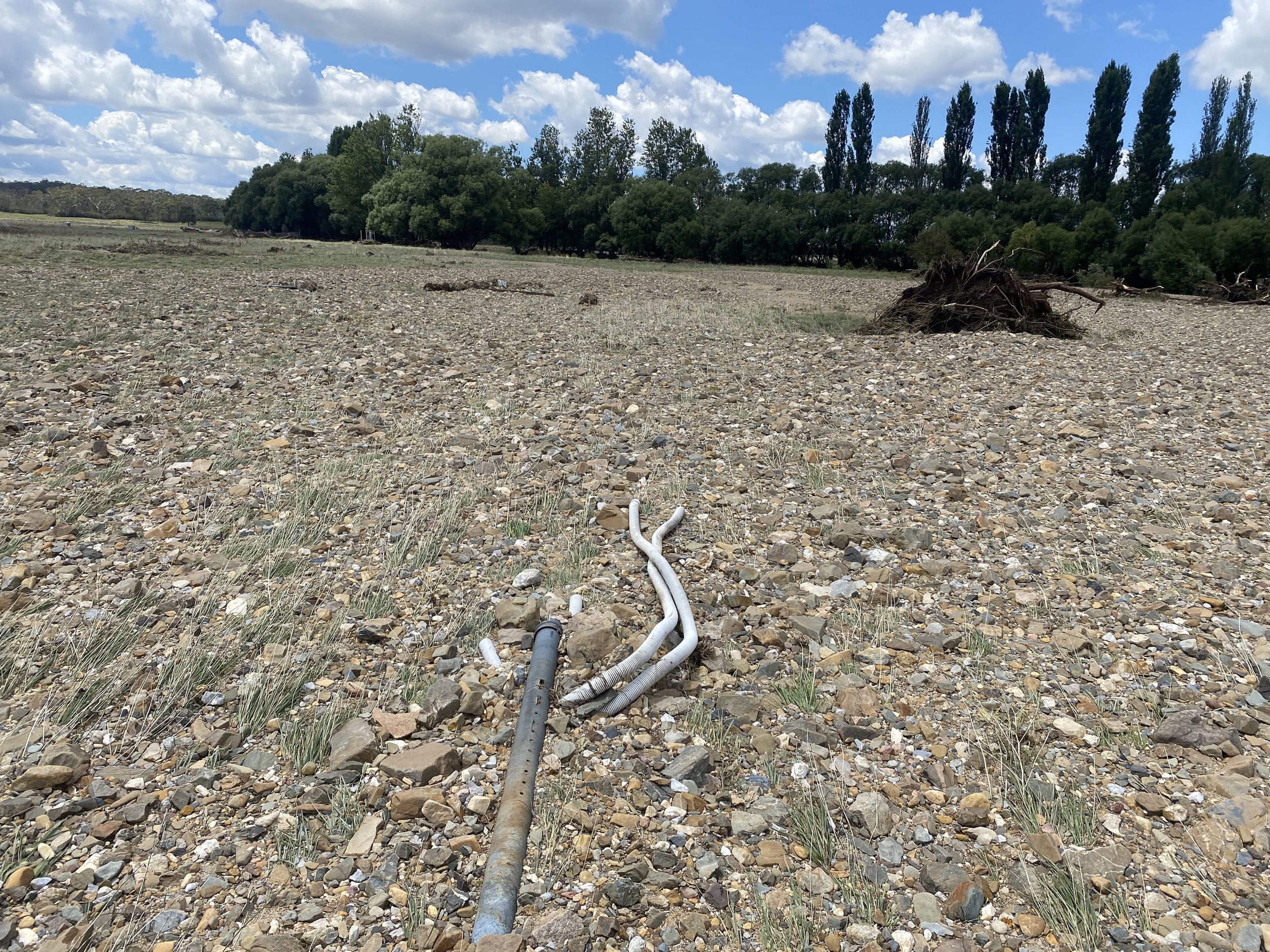
Given there was debris at least halfway up the fence on the top terrace at the Sandhills Creek crossing, the peak volume of water would have been much greater than double the channel capacity at this point, because water was also spreading across the floodplain. This means that the flood would probably have exceeded anything Sandhills Creek has seen in the past 200 years.


“It’s ironic that we started this work primarily for drought resilience. The last four years have demonstrated that our work is equally as important for flood buffering as well.”

Peter Hazell, Principle Landscape Designer, Mulloon Institute


At present, there are no instream structures installed along Sandhills Creek. As such the flow was high energy and there was substantial damage to the creek and nearby infrastructure.

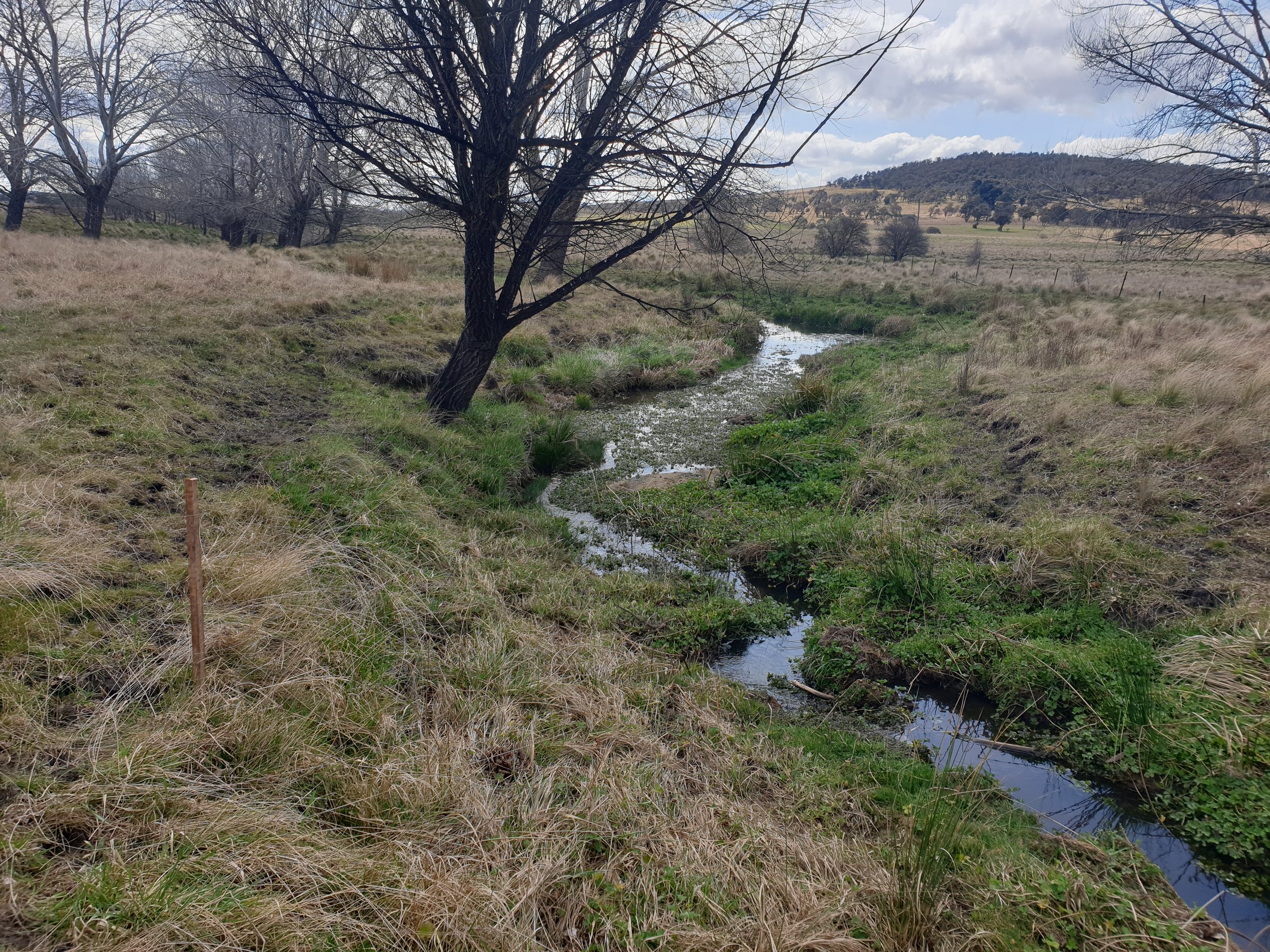
Mulloon Creek flooded as well. Though it was relatively smaller, it still broke the banks of the creek and spilt onto the floodplain. However, the energy of this flood was dissipated due to the installation of over 50 streambed structures into Mulloon Creek, and the surrounding riparian vegetation becoming well established. Fine material was deposited on the floodplain, no fences along Mulloon were lost, and overall, the system benefited. The event once again showcased the effectiveness of existing instream structures in distributing and filtering the flow, and in preventing erosion and incision of the creek. This is the 18th event that has broken the banks at Mulloon Creek since the beginning of 2020.

The big cleanup continues.

Sandhills solar panel washed away.

Sandhills monitoring equipment damaged

Sandhills Creek crossing showing the extent of damage to trees that have been ripped up during the intense flooding.

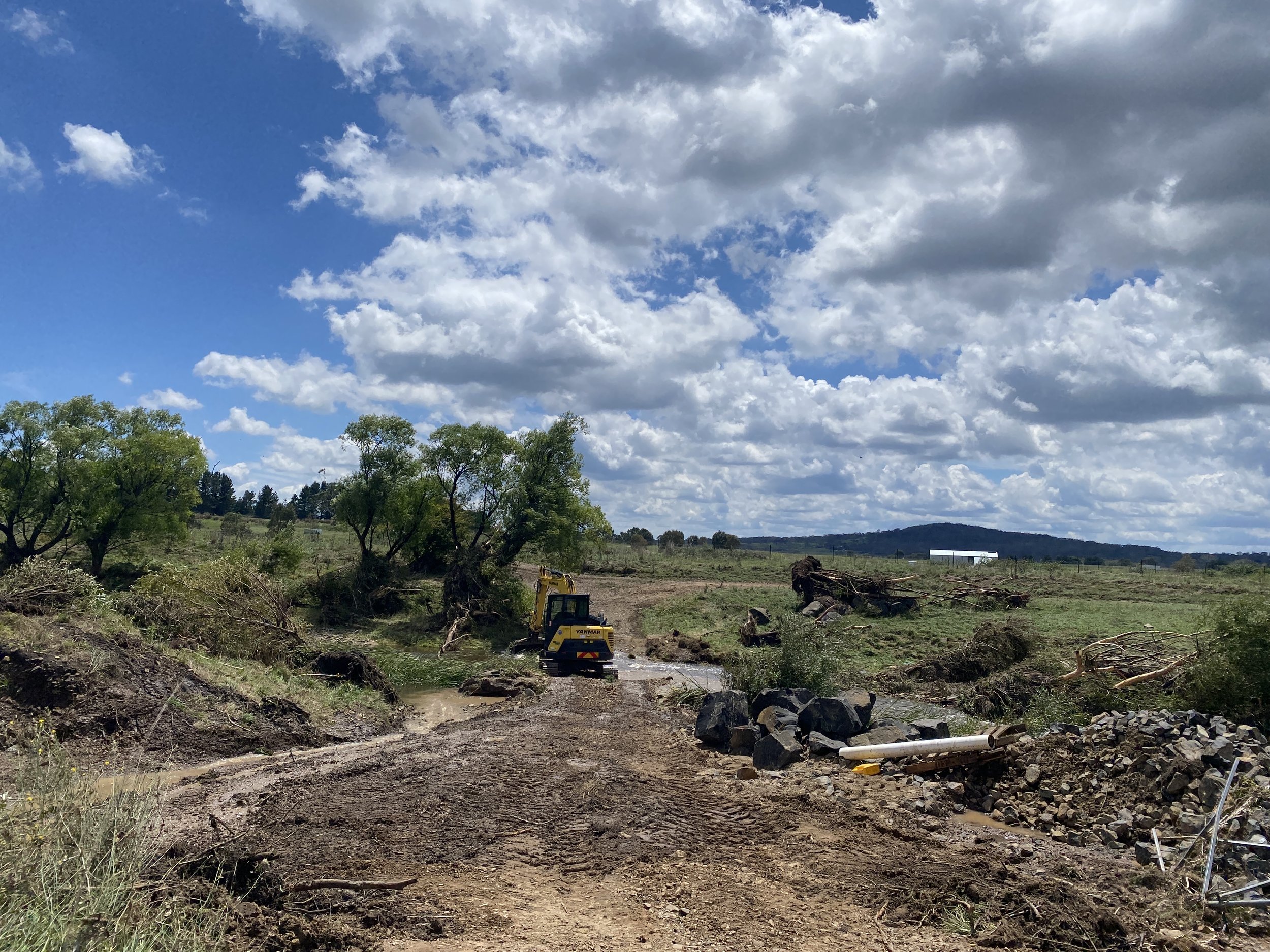
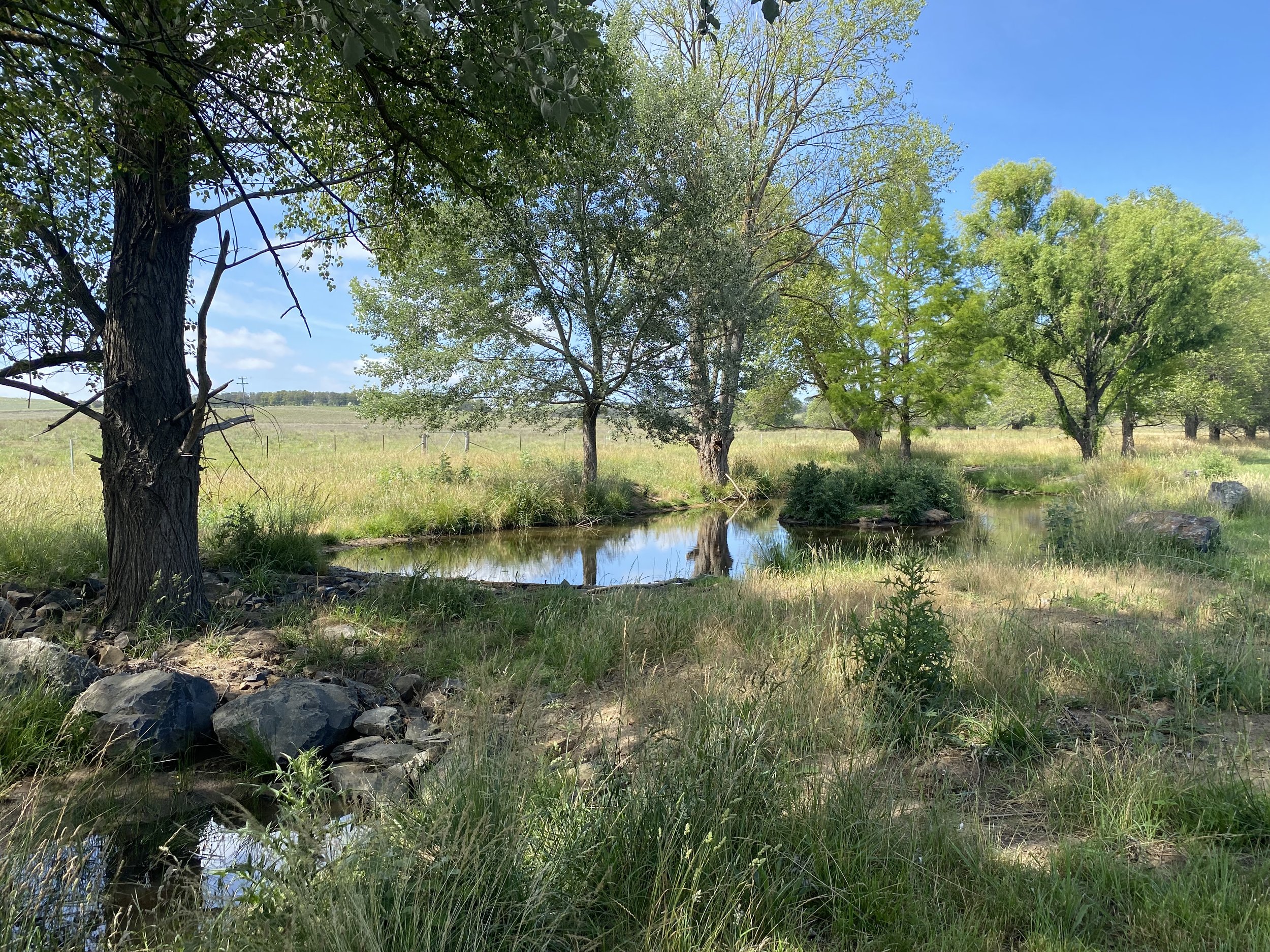
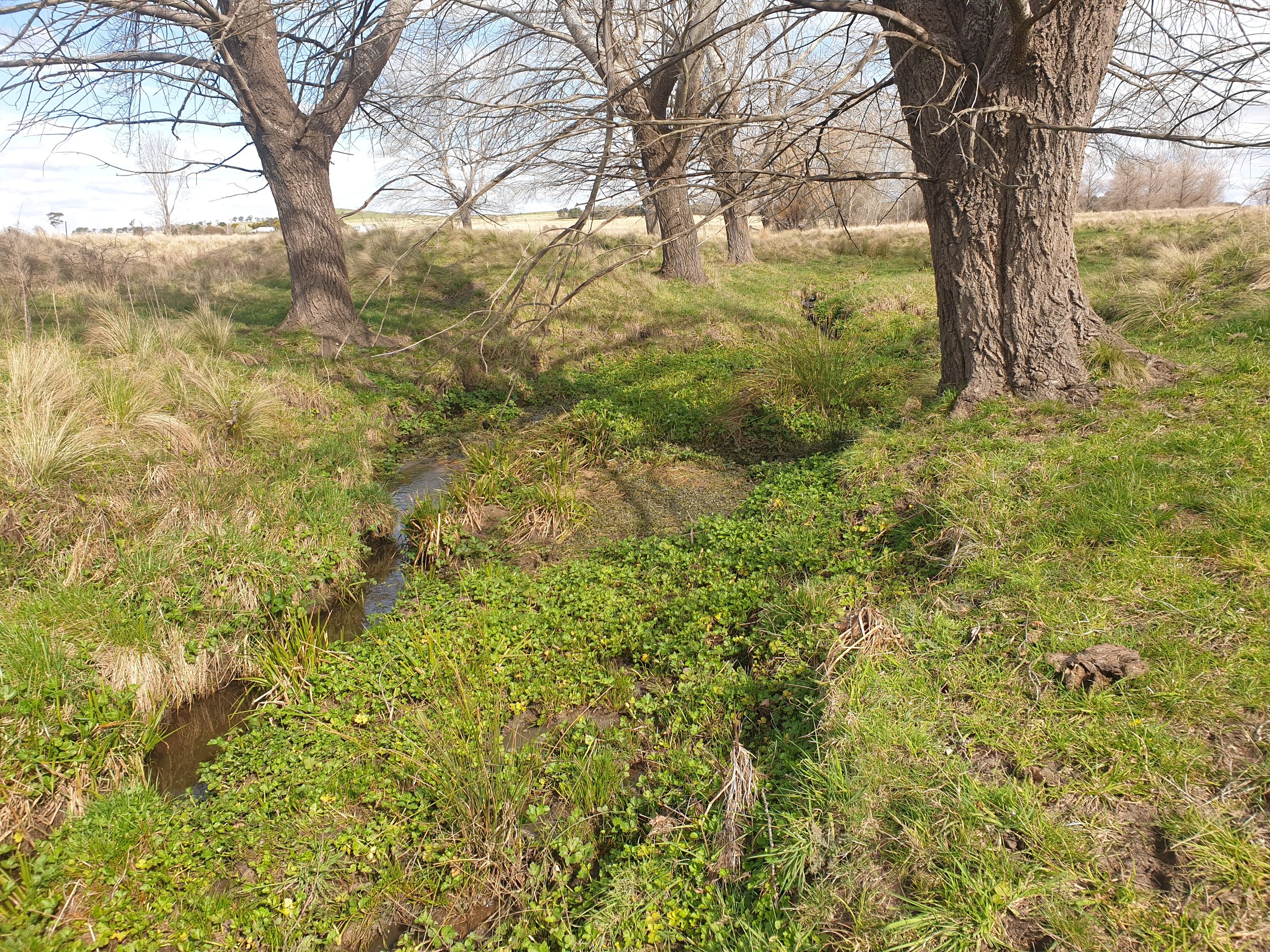
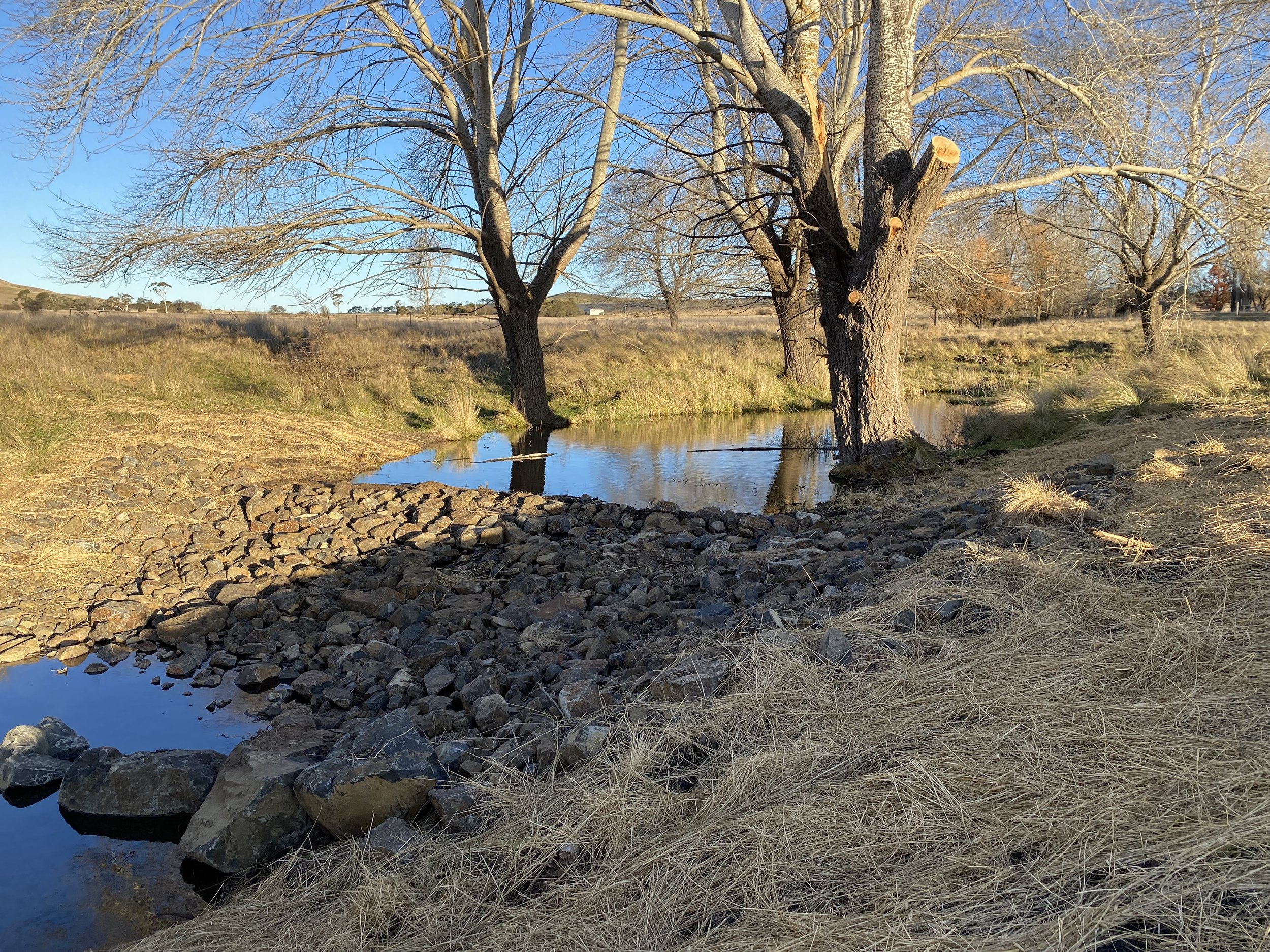
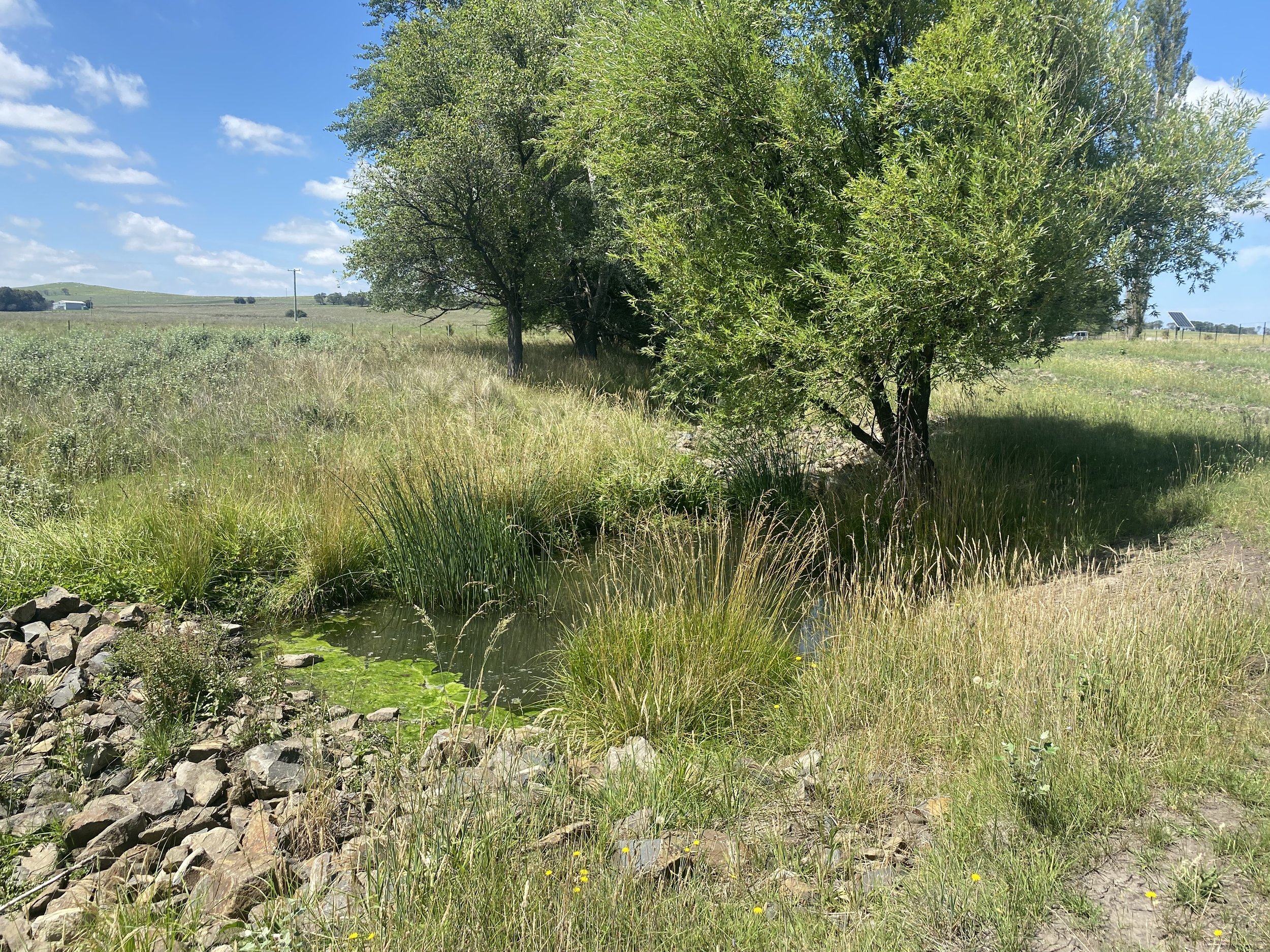
Structure L7 (log sill and rock weir) regenerating well in early summer, December 2023.

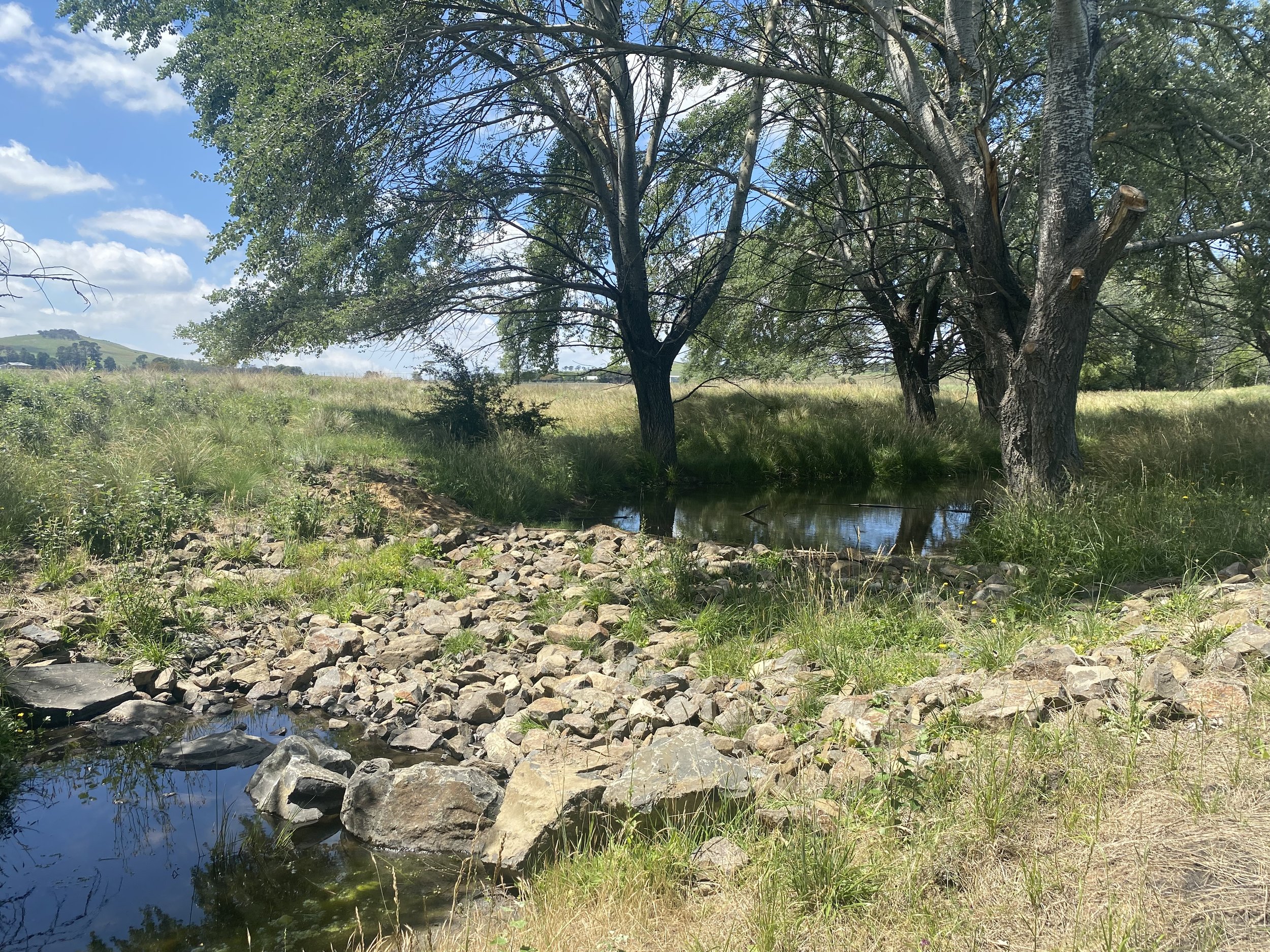
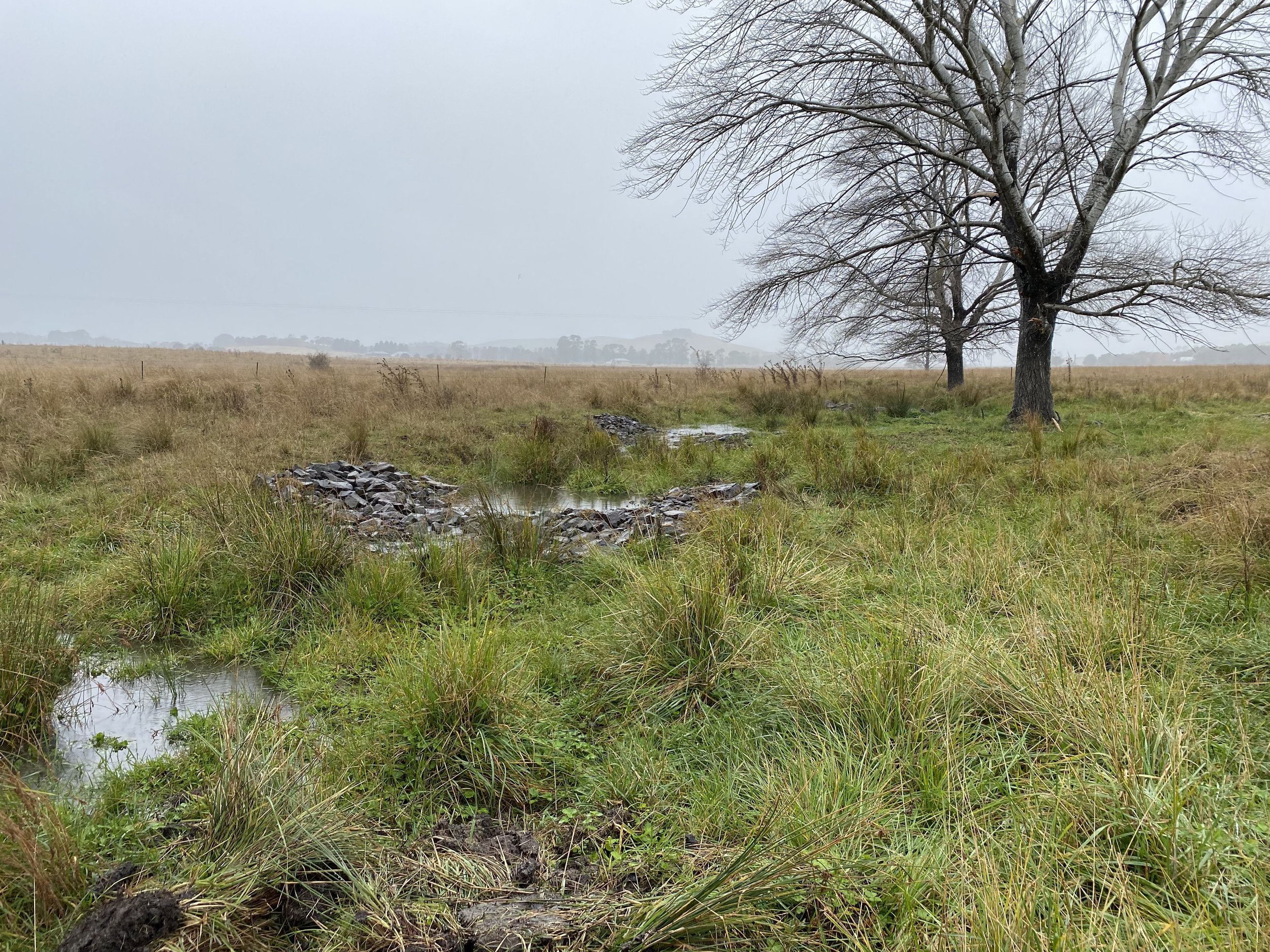
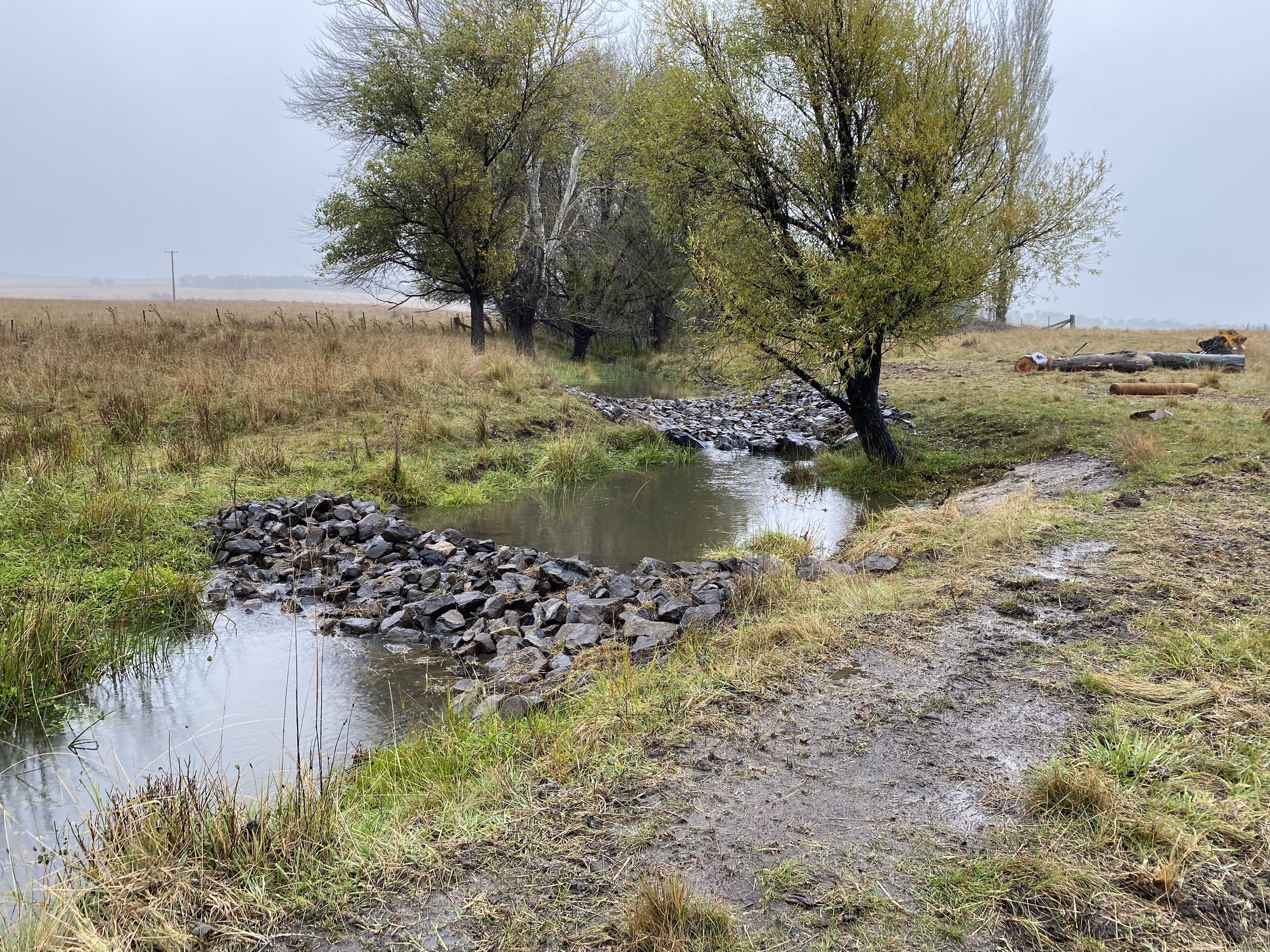
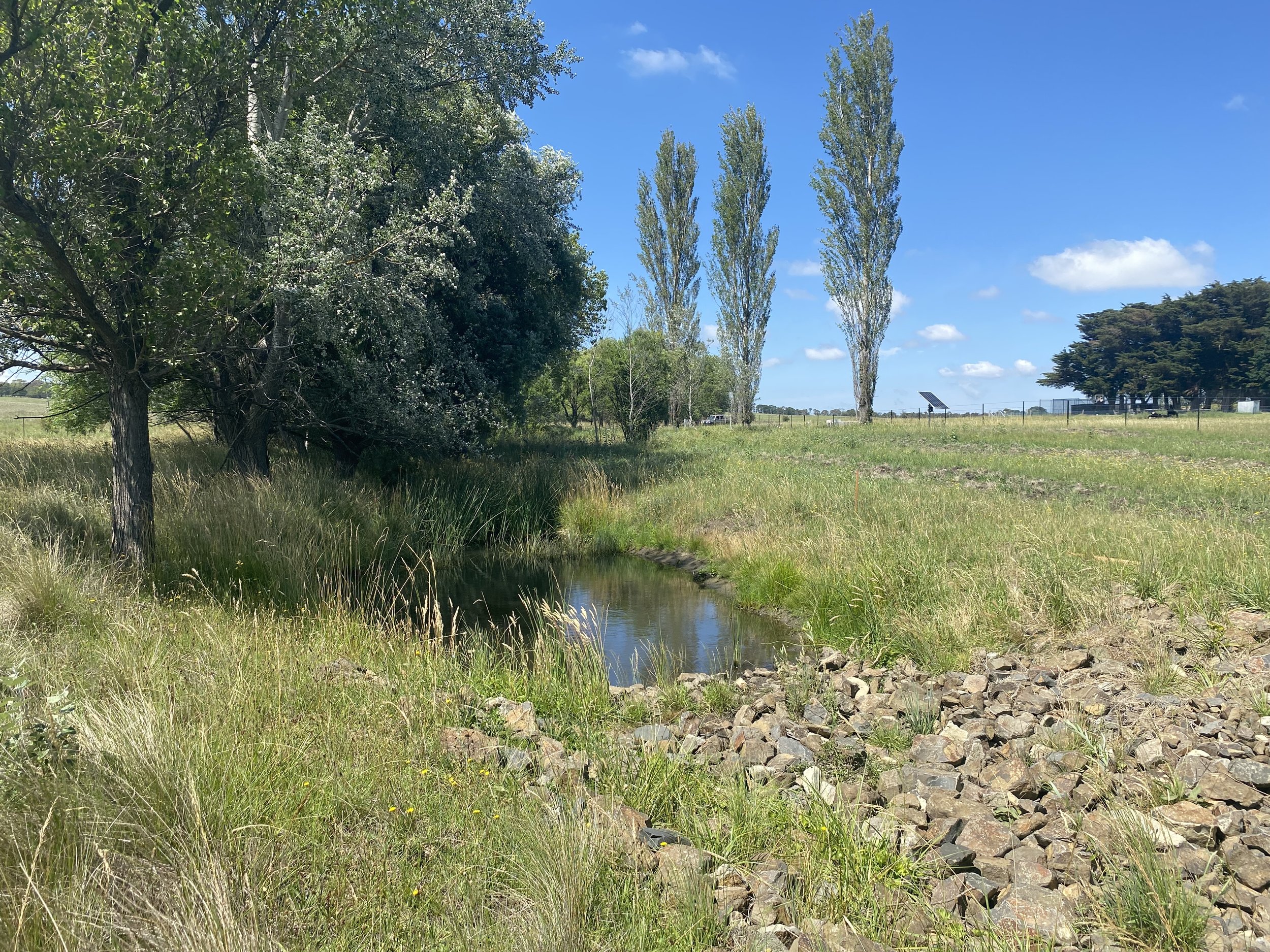
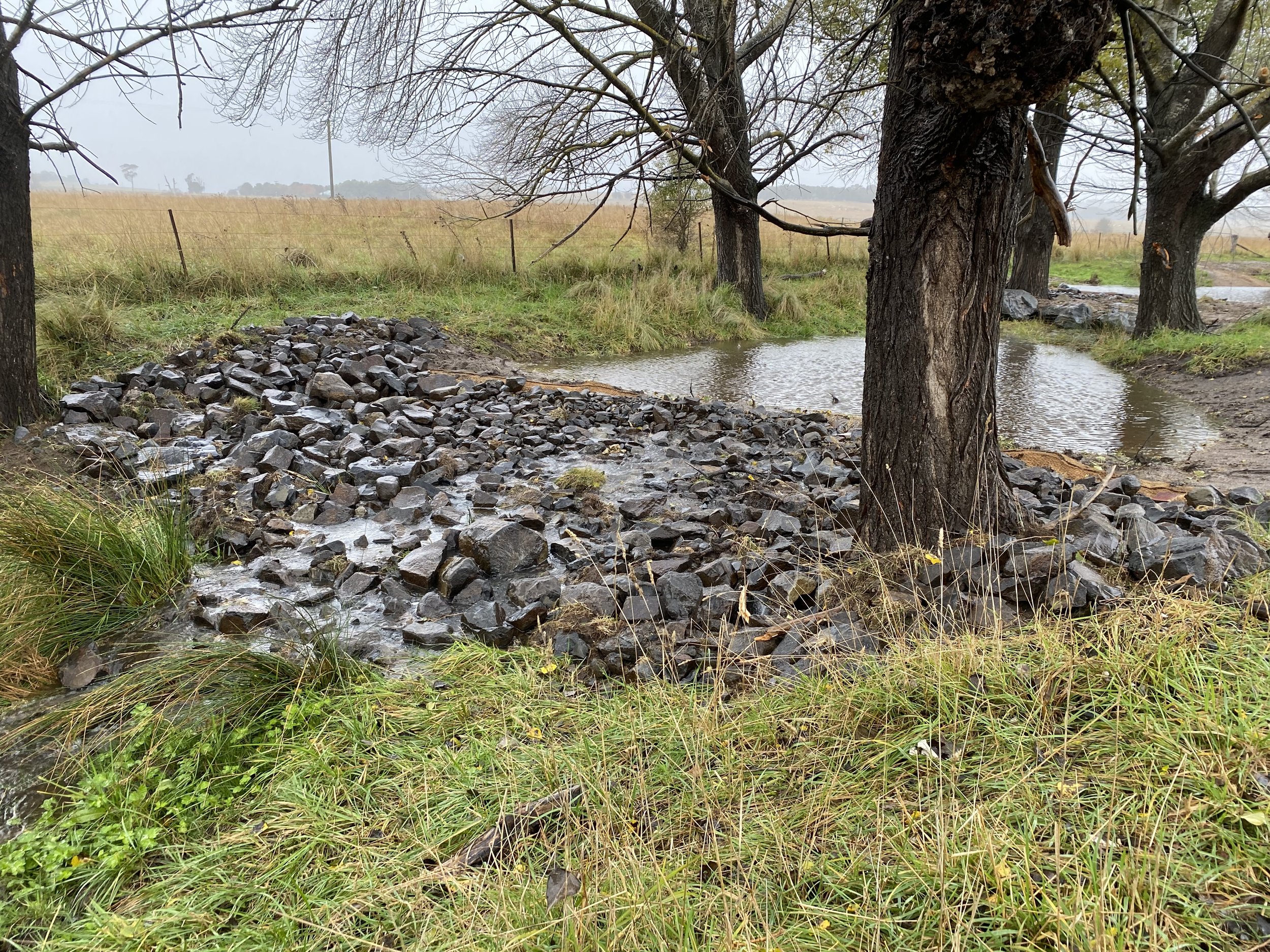
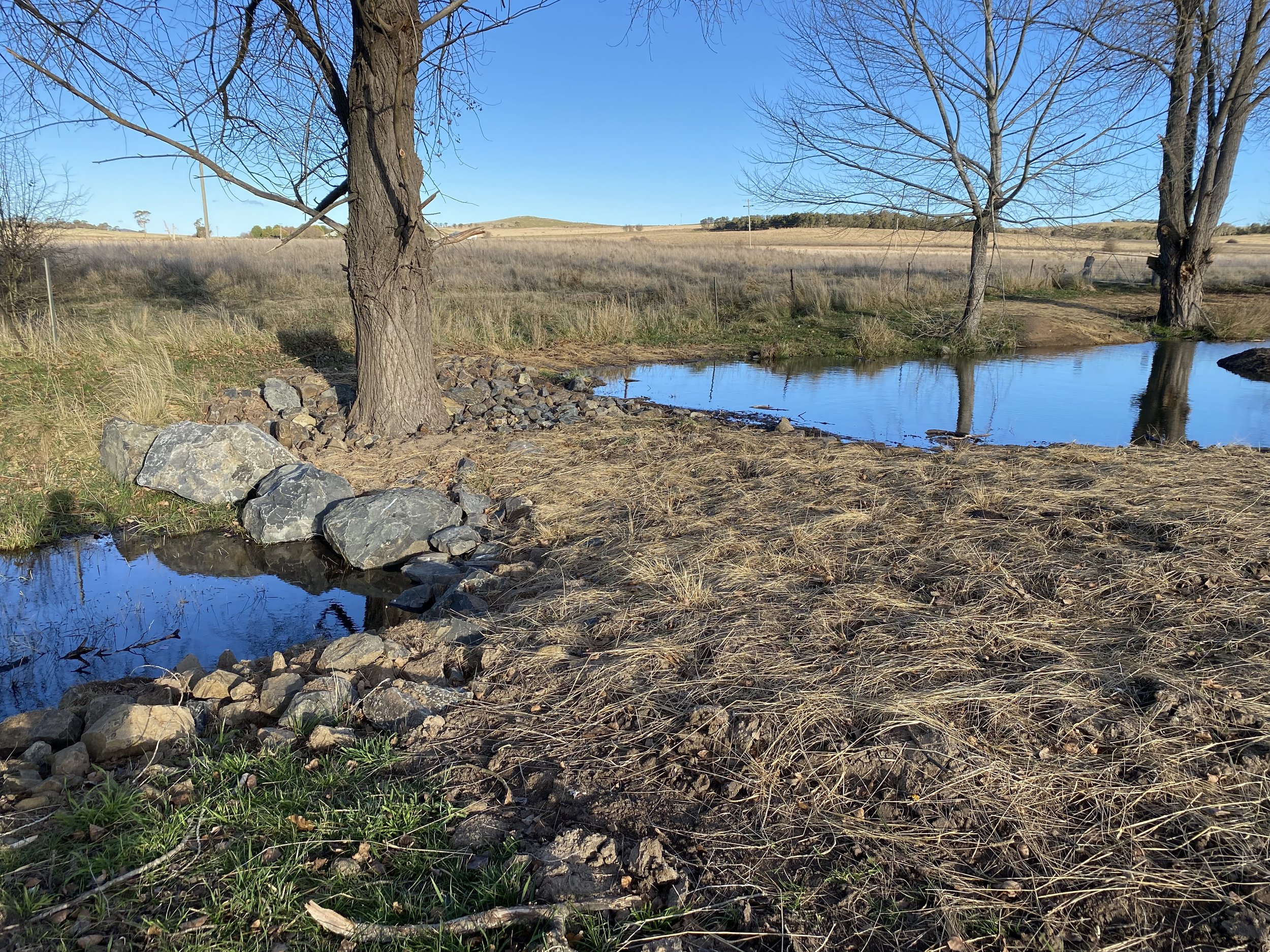
In December 2023, Senior Landscape Planner Jack Smart visited the ‘Lorrina’ property near Braidwood, NSW, to monitor a suite of in-stream structures installed six months earlier. These log-sill and rock weir structures are slowing water flows in the creek and creating new ponding zones. The results after six months are very positive.  

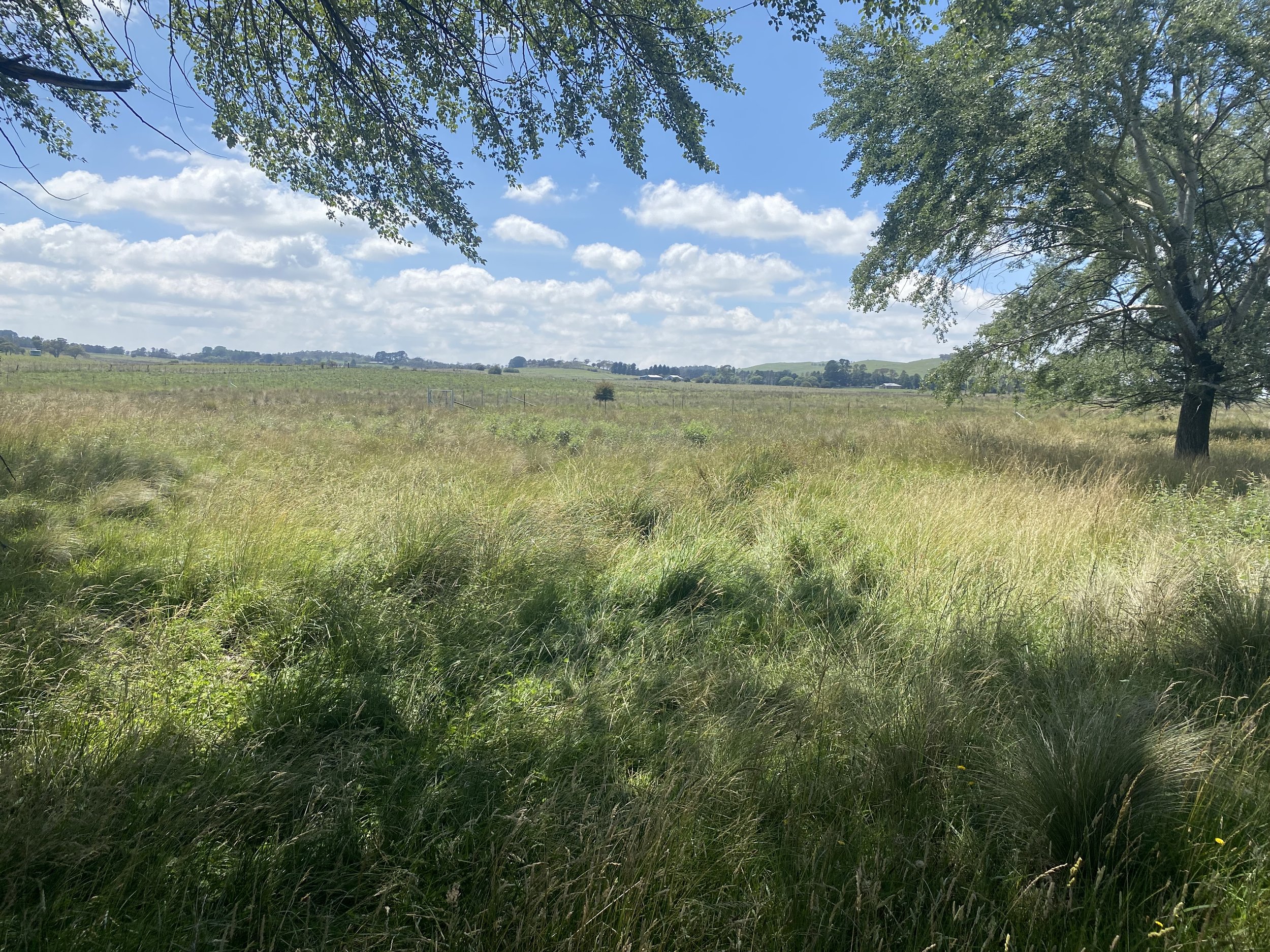
Vegetation has increased across the whole site, particularly aquatic vegetation within and beside the ponds. There is also plenty of vegetation growing on the structures themselves. Its continued growth will ensure the long-term stability of the structures and support many processes beneficial to the creek and the wider landscape: the deposition of sediment behind the structures, improved stream water quality and a gradual increase in the bed level of the channel. This natural regeneration will be boosted by a revegetation project the landholders are planning for the riparian corridor in autumn, 2024.  

The ‘Lorrina’ project is already illustrating what can be achieved with well-designed landscape rehydration interventions: we’re delighted to see this landscape’s transformation! Mulloon Consulting will be monitoring the site every six months to track the change. 


A series of comparison photos is provided below for a number of the Lorrina structures comparing sites before works commenced, sites just after works were constructed and sites six months post-intervention. 

(click on photos to enlarge and toggle through each set)

Above: Structure L2 (log sill and rock weir): before works commenced, just after works were constructed, 6 months post-intervention.

Above: Structures L3.1, L3.2 and L3.3 (series of small rock weirs); before works commenced, just after works were constructed, 6 months post-intervention. 

Above: Structure L3.4 (rock weir); before works commenced (looking downstream), just after works were constructed (looking upstream), 6 months post-intervention (looking upstream).

Above: Structure L4 (rock weir); before works commenced, just after works were constructed, 6 months post-intervention. 

Above: Structure L6 (log sill and rock weir); before works commenced, just after works were constructed, 6 months post-intervention. 

Above: Structure L7 (log sill and rock weir); before works commenced, just after works were constructed, 6 months post-intervention. 

Mulloon’s Erin Healy with local participants.

The Mulloon team were recently in the Inverell region visiting land managers’ properties as part of the Mentoring Program in the Communities of Practice Project. Funded by the Australian Government’s Future Drought Fund, the Mentoring Program is a guided learning journey open to Bootcamp graduates eager to integrate landscape rehydration interventions on their property. 

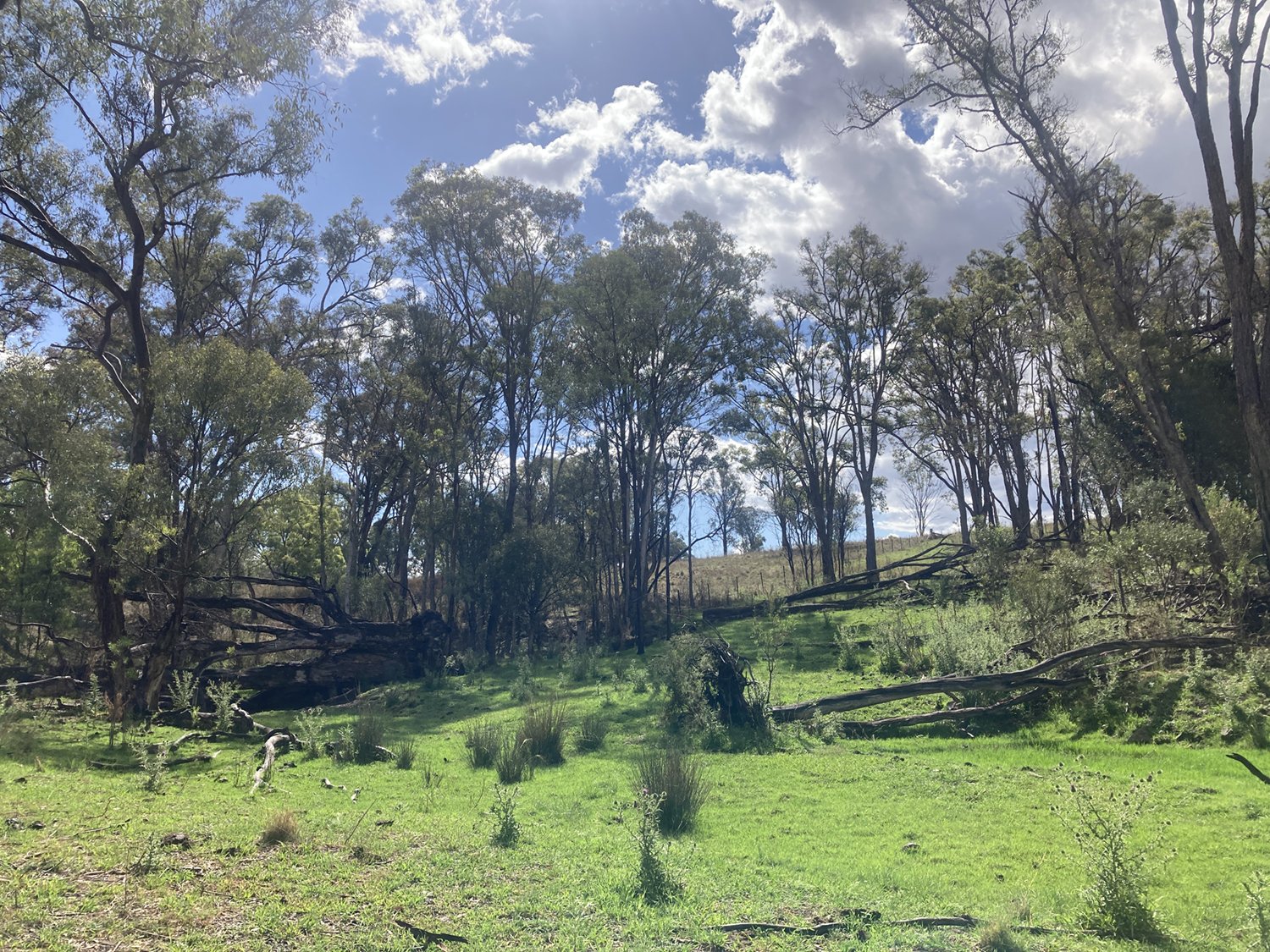
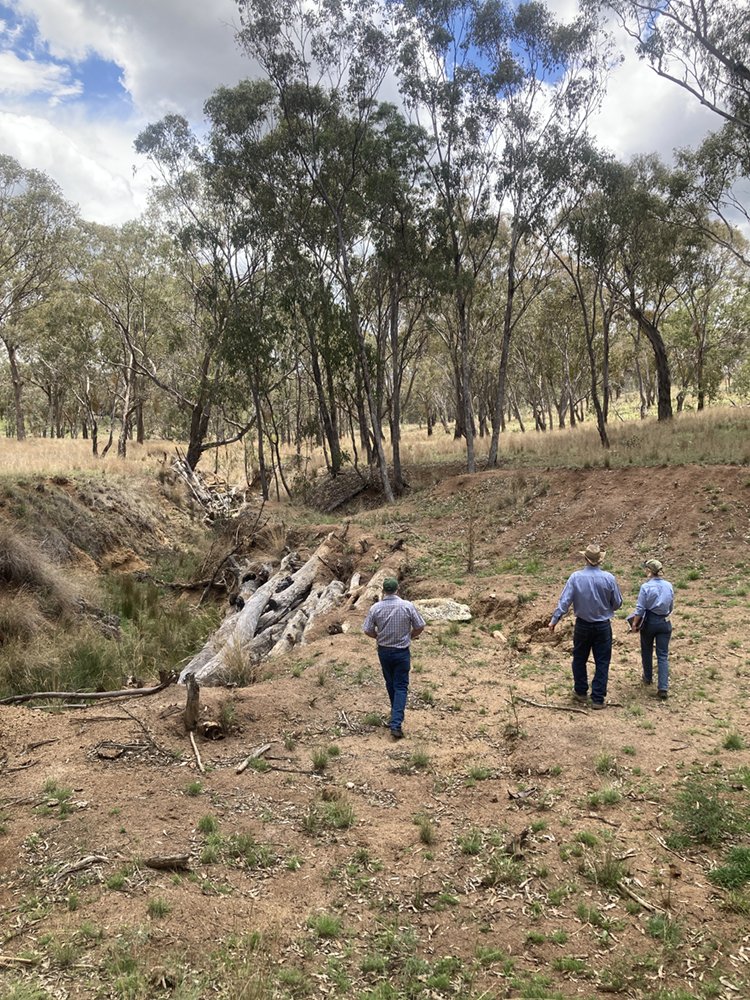
In collaboration with GWYMAC Landcare, Mulloon Landscape Planners Erin Healy and Annabel Manning visited several properties across four days to oversee a range of project ideas that complement the participants’ current enterprise and future plans. During visits the Mulloon team toured a range of locations identifying potential sites for landscape rehydration infrastructure.  

It was fantastic to see participants transferring the knowledge and skills gained in the Bootcamp being applied. The team were inspired by the vision behind their project ideas and enthusiasm in analysing landscapes and designing intervention strategies.

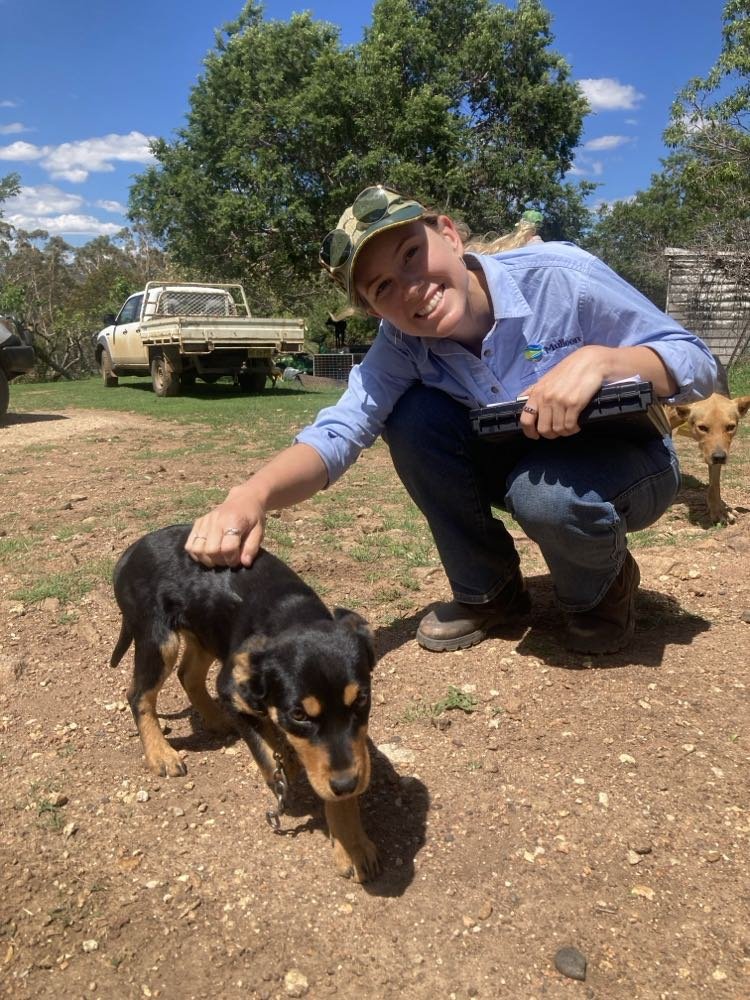
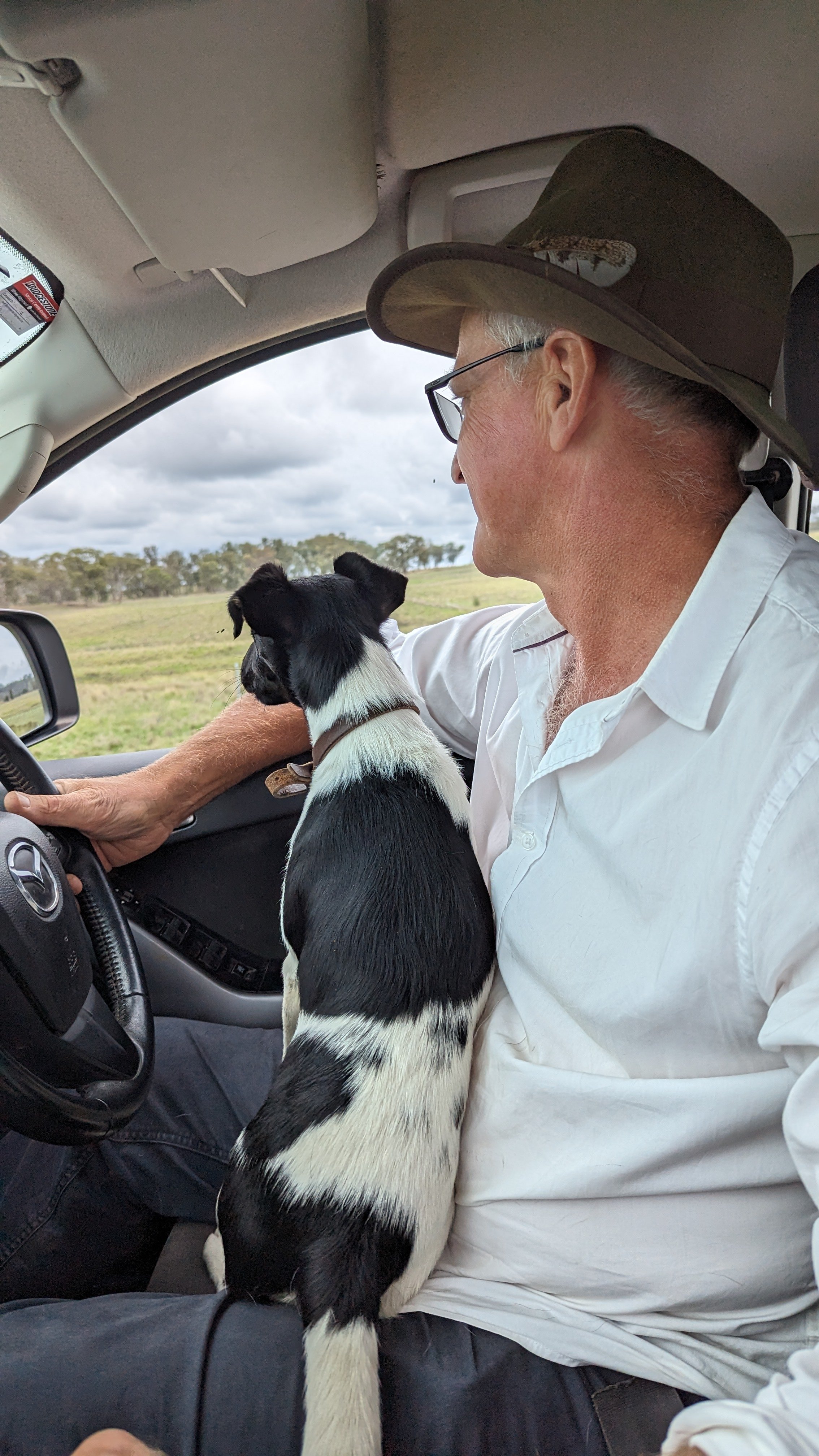
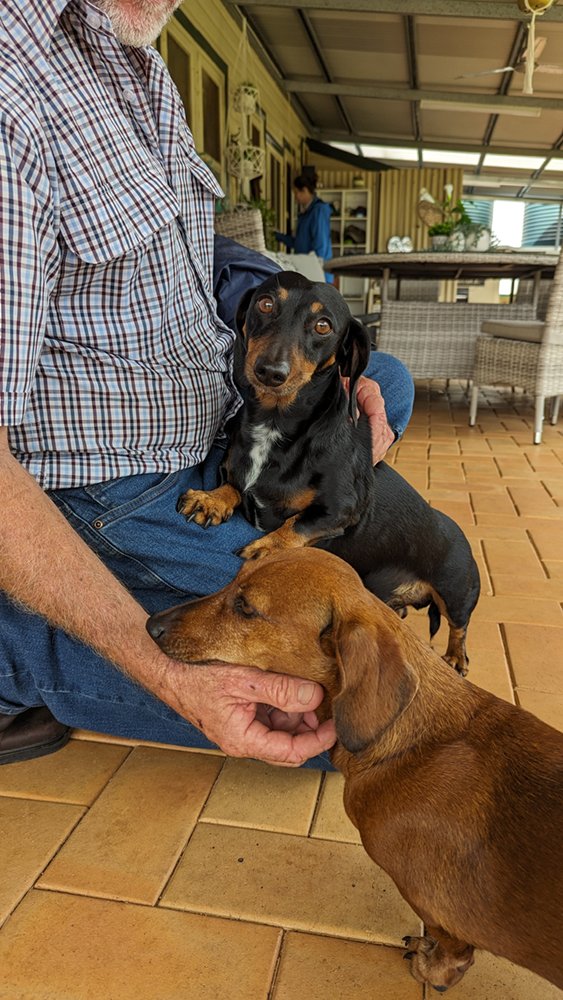
Another highlight of course, was meeting all the farmers’ dogs, from kelpie pups to seasoned working dogs and even grumpy dachshunds. 

The next phase of the program will see participants begin designing their landscape rehydration interventions with online guidance from the Mulloon team. These designs will incorporate natural materials and equipment available on their farms to create low-risk, natural structures to help restore the movement, storage and cycling of water on their properties.   

This project received funding from the Australian Government’s Future Drought Fund.
Mulloon Institute’s Learning Programs have been developed with the assistance of the NSW Government’s 
Environmental Trust.

As we close out the year, we bring you our Resilience Summer 2023 eNewsletter. It has been a jam-packed quarter with the launch of our proposal for the National Code of Practice for Landscape Rehydration & Restoration, the release of our Annual Report, the launch of The Water Story, and frantically trying to keep up with our CEO Carolyn Hall as she takes our work around Australia and to international audiences. A full round-up of our undertakings around the states and territories, media highlights and recent workshops and events are all covered this quarter. Enjoy the read!
Holiday closure details

Mulloon Institute and Mulloon Consulting will be closed Thursday, 21 December to reopen Monday, 8 January.

We wish you a happy and safe festive season!