Why the most important returns can’t be measured.

CEO Carolyn Hall recently represented Mulloon Institute and Australia at Berlin’s Partners for Change – SOILutions for a Food Secure, Resilient, and Sustainable Future conference in May. Carolyn shares a series of blog posts reflecting on the aims, challenges, impacts and themes that ran throughout the conference.

Representing Mulloon Institute and standing before 150 delegates at the Partners for Change – SOILutions for a Food Secure, Resilient, and Sustainable Future conference in Berlin, I faced the question that follows me everywhere: “What’s the financial return on landscape restoration?”

The Familiar Pattern
Day one’s insights were clear:

  • The ProSoil program has delivered measurable results and established agroecology as a viable farming approach
  • But impacts remain small compared to the work ahead
  • Political cycles demand we communicate financial values to gain attention

This sounded familiar. In Australia, whether talking to government, corporates or investors, everyone wants the same thing: show me the money.

The Numbers Game
The financial case is solid. Our Mulloon Rehydration Initiative economic analysis for the Economics of Drought Report (ELD – Economics of Land Degradation Initiative and UNU INWEH) showed that for catchment restoration:

  • $125,000 AUD net annual gain at catchment level
  • $575 million AUD net annual gain nationally

But here’s what keeps me awake: the most transformative benefits can’t be captured in a spreadsheet.

The Unmeasurable Wealth
How do you price a farming community’s ability to face drought with confidence rather than despair? What’s the ROI on First Nations people regaining access to Country to fulfill 65,000-year-old cultural obligations?

These aren’t rhetorical questions, they’re the heart of why our work matters.

The Real Challenge
We need to become bilingual: speaking the language of finance while never forgetting the language of the land. We must present compelling economics while telling the human stories that give those numbers meaning.

The question isn’t “What’s the ROI?” – it’s “What’s the cost of not acting?”

When framed that way, landscape restoration isn’t just a good investment – it’s an investment that makes sense.

On 19 June, the latest AMMO (Australian Mohair Marketing Organisation) Field Day in was held near Braidwood, generously hosted by Nolani McColl and Peter Munday. 

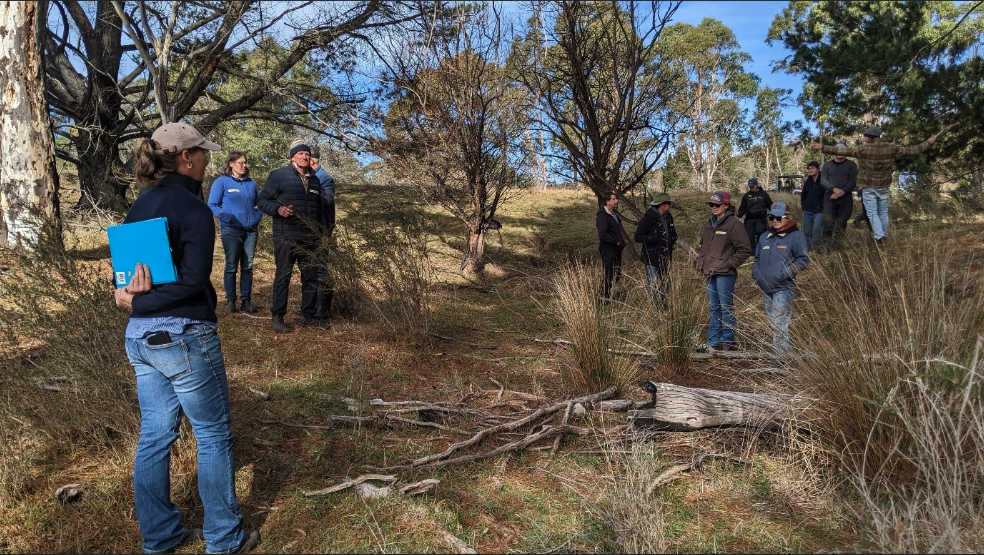
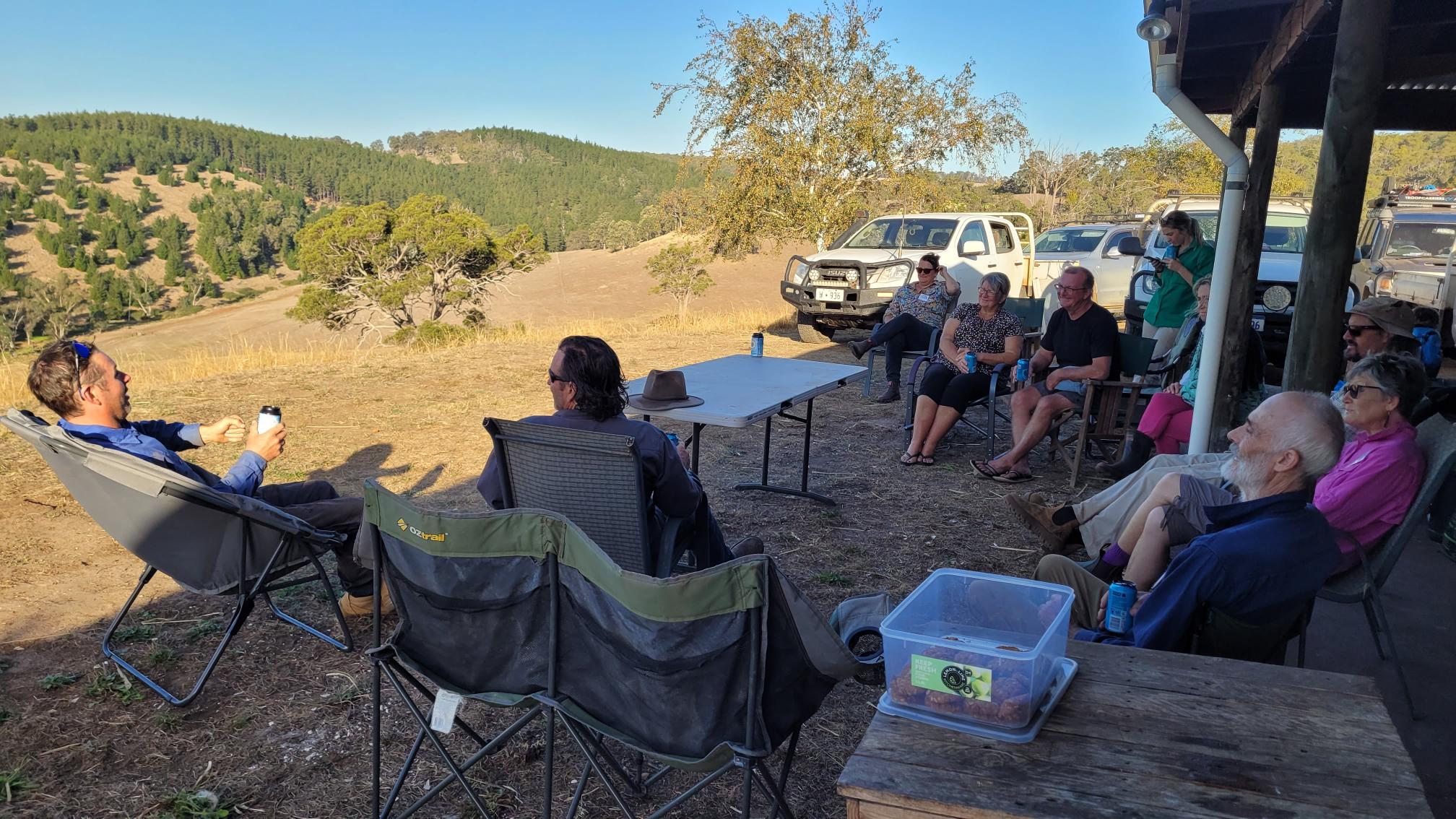
We started the day by the fireplace, where Penny Cooper and I unpacked the science behind landscape rehydration. We discussed how land managers can take control of their small water cycle using plants as key drivers to improve water availability locally rather than relying solely on the global water cycle. The group brought fantastic energy and insights to these discussions. 

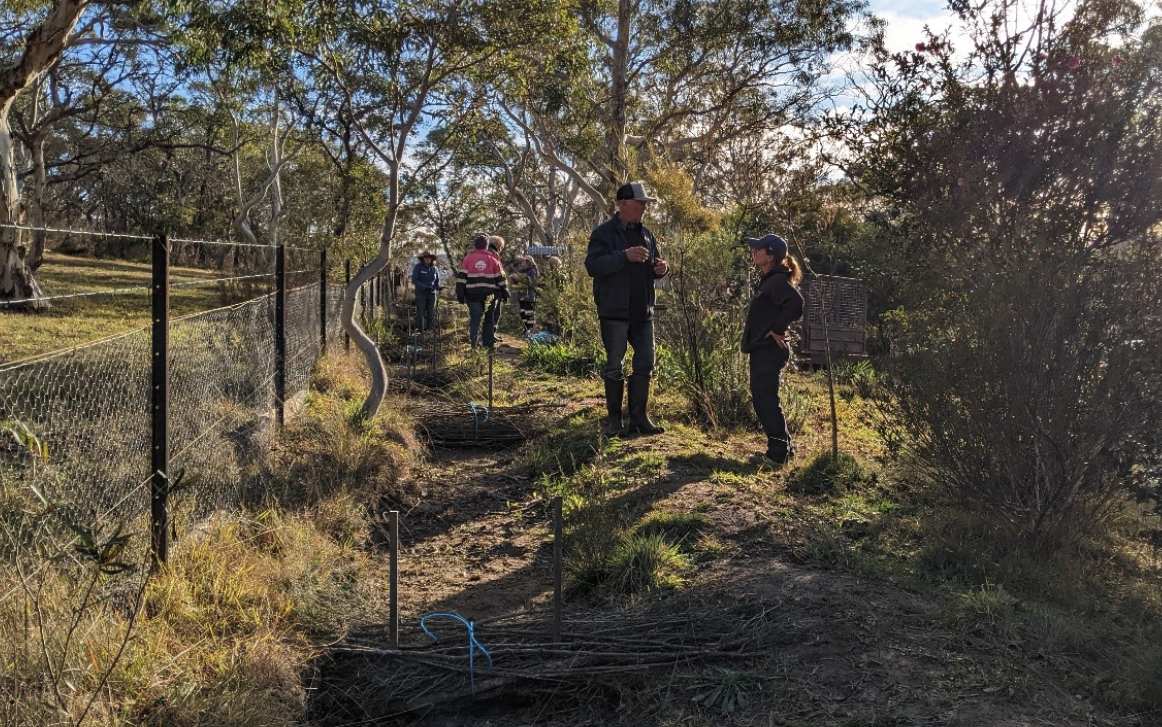
Afterwards, we explored the property to see these principles in action. Nolani showed us their methods, such as laying brush across previously scalded patches now thriving with mosses, forbs and grasses, and strategically placing fallen trees to slow water flow and reduce erosion along saline gullies. 

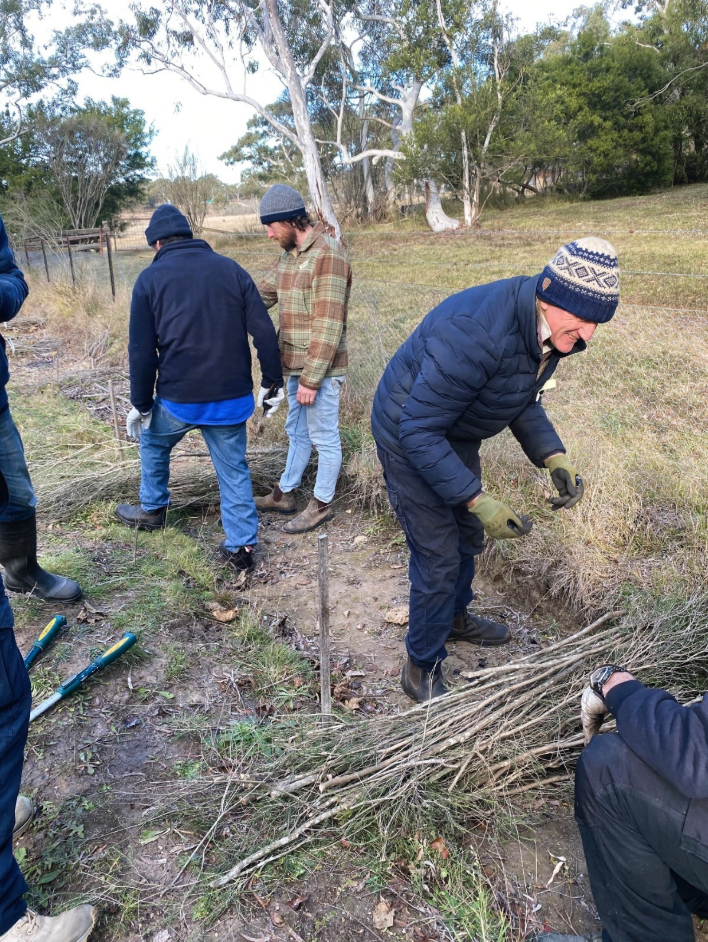
After some delicious homemade soup, we made mini brush packs to slow water in a drainage line near the driveway; a satisfying team effort to store moisture and sediment as vegetation establishes. 

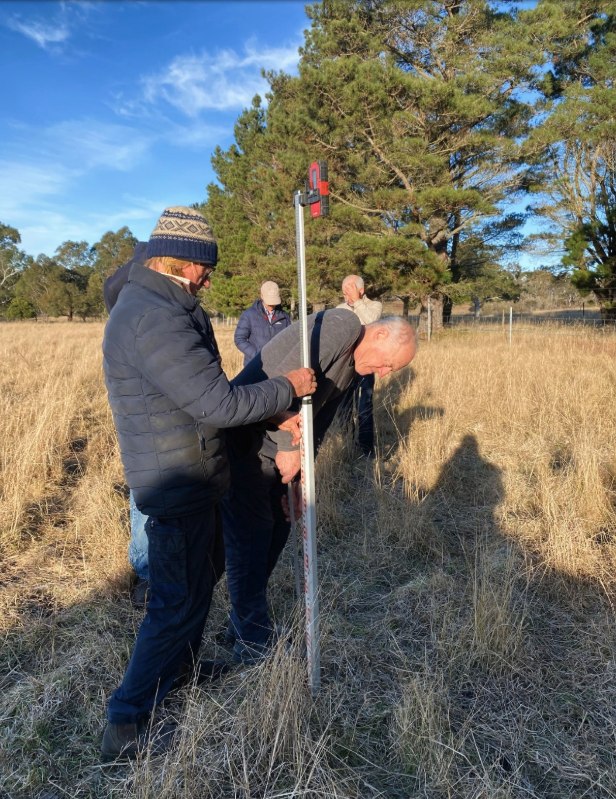
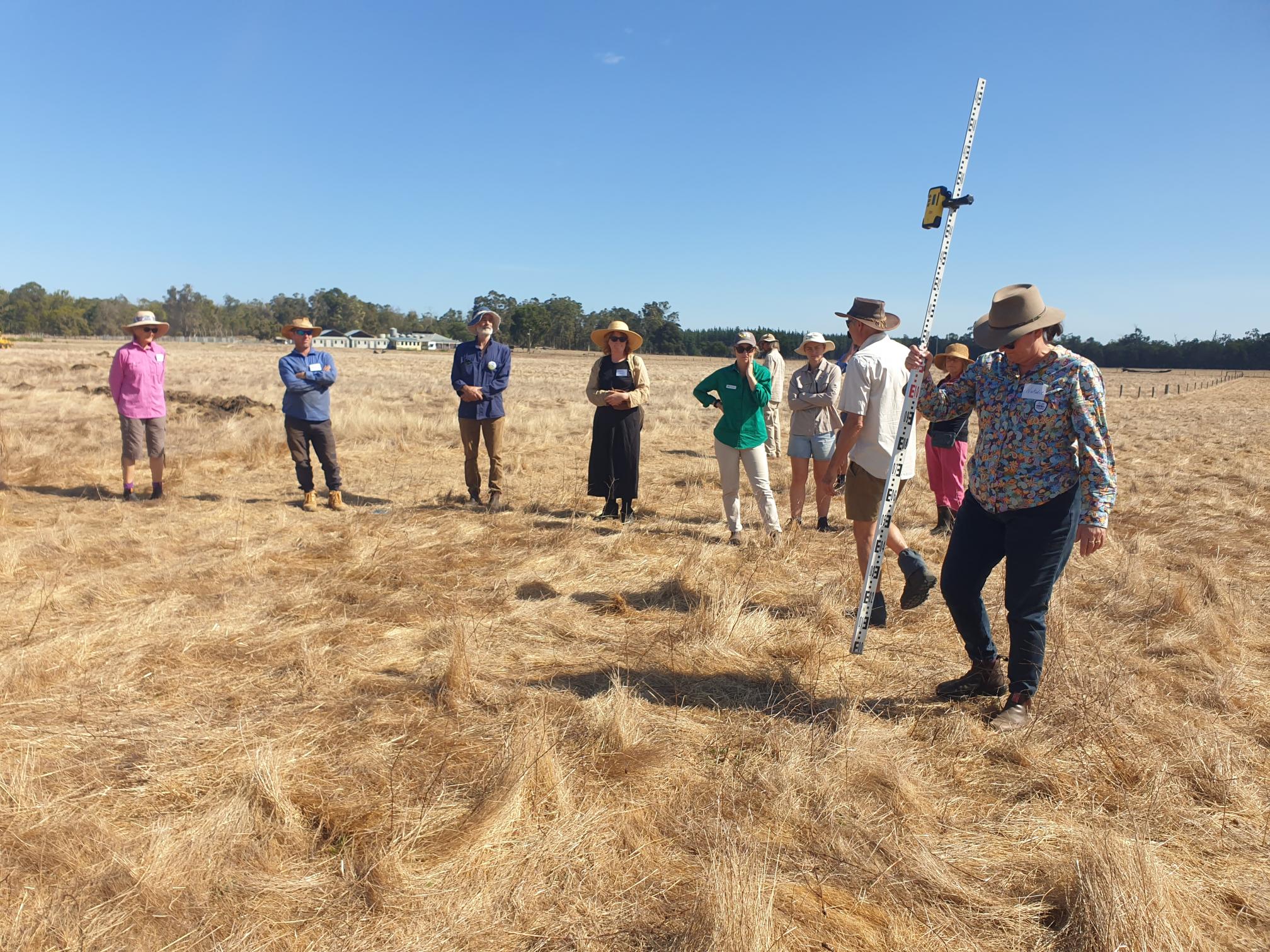
We finished the day with a demonstration on using a laser level to mark out a contour, another low-cost technique to promote water infiltration and vegetation growth. 

Thank you to Nolani and Peter for being wonderful hosts, and to Grant Forsdick, Chairman of AMMO, for his support in organising the event as part of the Australian Mohair Industry Drought Resilience Implementation Plan (AMIDRIP). These workshops are made possible thanks to funding from the Australian Government’s Future Drought Fund. See you at the next one!
 

Sharni Pike, Landscape Planner 

(pictured right: Doug and Peter marking out a contour with the laser level).

Rose Nairn was recently awarded the Medal of the Order of Australia (OAM) in recognition of her outstanding service to the community. This national honour is a fitting tribute to a woman whose decades of voluntary work, leadership, and compassion have positively impacted countless lives across regional New South Wales and the ACT.

Rose is the wife of our late Chairman Gary and is a beloved and highly respected member of the Mulloon family.

In 2000, while managing Westpac in Bateman’s Bay, Rose founded Women in Business, which quickly became one of the most active industry groups in the region. As Chair until 2003, she led meetings, organised guest speakers and conferences, and mentored countless women starting businesses. Her efforts earned her the Bateman’s Bay Chamber of Commerce Business Woman of the Year award in 2001.

Rose has always gone beyond her professional duties. She mentored high school students in business planning, chaired the local Salvation Army Red Shield Appeal, and was chosen to represent Westpac at the 2000 Sydney Olympics for her customer service excellence.

After moving to Canberra, Rose took on leadership roles supporting not-for-profit banking clients and community grant programs. She served on multiple boards including Karralika, L’Arche and the Montessori School Canberra, and volunteered for organisations such as Lifeline, Winnunga Nimmityjah Aboriginal Health Service, and Home in Queanbeyan.

Her many honours include Westpac’s Woman of Influence (2014), Local Hero Awards (2011, 2015, 2016), and the Spirit of Excellence award (2017).

Even in retirement, Rose continues to innovate. She founded Dwell for Australia, a shared equity housing model to help low-income earners enter the property market. That project is on pause as Rose now cares full-time for her young granddaughter – a testament to her enduring spirit of service.

Rose’s lifetime of action, advocacy, and compassion makes her truly worthy of her King’s Birthday Honour List award.

Rose is a shining example of selfless dedication to community, business and social progress. For over two decades, she has given her time, skills, and heart to a wide range of not-for-profit organisations, always driven by a desire to help others – particularly women, youth, Indigenous Australians and all those experiencing disadvantage.

Mulloon Institute’s Erin Healy shares highlights from her recent travels across North America, reconnecting with collaborators and exploring dryland restoration in action.

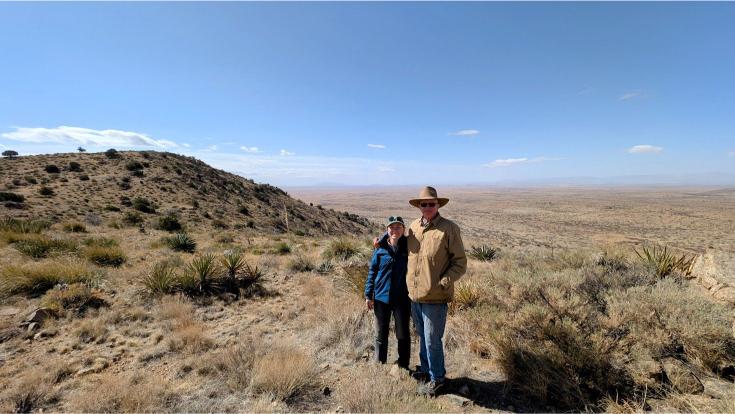
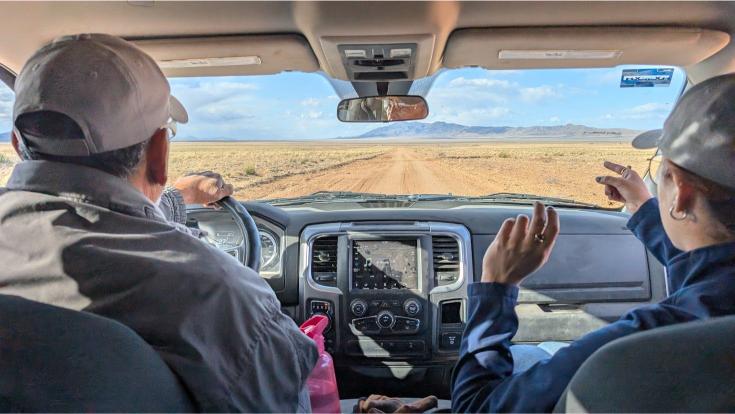
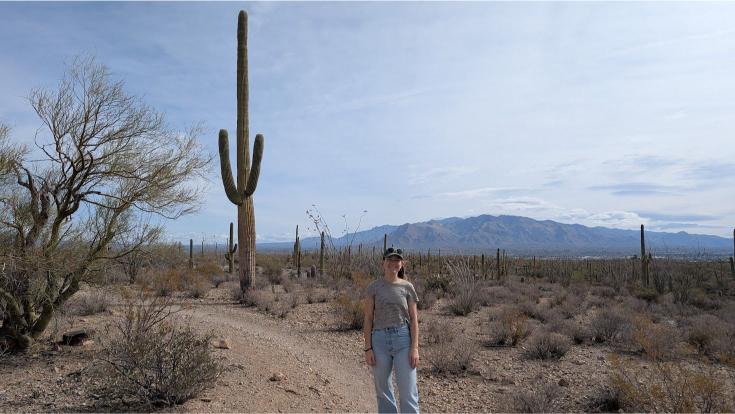
In early August, I had the privilege of travelling through Arizona, northern Mexico, and the High Plains of Texas – three regions united by their arid climates, deep connection to water scarcity and resilience, and inspiring efforts in landscape rehydration. 

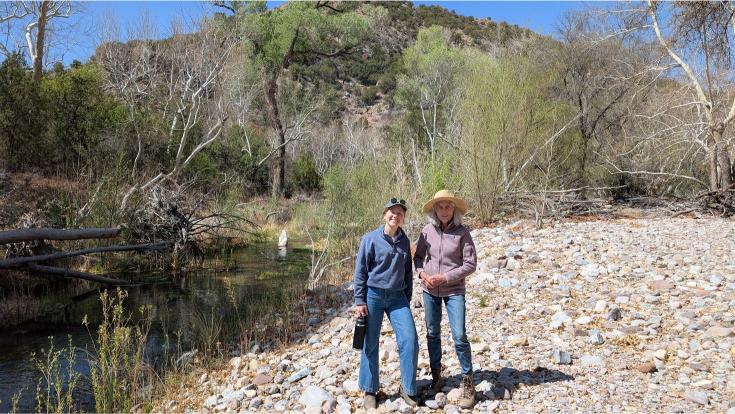
My journey began in Arizona, where I finally met Dr. Laura Norman and her team at the United States Geological Survey (USGS). Laura is a fantastic researcher and long-time collaborator with Mulloon Institute—we’re currently working together on a series of educational animations to share the science and practice of natural infrastructure in dryland systems (NIDS). Her research shows how nature-based solutions can improve water quality, reduce erosion, and recharge aquifers. 

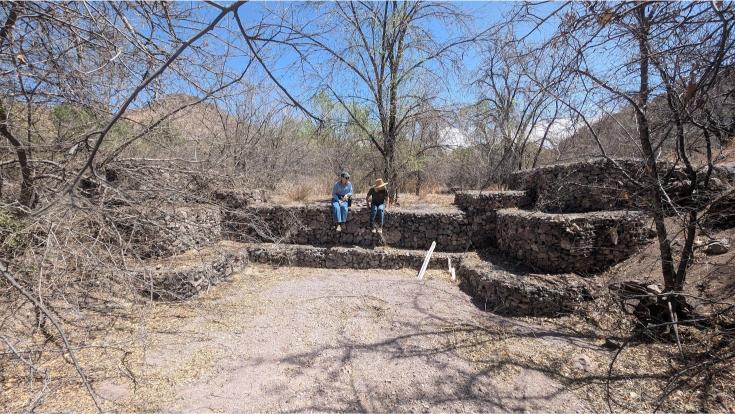
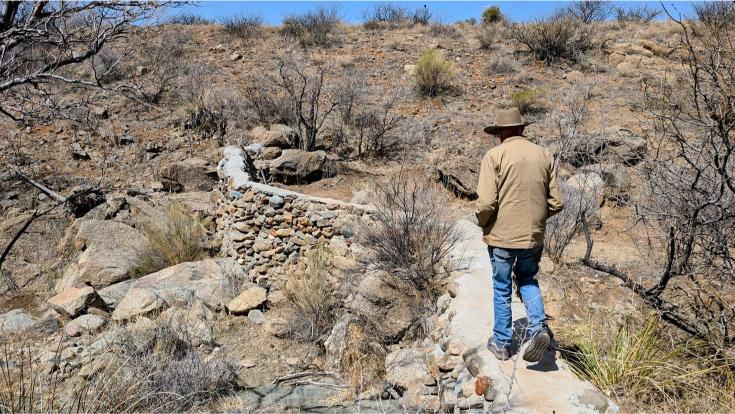
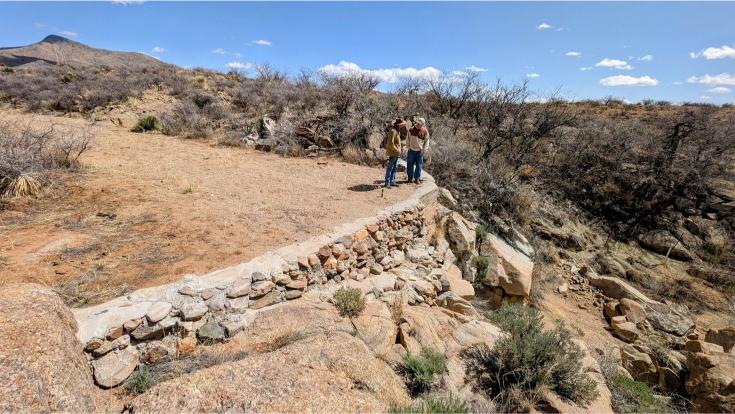
Thanks to Laura, I also visited Josiah Austin’s ranch in Wilcox, where decades of work with loose rock dams, cement and rock weirs and berms have transformed the desert into a resilient, sponge-like landscape – supporting both agriculture and endangered wildlife. Despite visiting during the worst drought on record, the impact of these efforts was clear and inspiring. 

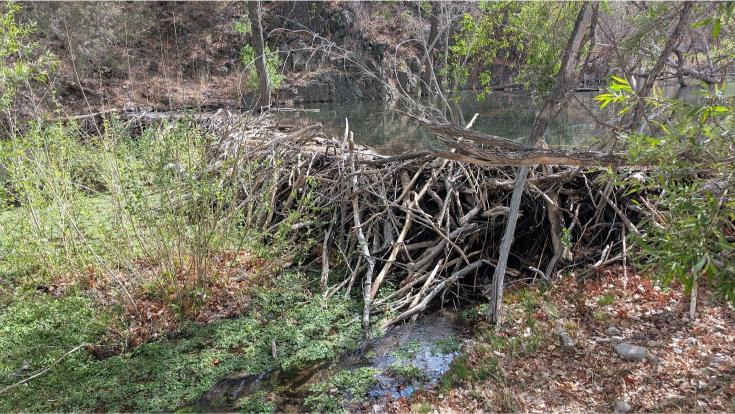
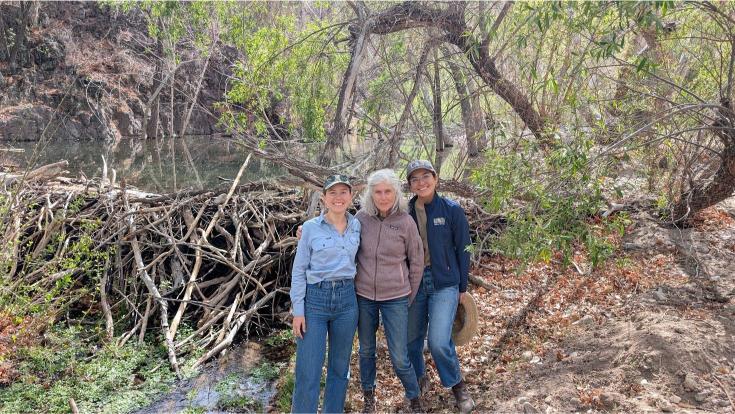
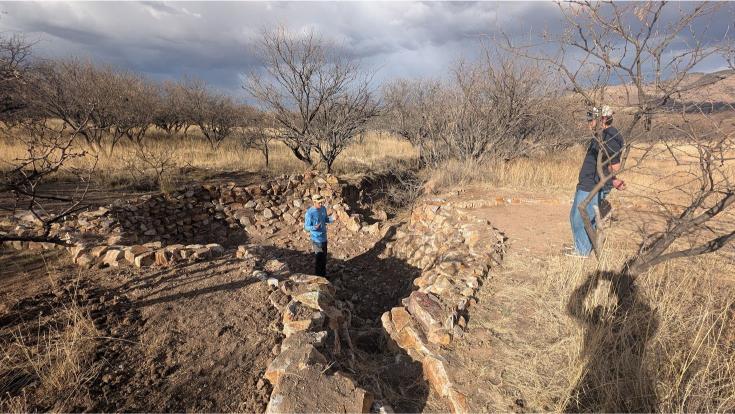
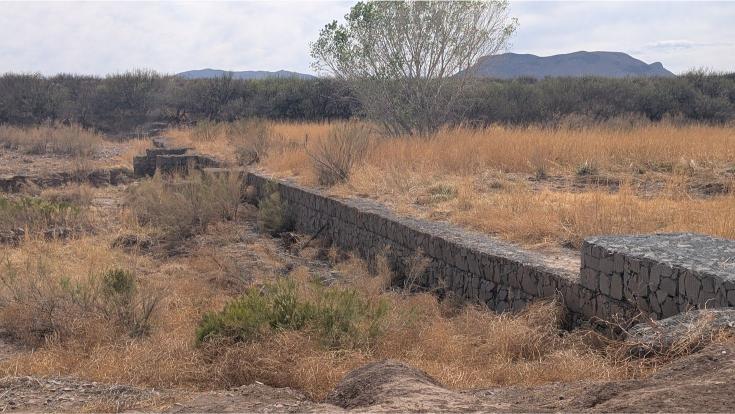
Crossing into Mexico, I was welcomed by Valer Clark and the team at Cuenca Los Ojos. Their mission to restore degraded ranchlands through waterway repair and rewilding is nothing short of remarkable. Seeing sediment-filled gabion weirs, revived springs, and even a beaver dam – yes, in the desert! (pictured below in Gallery) – was a powerful reminder of what’s possible with persistence and passion. 

Back in Arizona, we wrapped up the journey in Patagonia with a visit to the Borderlands Restoration Network. A big thank you to Ryan, who hosted us and shared the organisation’s impactful work in watershed restoration and native plant programs. It was a fitting end to a journey focused on healing landscapes and building resilience. 

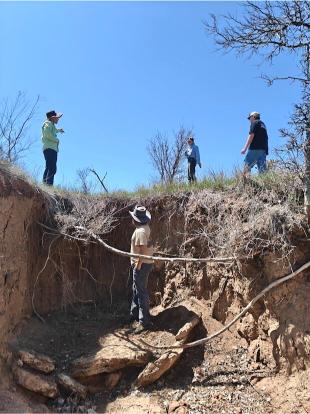
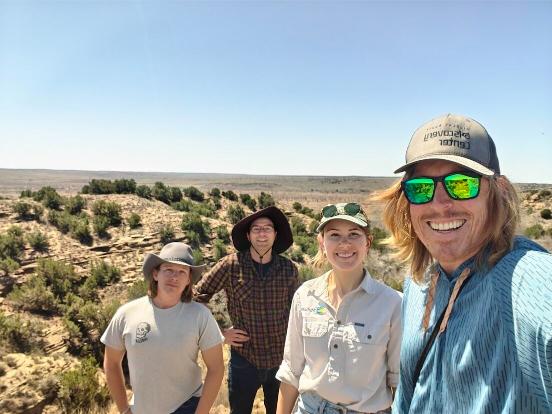
The final leg of the trip took me to Amarillo, Texas, in the heart of the High Plains. This region, once devastated by the Dust Bowl and now facing groundwater depletion of the Ogallala Aquifer, is at a critical crossroads. I was hosted by Timothy Ingalls of Frying Pan Ranch, who is trialling landscape rehydration and regenerative grazing practices. After years of remote collaboration, it was a joy to finally walk the land with Tim. 

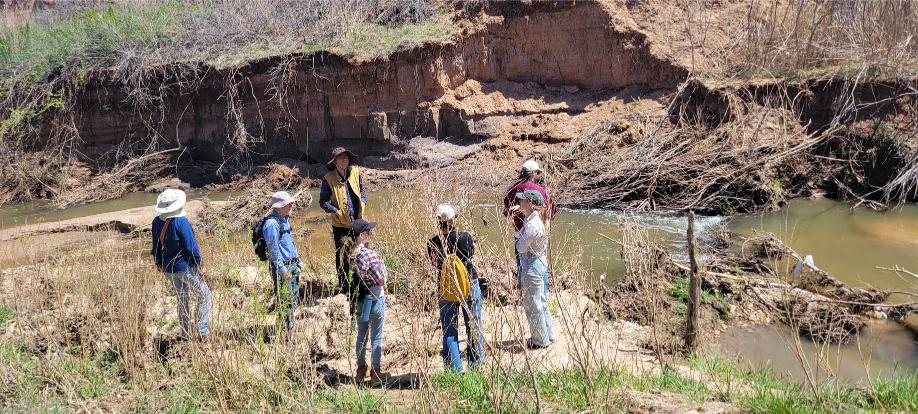
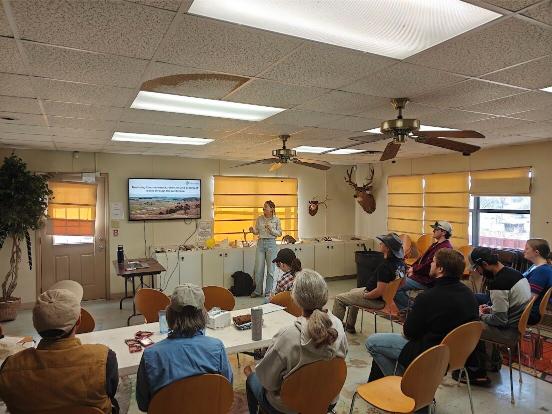
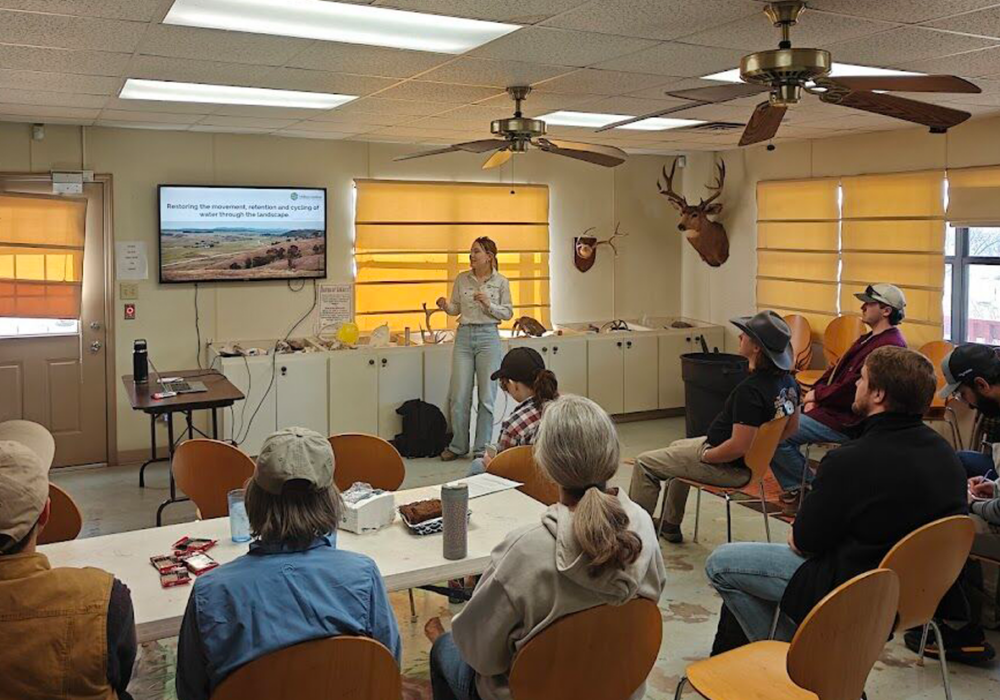
I also connected with Will Masters from Ogallala Life and Donavan Johnson, a NIDS expert working across multiple states. Their work with beaver dam analogues and watershed restoration is helping to recharge groundwater and build resilience in this drought-prone region. I was honoured to lead a field day hosted by Ogallala Life, sharing the Mulloon Institute’s approach and learning from a passionate local community. 

This journey was made possible by the generosity of so many—Tim, Will, Laura, Josiah, Valer, and Ryan. Thank you for your hospitality, your knowledge, and your commitment to healing the land. I look forward to continuing this important work together. 

Erin Healy
Environmental Engineer + Program Manager

Mulloon Institute’s Erin Healy shares highlights from her recent travels across Arizona, Mexico, and Texas, reconnecting with collaborators and exploring dryland restoration in action.

Mulloon Consulting recently completed construction of in-stream works at ‘Carwoola’ which comprises Stage 1 of the Molonglo Catchment Rehydration Initiative (MCRI). The aim of the MCRI is to restore the hydrological function of the significant Carwoola floodplain system located along the Upper Molonglo River, downstream of Captains Flat on the NSW Southern Tablelands. The MCRI also aims to restore habitat for the last known Green and Golden Bell Frog population on the Southern Tablelands, located on the Carwoola Floodplain.

This first phase of works involved the construction of eight in-stream structures, which have lifted the degraded and incised bed level of the river through the 3km of treated reach by around 0.5m-1m. construction was successfully completed in early March 2025. The works were overseen and implemented by Senior Landscape Planner Jack Smart, Field Officer Max Brunswick and Landscape Planner Mitch Lennon with support from Principal Landscape Planner Peter Hazell.

Following completion of construction, Mulloon Consulting has been busily working with assistance from volunteers to complete revegetation works around the structure sites, including transplanting of aquatic plants and planting of native tubestock. The revegetation works, overseen by Landscape Planner Penny Cooper and Max Brunswick, will assist in natural regeneration of the structure sites to ensure rapid establishment of vegetation across and around the structures. Mulloon Consulting will continue to closely monitor the site over the coming 12-24 months.

Construction of a suite of complimentary floodplain earthworks, including two constructed wetlands for the Green and Golden Bell Frog, will commence in the near future and are scheduled to be completed in August 2025.

This project has been assisted by the NSW Government through its Environmental Trust, alongside private philanthropy. 


Photos below: 
Photo 1. Carwoola structure CM7, before construction, photo 2. Carwoola structure CM7, immediately after works completed, photo 3. Carwoola structure CM7, after completion of downstream structure revegetation works.

The small water cycle – how rehydrating landscapes makes it rain.

Edited by Peter Hazell
B App Sc, M App Sc, GradDip Env Edu. Principal Landscape Planner

Australia’s agricultural soils today have approximately 50% less water holding capacity than before the arrival of Europeans.

There are multiple ways to fix this problem. For example, we can increase water retention in our soils (involving increased vegetation cover and improved soil health), and we can increase precipitation.

At Mulloon Institute, we apply strategies that increase water retention in our soils which allows plants to thrive – that’s half the problem solved – but how do we increase precipitation?

The small water cycle – what is it?

Mulloon Institute has recently published a series of excellent videos on this issue on this and related topics – VIEW HERE 

The small water cycle is the process where water evaporates, condenses, and precipitates locally, without traveling long distances. Precipitation includes rainfall, dews, and fogs. In natural, healthy ecosystems including well-managed grasslands, precipitation is captured by vegetation and absorbed into the soil. Plants transpire water vapor back into the atmosphere, which contributes to higher humidity, cooler temperatures, and cloud formation, which can lead to more precipitation in the same area. When this water enters rivers or oceans, it becomes part of the vast, global water cycle that moves water around the entire planet (the “large water cycle”).

Globally, more than 65% of precipitation originates from the land itself, mostly from transpiring plants (small water cycle) rather than oceans (large water cycle). Rehydrating landscapes—that is, restoring their natural ability to retain and cycle water—can reinvigorate the small water cycle, and potentially lead to more consistent and abundant local rainfall.

The small water cycle is highly dependent on vegetative cover, soil moisture, and local topography. When these elements are disrupted—through tree removal or traditional agriculture—the cycle is weakened or even broken.

Traditional farming land use practices can disrupt the land’s natural sponge-like behaviour. When trees are cleared and soils are compacted or stripped of organic matter, the land loses its ability to absorb and retain water. Instead of slowly infiltrating into the ground and replenishing groundwater, rainwater runs off quickly, causing erosion and flooding. This runoff typically carries valuable topsoil, nutrients, and pollutants into rivers and oceans, removing water from the local ecosystem.

As the land dries out, plants struggle to survive, leading to even less transpiration and even less precipitation—a feedback loop that accelerates soil dehydration. Across the world, including in Australia, human intervention has turned fertile, moisture-rich ecosystems into dry, brittle landscapes more prone to droughts, heatwaves, and dust storms.

By prioritising landscape rehydration, we can restore degraded ecosystems, create microclimates that attract and retain rainfall, and build long-term resilience against drought and climate change.

How to rehydrate land

There are various techniques for landscape rehydration including:

  • Planting trees – trees play a central role in the small water cycle. They not only shade and cool the land but also pull water from the soil and release it through transpiration. Integrating trees into agricultural land (agroforestry) increases local humidity and promotes rainfall.
  • Soil regeneration – healthy soil acts like a sponge. Practices such as cover cropping, composting, reduced tillage, and managed grazing help build organic matter, which improves water retention and reduces runoff.
  • Floodplain restoration – floodplains are natural water storage systems. Restoring floodplains slows water movement across the landscape, allowing it to seep into the ground and support plant life.
  • Water retention landscaping (also known as natural infrastructure) – swales, terraces, leaky weirs and other earthworks are used to slow, spread, and sink water into the soil. These simple structures can dramatically improve infiltration in hilly or degraded land.
  • Reconnecting floodplains – allowing rivers to overflow into their natural floodplains during rainy seasons helps recharge groundwater, capture silt and nutrients, reduce erosion, and support biodiversity.

The work of Mulloon Institute utilises all these techniques.

Small water cycle – climate change mitigation

The small water cycle isn’t just a tool for local resilience—it’s also a climate change mitigation strategy.

When landscapes are well hydrated they have a high green leave surface area, they capture CO2, store more carbon (in both soil and biomass), and can moderate extreme temperatures. Conversely, dry, exposed soils and deforested land absorbs heat and on balance release more CO₂ than is captured, exacerbating global warming.

Paradigm Shift in Water and Climate Thinking

The small water cycle is both vital and overlooked.

For decades, mainstream climate and water management strategies have focused on large-scale infrastructure, such as dams and irrigation systems. While these tools have their place, they often overlook the profound role of local ecological processes. What if, instead of spending billions on new dams or maintaining dam infrastructure, we spent this money (or less money) retaining and cycling water in our landscapes with all the significant biodiversity and agricultural co-benefits this brings? Isn’t this a smarter spend of community resources?

Mulloon Institute and the small water cycle

Through our learning and research functions we are teaching our communities about the Small Water Cycle. When you have time, have a look at this great work:

What a privilege it is being involved with the scientists, planners and educators of the Mulloon Institute.

Matt Egerton-Warburton
Chair, Mulloon Institute & Chair, Mulloon Law Committee

Photo ©Freepik.

As we approach the final stages of Mulloon Institute’s Communities of Practice Project (CoPP), we’re celebrating the depth of connection, learning and action that’s taken place across the country over the past year.

The CoPP was designed to support capacity building and hands-on rehydration practices with landholders and regional groups – bringing practical skills and landscape literacy directly to the people who care deeply about their landscapes, and care for Country.

This autumn, three inspiring Boots on Ground events were held in South West WA, Batchelor NT, and Eugowra NSW, each tailored to local conditions and priorities.

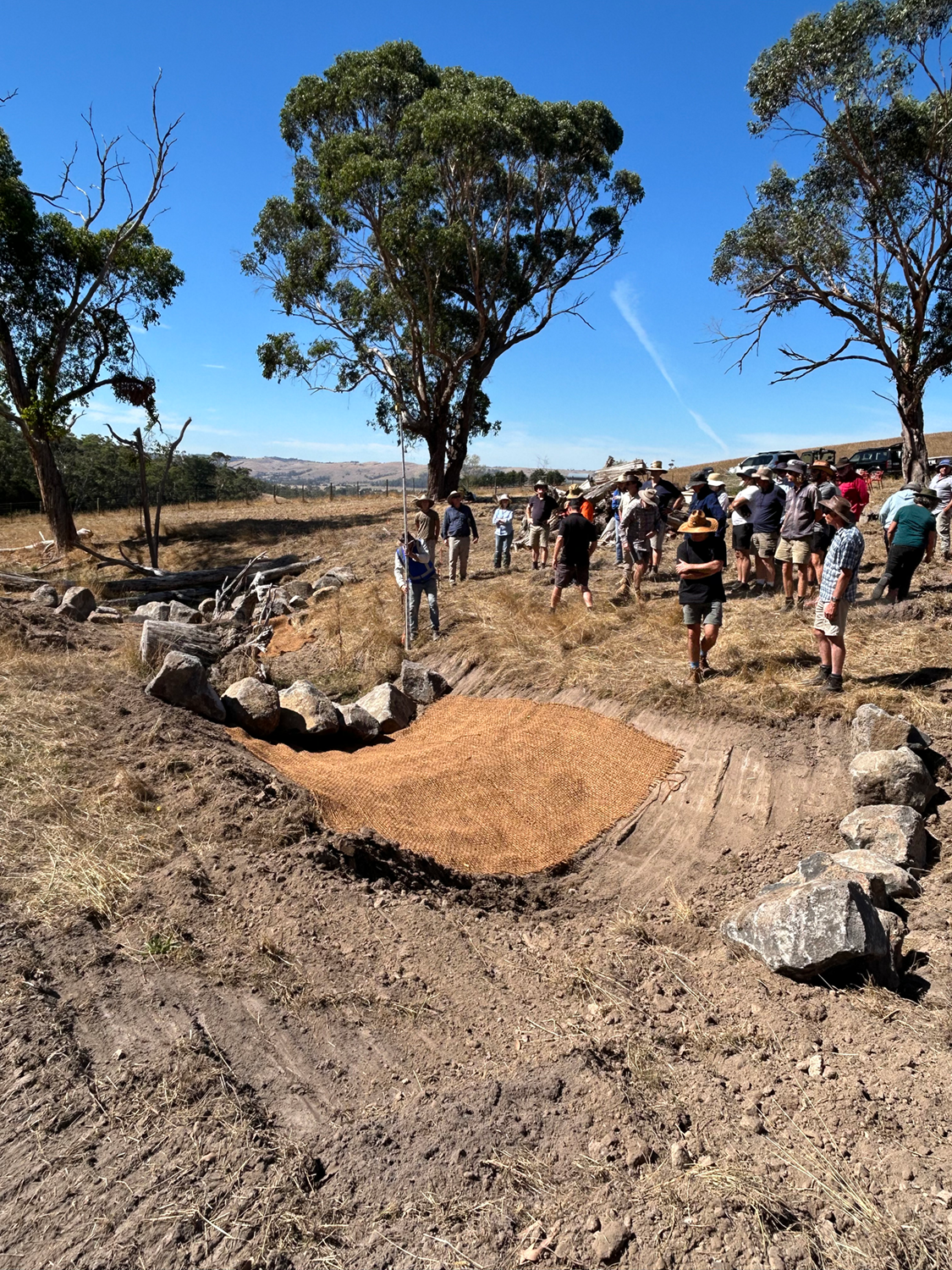
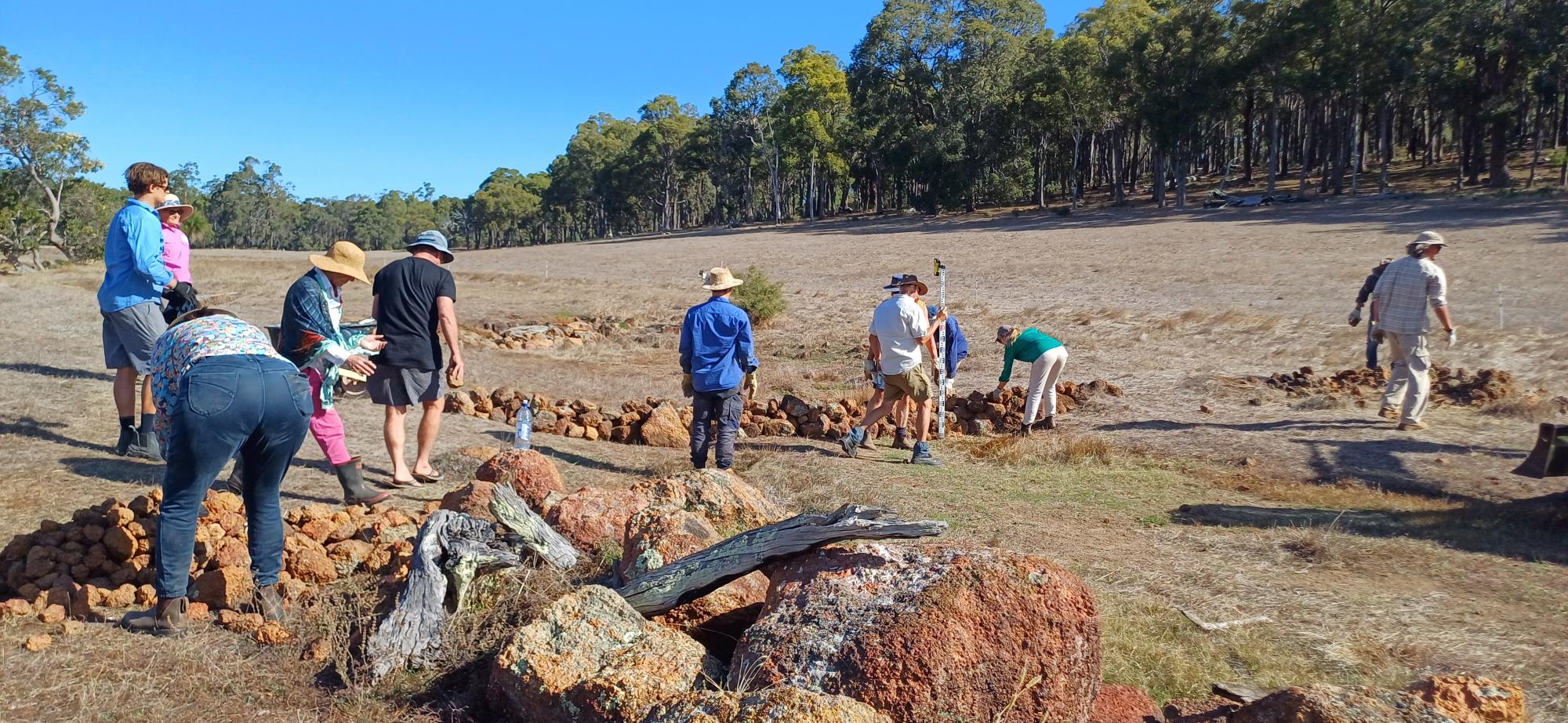
These small-scale demonstration projects put natural infrastructure techniques into practice—such as earth plugs, earth contours, log sills, rock weirs, and brush mattressing—to slow, spread and sink water into the landscape. Participants got their boots dirty, asked questions, and walked away with tools and ideas to apply in their own regions.

We’ve also seen fantastic progress across our mentoring sites, with landholders finalising their Landscape Rehydration project plans – some already moving into the  implementation phase. These projects are set to deliver real, on-ground outcomes that will continue well beyond the official conclusion of the CoPP.

One highlight of the program was our Boots on Ground day in Gippsland, delivered in collaboration with Bass Coast Landcare Network. A short film from the event captured the energy and optimism of communities coming together to share knowledge and support practice change, scroll down to view the film created by Drift Media. The photos on this page show the community at work in Gippsland. 
As we wrap up this project, we extend a big thank you to all the landholders, partners, and regional champions who made this work possible. The enthusiasm and momentum generated by the CoPP will carry forward in the landscapes—and the communities—that are now more equipped than ever to lead rehydration from the ground up.

This CoPP project received funding from the Australian Government’s Future Drought Fund. 

Mulloon Institute has been collaborating with Soils for Life on a series of case studies as part of our Communities of Practice Project, supporting landholders and their communities in rehydration projects on their farms, and in their catchments.

The Rehydration on the Monaro case study, featuring Charlie Maslin’s long-term stewardship at his property, Gunningrah, is a powerful reminder of what’s possible when landholders take the lead in restoring their landscapes.

From Mulloon Institute’s perspective, Charlie’s journey demonstrates the principles we champion every day: working with natural systems, using water as the entry point for change, and building long-term resilience from the ground up. His commitment to improving soil function and water retention across a tough, brittle landscape reflects exactly the kind of locally-led, landscape-wide thinking needed in Australian agriculture.

The story of Gunningrah isn’t just about one property – it’s about an approach that’s scalable, repeatable, and deeply relevant to communities facing increasing climate variability. Through trial, observation and persistence, Charlie has created a more hydrated, productive, and biodiverse system without relying on external inputs or silver bullets.

What stands out to us is the way this work weaves together practical knowledge, adaptive management, and deep care for country. The outcomes – richer soils, running creeks, healthier pastures – are exactly what we aim to support through our own programs and partnerships.

We’re proud to promote this Soils for Life case study as a valuable resource and a motivating example for landholders across the country. It echoes what we hear from our own mentoring networks: that change is possible, and the results speak for themselves.

Charlie’s story reinforces that landscape rehydration isn’t a niche practice – it’s a foundation for long-term productivity and ecosystem health. We encourage you to take a look, be inspired, and consider how these principles might apply to your own landscape.

Read the full story here.

This CoPP project received funding from the Australian Government’s Future Drought Fund. 

All photography on this page by Grow Love Project, via Soils for Life.

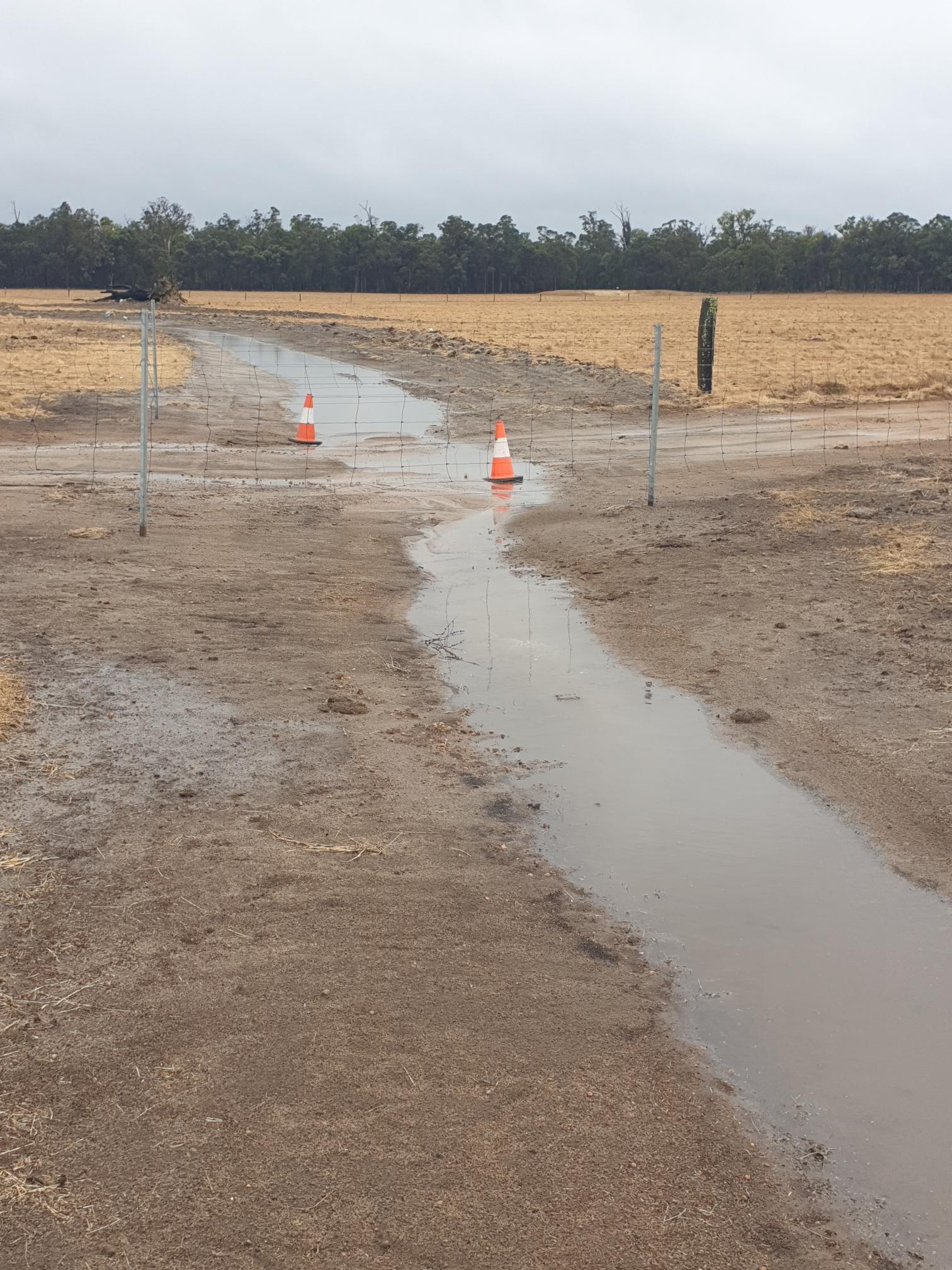
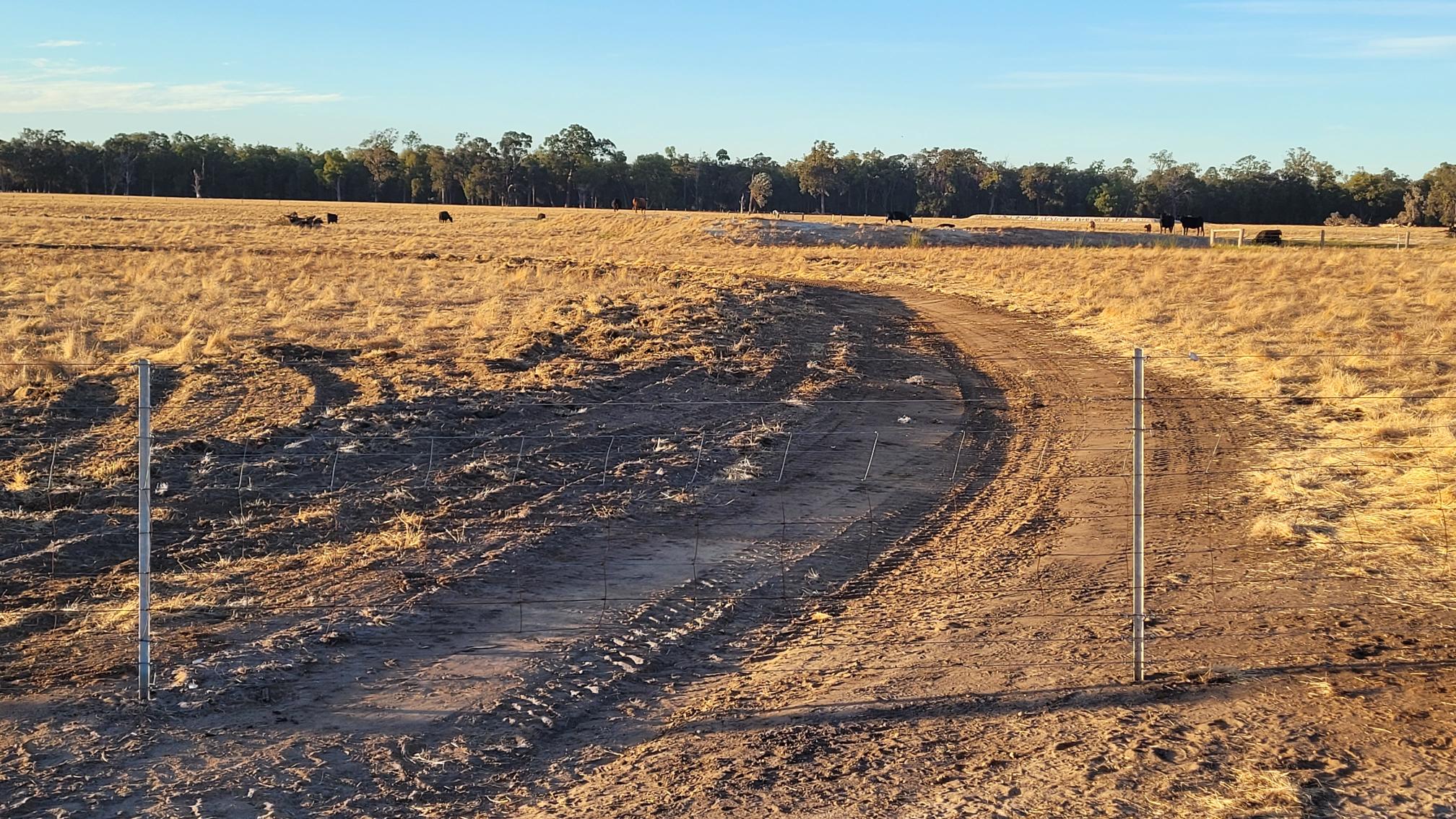
Under a blazing WA sunny sky in March, Lance Mudgway and an eager team embarked on a skills-building tour of two mentoring properties. Their first stop, Wilga Farm is a regeneratively managed livestock enterprise and farm-stay. Here, farm managers Brett and Nat Ridley under Lance Mudgway’s mentorship, have been through a design and planning process to create a network of contours to slow the flow of water across the subtly sloping terrain. On the day, the team used a laser level to mark the contour followed closely with a grader. The machine operator made several passes to ensure that both the depth and shape of the contours suited the local terrain. 

A timely rain event two weeks later validated their efforts – the new contours efficiently captured surface flows, allowing water to gradually seep into the soil profile (pictured at left). Over the coming winter, we anticipate ground cover will establish in and around the new contours. 

The second stop at Sunnyside Family Farm demonstrated a different strategy to the team. The project vision on this regeneratively managed farm by Michael Coghill is to extend the duration of water in creeks, dams, soils and pastures. To achieve this, Lance and Michael designed a series of rock weir structures along a natural flowline. These structures are engineered to slow water movement and spread it across the landscape, mimicking nature’s own method of surface water management. Locally sourced rock was hand-laid by the team, with machinery following to add soil. Over the coming years we anticipate that vegetation will take over the structures. 

The final stop of this wonderful day was a BBQ dinner with locally sourced meat, salads, and drinks!  

This project received funding from the Australian Government’s Future Drought Fund. 

Late May, Penny Cooper and Sharni Pike led two days of engaging tours showcasing our regenerative landscape work within the Mulloon Catchment. 

The first day welcomed 110 students from Canberra Grammar School and their insightful teachers. Their visit began with an introduction to landscape rehydration, followed by stops at two intervention sites: Peter’s Pond (part of the 2006 pilot project) and a more recent structure at Palerang Crossing, before hiking up to Duralla Hilltop to see a panoramic view of the catchment. Students engaged with the landscape through guided questions, exploring how the farm transitioned to regenerative practices and how these methods help adapt to and mitigate climate change. 

Photo at left of CGS students at Palerang Crossing. Image top banner is CGS students hiking up Duralla Hill. 

The second tour hosted members of PIEFA (Primary Industries Education Foundation Australia). This group of educators and farmers soaked up the farm’s history, engaged with a stream table model with Max Brunswick demonstrating catchment-scale interventions, and visited on-ground features like brush and earth contours. At Peter’s Pond, they discussed how early structures have informed our engineered and adaptive designs today. 

These tours highlight the importance of education, innovation, and collaboration in building resilient landscapes. We’re proud to share our journey and support the next generation of land stewards. 

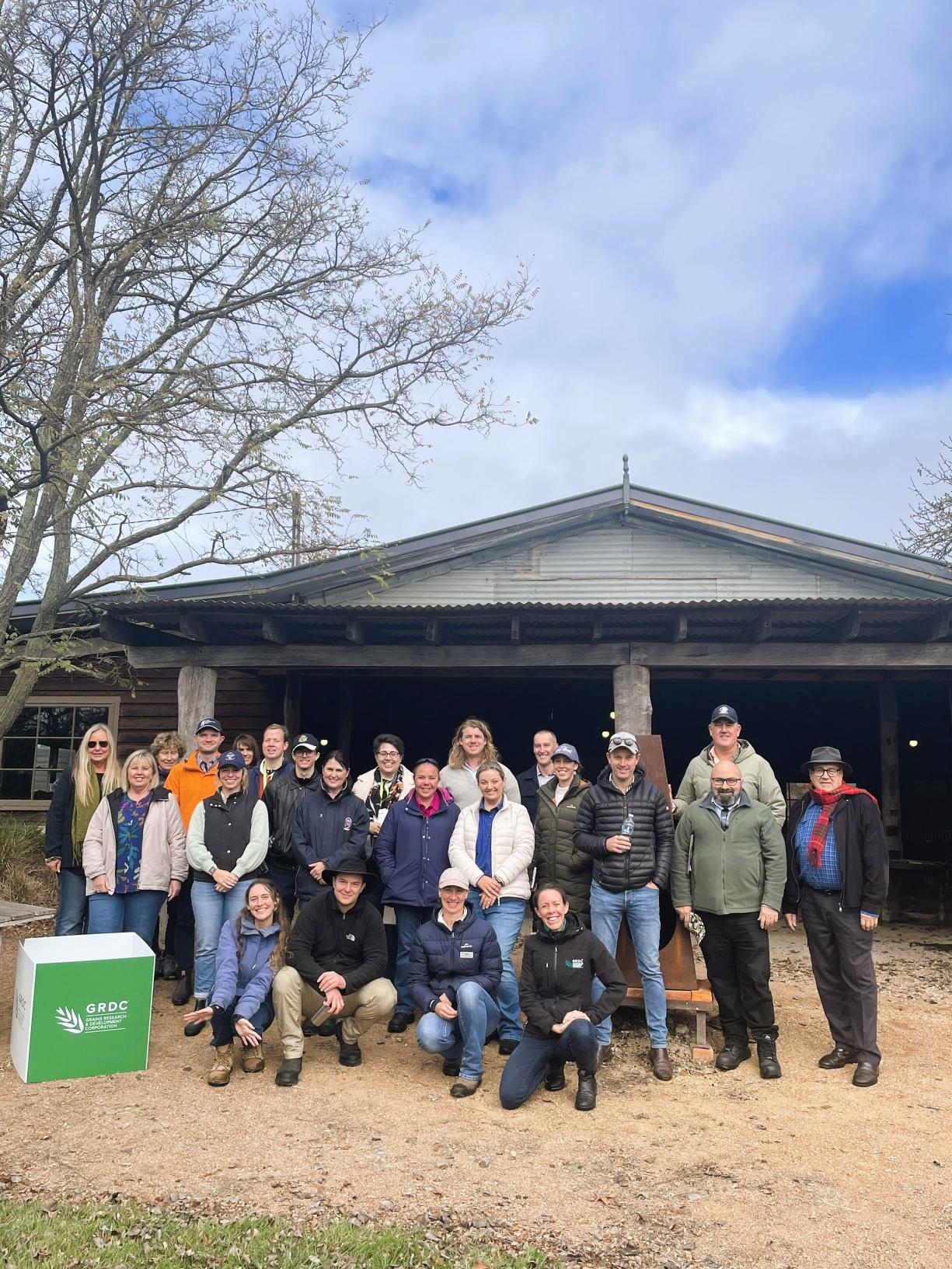
Photo at right: group photo of PIEFA, Mulloon staff, and special guest Terry Moore. Gallery below showcasing more images of the PIEFA farm visit.