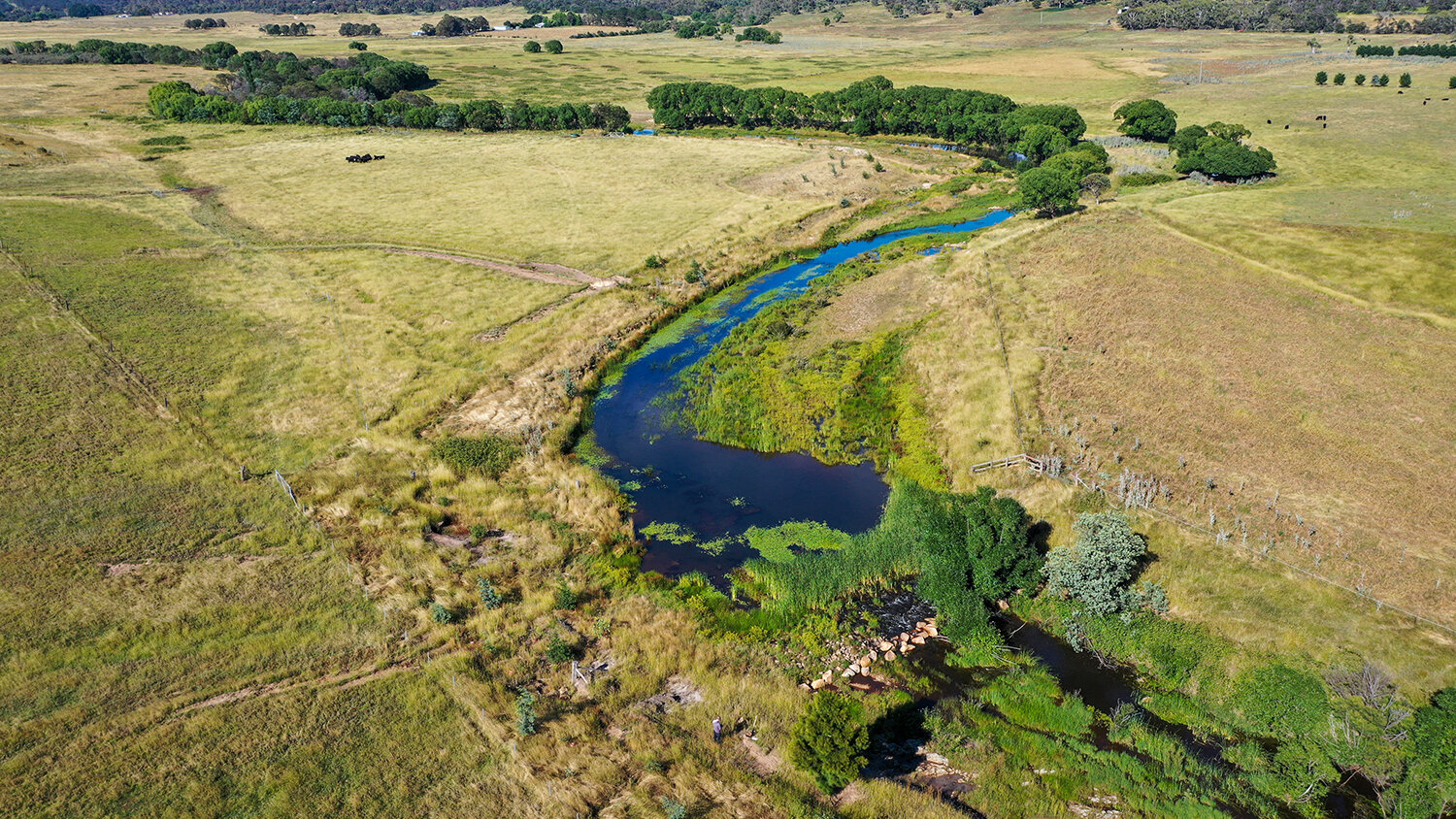
Wheatbelt Landscape Rehydration Trial & Demonstration

WA Landscape Planner Lance Mudgway has visited another three properties as part of the ‘Landscape Rehydration Trial & Demonstration in the WA Wheatbelt’ project to assess them for participation in on-ground trials of landscape rehydration works in the Wheatbelt region.
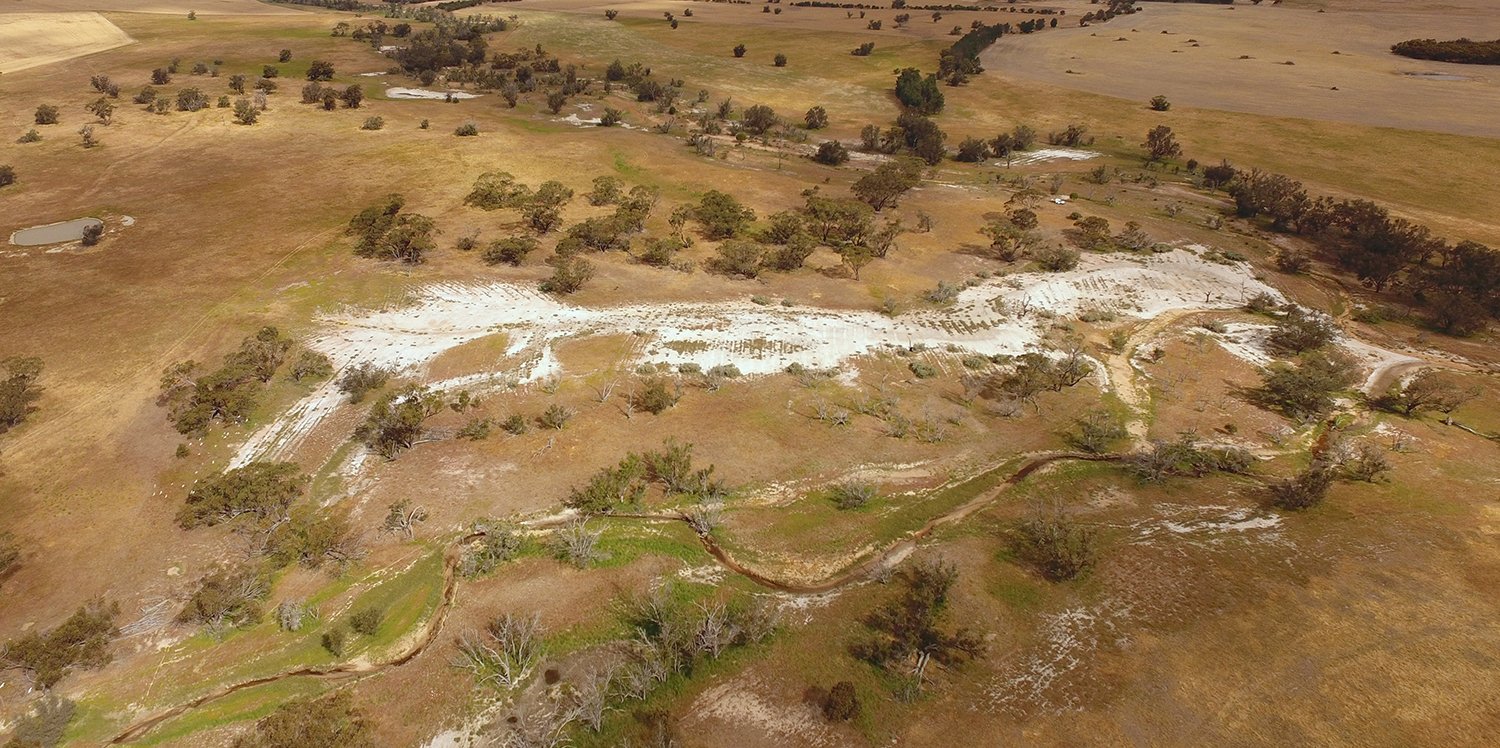
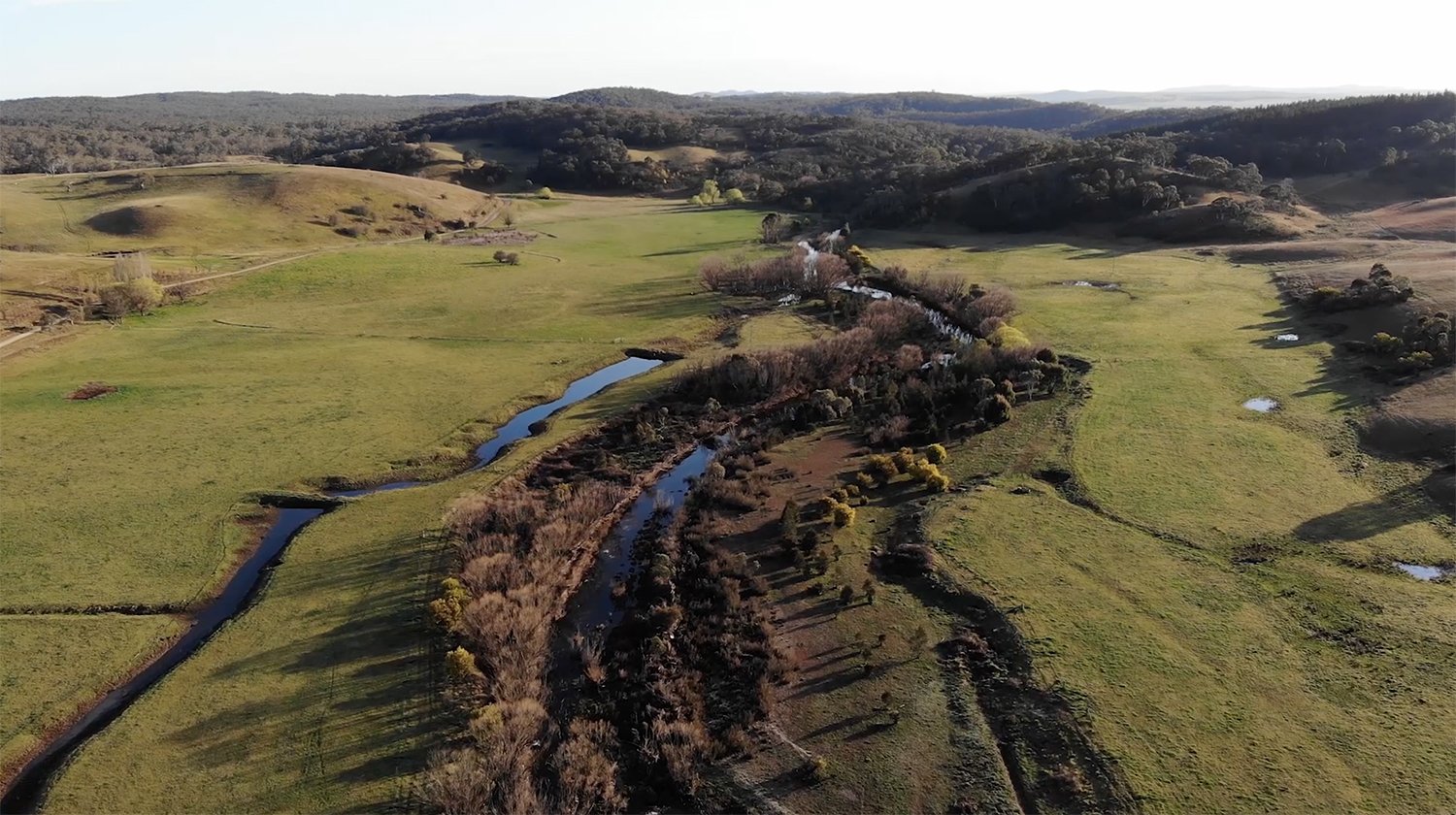
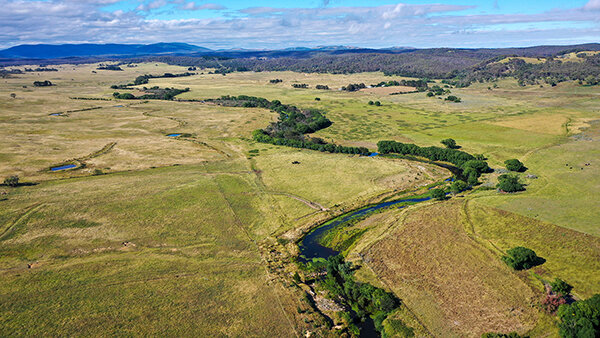
‘Westendale’ – main creekline junction

Rob, Caroline & Alec Rex, ‘Westendale’ – For nearly 20 years ‘Westendale’ has been rotational grazing up to 20,000 head of merinos and perennial pastures on lower lying country. Grazing has primarily been on granite hills and low lying country plus on crop stubbles. They have been cropping the remaining areas with wheat, barley, oats, lupins and canola over winter plus some summer crops. A plan by Ron Watkins has been implemented to harvest subsurface and surface water from slopes into dams over much of the property with a neighbouring farm. Rob is now keen to trail landscape rehydration on several pasture paddocks and through the main creekline valley, which is subject to a high water table and salinity.

John & Martine Pascoe, ‘Red Hills’ – The property is adjacent to the Arthur River on granite hills with seepages high up on the slopes – some places are saline and others are fresh. ‘Red Hills’ raises sheep for wool and meat and cropping in winter and summer. John is keen to see how landscape rehydration can deal with saline seepage and help retain moisture on property to help build soil health and resilience.
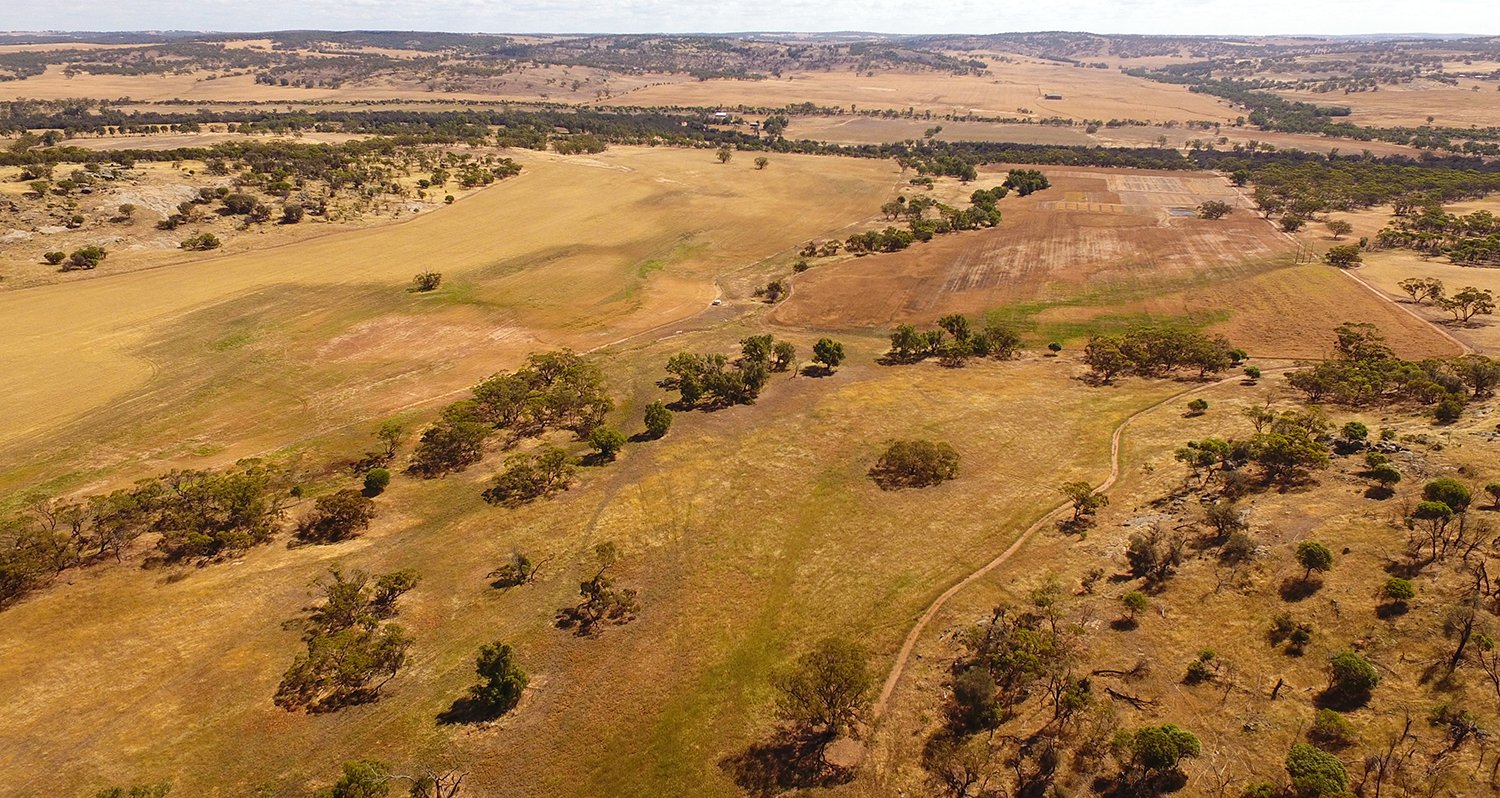
Muresk Institute – middle and lower north catchment, looking toward the Avon River.

Muresk Institute – The training farm for the WA Department of Training & Workforce Development is located south of Northam on granite country. It aims to be a demonstration farm for regenerative agriculture and rehydration, providing diploma courses to undergraduates, short term courses to industry and offers function/training facilities with accommodation available. It incorporates real-life farming operations including raising sheep for wool and meat, cattle for meat, and winter crops. The steeper property has two similar catchments, both flowing into the adjacent Avon River. One could be fully rehydrated with regenerative practice while the other remains conventional.

This project is supported by funding from the Western Australian Government’s State NRM Program.


Talkin’ Soil Health Conference

TMI’s CEO Carolyn Hall and Landscape Planner Bill McAlister will travel across to WA to join Lance in presenting at the Talkin’ Soil Health Conference in York on 17-18th March 2022, which is being organised by Wheatbelt NRM. They will engage conference participants in a half day workshop at Muresk on the second day and plan to also have a workshop for Muresk students, universities and the WA College of Agriculture.

https://www.soilhealth.com.au


UWA farm – Ridgefield

Lance has also visited the University of Western Australia’s ‘Ridgedale’ farm near Pingelly where he met with Emeritus Professor Lynette Abbott (2020 General Jeffery Soil Health Award Winner) and discussed the possibility of a small demonstration project incorporating one of her field sites.for its open day.

Ridgefield is a 1600-hectare mixed-enterprise farm supporting agricultural research at the university, including the UWA Future Farm 2050 Project, which aims to imagine the best-practice farm of 2050 and build and manage it now.

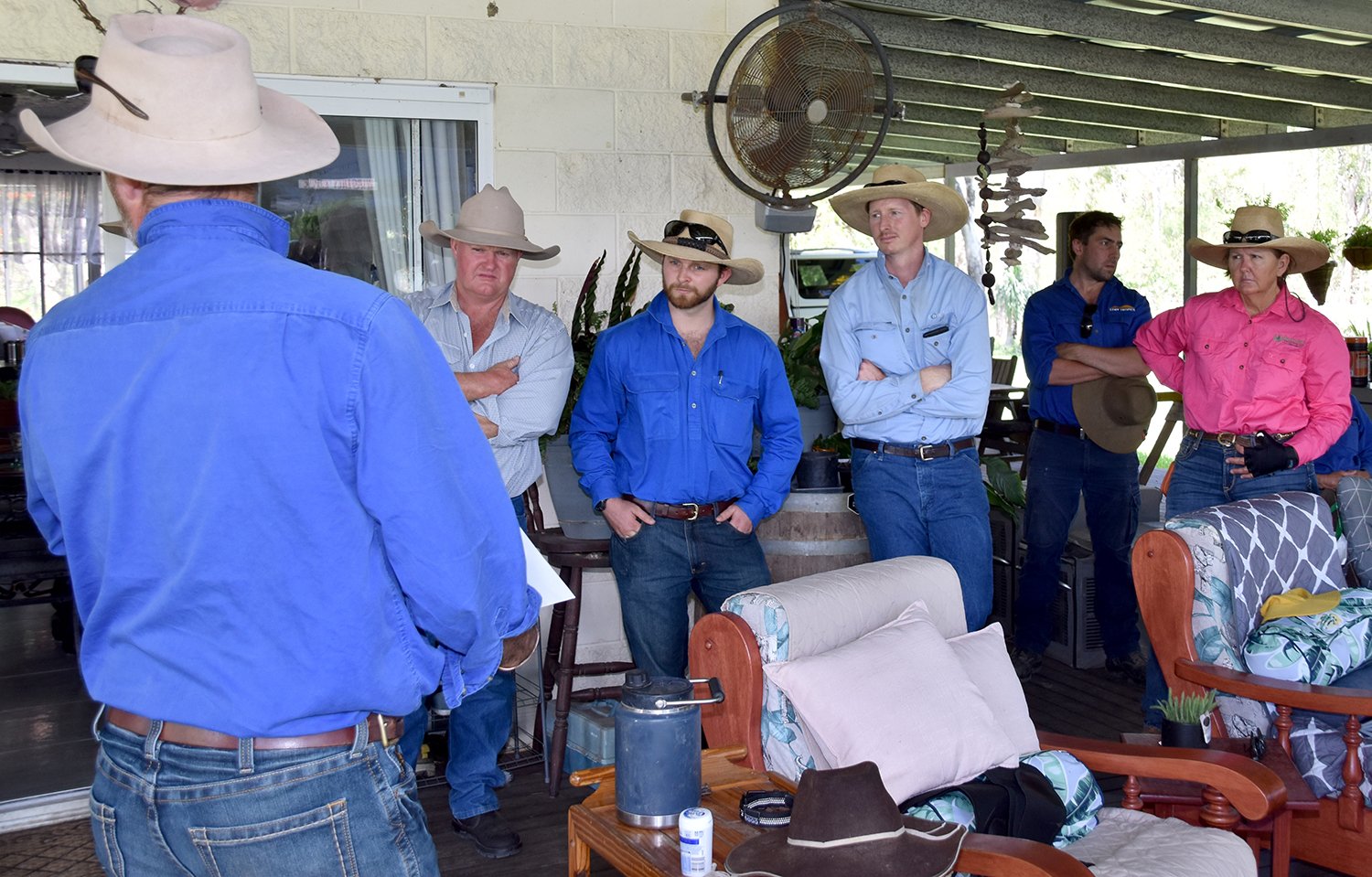
The wet season has well and truly arrived in Townsville but that doesn’t mean work has stopped. Instead Sam Skeat and Joe Skuse have been busy delivering workshops and preparing for what is sure to be a full-on 2022.

The Landsdowne Catchment Rehydration Initiative (LCRI) funded by the Australian Government’s Future Drought Fund, is progressing well, with educational outreach forming a cornerstone of the project. As part of the LCRI, Sam presented at the Grazing Innovation Bus Tour in late November along with Grazing Naturally’s Dick Richardson and it was exciting to showcase resilient grazing systems to Burdekin landholders. The event was supported by NQ Dry Tropics and the Mulloon Institute, through funding from the Australian Government’s National Landcare Program and the Future Drought Fund. 

Sam also ran a workshop near Mt Garnet in partnership with Terrain NRM. The workshop was the first of a four-part series to take place over the next two years as part of the Upper Herbert Sediment Reduction Project being delivered by Terrain NRM and funded by the partnership between the Australian Government’s Reef Trust and the Great Barrier Reef Foundation. The workshop focused on how water moves in the landscape and the role of plants in managing that water. We look forward to working with Terrain NRM more over the next couple of years.

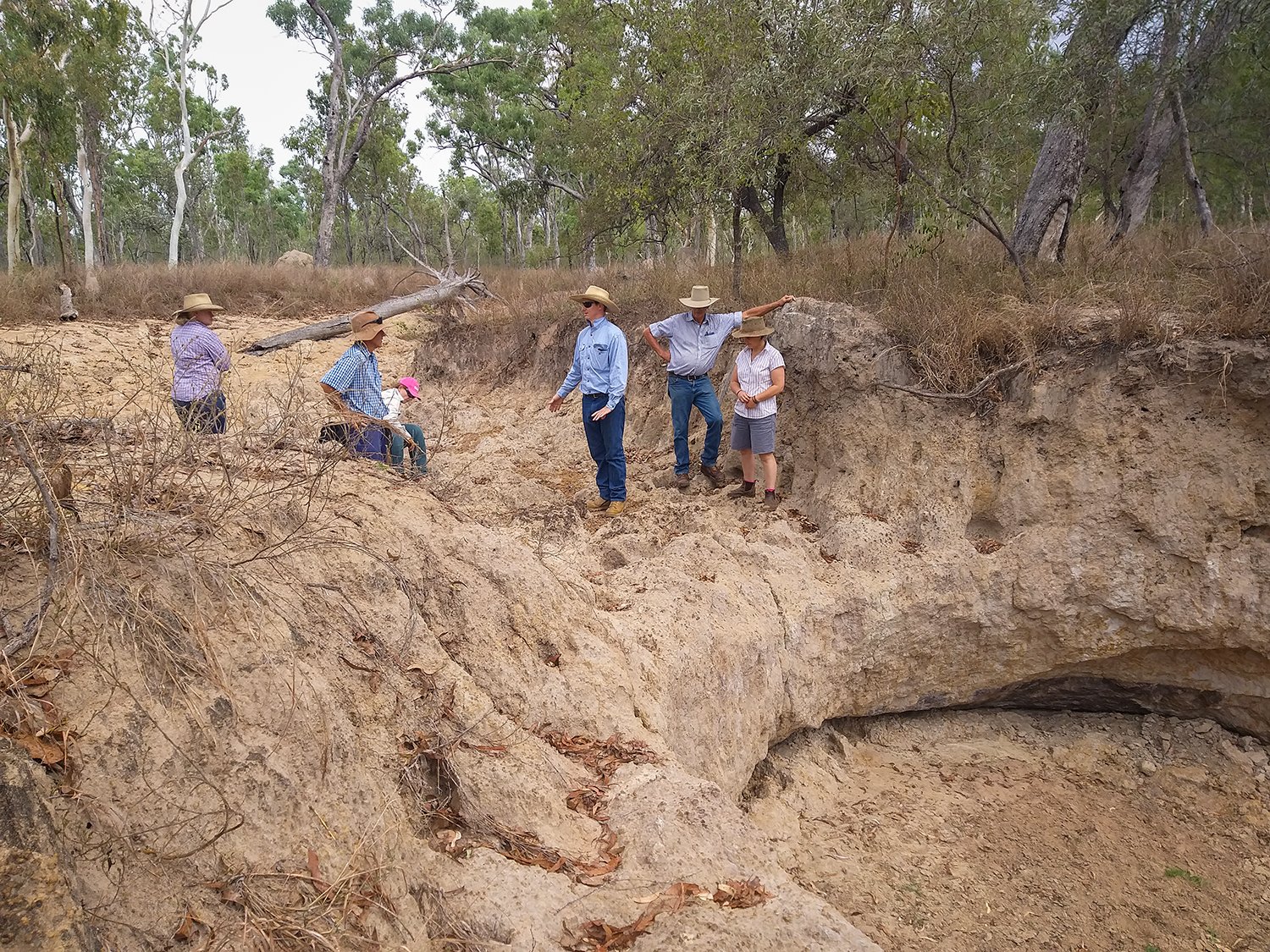
Sam Skeat discussing soil erosion control near Mt Garnet.

Sam and Joe have been working with Northwest Local Land Services in the preliminary stages of a landscape rehydration and stream remediation demonstration project near Winton, 30 minutes west of Tamworth, NSW. The project will deliver significant ecological and productive returns while also demonstrating the role of landscape rehydration in creating resilient rural landscapes into the future. Watch this space into 2022.

After Mulloon’s wettest year on record and perfect survey conditions, the 2021 frog survey across the Mulloon Rehydration Initiative catchment-scale project was truly special. 

With the recent expansion of frog sites as part of continued RARC (Rapid Appraisal of Riparian Condition) surveys, the Mulloon team embarked on the ambitious project of surveying 66 sites across the length of the Mulloon catchment all in one night. Volunteers and landholders from the across the catchment came together to help, including our very own CEO Carolyn Hall, as well as Keira Banks and David Moore from Umwelt Environmental Consultants.

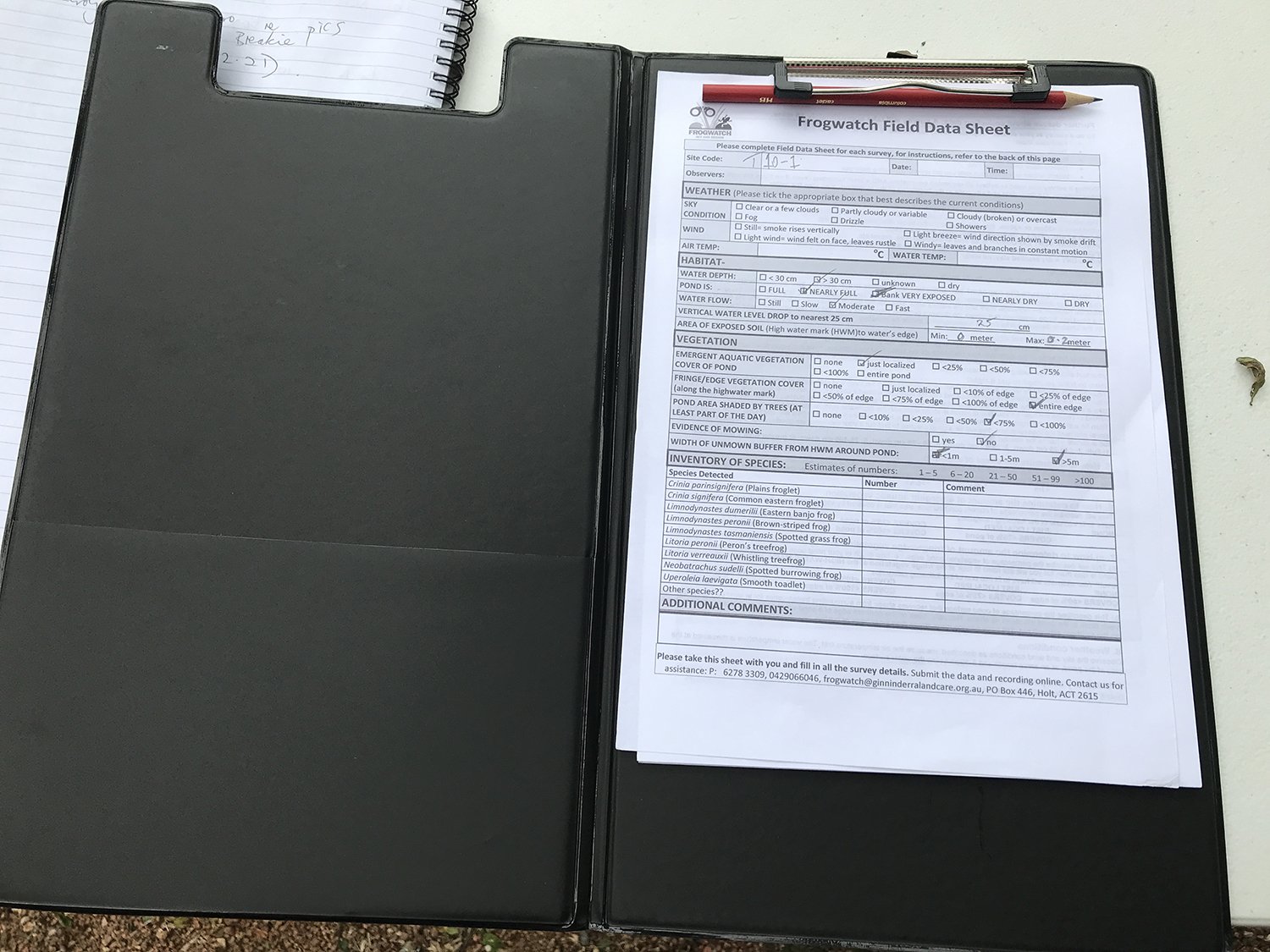
Five teams of intrepid volunteers donned head torches, grabbed clipboards and set out at dusk to navigate each of their respective properties. Following the ACT Frogwatch method, a five-minute recording was made at each site, as well as recording the weather conditions, air and water temperature. The recording was then uploaded for frog expert Sam Patmore to confirm the frog ID and numbers recorded by each team. Recordings were also taken and submitted using the Australian Museum’s Frog ID app.

The perfect conditions meant the night was a resounding success, with volunteers rewarded with three new species not previously recorded in the catchment!

  • Stony Creek Frog (Litoria lesueuri)

  • Southern Green Stream Frog (L. nudidigitus)

  • Screaming Tree Frog (L. quiritatus) – a species very recently split from L. dentata. 

Innumerable frogs were heard calling often in a deafening chorus around the surveyed bodies of water. Teams returned to the Home Farm following the survey in high spirits. It was great to realise that frog species are returning in numbers as the land recovers from drought!

The Mulloon Rehydration Initiative is jointly funded through the Mulloon Institute and the Australian Government’s National Landcare Program, while this frog survey has been assisted with funding from the NSW Government Environmental Trust (2019/RR/0042).

[Photos and audio: Ira Dudley-Bestow]


Our 2021 Annual Report provides an insightful snapshot into our work over the last year as we’ve been expanding out across Australia and growing our team. And key to it all has been collaboration.

It’s been such an exciting year and we have so much to share and celebrate with you!

DOWNLOAD – 2021 Annual Report

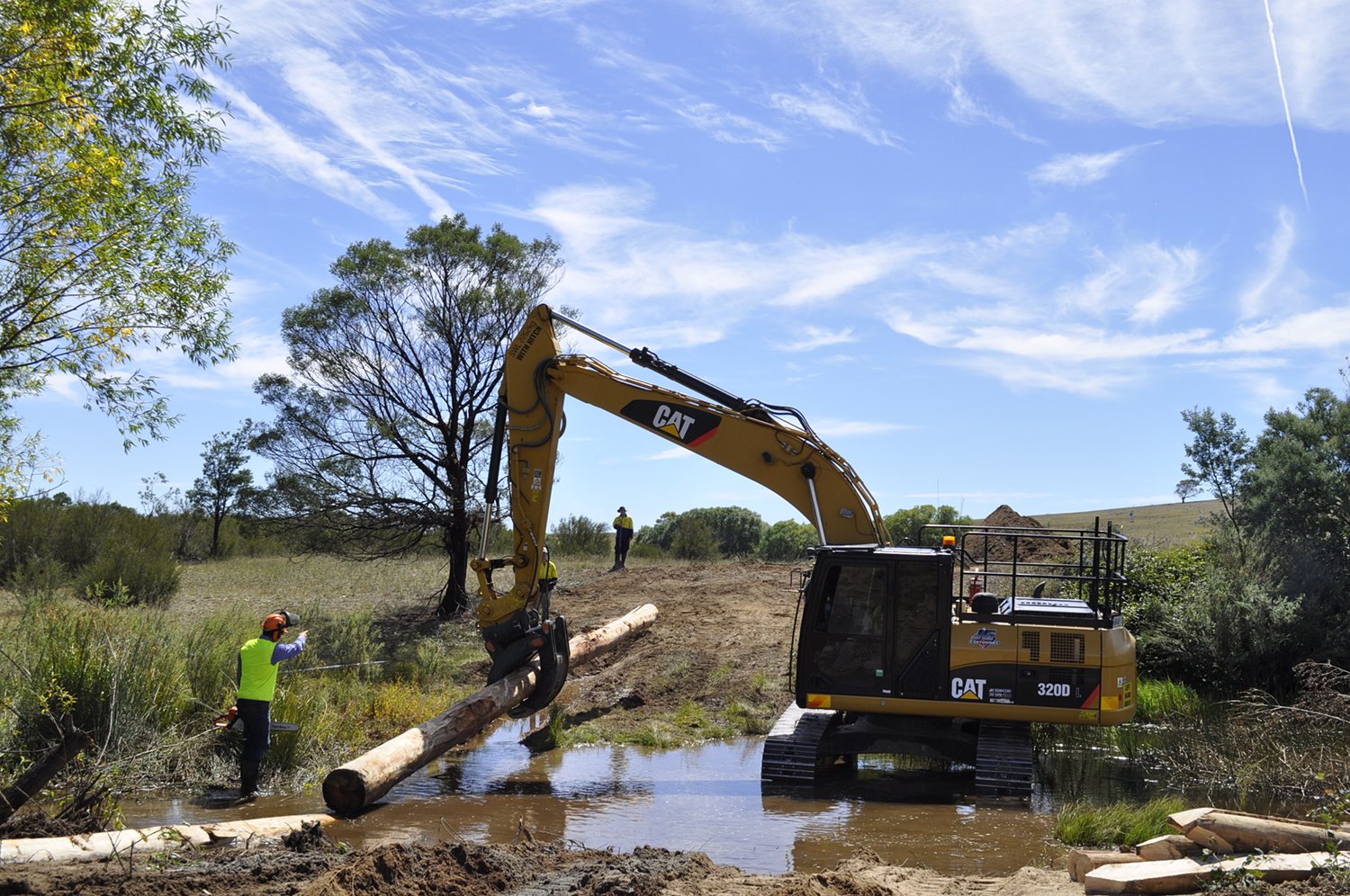
Leaky weir being installed to help rehydrate the landscape and restore ecosystem function.

Community Landcare representative organisation, National Landcare Network, is pleased to announce it has signed a Memorandum of Understanding (MoU) with leading agricultural research, education and advocacy organisation, the Mulloon Institute.

The MoU will deliver ‘Catchment Scale Restoration and Rehydration Pilots’ across the country.

The National Landcare Network and the Mulloon Institute will work together to identify potential catchment partners in conjunction with the relevant State and Territory Landcare organisations. 

The collaboration will identify local and regional Landcare capacity for pilot catchment projects and engage the relevant grassroots Landcare communities in the establishment of large-scale catchment models in each state of Australia with multiple landholders.

It also provides primary education locations for all priority stakeholders, farmers, community, schools, universities. 

Chief Executive Officer of the National Landcare Network, Jim Adams, said, “Increasingly, Community Landcarers are looking for assistance to become more resilient to drought and climate impacts. We are excited to be partnering with the Mulloon Institute – a leader in regenerative agricultural education – to ensure our Community Landcarers get the help they need to adopt best practices for the restoration and rehydration of their catchment areas.”

Carolyn Hall, CEO of the Mulloon Institute, said, “We are excited to be working with the National Landcare Network to deliver greater catchment-scale restoration in the face of increasing climate challenges. The NLN, representing grassroots Landcarers from all States and Territories, have the local knowledge and the networks to create great environmental and agricultural impact.”

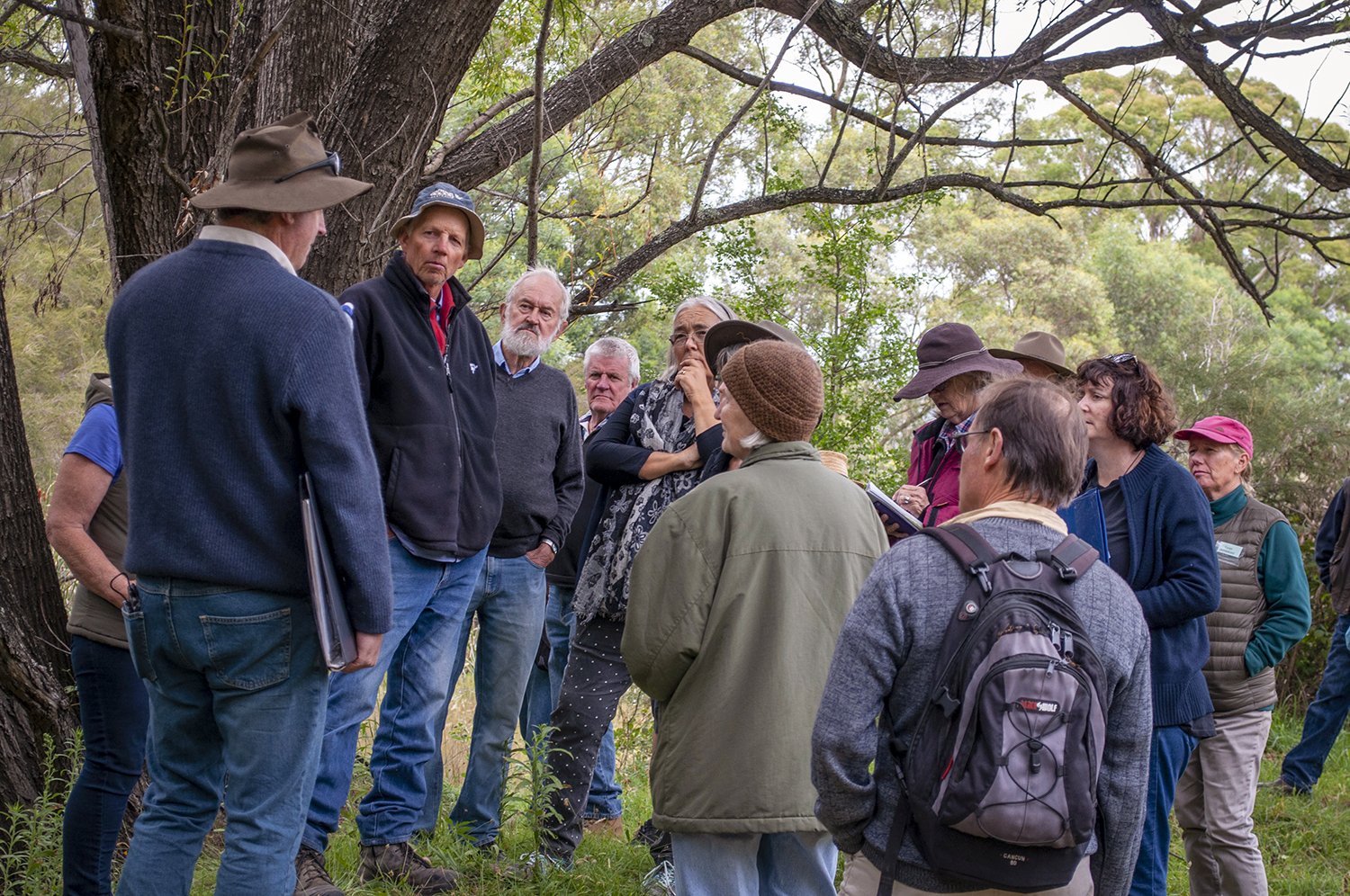
East Gippsland Landcarers (Victoria) on a field trip at Mulloon Creek Natural Farms.

The partnership will explore opportunities to collaborate on securing funding for a further roll out of the project nationally and to expand on initial project components to continue to grow projects nationally. 

The Mulloon Institute is one of just five organisations globally selected by the Sustainable Development Solutions Network, an initiative of the UN, as a demonstrator of sustainable and profitable agriculture. Their work restores degraded land, helps retain water in the landscape and helps farmers prepare for the eventuality of drought and natural disasters.

They are focussed on creating a climate resilient agricultural sector to protect Australia’s food and water security and environment.

Partnering with global leaders in agricultural research, they promote sustainable, regenerative land management practices where agriculture and the environment are working in unison for the best outcomes, agriculturally and environmentally. 

Both Mulloon and the NLN are committed to adapting to new and changing environmental landscapes to provide substantial social and community benefits across the country. “

As a first step, we look forward to working with our State and Territory Landcare organisations to identify the pilot sites around the country,” Mr Adams said.

SOURCE: https://www.nln.org.au/post/blog-mulloon-mou

Gary Nairn AO, Chairman of the Mulloon Institute and former Minister in the Howard Government.

Opinion Editorial

As COP26 in Glasgow fast approaches we see an increased media focus on achieving net-zero emissions by 2050 and what can be achieved by 2030. While net-zero by 2050 might be a legitimate goal much of the debate has tended to use it as a slogan in what is really a political campaign. The debate is also focused on only one side of the net-zero equation, reducing emissions. Yet in Australia we have a huge opportunity to drive outcomes on the other side of the equation, capturing carbon. And the solution is right under our feet – soil and soil carbon sequestration – Australia has an abundance of soil and soil that has been depleted of carbon over the past two centuries. At the Mulloon Institute we have a strategy to not only address this issue but in doing so help deliver potentially substantial financial returns for Australian agriculture and Australian farmers.

Since 2018 significant parts of Australia have experienced what Dorothea Mackellar described in her poem “My Country” as a land of “droughts and flooding rains” and “flood and fire and famine”. No better example of that was at Mulloon Creek Natural Farms located east of Canberra and straddling the Great Dividing Range. In 2018/2019 it experienced the nine driest continuous months since records commenced in the late 1800’s. That was followed by the disastrous 2019/2020 bushfires with the top end of the Mulloon catchment totally burnt out. Since then, it has had two 1 in 50 year floods. All reinforcing “My Country”.

Floods at Mulloon Creek Natural Farms

When “My Country” was first published in 1908 Mackellar wasn’t focused on CO2 emissions and its ramifications on climate. She was simply recording what she experienced. We now have similar experiences albeit arguably more intensive. But Mackellar also wrote “green tangle of the brushes, where lithe lianas coil, and orchids deck the tree-tops and ferns the warm dark soil”.

With those words she was experiencing soils rich in carbon and that is certainly something we now have much less of. Scientists estimate we have lost between 40% and 60% of our soil carbon over the past 200 years. Herein lies the opportunity with a net-zero goal. Unfortunately, much of our farming sector has been spooked into thinking that working toward net-zero will be detrimental to their livelihood. The opposite is the case.

With so much soil carbon lost over the past couple of hundred years, the opportunity is now there to transfer it from the atmosphere and put it back where it belongs, in the soil. Carbon sequestration means healthier soils and more nutrient dense food. Increasing soil carbon is one of the substantial strategies required to reach net-zero. Globally, soils contain more carbon than plants and the atmosphere combined. By regenerating our soils, we can sequester more carbon underground and slow climate warming. And our farmers can earn income by doing that through the selling of carbon credits.

Key to carbon sequestration is water. A hydrated landscape will speed up carbon sequestration. The recent IPCC Report particularly highlighted a future with less rain overall but more intensive events risking flooding and erosion. Therefore, the better utilisation of what rain does is crucial. Currently in Australia 50% of all rain that falls is lost through rapid runoff or evaporation due to poor ground coverage. Rectifying this can be straightforward and not necessarily expensive.

The Mulloon Institute (TMI) is demonstrating the potential in this approach in the Mulloon Creek catchment comprising 23,000ha with the support of more than 20 landholders. It is also one of just five global projects selected by the UN to assist in the development of guidelines for sustainable, profitable and productive farming.

TMI’s work has expanded to catchments in many parts of NSW, in North Queensland, WA, NT and soon Victoria. Demonstrating this work on the ground in partnership with communities helps farmers to understand the opportunity that landscape rehydration in conjunction with regenerative farming practices provides. According to the UN’s Food and Agriculture Organisation (FAO) soils, if managed sustainably, can sequester up to 0.56 petagrams of carbon (or 2.05 gigatonnes of CO2 equivalent) per year, having the potential to offset yearly as much as 34% of agricultural global greenhouse gas emissions.

In Australia agriculture comprises 13% of our total emissions, so with our landmass, our farmers can contribute significantly to its reduction and at the current price of carbon of around $20 per tonne, but rising very quickly, that is not just a goal or a slogan, it is a great opportunity for our agricultural sector to get on board for net-zero.

SOURCE: https://www.couriermail.com.au/technology/environment/sequestration-is-a-win-for-farmers/news-story/b7928ce7613ca021f6f1df8528af8e50

Mulloon institute responds to Prime Minister

The renowned Mulloon Institute says the Prime Minister’s plan to include Soil Carbon Sequestration in the 2050 Carbon Neutral roadmap is a critical element to reducing emissions and reducing the impact of global warming.

Chairman of the Institute, Gary Nairn AO, says soils hold three times more carbon than the atmosphere so has huge potential, through photosynthesis, to sequester (draw down) carbon, “Globally, soils contain more carbon than plants and the atmosphere combined. The solution therefore is literally right under our feet – soil and soil carbon sequestration – Australia has an abundance of soil, and soil that has been depleted of carbon over the past two centuries. The opportunity is now there to transfer it from the atmosphere and put it back where it belongs, in the soil.”

According to the UN’s Food and Agriculture Organisation (FAO) soils, if managed sustainably, can sequester up to 0.56 petagrams of carbon (or 2.05 gigatonnes of CO2 equivalent) per year, having the potential to offset yearly as much as 34% of agricultural global greenhouse gas emissions. This will help position Australia as a global leader in sustainable, carbon neutral agricultural commodities.

Mr. Nairn says, “In Australia, agriculture comprises 13% of its total emissions, so with our landmass, farmers can contribute significantly to its reduction and at the current price of carbon of around $20 per tonne, but rising very quickly, that is not just a goal or a slogan, it is a great opportunity for our agricultural sector to get on board for net-zero”. 

“At the Mulloon Institute we have a landscape rehydration and regeneration strategy to not only address this issue, but in doing so, help deliver potentially substantial financial returns for Australian agriculture and Australian farmers. Key to carbon sequestration is water. A hydrated landscape will speed up carbon sequestration. The recent IPCC Report particularly highlighted a future with less rain overall but more intensive events risking flooding and erosion. Therefore, the better utilisation of what rain does is crucial. Currently in Australia 50% of all rain that falls is lost through rapid runoff or evaporation due to poor ground coverage. Rectifying this can be straightforward and not necessarily expensive”.

“Carbon sequestration means healthier soils and more nutrient dense food. Increasing soil carbon is one of the substantial strategies required to reach net-zero. By regenerating our soils, we can sequester more carbon underground and slow global warming,” Mr. Nairn says.


Contact: 

Kelly Thorburn
Media & Communications
0419 099 894

2021-Resilience-Spring-600px.jpg

The latest news from Mulloon: https://conta.cc/2YPc5jA

The contour in action at Bannockburn.

The contour in action at Bannockburn.

Duncan and Kym McMaster, managers of The Scots College’s (TSC) Bannockburn Campus have been observing improvements yielded by a contour recommended in a farm plan designed by Mulloon Consulting. The farm plan was carried out over 2018 and 2019 and it is exciting to see the property progress along its regenerative journey.

Duncan spent time reading the landscape and identifying ‘steps’ to set out the specific location of the contour before it was cut with a grader 18 months ago. The contour runs around a hill with a forested knoll and runs through two gullies, spilling out onto a ridge line. Duncan has used single line electric fencing to split the paddock into six wedges that run up and down the hill. Water points are set at the highest point in the paddock and the forested area has been fenced off. 

Kym and Duncan McMaster at the opening of the Bannockburn campus in 2019.

Kym and Duncan McMaster at the opening of the Bannockburn campus in 2019.

When questioned about his thoughts on the contour, Duncan quickly exclaimed “it works!”. Duncan is pleased to see the principles of landscape rehydration implemented on the property. Fertility that is deposited by the stock and the forest is captured in the contour. He has already noted that when he lets stock into the paddock they always go to the area around the contour to chew on the sweetest grass, an indication of improved fertility. 

Additionally, fireweed around the contour is far less prevalent that in other parts of the property. Presence of fireweed indicates low fertility. This suggests that the contour is actively catching and banking fertility in the landscape. Duncan and Kym have also observed that after a few dry weeks there is a clear green band running along the contour.

Mulloon Consulting has an active relationship with TSC in establishing Bannockburn as a demonstration stie for students and other interested parties. We are excited for future endeavours in our partnership in our development in the further design of farm infrastructure and a Regenerative Agriculture syllabus.

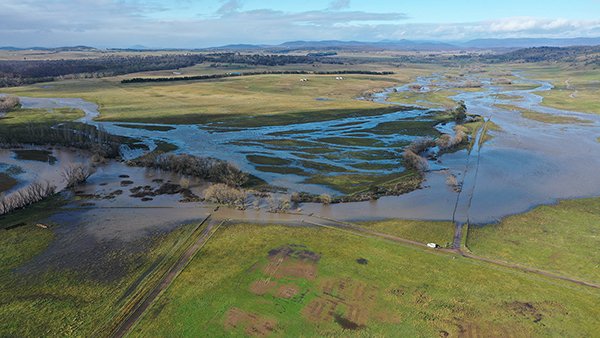
Lower Mulloon, Stage 1 in the Mulloon Rehydration Initiative, December 2020.

Lower Mulloon, Stage 1 in the Mulloon Rehydration Initiative, December 2020.

On-ground works in the Mulloon Rehydration Initiative (MRI) have been paused for the time-being while we apply for the two remaining ‘Controlled Activity Approvals’ for Mulloon Creek from the NSW Government’s Natural Resources Access Regulator.

Once we’ve received the CAA’s we’ll resume on-ground works, before we move up to Sandhills Creek which is a 4,000 ha tributary of Mulloon Creek. To date, more than 50 leaky weir structures have been installed over 15 km of Mulloon Creek. 

Abundant growth around the leaky weir installed at ‘Westview’.

Abundant growth around the leaky weir installed at ‘Westview’.

Given the weather conditions during the last 12 months, it is also a good time to pause the construction activities and watch nature do her thing. It has in fact been the wettest 12 months at Mulloon for the past 70 years. Highlighting nature’s extremes, we’ve gone from the driest period in living memory at the beginning of 2020, immediately into the wettest period in living memory. 

These extreme climate cycles are a really important test for the MRI. Consistent high flow conditions in the creek test the physical integrity of the structures. Their long term sustainability relies on good establishment of vegetation on and around them. With conditions flipping immediately from drought to flood, and given the extreme winters that Mulloon endures, many of the structures have not yet had the chance to establish good vegetation. Despite this, they are holding firm and this spring will see an amazing flush of riparian and aquatic vegetation. 

The current conditions have also highlighted the importance of building good creek crossings. Creek crossings are also leaky weir sites. They need to be well designed and armoured to avoid scouring during high flow events. It’s no good rehydrating your creek and floodplain if you can’t cross it during wet times. 

Importantly, the groundwater monitoring data is showing that the creek works and the wetter conditions are indeed rehydrating the floodplain. Time and monitoring will tell us the impact that the leaky weir structures are having on the health and vitality of the 1,100 ha floodplain that is now under the influence of the on ground works.

The Mulloon Rehydration Initiative is jointly funded through the Mulloon Institute and the Australian Government’s National Landcare Program. The initiative is also assisted by the NSW Government through its Environmental Trust.