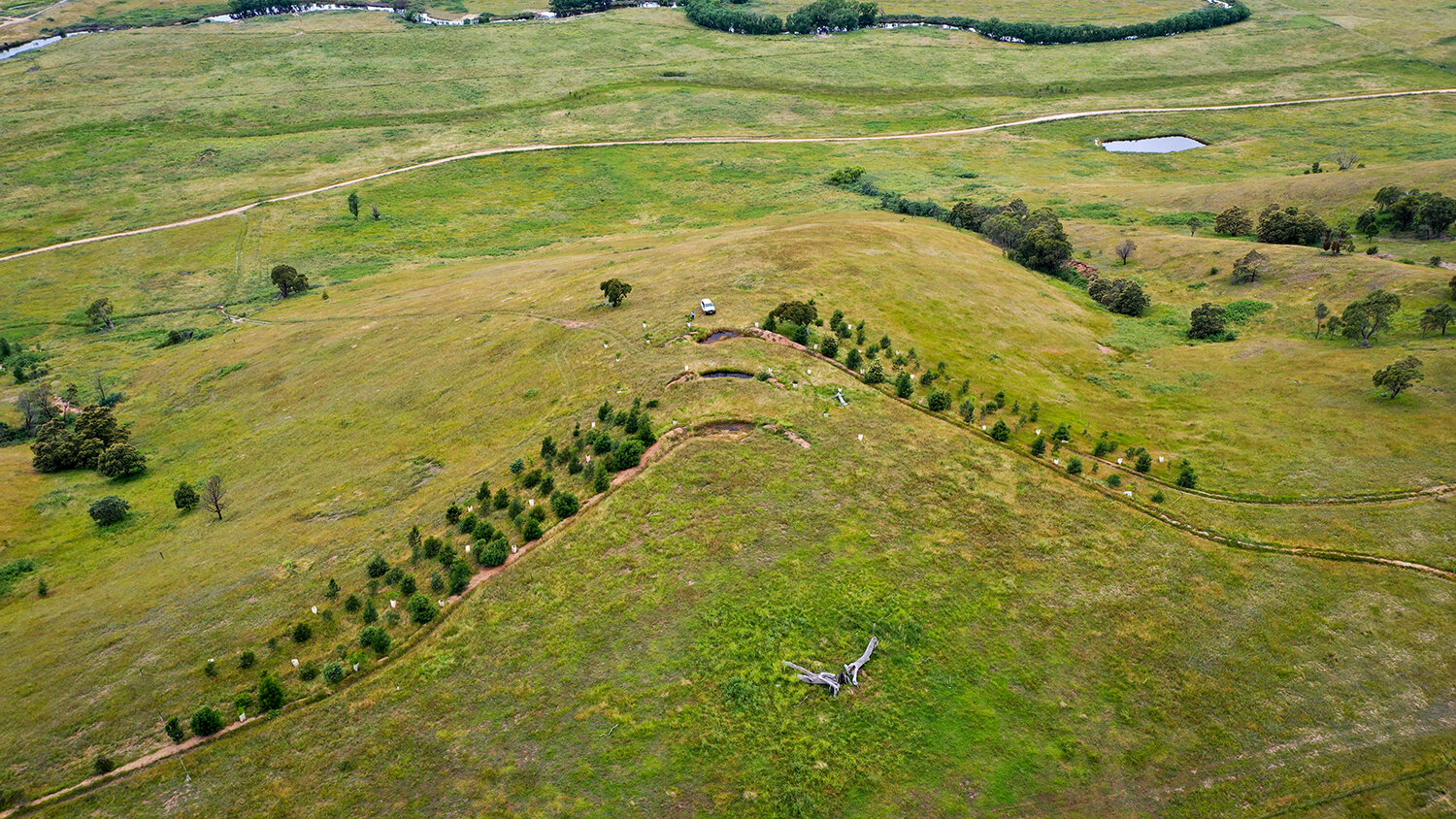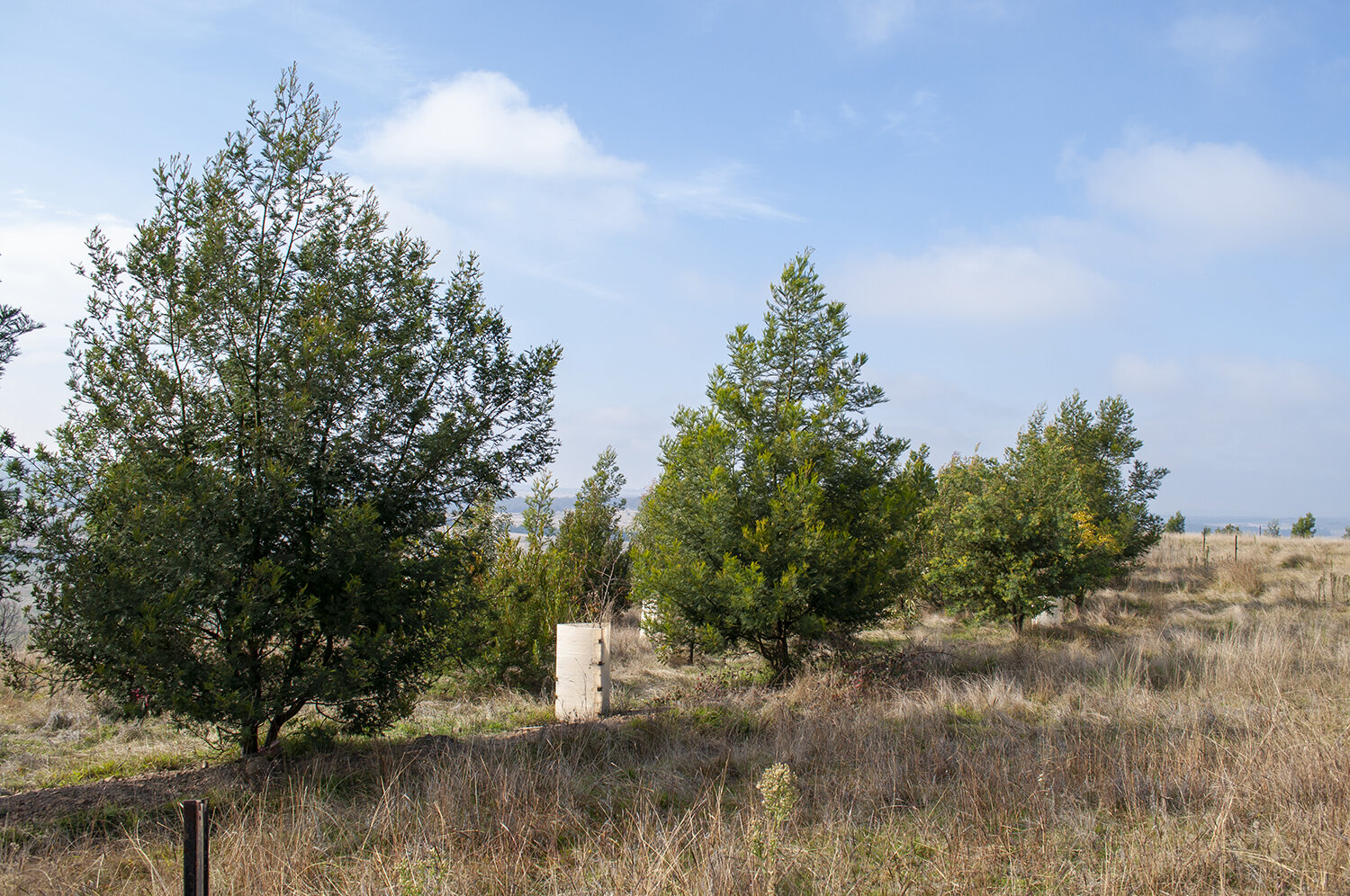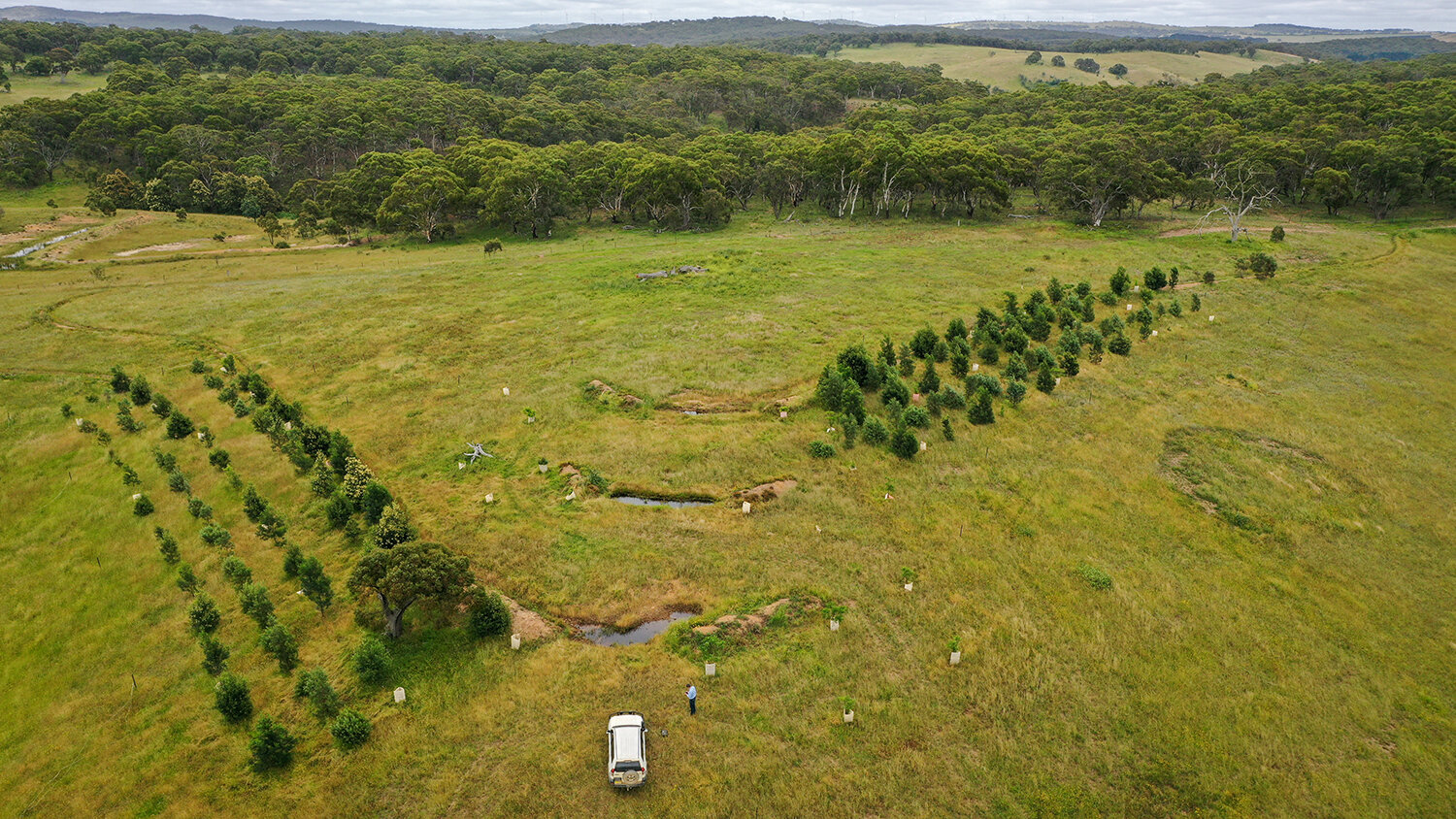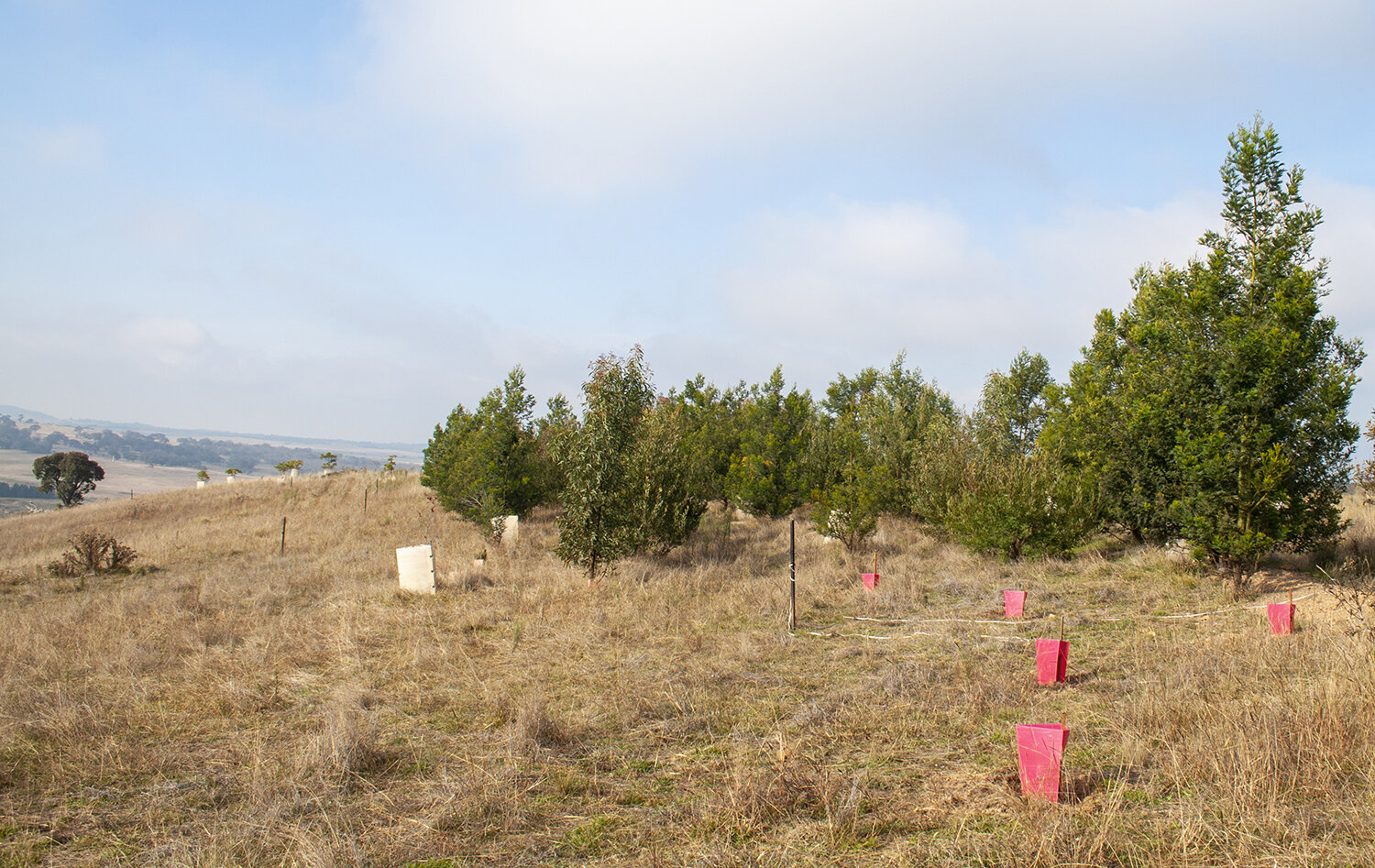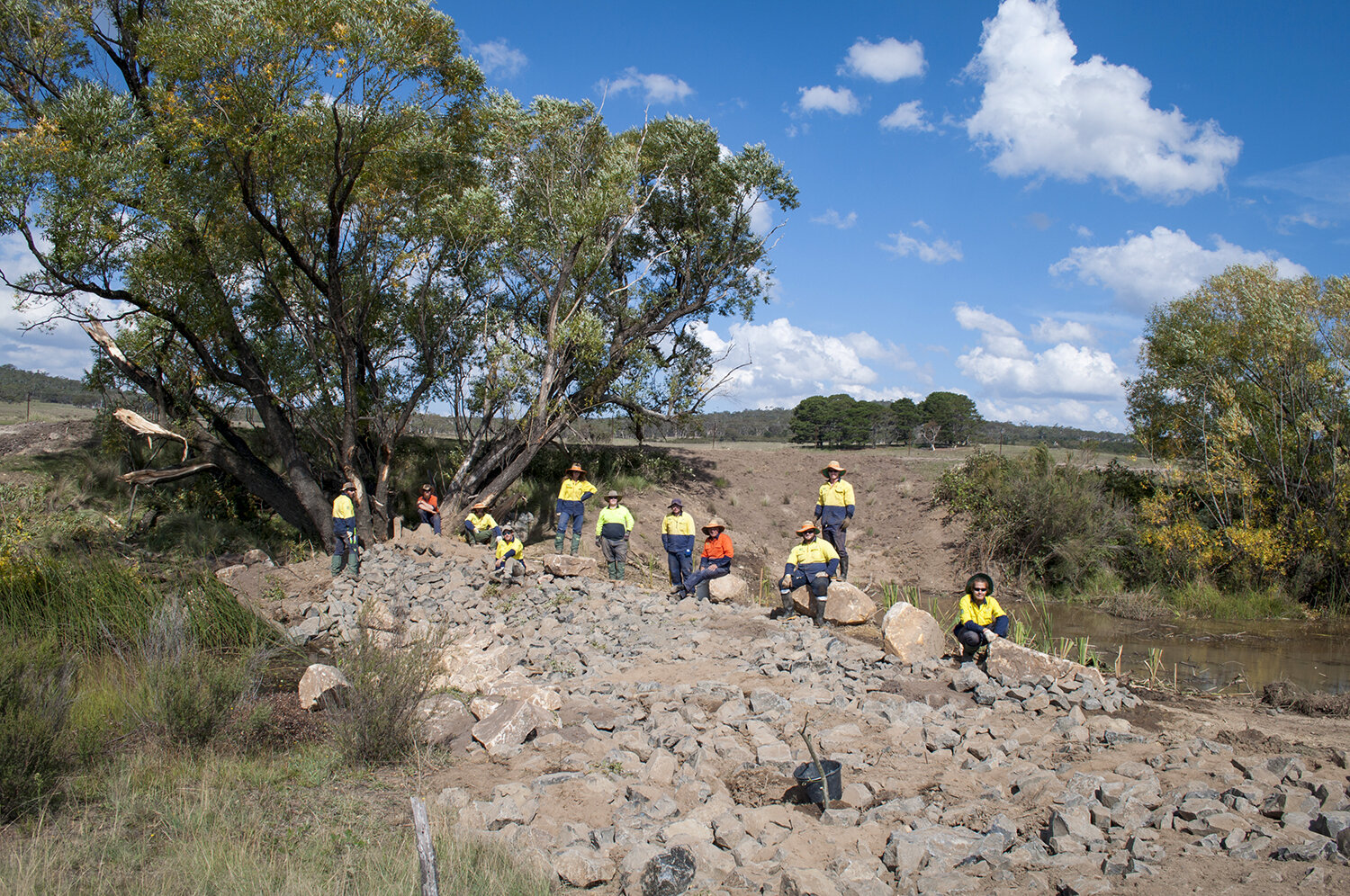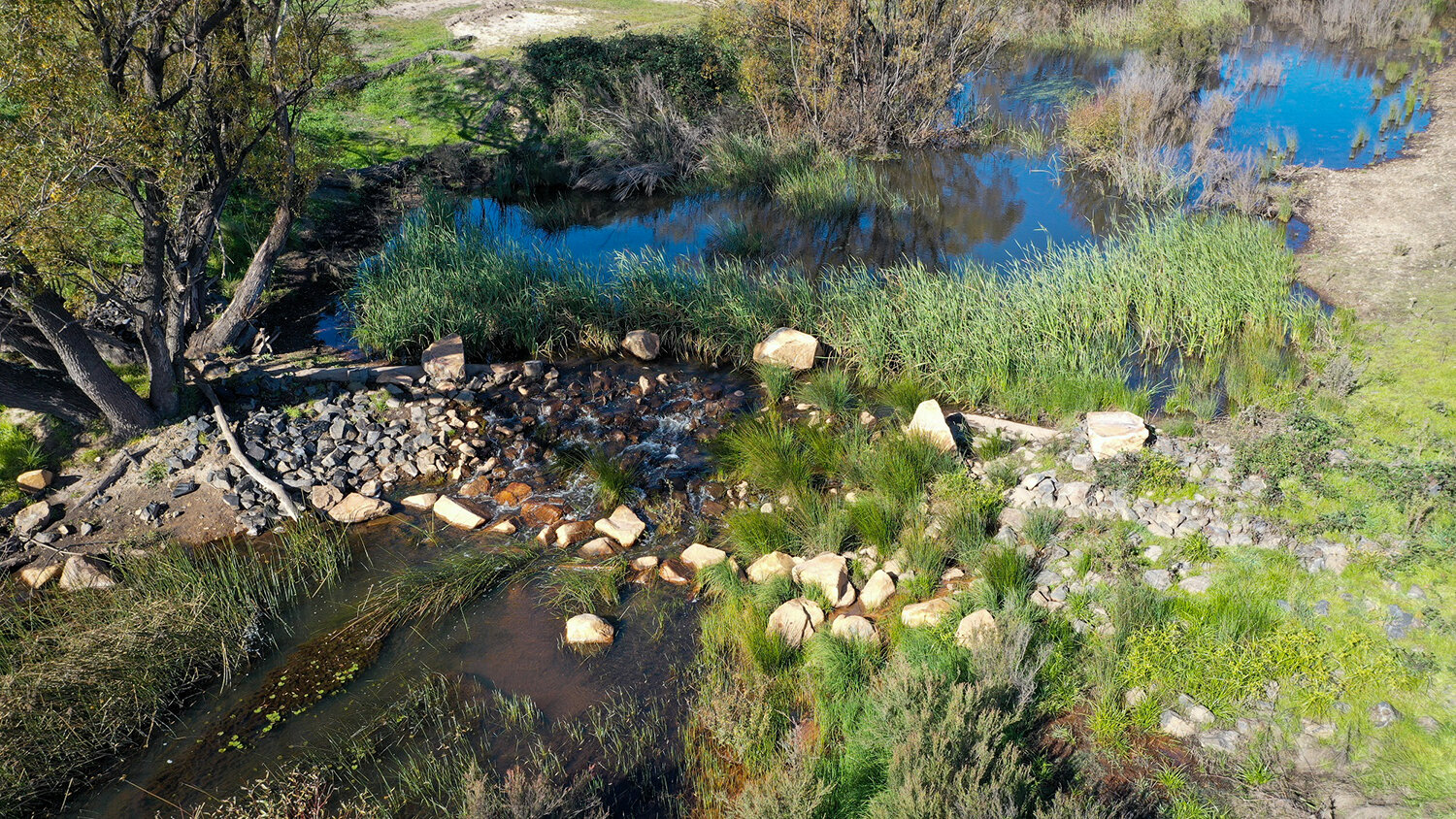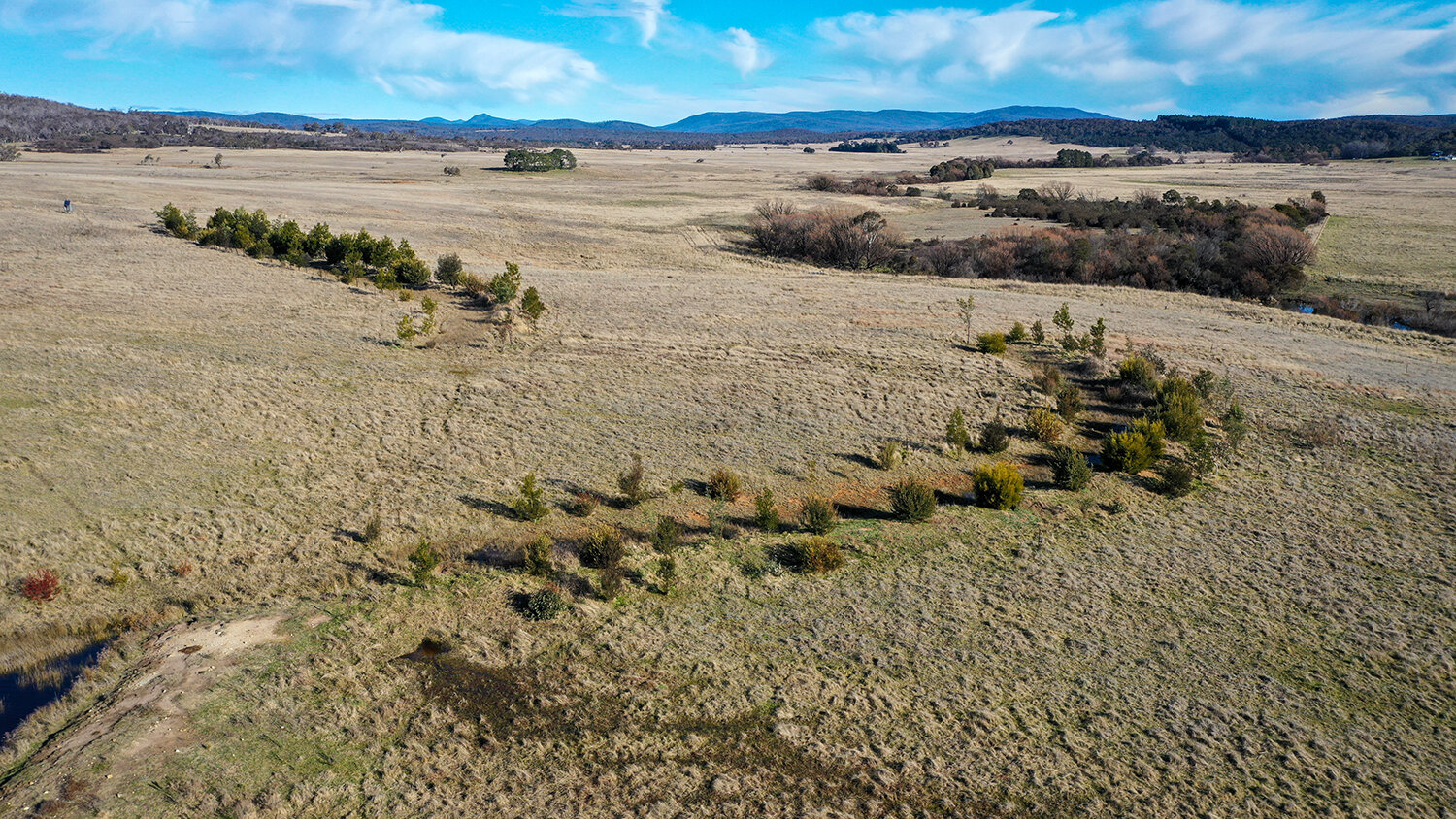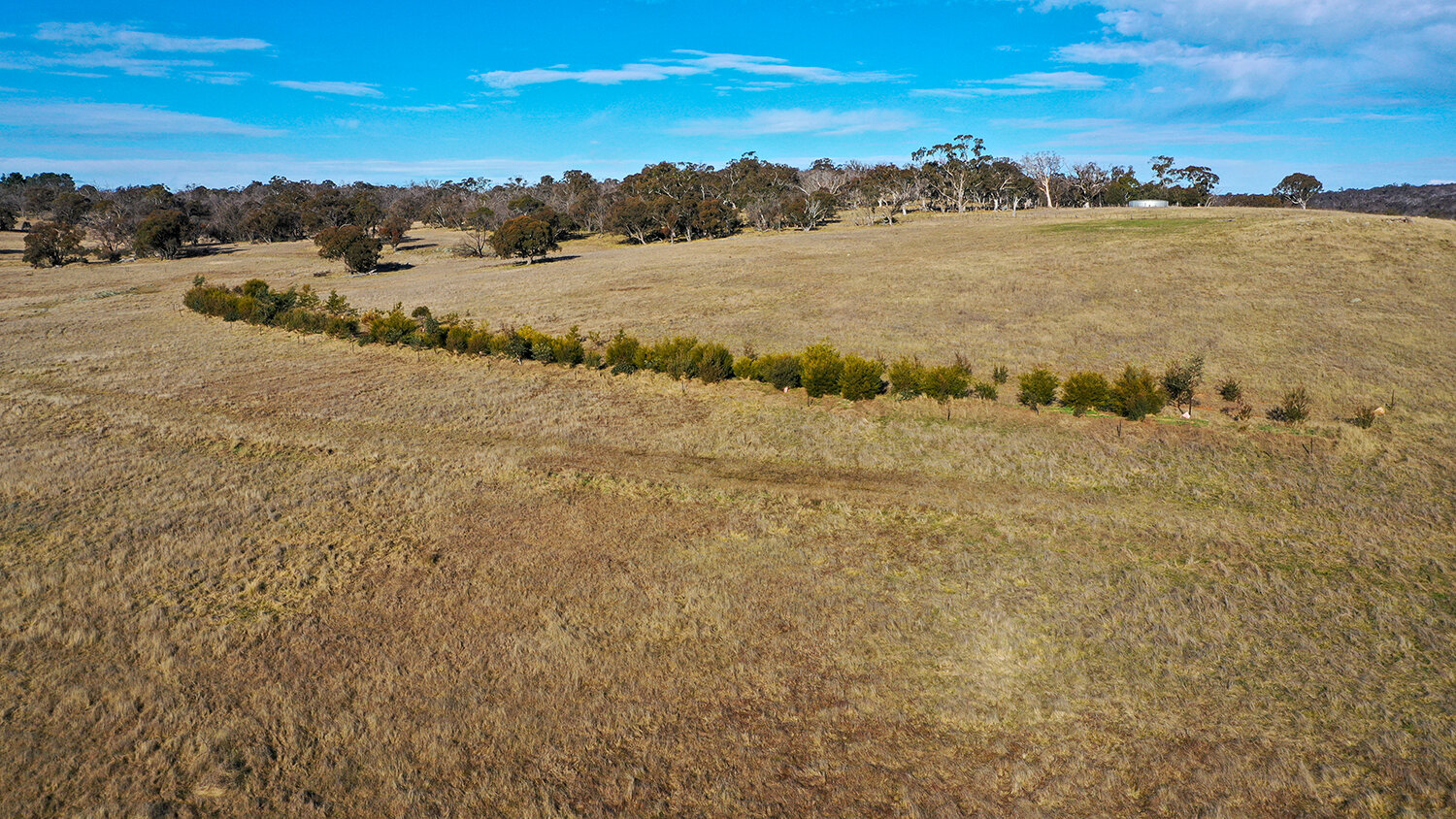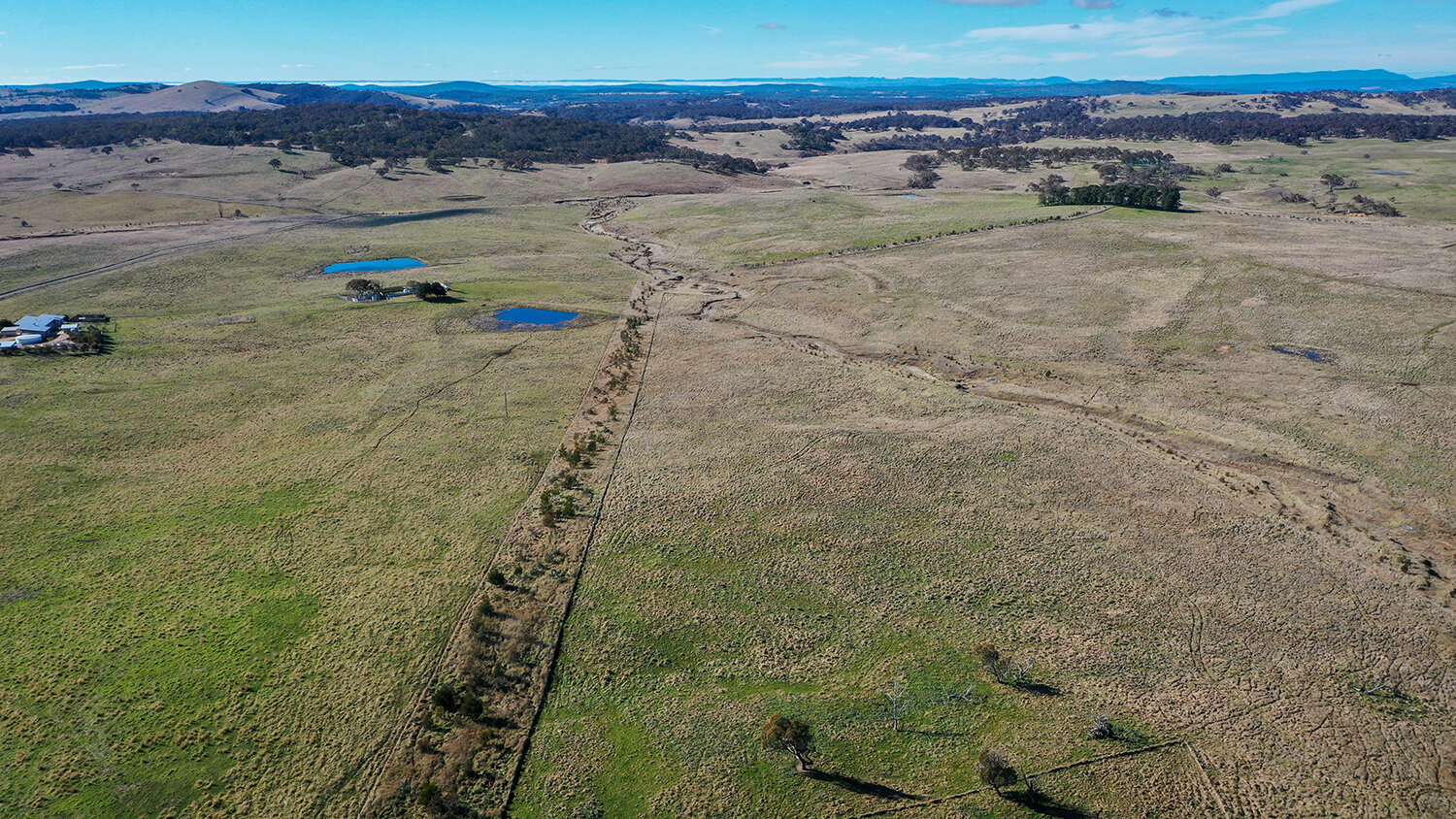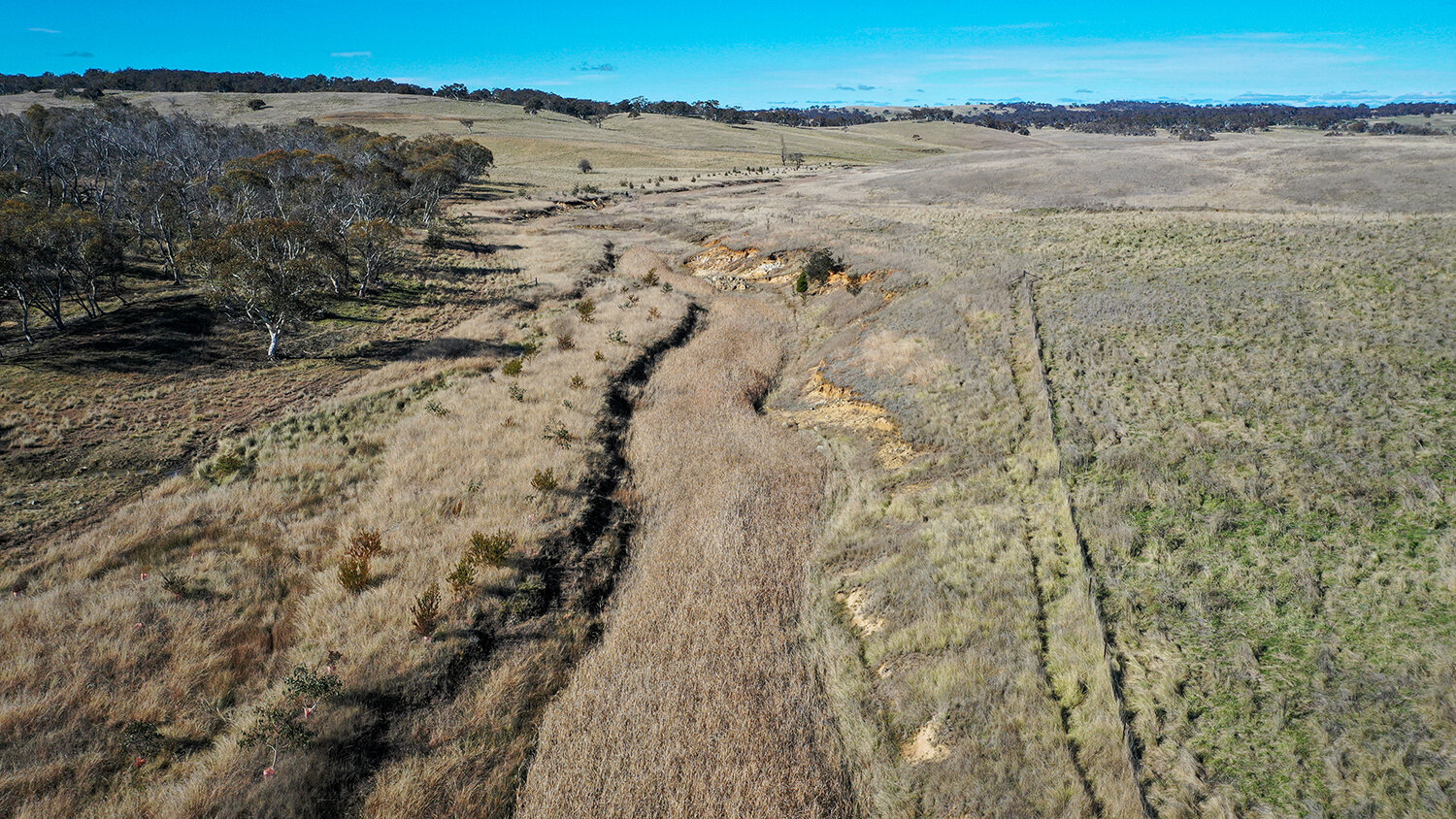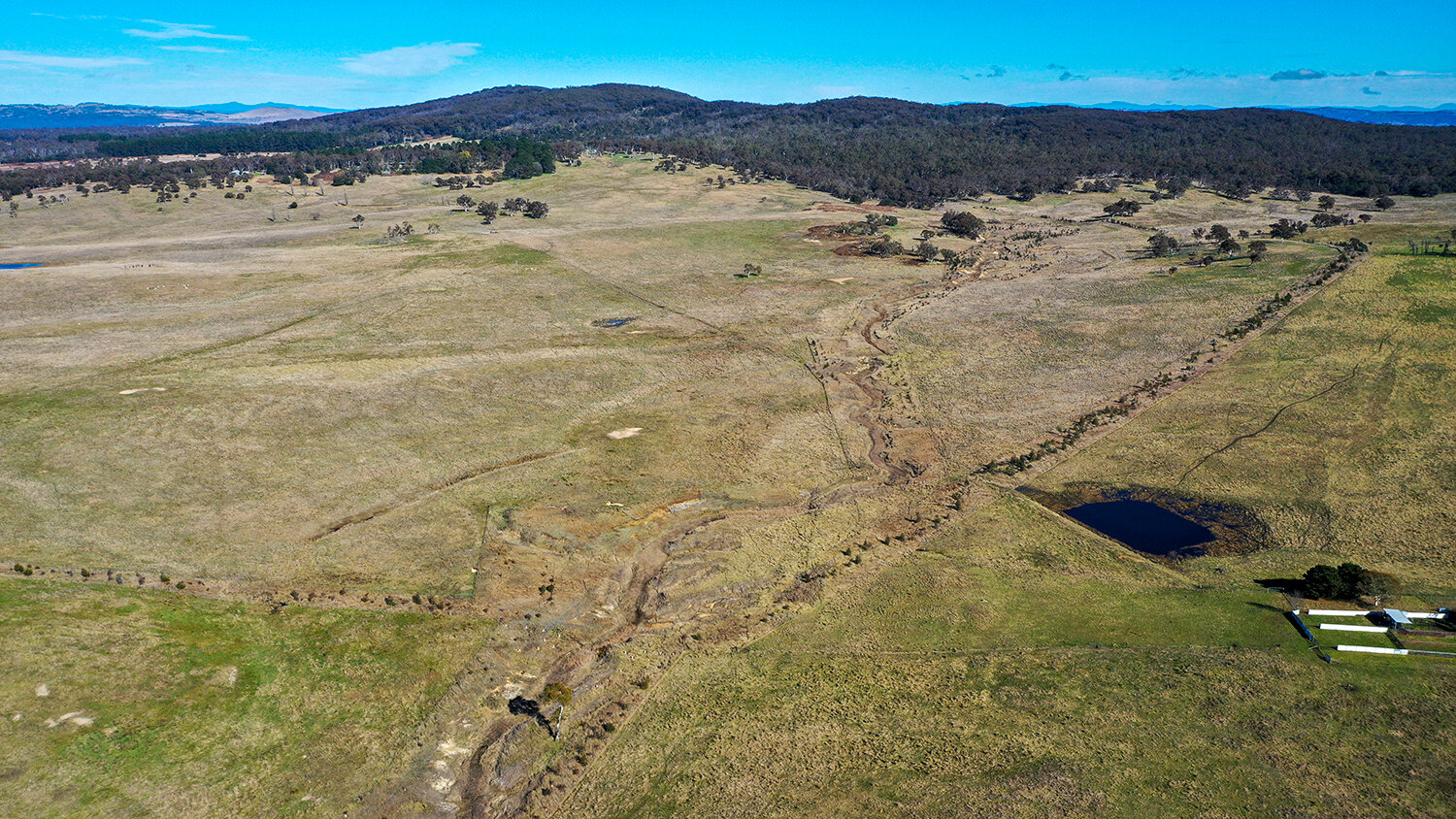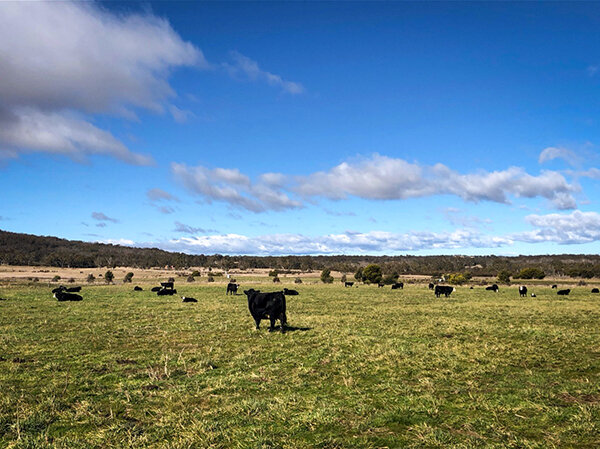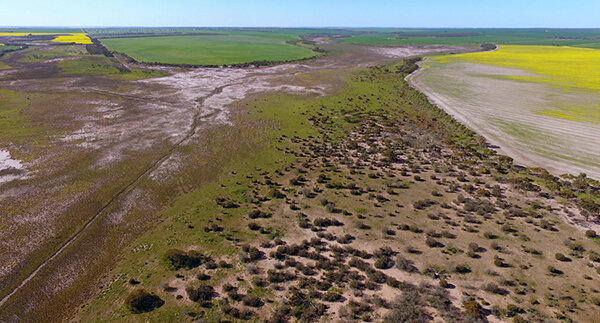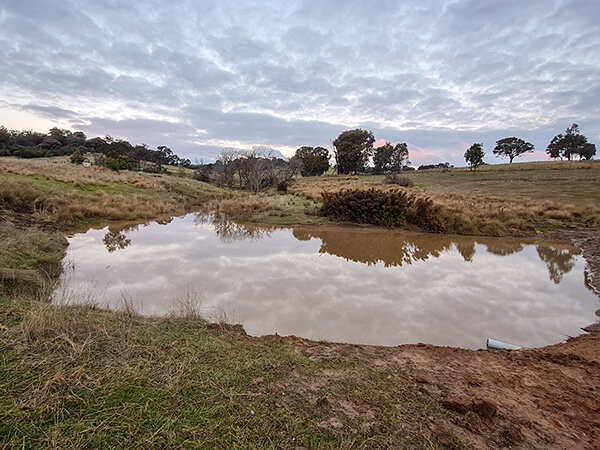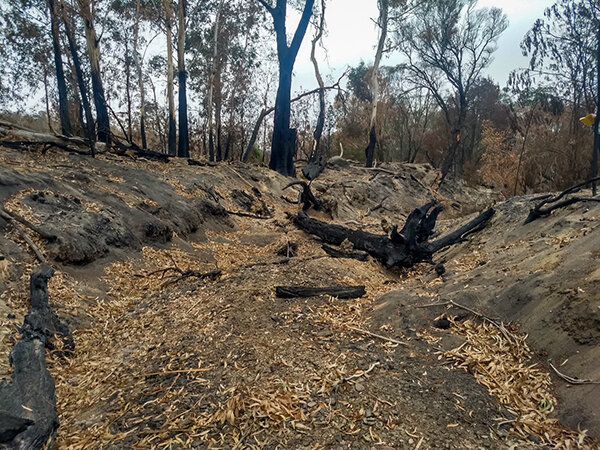
Mulloon Creek on Landtasia shortly after the bushfire season of 2019 / 2020.

Mulloon Creek on Landtasia shortly after the bushfire season of 2019 / 2020.

Work is currently underway on the planning process for the construction of leaky weirs on Landtasia, in the upper end of the Mulloon catchment, as part of the Mulloon Rehydration Initiative.* 

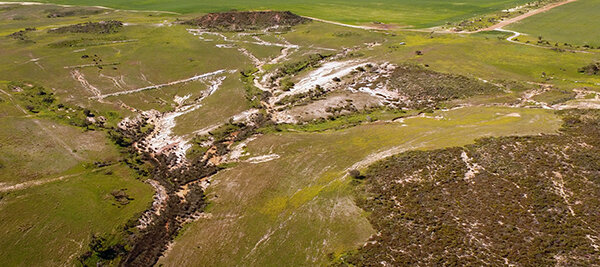
During the 2019-2020 bushfires about 40% of the Mulloon catchment was burnt including a large part of the Landtasia property. With many stands of in-stream vegetation destroyed by the fires, the floods that followed during 2020 caused erosion of Mulloon Creek and its tributaries.

On-ground assessment of the site has determined nineteen leaky weirs which are being planned for the reach of creek spanned by the Landtasia property. By encouraging the proliferation of riparian vegetation, the proposed measures are intended to offset incision of the channel that has happened since the fires, while increasing resilience of the creek to such events in the future.

Unlike areas further downstream, the Landtasia reach of Mulloon Creek has been set aside as Crown land. Because of this the process for obtaining regulatory approval will follow a different course to former projects at Mulloon. The work currently being undertaken on the planning and design is crucial to support the case for construction of the proposed measures.

* The Mulloon Rehydration Initiative is jointly funded through the Mulloon Institute and the Australian Government’s National Landcare Program. The initiative is also assisted by the NSW Government through its Environmental Trust.
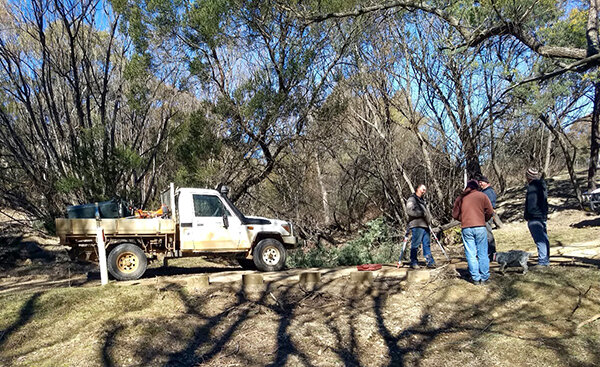
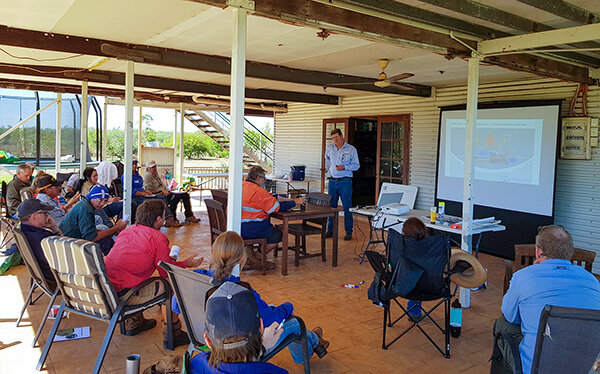
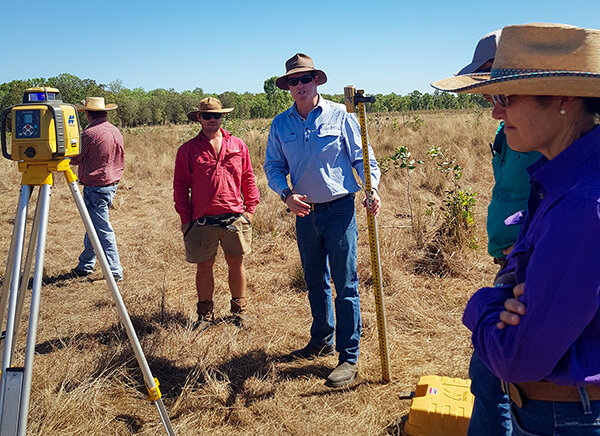
Peter Hazell meets with the Landtasia management team (Martin Teece) as part of the fieldwork undertaken to identify sites. Photo taken in 2019, just before the fires.
Peter Hazell meets with the Landtasia management team (Martin Teece) as part of the fieldwork undertaken to identify sites. Photo taken in 2019, just before the fires.
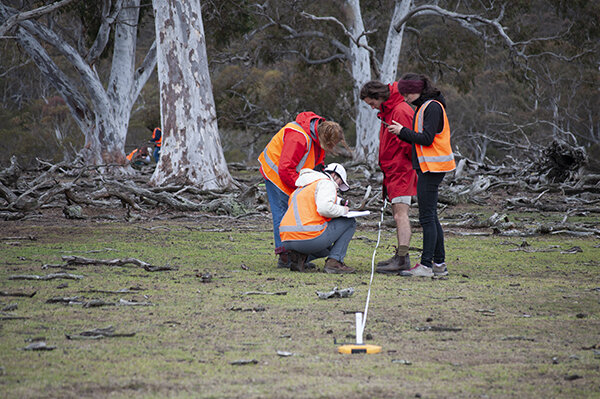
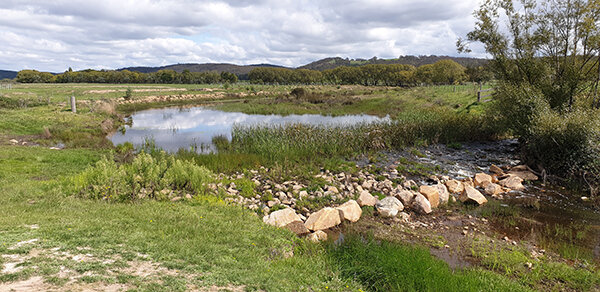
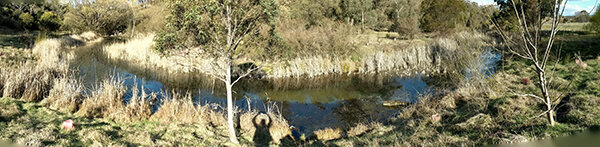
Transect 15 in the MRI demonstration site catchment area. In 2019 this site received a RARC score of 23.5 out of 30.

Transect 15 in the MRI demonstration site catchment area. In 2019 this site received a RARC score of 23.5 out of 30.

A report on the baseline survey results of riparian condition has been compiled by Science Officer Ira Dudley-Bestow and Research Coordinator Luke Peel.

The aim of the report is to establish a baseline data set of the condition of riparian habitat across the length of Mulloon Creek to be used in evaluating the effects of rehydration interventions (leaky weirs) as part of the Mulloon Rehydration Initiative*. Leaky weirs are intervention structures made from rocks and logs used to slow down the flow of water and raise the base water level by creating a chain of ponds.

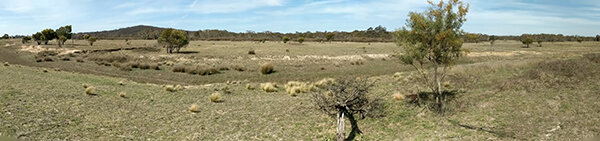
Transect 22 in stage two of the lower Mulloon floodplain at Duralla. In 2019 this site received a RARC score of 16.0 out of 30.

Transect 22 in stage two of the lower Mulloon floodplain at Duralla. In 2019 this site received a RARC score of 16.0 out of 30.

To determine whether the leaky weirs are repairing the landscape, Rapid Assessment of Riparian Condition (RARC) surveys were conducted across the catchment prior to the installation of leaky weirs. Historic bird and frog survey sites were used for the RARC transect locations at MCNF and lower Mulloon floodplain. Additional sites in the remaining catchment areas were selected using satellite and aerial imagery, site accessibility and local knowledge to be representative of the landholder’s property.

There was considerable variation in the RARC scores across the catchment indicating that the condition of riparian vegetation varies greatly across the Mulloon catchment.

* The Mulloon Rehydration Initiative is jointly funded through the Mulloon Institute and the Australian Government’s National Landcare Program. Initial seed funding for the baseline surveys was provided by South East Local Land Services. The initiative is also assisted by the NSW Government through its Environmental Trust.

Baseline Rapid Appraisal of Riparian Condition Report (2021)

Transect 54 in the Shiel Creek catchment area. In 2019 this site received a RARC score of 10 out of 30.

Transect 54 in the Shiel Creek catchment area. In 2019 this site received a RARC score of 10 out of 30.

One of the first projects the Mulloon Institute undertook as part of the Mulloon Rehydration Initiative (MRI) was the ‘Mulloon habitat restoration for threatened species’ project to plant 12,000 trees at ten sites across five properties.

This tree planting work was funded by the Australian Government’s 20 Million Trees Program, while the Mulloon Rehydration Initiative is jointly funded through the Mulloon Institute and the Australian Government’s National Landcare Program. The initiative is also assisted by the NSW Government through its Environmental Trust.

The 20 Million Trees Program was established in 2014 with the aim of planting 20 million trees by 2020 to re-establish green corridors, urban forests and threatened ecological communities. By October 2020 that target had been exceeded, with approximately 27.1 million trees successfully planted. 


Environmental Outcomes

The 20 Million Trees project has contributed significantly to the goals of the MRI with the planting work rejuvenating wildlife corridors on the mid slopes and riparian areas as well as the wetlands. 

Several rare and threatened bird species have benefited from this work including: Flame Robin, Scarlet Robin, Red-capped Robin, Eastern Yellow Robin, Diamond Firetail, Latham’s Snipe, Restless Fly Catcher, Azure Kingfisher, Dusky Woodswallow, Red-browed Finch and White winged Triller.

Fencing from livestock and revegetation of the riparian zones and ponds has also recreated valuable frog habitat, the quality of which is so high that Taronga Zoo is trialling the re-introduction of the captive bred Yellow-spotted Bell Frog, which is currently extinct in the wild.

Social Outcomes 

This 20 Million Trees project has made a key contribution to the social goals of the MRI and has proven to be a foundational pillar of the initiative.

Participating landholders are visibly happy with the aesthetic and environmental outcomes and  many thousands of native plants continue to be planted by volunteers throughout the Mulloon catchment. The outcomes keep building and the results are regularly shared with Landcare and farmer group and high school and university students via field days and site visits.

Economic Outcomes

It is always hard to define the economic outcomes of such a project. Indeed the broader MRI is subject to economic benchmarking. Variables such as pasture biomass are being measured to assess the impact of a rehydrated floodplain and changed grazing management on the landholders’ bottom line. However, the key economic variable relating to revegetation and an improved creek aesthetic must be in the capital value of the land itself. Such a variable is not really measurable until the land is sold. However, real estate agents do say that buyers will pay more for land that has trees on it and healthy waterways. 

More trees have been planted than was in the original plan. With losses this number was still higher. This project has kick started a significant tree planting program within the Mulloon catchment associated with the MRI. Since the 20 Million Trees program was completed at least as many trees again have been planted. Plus, with the fencing of riparian areas, the natural regeneration of native vegetation is accelerating.

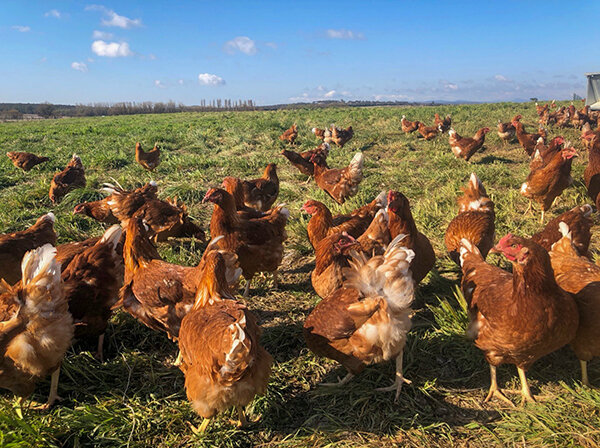
Winter has seen the continuation of wet conditions across the farms. Our 12-month rolling rainfall has been consistently above 1,000 mm, peaking at 1,129 mm on 4 August which is almost double the long-term average. This has led to some challenging conditions for both feathered and non-feathered folks with lower egg production and a record number of vehicles bogged as a result. Whilst overcoming and adapting to these conditions, we have also successfully maintained full operation during the Covid lockdowns in regional NSW and the Canberra region, which is a credit to the whole team.

Picture 2-600px.jpg

With longer days and warmer temperatures, the onset of spring has led to a rise in egg production and we are set to continue that trajectory through the warmer months, ensuring a plentiful supply of eggs in stores. The cows are now well into calving and fortunately the abundance of feed we had in reserve for the winter has seen the cows and calves doing extremely well. The early spring pasture growth and favourable conditions is most welcome as our cows reach the peak of their nutritional needs with calves at foot. By managing our pastures with time-controlled grazing we match our stocking rate to the carrying capacity of our land and manage rests to encourage optimal root and pasture growth, supporting the sequestration of carbon in our soils. 

Picture 1-600px.jpg

Post-graduate students (Honours, Masters, PhD) are invited to submit project ideas for study as part of the research in the Mulloon Rehydration Initiative across a range of areas:

  • Productivity – farm and natural capital, including soil health

  • Hydrological – surface & sub-surface water balance & quality

  • Ecological Function – diversity & abundance

  • Social Capital – people, adapting to change and adopting new methods.

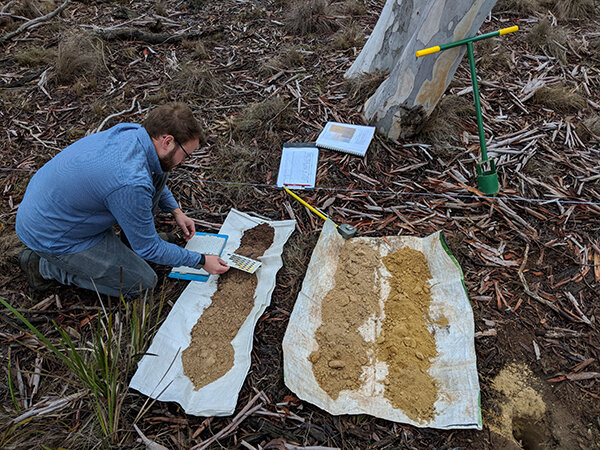
French intern François Villain from the Institut supérieur d'agriculture de Lille assessing soil samples.

French intern François Villain from the Institut supérieur d’agriculture de Lille assessing soil samples.

Alluvial channel

There are a range of projects related to surface water quantity and quality at various scales: catchment, property, river reach.

Dr Dan Starrs (University of Canberra) conducting electro backpack fishing during a baseline fish survey of Mulloon Creek, 2016. 

Dr Dan Starrs (University of Canberra) conducting electro backpack fishing during a baseline fish survey of Mulloon Creek, 2016. 

Riparian corridor

All these projects already have data available ready to build on to address research related to riparian corridor including aquatic zone as habit for indicator species.

Photo by landholder Antony Mulhall, 2017.

Photo by landholder Antony Mulhall, 2017.

Floodplain

There are numerous projects that can be scaled to property and/or catchment and focus on one or all zones: Alluvial channel, Riparian corridor, Alluvial Plain. 

  • Groundwater sensors

    • Analyse levels and storage, quality, connectivity with stream, multiple aquifers (shallow and deep)

  • Soil moisture sensors

    • Analyse for plant available water, volumetric water content, capacity, drainage upper limit

    • Require calibration with soil physical parameters eg bulk density

  • Salinity in soil and deeper regolith

    • Modelling water balance APSIM SoilWAT

      Extensive climate station data in combination with water monitoring data

  • Extent and duration of flood events

  • Productivity of different management systems

    • Biomass sampling (manual and or plate meter)

    • Calibration of satellite data (Cibo Labs) and generate spatial analysis from point source.

Installing soil moisture sensors across the Mulloon floodplain.

Installing soil moisture sensors across the Mulloon floodplain.

  • Landscape Function Analysis (LFA)

  • Established sites across catchment in floodplains and across the catena sequence

  • Brushpack assessment from previous ANU Fenner School of Environment & Society students

  • Analyse spatial and temporal effect with satellite data.

  • Soils analysis

    • Chemical parameters – i.e. soil organic matter, salinity (initial study conducted)

    • Physical attributes – i.e. bulk density, composition

    • Biological attributes – i.e. soil biota, fungi

    • Infiltrometer at various sites including LFA or other landscape interventions iecontours, brushpacks

    • Further analysis of previous ANU Fenner School soils mapping project 2015.

Students from the Australian National University conducting LFA.

Students from the Australian National University conducting LFA.

Satellite analysis – Cibo Labs

Satellite imagery provides a great range of applications in combination with other datasets.

  • Spatial and temporal analysis of

    • Pasture cover

    • Pasture greenness and growing period (i.e. has it been extended?)

    • Woody cover change

    • Assessment of satellite derived outputs indicating biomass and food on offer (FOO)

    • Link with RARC or LFA datasets.

Contact

For more information, please contact Research Coordinator Luke Peel via luke@themullooninstitute.org or speak to your university supervisor.

The Mulloon Rehydration Initiative is jointly funded through the Mulloon Institute and the Australian Government’s National Landcare Program. The initiative is also assisted by the NSW Government through its Environmental Trust.

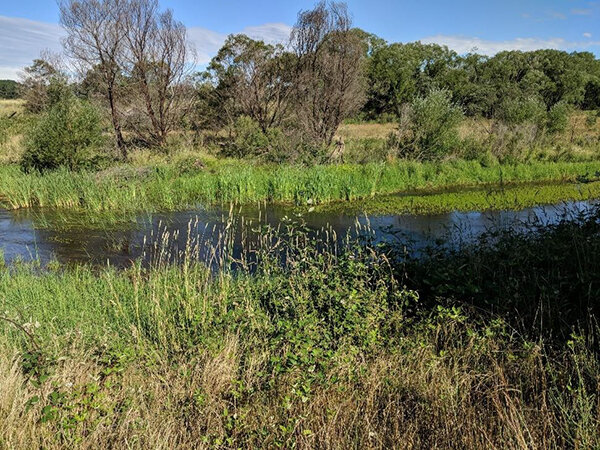
Mulloon Creek, NSW.

Mulloon Creek, NSW.

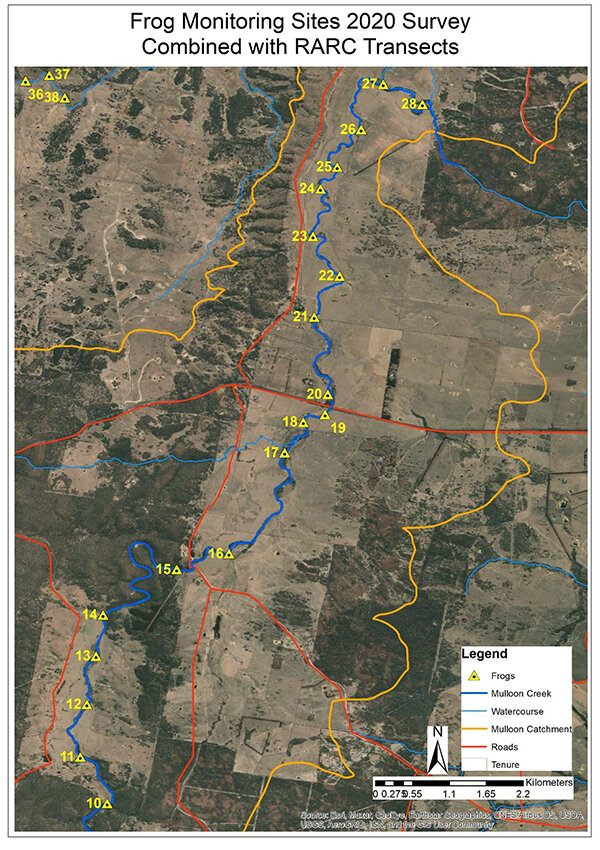
The latest frog monitoring report for Mulloon Creek is now available online, based on scientific monitoring undertaken during summer 2020 by Dr Sam Patmore and staff from the Mulloon Institute. 

The broad aim of the monitoring is to provide baseline data on the frog populations present within the defined sections of Mulloon Creek to allow for future comparisons of population numbers and assemblages to aid in the assessment of the benefits and effectiveness of the Mulloon Rehydration Initiative, which is jointly funded through the Mulloon Institute and the Australian Government’s National Landcare Program. The initiative is also assisted by the NSW Government through its Environmental Trust.

The study area is situated along Mulloon Creek in the Southern Tablelands of New South Wales, between Braidwood and Bungendore. A total of 38 survey sites were included in the December 2020 frog surveys at 19 monitoring transects along Mulloon Creek. Additional frog surveys were undertaken at eight of the ‘farm dam’ sites within Mulloon Creek ‘Home Farm’ (which includes a ‘wetland’ site located in the lower floodplain valley floor.

Frog Surveys-transects-600px.jpg

The surveys found a relatively healthy frog community along the creek and adjacent dams/wetlands with a total of eight species detected across the monitoring sites, including:

  • Crinia signifera, Common Eastern Froglet

  • Crinia parinsignifera, Plains Froglet

  • Limnodynastes peronii, Striped Marshfrog

  • Limnodynastes dumerelli, Eastern Banjofrog

  • Limnodynastes tasmaniensis, Spotted Grassfrog

  • Litoria peronii, Peron’s Treefrog

  • Litoria verreauxii, Whistling Treefrog

  • Uperoleia laevigata, Smooth Toadlet

This project has been assisted with funding from the NSW Environmental Trust.

Frog Population Monitoring of Mulloon Creek Report (2020)

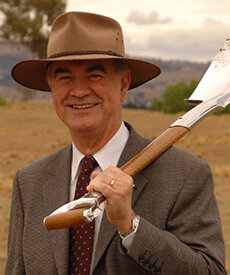
The Hon. Gary Nairn AO

The Hon. Gary Nairn AO

“Spring into Spring” is a well-worn catch phrase particularly from retailers wanting to excite their customers into a shopping spree. With NSW, Victoria and the ACT still in lockdown as I write, it is hard to feel too much excitement just now. Probably more like trepidation that the lockdown is going to continue or if your “glass is half full”, hopeful expectation that “freedom” is not far away. Let’s hope!

Despite the restrictions we have been getting on with the job at The Mulloon Institute (TMI), Mulloon Consulting (MC) and Mulloon Creek Natural Farms (MCNF), albeit very constrained. In particular TMI and MC have not been able to run workshops, field days, do on-farm consultations etc. Fortunately there has been plenty of design work and data analysis to get on with, keeping our team busy. Our free ranging chickens at MCNF don’t understand “lockdown” and so they have been doing what comes naturally, laying eggs! Different story for Jim Steele and his team at MCNF, feeding, watering, collecting and packing under strict COVID guidelines.

In addition, there has been no shortage of advocacy work for us with multiple Zoom or Teams meetings with government, corporates and our many collaborators. Carolyn Hall and her team have also been very busy preparing submissions for numerous government grants, chief amongst them being the Future Drought Fund Innovation Grants.

While there are quite a variety of government funding programs, the holistic approach we take to landscape repair and rehydration doesn’t easily fit the programs that are generally offered. For example, programs are usually quite specific with respect the area of government in which they sit. Restoring landscape function includes water, soil, biodiversity, agriculture and community interaction. So with some funding opportunities we are required to target one or two aspects of our work. But we are finding government is open to considering this issue for future programs.

IPCC REPORT ON CLIMATE CHANGE

Taking a more holistic approach was also very much in my mind when the recent IPCC Report on Climate Change was released. As expected, the headline reporting concentrated on modelling projections of temperature rise, emission reductions and date targets for countries to become net-zero. No criticism there, however, as we know there are practical ways to directly impact these issues through landscape rehydration and increases to soil organic carbon. View our press release: ‘Australia’s Emissions Reduction Target Lies Beneath Our Feet’.

Rehydrated landscapes are key to carbon sequestration and improving farm resilience to climatic extremes. (Westview Farm 2020)

Rehydrated landscapes are key to carbon sequestration and improving farm resilience to climatic extremes. (Westview Farm 2020)

These opportunities were in fact raised in the IPCC Report as it referred to the potential of land carbon sinks and acknowledged that biological methods of increasing land carbon storage also enhance primary productivity. It would have been useful if the IPCC had also included that in policy proposals. Perhaps the next report.

I hope that you find the many diverse articles on our activities in this Spring edition of Resilience are of great interest. As always, I very much appreciate your ongoing philosophical and/or financial support, we can’t achieve our goals without you.

Warm regards,
Gary Nairn AO
Chairman

Northampton property escarpment slope

Northampton property escarpment slope

Soil Health Masterclass workshop

Lance Mudgway, Landscape Planner and local Mulloon representative in Western Australia, recently presented a ‘Landscape Rehydration’ introductory workshop at a Soil Systems Masterclass in Northampton, hosted by the Department of Primary Industry and Regional Development.

Northampton is about 470 km north of Perth and 15 km inland from the coast with a fascinating landscape – mesas on the edge of a sandy plateau, with an escarpment and gullies dropping off the edge and rolling hills to the coast.

The workshop is the first in a series of planned masterclasses to offer farmers on-farm workshops about the science underpinning sustainable, low-carbon, biological farming systems; and how to create and keep soil carbon. It forms part of the McGowan Government’s $15 million Agriculture Climate Resilience Fund to assist farmers to respond to the challenges, and embrace the opportunities, of climate change.

Presenters included Brendon Savage, a Wheatbelt farmer from Kulin (280 km east south east of Perth) who has been putting on drastically less nitrogen on his crops after pasture (<10 units of N, versus district average of 40-80 units), with yields of 3.75 t/ha and crops being grazed in their early stages (district average would be 2-4 t/ha). Another presenter was an agronomist from Elders who was not following the conventional line.

The other main presenters were Ellen and Georgina from EarthWhile Australia who introduced soil biology. Participants were encouraged to bring in soil samples from their farms to view their soil biology.

“Transformation will come from embracing farming systems that see stronger soil biology, vegetative cover in our paddocks intensified, soil carbon growing significantly and landscapes being rehydrated.”
– WA Agriculture & Food Minister, Alannah MacTiernan

Northampton property escarpment slope – workshop site.

Northampton property escarpment slope – workshop site.


WA Stewardship Grant

Lance has visited several properties for site assessments as part of the Landscape Rehydration Trial and Demonstration project being conducted in the WA Wheatbelt, thanks to a WA Community Stewardship Grant.

Stuart McAlpine practices regenerative agriculture at his property and maintains cover over his soil and is trying to increase his soil carbon and biology. At the moment he is mainly cropping, but is hoping to swing back toward grazing (cattle). Stuart’s property has some exciting prospects for landscape rehydration work that could be done there. The area we are looking at is about 2000 ha and is the upper part of a large catchment, with salinised valley floors. Soils are sandy with gravelly ridges, on gently rolling hills and valleys. Waterlogging is prevalent along the edges of the valley floors. Salinity varies from mild to severe In the valley floors themselves, depending on elevation relative to the waterway. Gully water erosion is not a significant or a high risk, though sheet water erosion and wind erosion are. 

McAlpine valley floor and adjacent slope.

McAlpine valley floor and adjacent slope.

Dave McFall’s organic property where he has used Yoeman’s key-line principles to manage water across the property very effectively, resulting in far less waterlogging issues compared to neighbouring farms.  

Bev, Geoff and Jeremy Kowald have recently purchased the neighbouring property after leasing it for three years and would like to implement landscape rehydration on it. They practice holistic grazing and have been working to build their soil carbon and biology and are about to embark on building a composting facility, taking manure and feed residue from the local abattoir. These properties have the scope to become one site, with the potential for some good trials of the landscape rehydration methods in the WA Wheatbelt/cropping context.

Peter Hazell takes participants through the theory of landscape rehydration.

Peter Hazell takes participants through the theory of landscape rehydration.

Peter Hazell from the Mulloon Institute travelled to Batchelor, NT to deliver an ‘Erosion Control – Landscape Rehydration’ workshop during July, just before large parts of Australia were locked down due to Covid.

As part of the Northern Territory Soil Consortium established by Territory NRM to build land manager capacity and knowledge in soil health and conservation, the workshop gave participants and landholders an introduction to innovative approaches for rehydrating landscapes and restoring landscape function. It was made possible through funding from the Australian Government’s National Landcare Program.

The workshop was hosted at Old Cameron Downs Station where landowners Peter and Fiona have previously built some small leaky weirs, which coupled with their land management, has resulted in increased groundcover so that large water flows are visibly slower and more spreading today than compared to six years ago when they first bought the place. 

The site has the potential to be a perfect demonstration site of landscape rehydration within the Top End context, with landforms that lend themselves to minor interventions which would have significant agricultural and environmental benefits – such as, a series of small leaky weirs through an eroding primary flow line, and a couple of well-planned and constructed contours aimed at dissipating flows entering the primary watercourse.

However, as we learnt through the course of the workshop, in the Northern Territory there are quite particular legal constraints around proposed landscape rehydration works.

Using a laser level to mark out the contour.

Using a laser level to mark out the contour.

The second day was the practical component of the workshop. After choosing an appropriate tributary and location for a demonstration contour, and then going through all of the soil types and hydraulic risk factors, we stepped and pegged out the contour and moved the dozer into position for an initial rip along the contour. At this point it became apparent that a clearing permit wasn’t in place for this particular location which would have allowed us to disturb the native vegetation, which was a small number of waist high, regrowth Melaleuca.

While Peter and Fiona had clearing permits over most of their property, which they had inherited from the previous owner, they didn’t cover the paddock we were planning to rip – which was a cleared paddock. Either the previous owner had initially cleared this paddock without a permit, or it was cleared prior to 2002 when permits were not required. 

We decided it would be imprudent to act against the Northern Territory Government’s advice and halted any further progress on cutting a contour. There are also strict Water Act and Heritage considerations in the NT which the Mulloon Law Committee will be invited to investigate.

While our Territory NRM hosts were thrown a major curve ball by this turn of events, the obstacle thrown in front of them has fired their motivation, and that of the landowners and the other workshop participants, to get a decent landscape rehydration demonstration or two happening in the Territory. We look forward to helping facilitate this for them.

Hands-on learning stepping and marking out the contour.

Hands-on learning stepping and marking out the contour.

Large leaky weir after decent rain.

Large leaky weir after decent rain.

Landowners Jo and Rick Hoole engaged Mulloon Consulting to undertake the Slate Hill Leaky Weir Project to address an area of severe erosion at their Woomargama property in Southern NSW. 

Water backing up along a former erosion gully.

Water backing up along a former erosion gully.

Historically, erosion had been caused on the site by runoff from the surrounding hilly landscape and a seasonal stream, which cut through the valley in heavy rain.

With grant support from the Biodiversity Conservation Trust, Mulloon Consulting was engaged to visit the property and draw up a site assessment, from which three main sites were identified for on-ground interventions. This included two leaky weirs, a large contour and associated earthworks which were constructed over three days. The contour’s main role was to divert runoff from reaching a severely eroded gully.

Within a week of the on-ground works, heavy rain helped to fill the leaky weirs and water is now leaking slowly over the planned route. Grass seeds have been scattered over all the earthworks and revegetation is expected to begin covering the bare ground during spring and summer. 

The largest leaky weir skilfully constructed by Shane Potocnic of Holbrook Earthmoving, with rock brought in from Bald Hill Quarry.

“Our thanks to all at the Mulloon Institute for such a successful first stage, we hope in the future to continue to do further works and also add much more revegetation to the site.” Jo Hoole, Slate Hill

Video – Below the lowest site is a trickle pipe that spills onto a rock ramp. Low flows go through the pipe. High flows travel down the rock ramp.