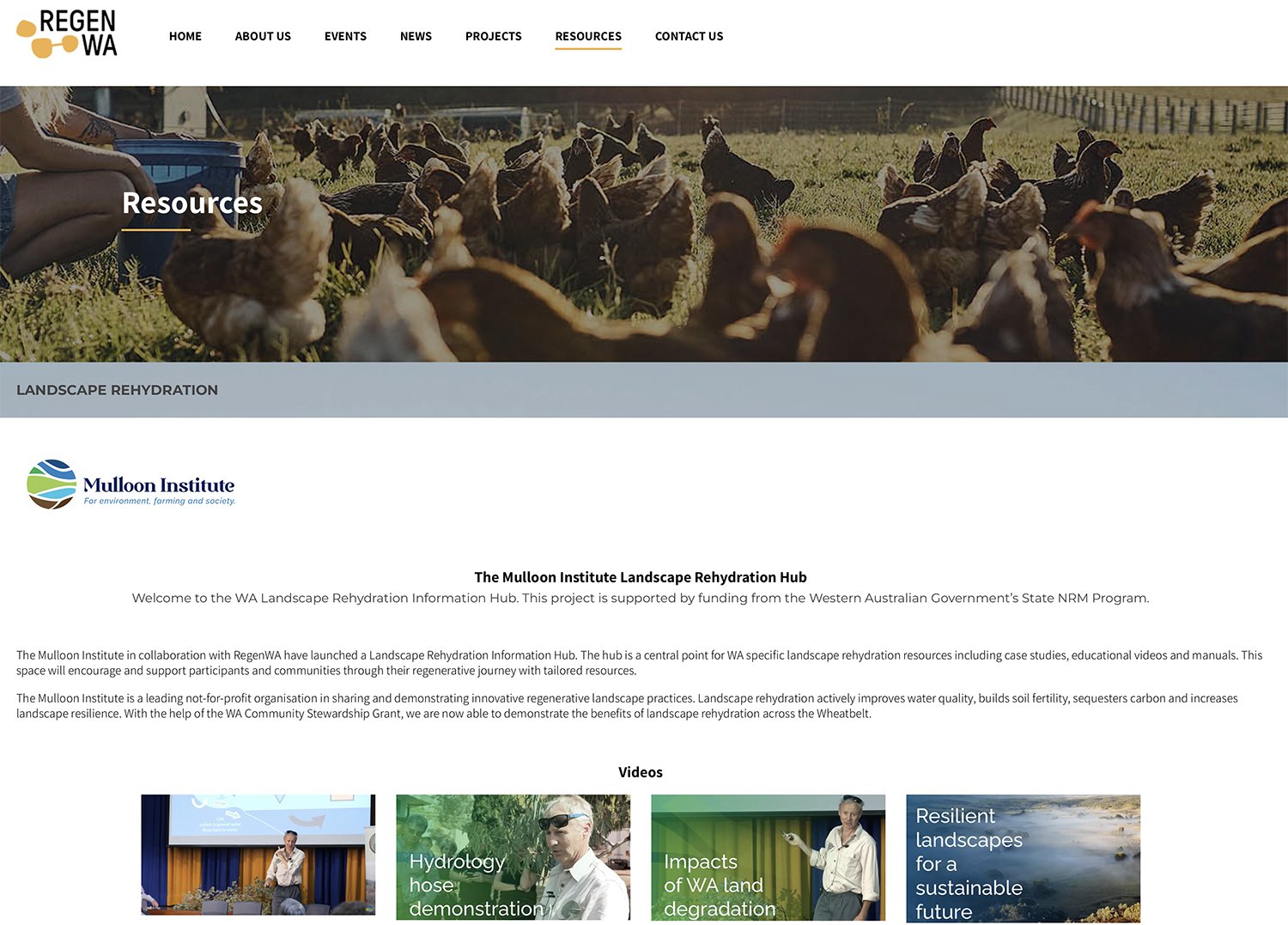
The Mulloon Institute in collaboration with RegenWA have launched a Landscape Rehydration Information Hub. The hub is a central point for WA specific landscape rehydration resources including case studies, educational videos and manuals. This space will encourage and support participants and communities through their regenerative journey with tailored resources.

The Mulloon Institute is a leading not-for-profit organisation in sharing and demonstrating innovative regenerative landscape practices. Landscape rehydration actively improves water quality, builds soil fertility, sequesters carbon and increases landscape resilience. With the help of the WA Community Stewardship Grant, we are now able to demonstrate the benefits of landscape rehydration across the Wheatbelt.

The hub has been developed as a part of the Western Australia Landscape Rehydration Trial. The trial is funded by the Western Australian Government’s State NRM Program and aims to demonstrate the productivity and ecological benefits of landscape rehydration in the WA Wheatbelt. The project will highlight increased landscape function and resilience across three properties which will implement detailed landscape rehydration plans. Landscape rehydration concepts will be modified to suit the WA landscape, particularly in relation to salinity issues.

This project is supported by funding from the Western Australian Government’s State NRM Program.

View the Information Hub

Have a look here: https://www.regenwa.com/resources/landscape-rehydration/

Contribute

To contribute to the Information Hub or learn more about the project, please contact Lance Mudgway via lance@themullooninstitute.org or 0428 546 971.

We have welcomed the start of spring on the farms. Lovely blossoms of wattle and an abundance of native wildlife have been a feature over the last couple of weeks, with highlights being the large diversity of birds and plenty of echidna sightings. 

A La Niña climate cycle looks to continue but we hope for a few sunny days over the coming months to help our pastured chickens as their production ramps up with the longer, warmer days. 

Our cattle herd will enjoy the impending abundance of feed on offer as our calving program nears completion for 2022, while an early start to the growing season will have them on plenty of quality feed leading up to joining in November. 

If you’re looking for an events space for a wedding, corporate function or party please reach out to our Farm Manager, Matt Narracott, via our website (https://www.mcnf.com.au/contact) or Instagram @mullooncreeknaturalfarms. Our program for autumn 2023 weddings is filling up fast so get in quick.

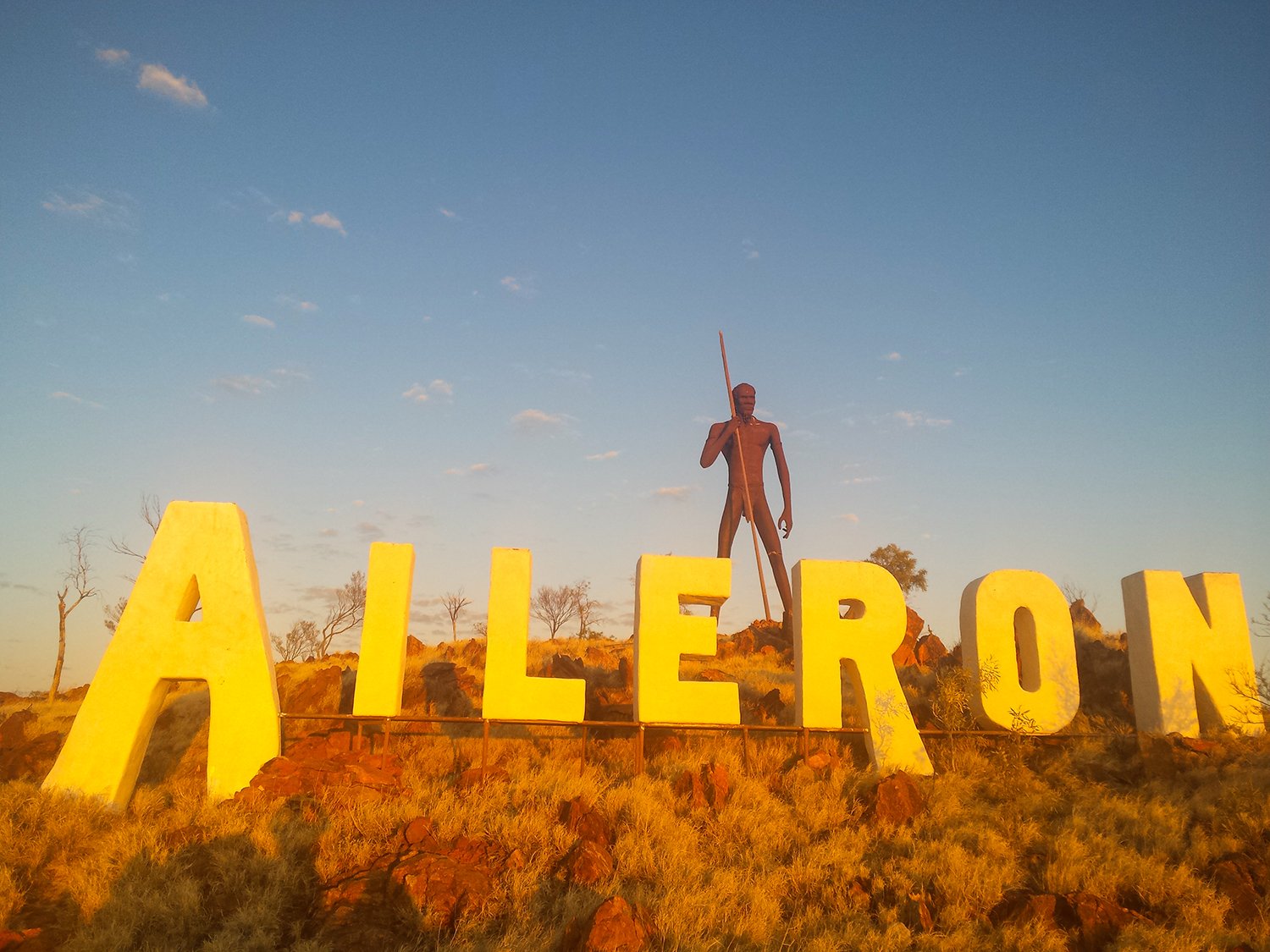
Aileron Roadhouse, Northern Territory

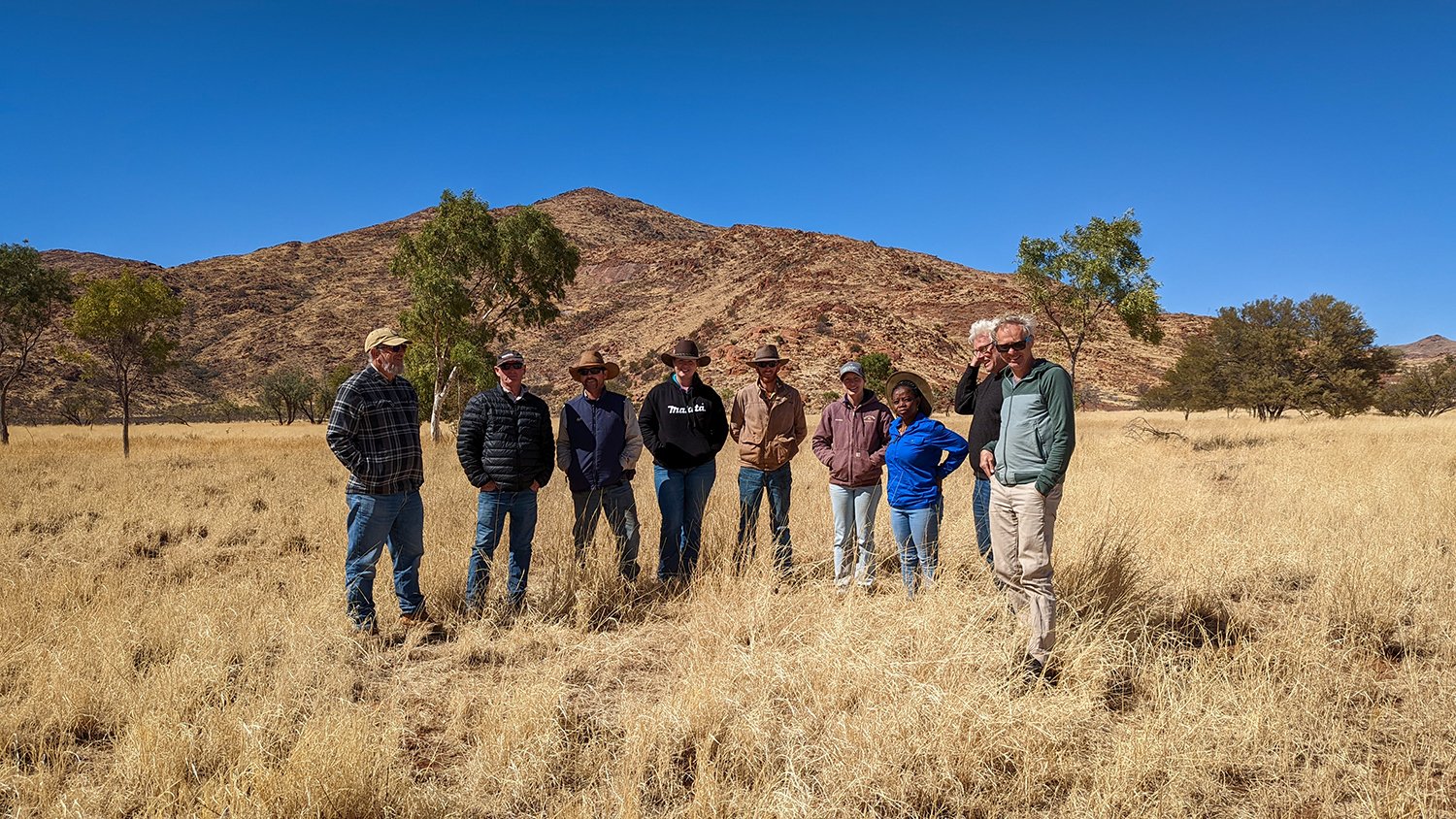
This August, the new Centralian project kicked off in Alice Springs with members from the Mulloon Institute, Northern Western Australia and Northern Territory Innovation Hub (NWANT) and Tierra Australia meeting with station managers from the Central Australian rangelands.

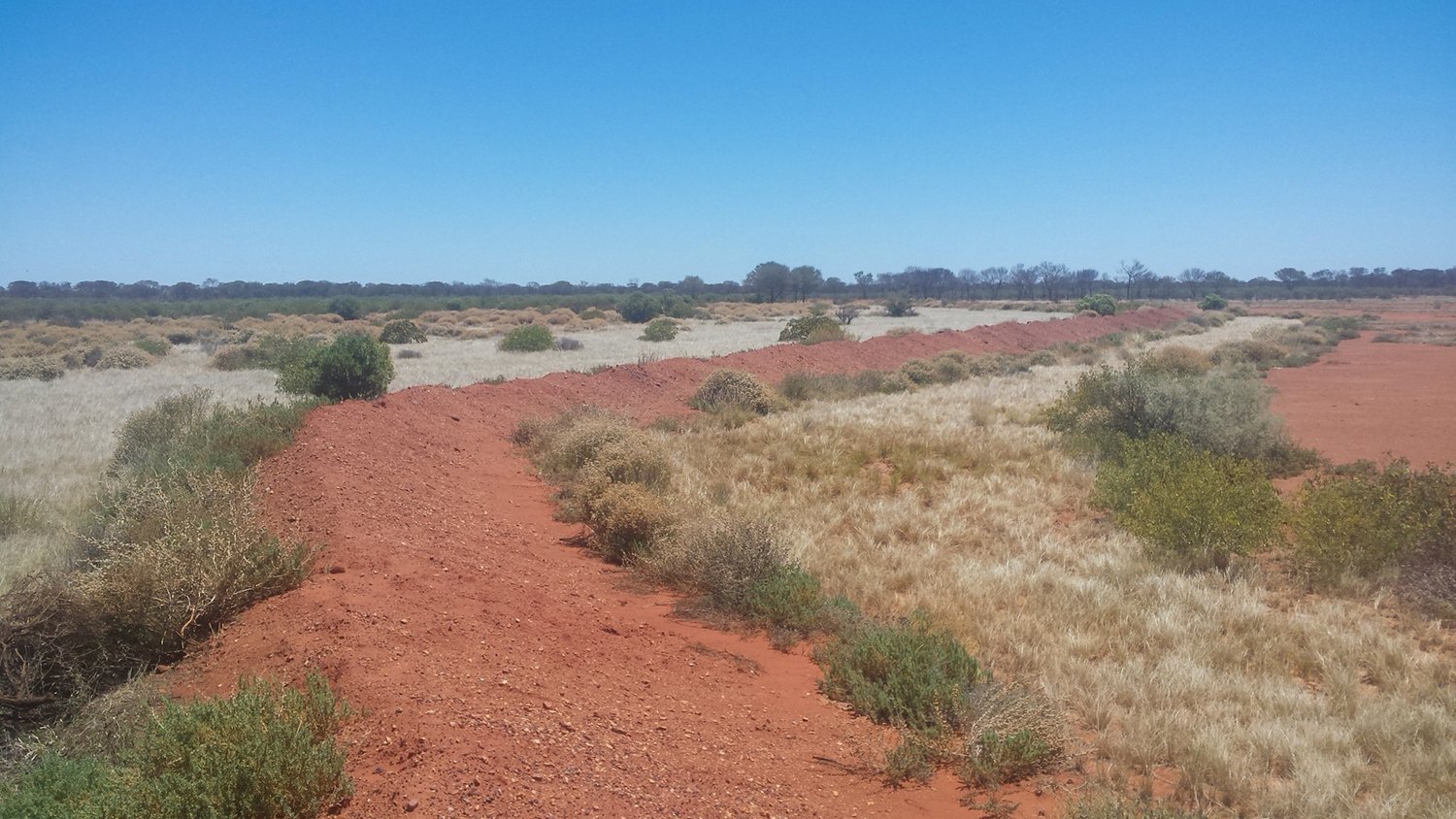
The project consists of scaling proven landscape rehydration and sustainable management practices to restore the landscape function across four central Australian rangeland catchments. These sites will be used to trial, demonstrate and widely communicate the benefits of landscape rehydration and sustainable management practices to pastoral land holders in the NT and WA.

The properties of Aileron, Ahakeye Aboriginal Land Trust and Narwietooma and Glen Helen Stations will be the focus of the Centralian project, where on-ground demonstrations will include a management package of catchment function analysis, landscape rehydration, grazing management and fire management. The details for each station demonstration will be developed by station managers with support from experts in these fields.   

Throughout the second half of 2022 and early 2023, Mulloon Consulting will plan, oversee, and independently certify landscape rehydration works on all four properties, with on-ground works conducted by the NWANT Innovation Hub with support from the stations.

The Charles Darwin University’s Research Institute for the Environment and Livelihoods will develop monitoring plans for all demonstration sites and will be supported by two PhD research projects.

An additional component of the Centralian project is a fifth property – Woodgreen Station – which is home to a series of old rehydration works that have been established for the past 50 years. The property, north-east of Aileron, will be the focus detailed analysis using on ground data plus historical satellite imagery to determine the outcomes and evaluate the effectiveness of rehydration works and controlled grazing.

It is expected that the Centralian project will be completed in time for the 2023 Aileron Field Day, where the on-ground demonstrations of landscape rehydration and regenerative agriculture will rehydrate approximately 8000 ha of Central Australia and allow for landscape rehydration models to be developed for broad adoption across the rangelands of the NT and WA, utilising the NWANT Innovation Hub and its network to connect with producers.

The Centralian project is funded by the Australian Government’s Future Drought Fund – Drought Resilient Soils and Landscapes Program through the Charles Darwin university.

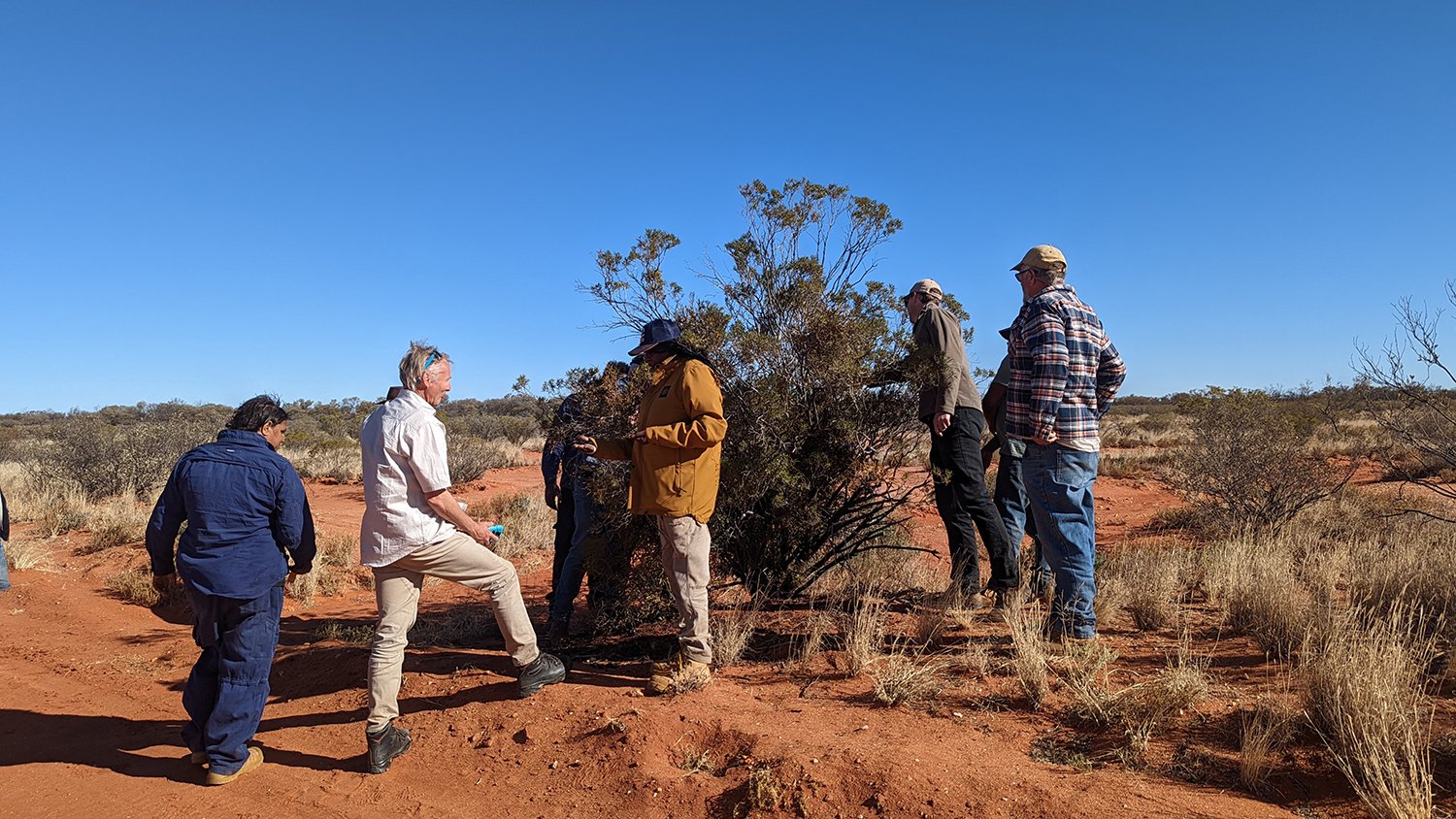
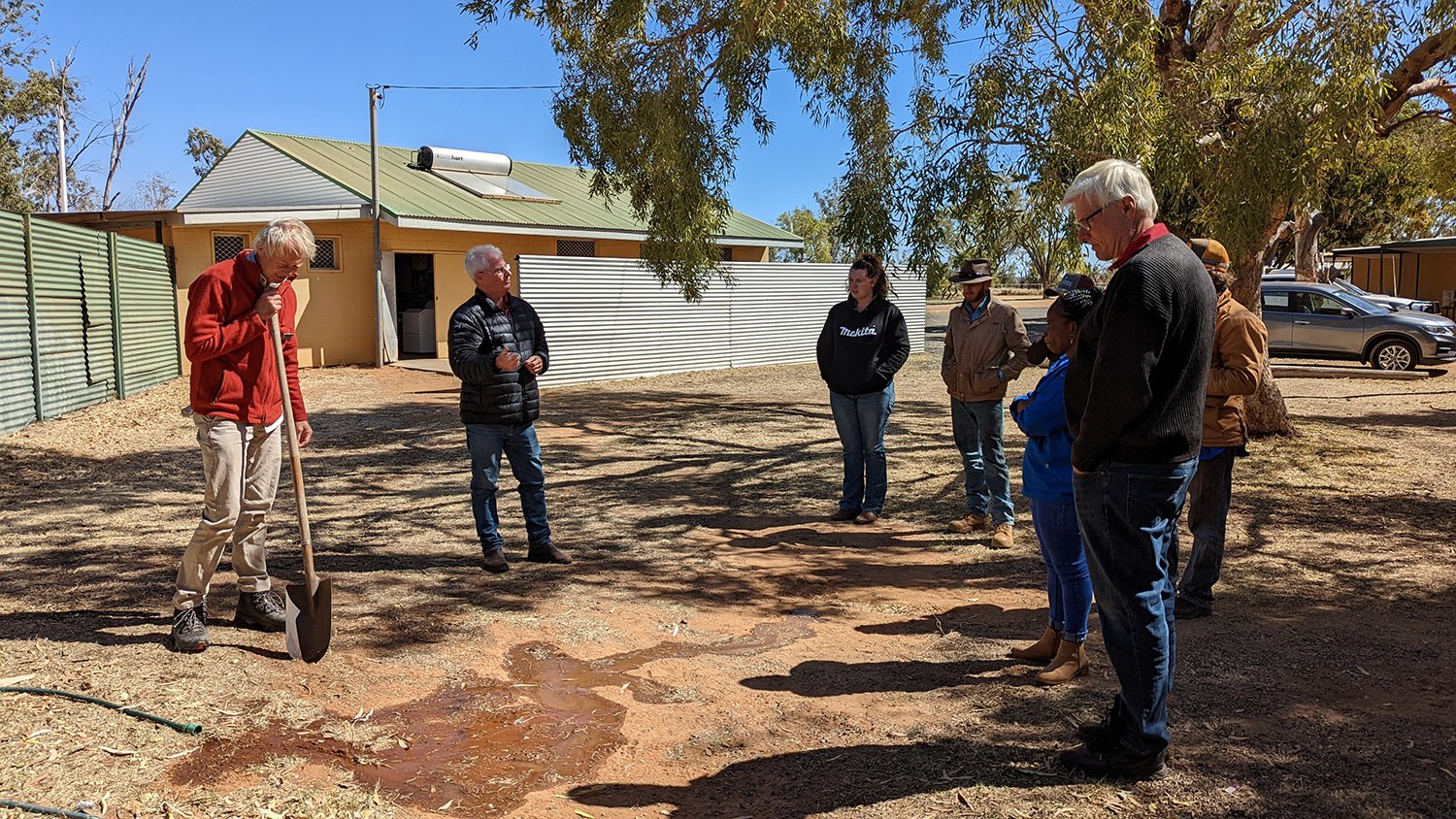
Landscape rehydration workshop with station managers at Tilmouth Well, NT.

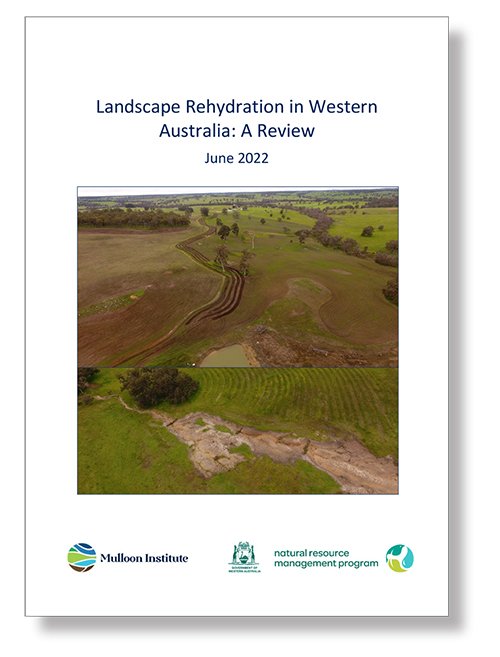
The Mulloon Institute has conducted a literature review on landscape rehydration as a part of our ‘WA Community Stewardship Grant: Landscape Rehydration Trial and Demonstration in the Wheatbelt of WA’.

The literature review has consolidated knowledge from a variety of research, resources and stakeholders to understand the impacts of landscape rehydration on stream and floodplain dynamics, mitigating existing land degradation, farm productivity and landholder profitability in Western Australia.

Available research and documented case studies showed that landscape rehydration works play an important role in stabilising erosion, reducing stream sediment pollution, increasing water and nutrient availability across the landscape, ameliorating waterlogging, and facilitating extensive native revegetation. There is no independent, quantitative evidence that landscape rehydration will alleviate dryland salinity by increasing freshwater recharge, however, emerging case studies in WA indicate that Landscape Rehydration works can drive a surge in native vegetation, which provides a beneficial role in mitigating dryland salinity.

Research also shows landscape rehydration works, complemented by managed grazing regimes, can substantially improve pastoral productivity.  While the positive profitability outcomes are not well documented, an opportunity exists for the economic viability of Landscape Rehydration to improve as available knowledge, resources and support services become available.

DOWNLOAD IT HERE:

‘Landscape Rehydration in Western Australia: A Review’

For more about the project, contact Lance Mudgway at lance@themullooninstitute.org or 0428 546 971.

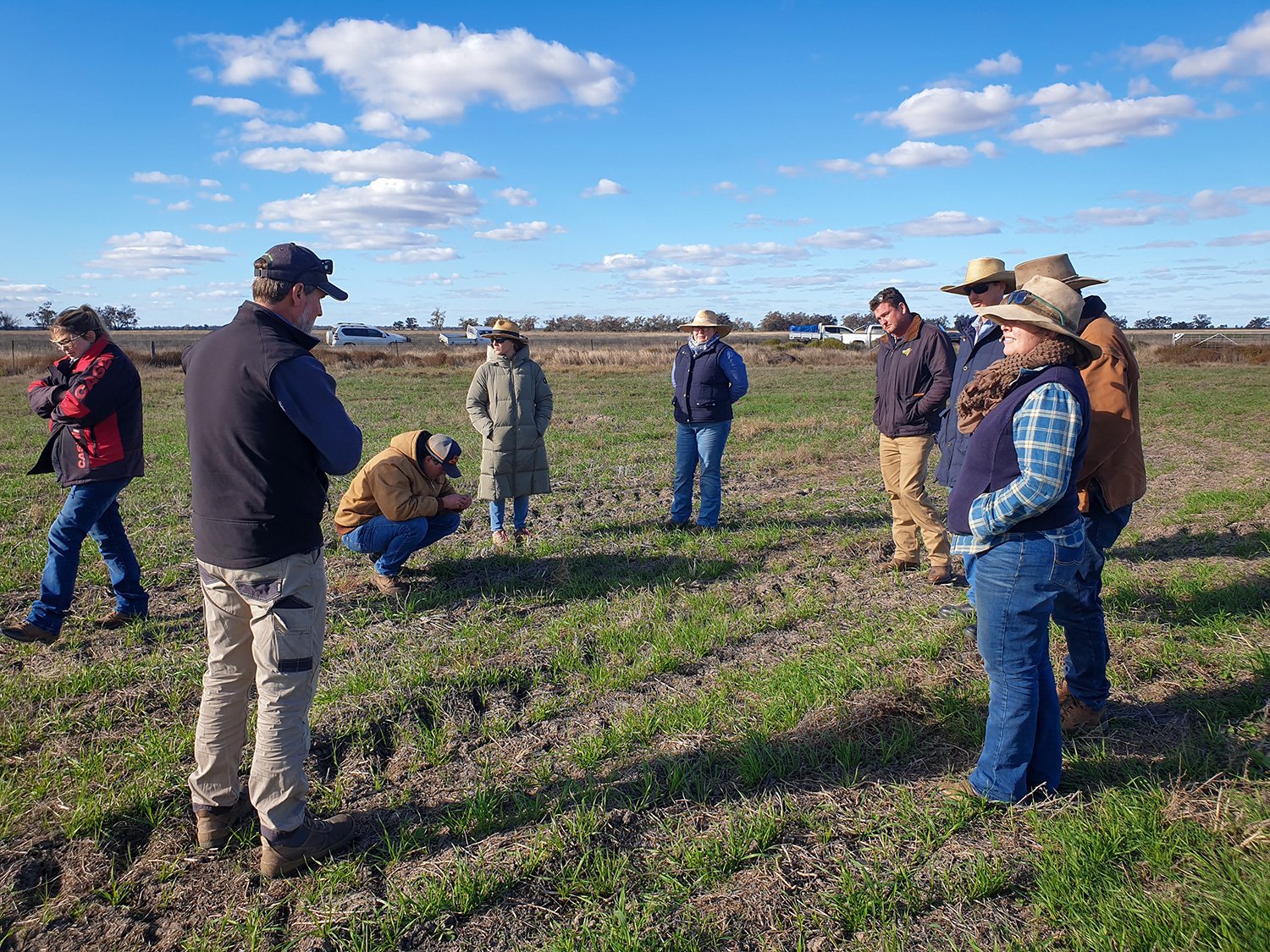
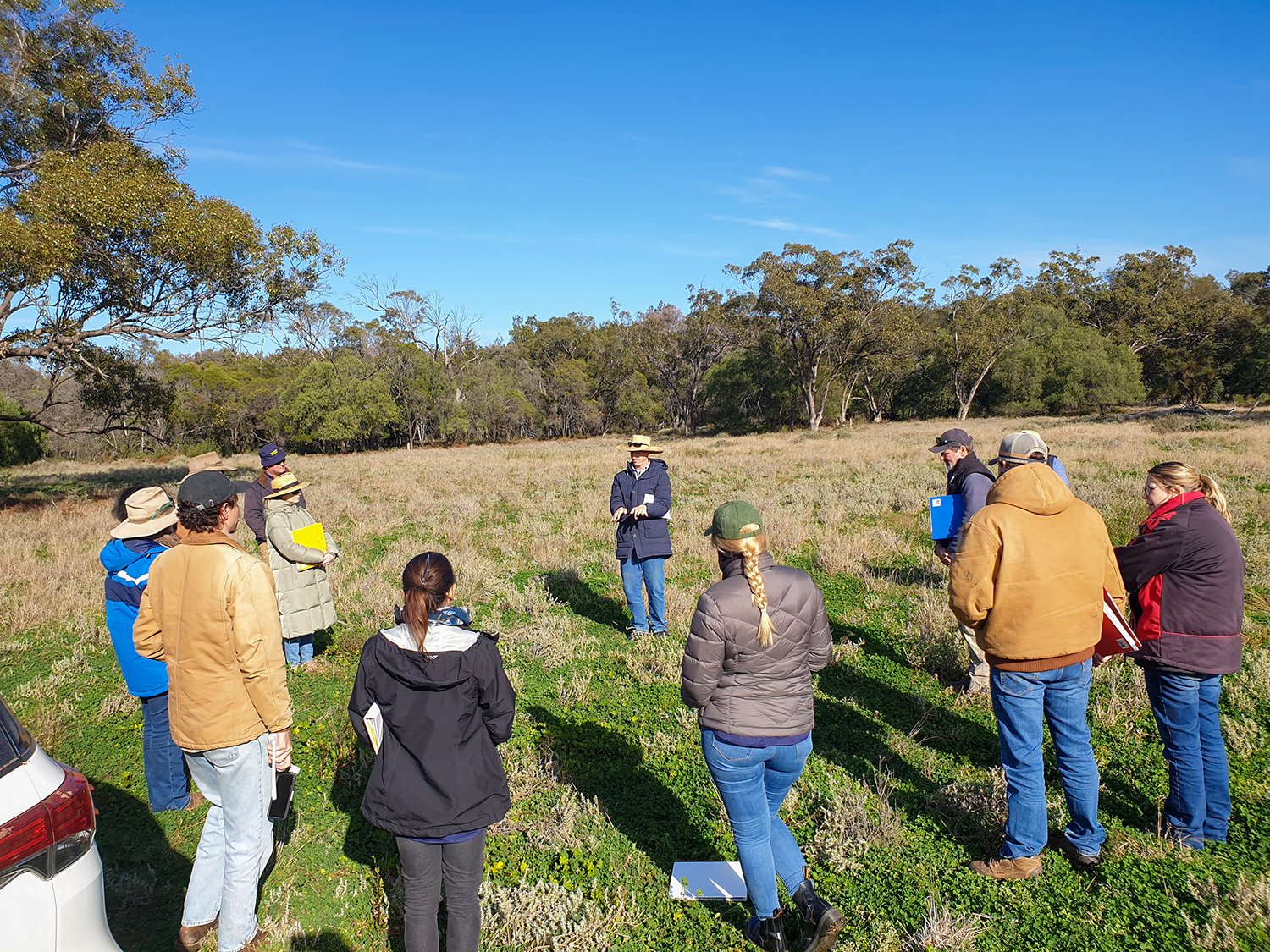
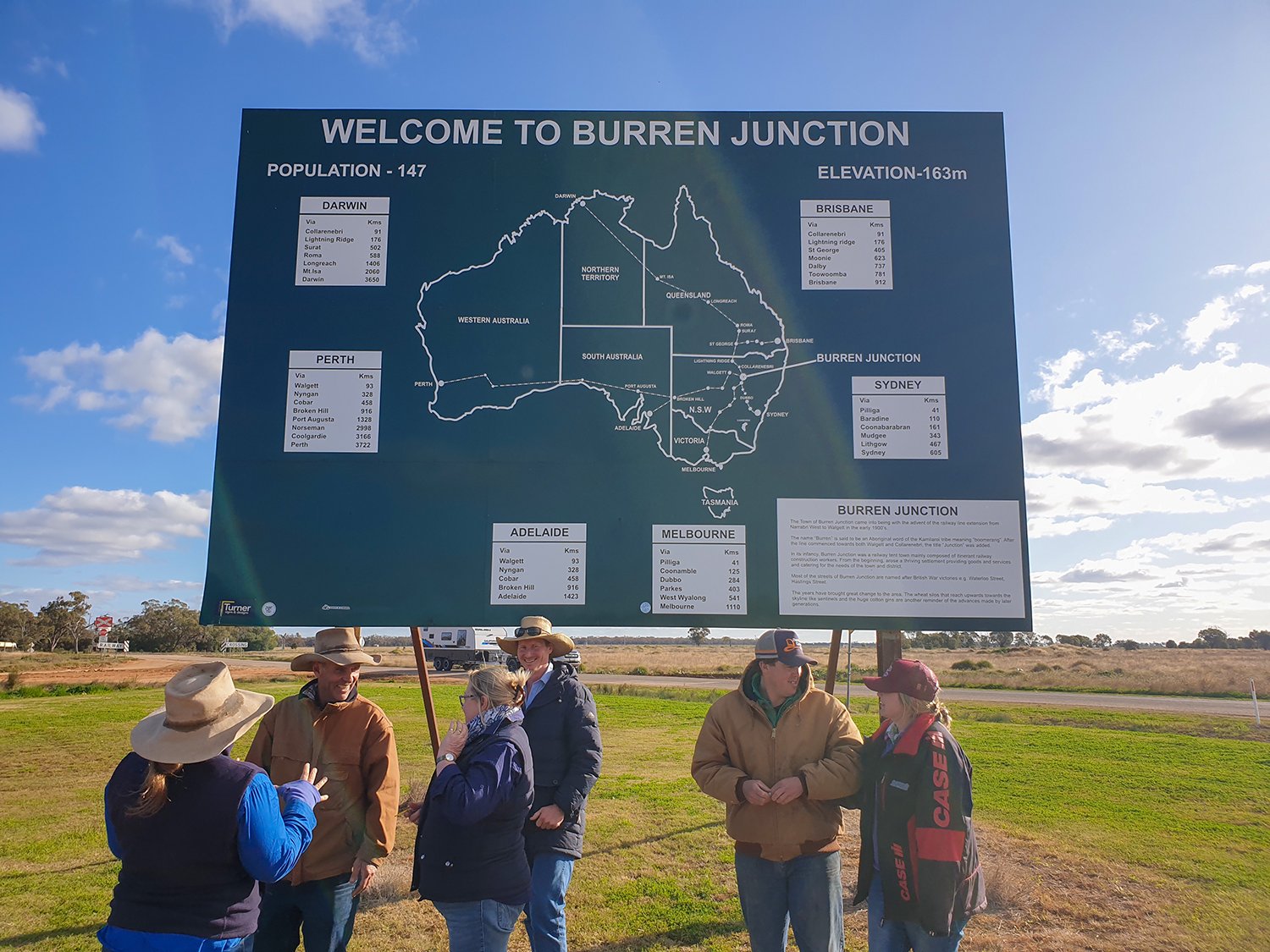
Literally immersed in all things water, thanks to the hot springs on Kamilaroi Country at Burren Junction, the Mulloon Institute’s Sam Skeat and Tony Wells delivered our Bootcamp – ‘Rehydrating Your Farm Landscape’ to landholders from a diversity of landscapes across the region.

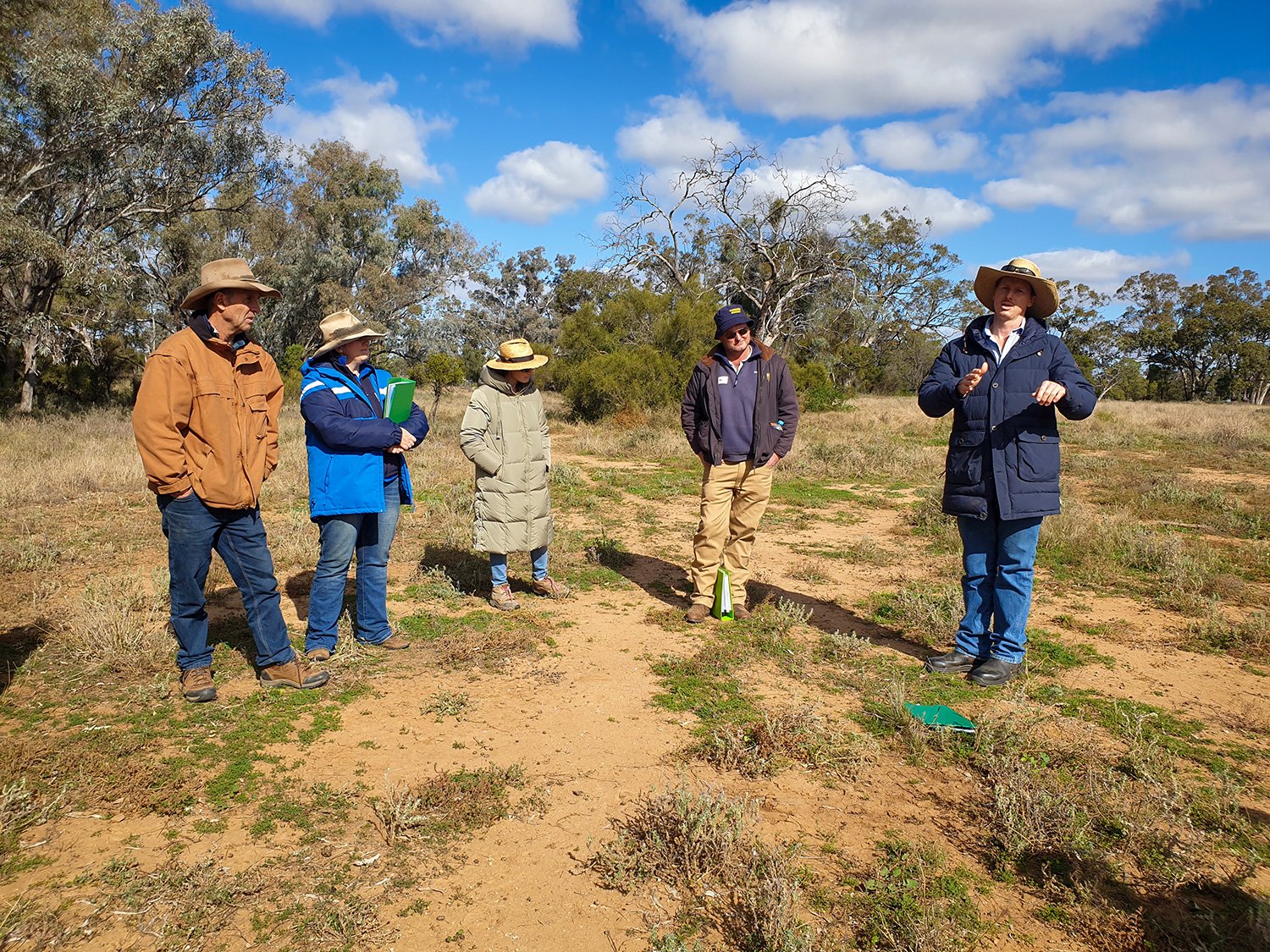
Croppers and graziers were introduced to principles and practices of landscape rehydration through interactive field activities. Geared towards growing their skills of observation with landscape patterns and processes that influence how water moves on their properties, they assessed the health of a site and explored a range of strategies and tactics that can be applied to restore function.

The connections forged between the participants over the weekend offers a great launchpad to building stronger more resilient communities.

This workshop was jointly funded through the Australian Government’s Future Drought Fund and Climate Friendly. 

Read more about the project here.

Mulloon Institute’s Landscape Rehydration Bootcamps have been developed with the support of the NSW Environment Trust.

Quotes from bootcamp participants:

“I gained a lot of insight into the landscape and water cycle health. This made a seemingly highly technical challenge was much more accessible and gave me confidence so that I could begin to make those sorts of assessments.”

“It’s given me the ability to really stop and look at a whole landscape, to identify where water flows are, to be able to identify erosion lines.”

“It has given me a lot more confidence knowledge, a lot more to consider, and lot of options and this to think about. I have learnt a lot of different terminology to be able to take part in discussion and understand the water cycle better.”

“Thank-you so much for an informative and interactive workshop with a great group of people.”

By Anne Coote – Climate Friendly’s Program Manager, Head of Agroecology

Background

Climate Friendly are a leading Australian carbon farming service provider with extensive experience in supporting landholders to develop a carbon farming project on their land. The carbon farming projects are designed to generate Australian Carbon Credit Units (ACCUs) by implementing a management change that supports carbon cycling and sequestration in soil and vegetation. The projects are conducted in accordance with the Federal Government’s carbon farming framework, which includes running the project in accordance with a specific Method or set of guidelines to ensure integrity and compliance with the Government legislation.

In addition to generating ACCUs, Climate Friendly’s landholder partners can also increase their productivity and profit by focusing on soil health and improving vegetation. Having a carbon farming project can also help farmers better manage risks like drought.

Project

Climate Friendly have established a project under the Future Drought Fund Natural Resource Management Drought Resilience Program, to increase understanding of how carbon farming activities can affect drought resilience. The aim of the project is to test how carbon farming activities can build drought resilience, and whether carbon farmers can receive an ACCU (Australian Carbon Credit Unit) premium that recognises the enhanced drought resilience of their farm business.

The project consists of three components:

  1. National survey

  2. Testing of carbon farming for drought resilience activities through landholder participation in on farm activities

  3. Development of a drought resilience ‘standard’.

The project concludes in December 2022.

Landholder participation

Landholder participation for this project is focused within the North-West Local Lands Services region of NSW. Through an EOI process, five geographically spread mixed farming landholders were selected to participate to increase their knowledge, skills, and capacity to build drought resilience into their farming businesses. 

As landscape rehydration is fundamental to drought resilience, Climate Friendly partnered with Mulloon Consulting to support the landholders on ground activity to present and conduct farm assessments, developing a report which generates a conceptual ‘whole of farm‘ landscape rehydration design for implementation, as necessary.

Bootcamp

This was rolled out with the landholders attending a two-day ‘bootcamp’ at Burren Junction in July 2022. The Landscape Rehydration & Carbon Farming Bootcamp was a practical hands-on experience to assess aspects of landscapes which are barriers for water infiltration, soil health and overall management for carbon cycling. By understanding how to collect and retain water in their landscape, participants gained knowledge on how to build greater drought resilience into their management practices and business operations, whilst implementing a carbon farming activity at the same time.

Preliminary results to date indicate that all landholders in the project have varying degrees of landscape rehabilitation which could be implemented in a cost-effective way, to effectively influence water infiltration, the soil carbon cycle, productivity, profit, and the ability to participate in a carbon project. The type of rehabilitation recommended is dependent on the terrain and slope with all landscapes showing the signs of historic events of drought, bare soils, and management practices. The ability of landholders to implement adaptive use of livestock is proving to be a critical aspect of plan and vegetation recruitment, with both cattle and sheep playing a pivotal role in this process.

The good news is that changes in mindset, management practices and monitoring can go a long way to rehabilitating and rehydrating any landscape.

Activities

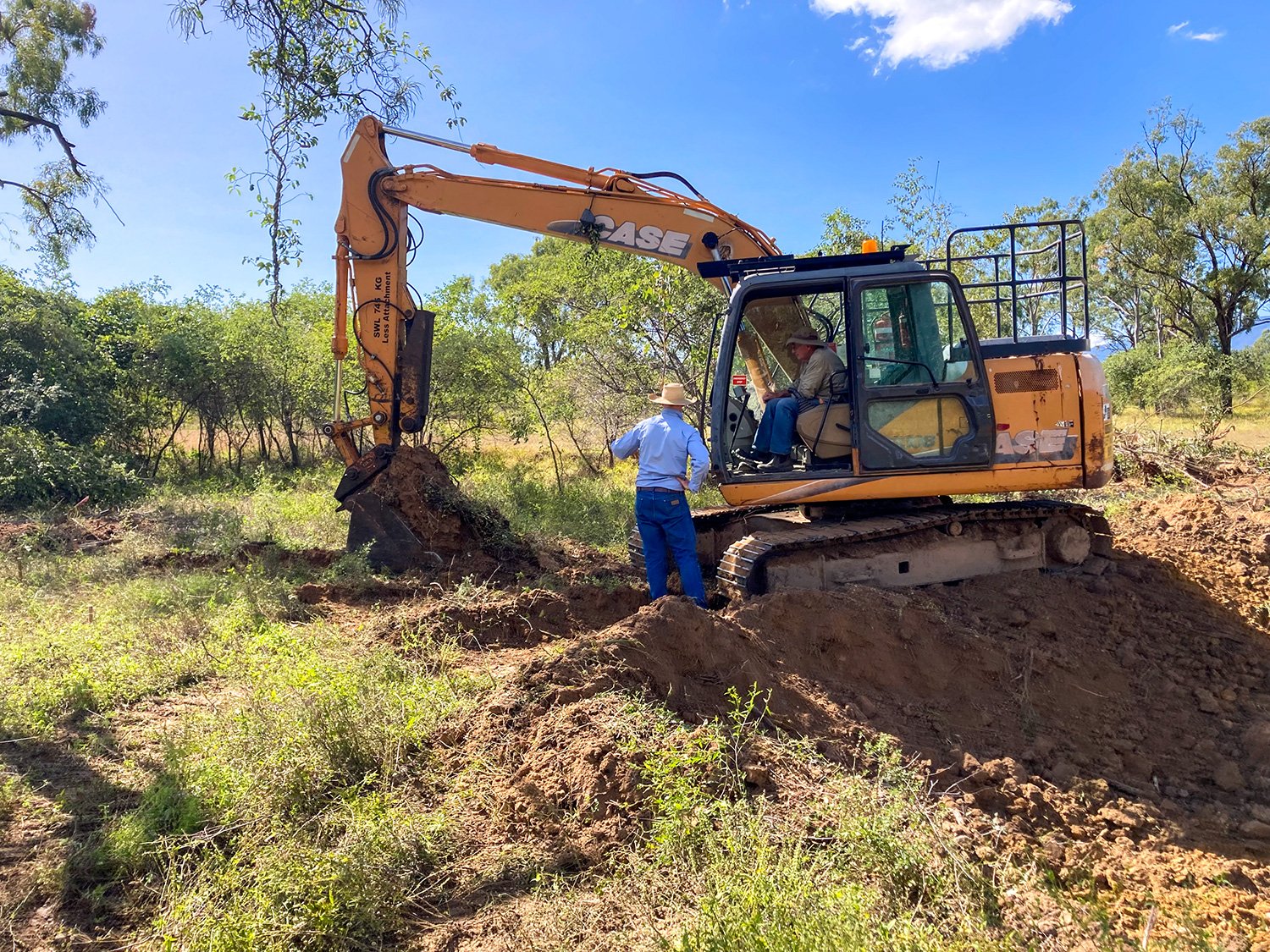
Climate Friendly’s working partnership with Mulloon Consulting has proved to be greatly beneficial to combine various skills to support the outcomes of this project. The landholders are currently working on their specific activities designed to demonstrate types of carbon farming activities that can be implemented to enhance future drought resilience. Examples of the activities include erosion works to repair and recommence the process of water retention, improving plant responses and diversity by adaptive managed grazing of livestock, pasture renovation, water budgets, improved use of technology, implementation of technology to forward plan for feed gaps and extended drier periods; and establishment of cover crops.

Case studies

Case studies are being developed for each landholder to show the diversity, but also the similarities which exist in all farming operations. The case studies will also show that by increasing knowledge, skills and confidence, simple changes that drive water infiltration and carbon cycling can make a substantial difference to building drought resilience for the future.

TMI’s Sam Skeat explaining how to build a gully plug.

The team in Townsville, QLD have just completed a workshop series on Stone Hut, a participating property in the Lansdown Catchment Rehydration Initiative. Sam Skeat and Joe Skuse have been working with landholder Troy Green to develop a landscape rehydration plan. Troy was generous to host both workshops on his property.

The first workshop was an ‘Introduction to Landscape Rehydration’ and focused on the core concepts of reading the landscape and working with natural features to achieve rehydration.

The second workshop was a ‘Technical Rehydration Field Day’ that ran participants through the finer details of regulations, design and construction of Landscape Rehydration measures. Participants received a run down on how to build contours, gully plugs and leaky weirs.

TMI’s Sam Seat and landholder Ty Green building a gully plug.

An exciting part of the series was that the first workshop took place before construction had started, while the second workshop returned to the same site once the works had been completed. This gave participants a unique ‘before and after’ snapshot of what can be achieved in a short amount of time. Everyone was keen to come back and see how the site had progressed following the wet season.

A special thanks goes out to Ty and Troy Green for hosting both events on their property.

These workshops was supported by NQ Dry Tropics and the Mulloon Institute, through funding from the Australian Government’s Future Drought Fund.

TMI’s Peter Hazell and Hereford cattle breeder Derek Larson on the paddock walk.

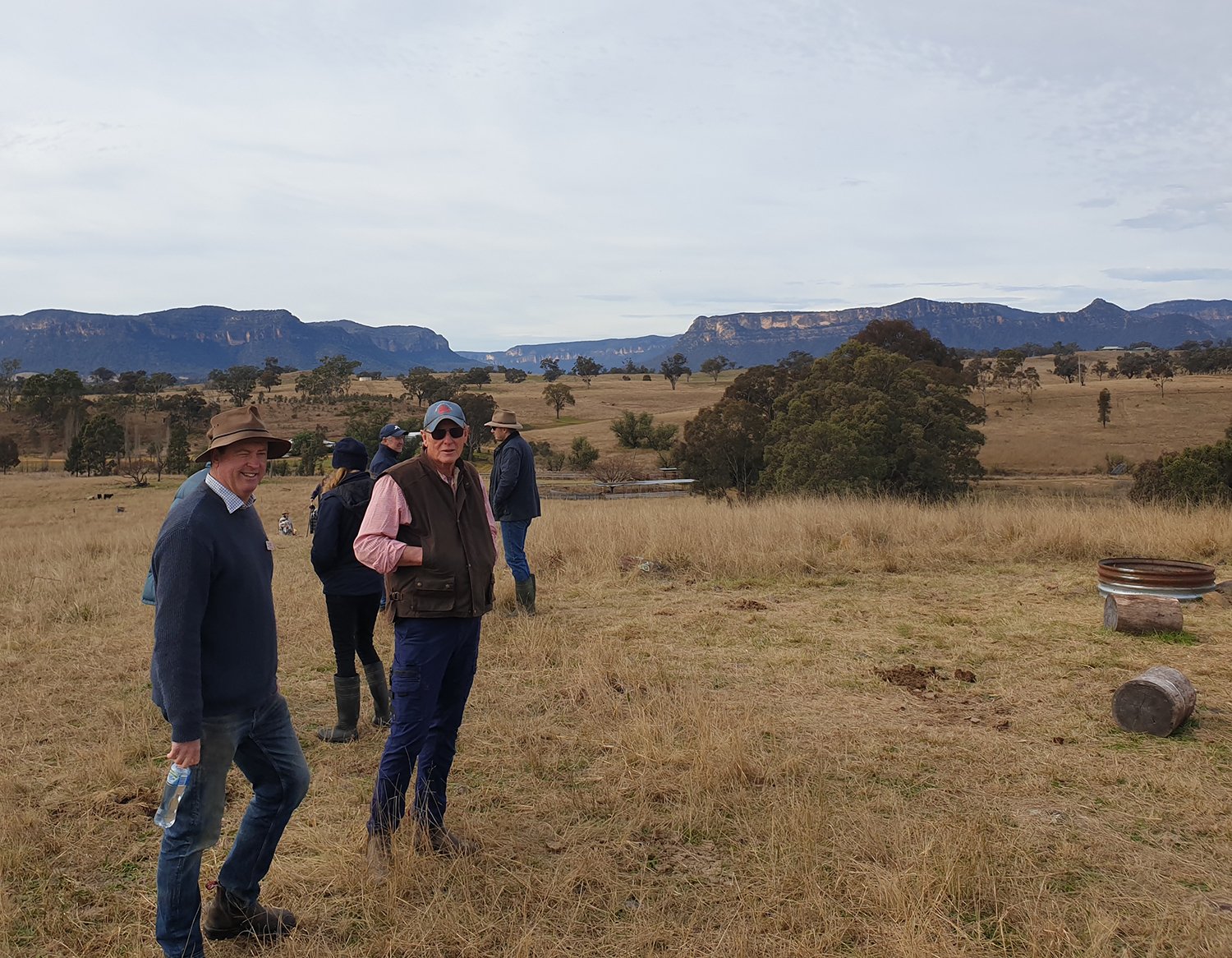
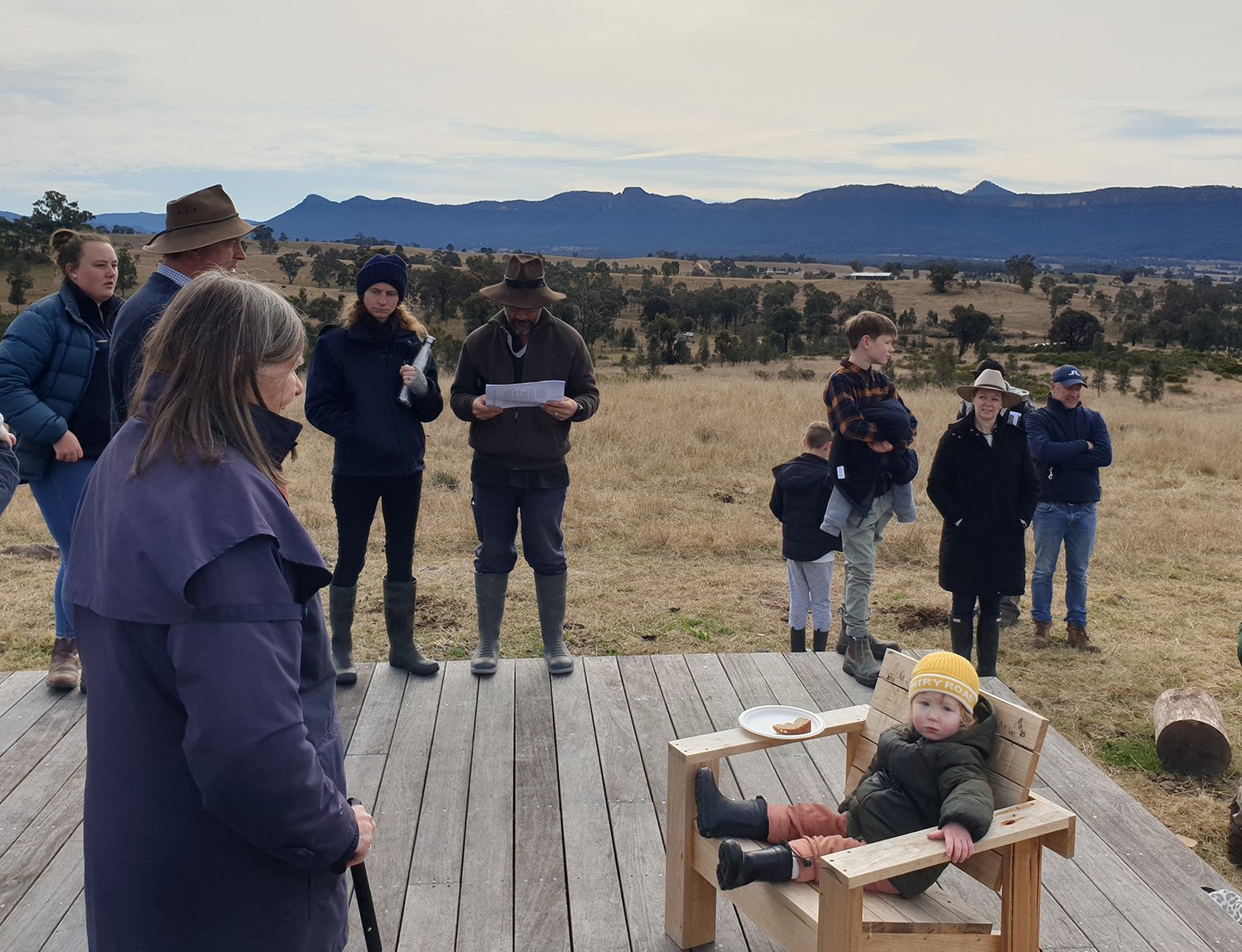
As the sun shone above the cliffs of the dramatic Capertee Valley, NSW in mid-July, the kettle boiled at ‘Warramba’ to welcome neighbours on Emu Swamp Creek. Principal Landscape Planner Peter Hazell was on deck to support the first landholder meeting for what is hoped to become the Emu Swamp Rehydration Initiative. Landscape Planners Paris Capell and Tony Wells were also in attendance.

Reading the Capertee Valley Landscape on Warramba Hill.

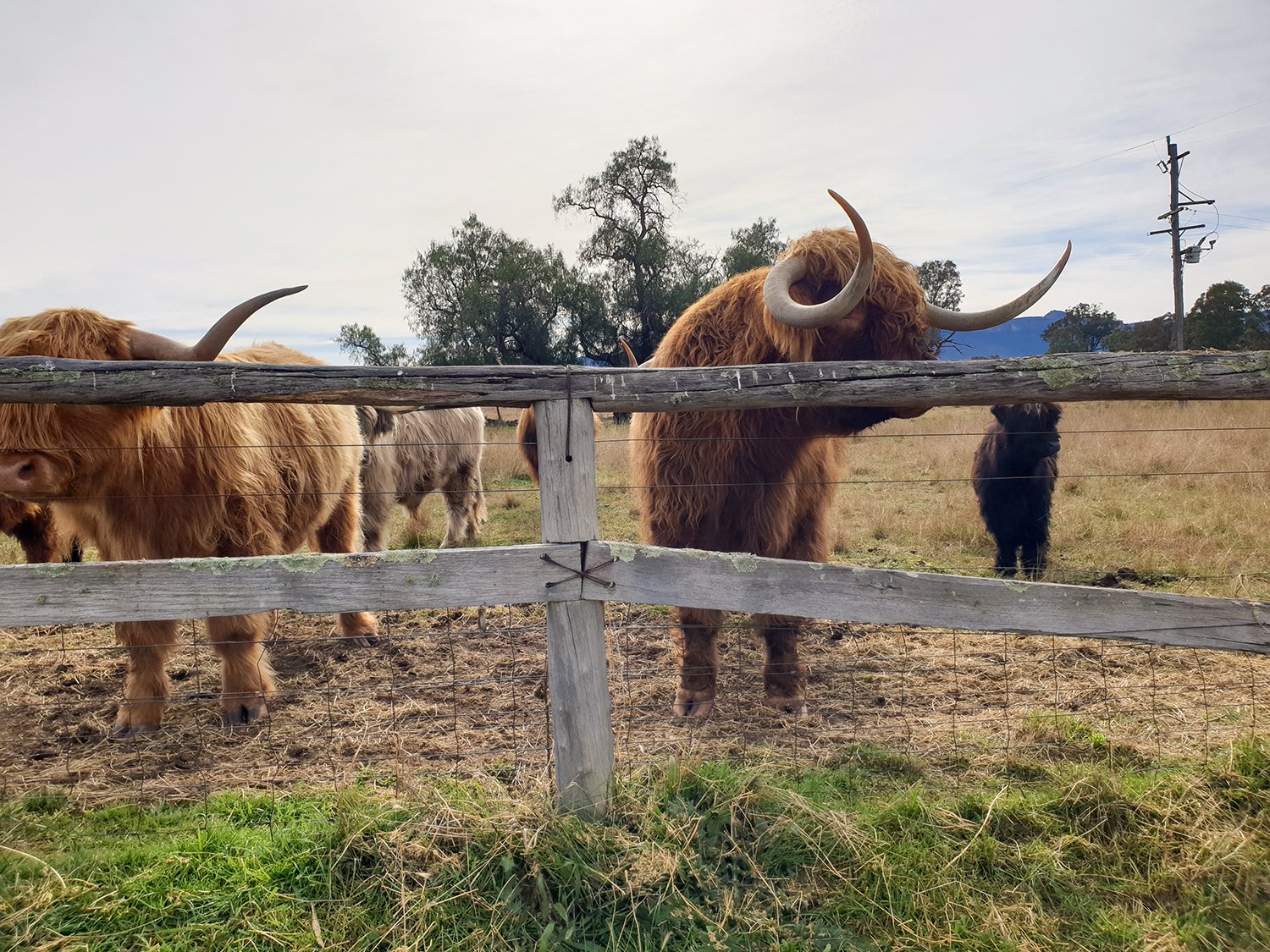
The day started at the historic sandstone Warramba homestead where the background of landscape rehydration was discussed. The group then moved up the hill to read the landscape, wandering past some friendly highland cows managed by owners Neil and Edwina. From the vantage point of the hill you could fully take in the breathtaking Capertee Valley and appreciate how Emu Swamp Creek moves through the valley.

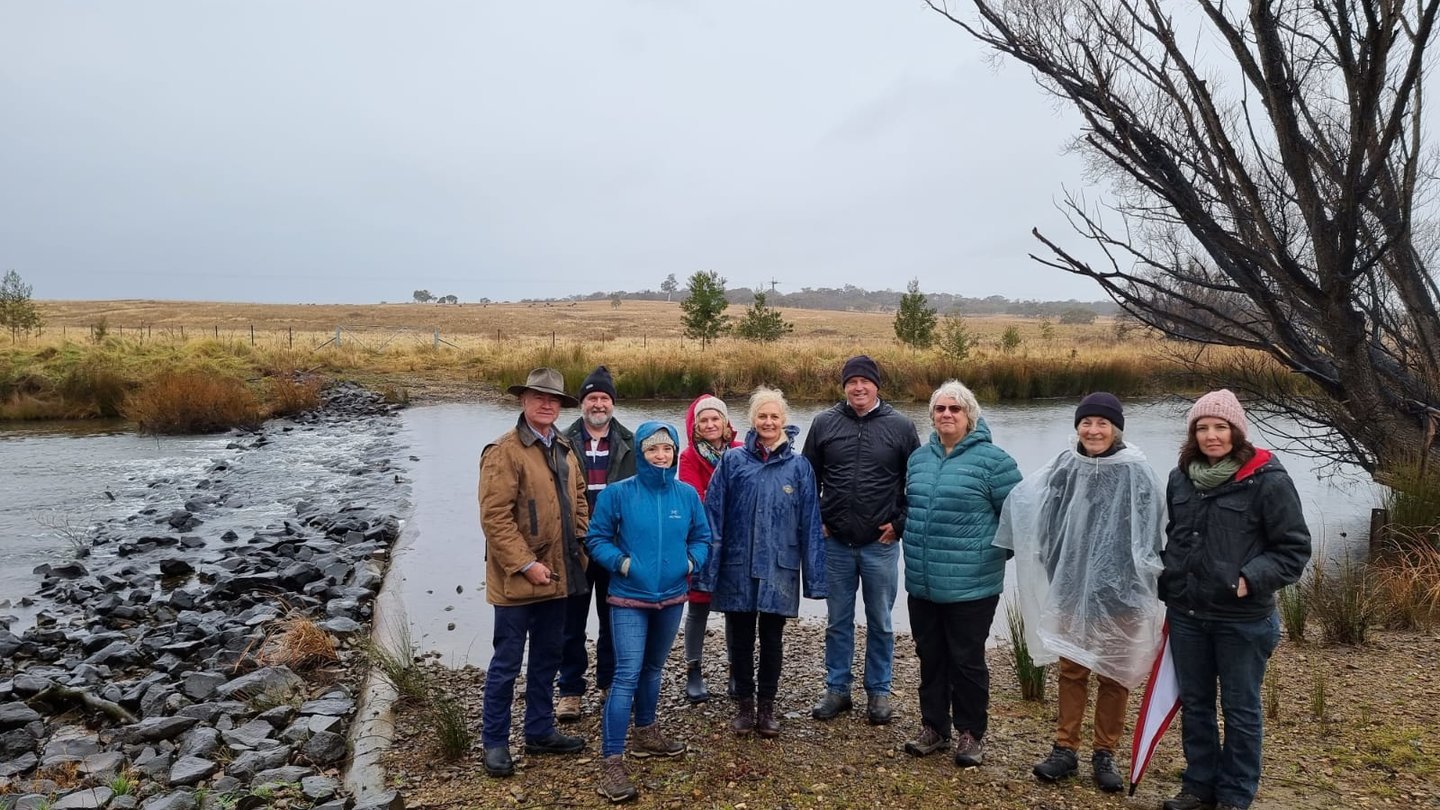
As the sun rose, we meandered down the creek to see how it was functioning. Pin weirs installed by Neil and Edwina in 2019 had fared well against flooding and have begun to build the creek up again. There were also some great Landcare plantings further down on a neighbour’s property, which had grown significantly since their planting in 2012.

Highland Cattle at Warramba.

We thank Neil and Edwina for their wonderful hospitality, it was very special to return after a trip in 2019.

The next step for Emu Swamp creek is developing a scoping report on the biophysical and socio-economic background of the catchment.

Emu Swamp Creek is a case study in our Landscape Rehydration Capacity Building Curriculum Project, which is funded by the NSW Government Environmental Trust.

National Landcare Network staff and directors felt the warm hospitality of partners the Mulloon Institute on a cold winter day visiting the Mulloon Rehydration Initiative, which has been designed as a model to be scaled up and rolled out across the country. The Landcare movement are excited to partner with this vision!

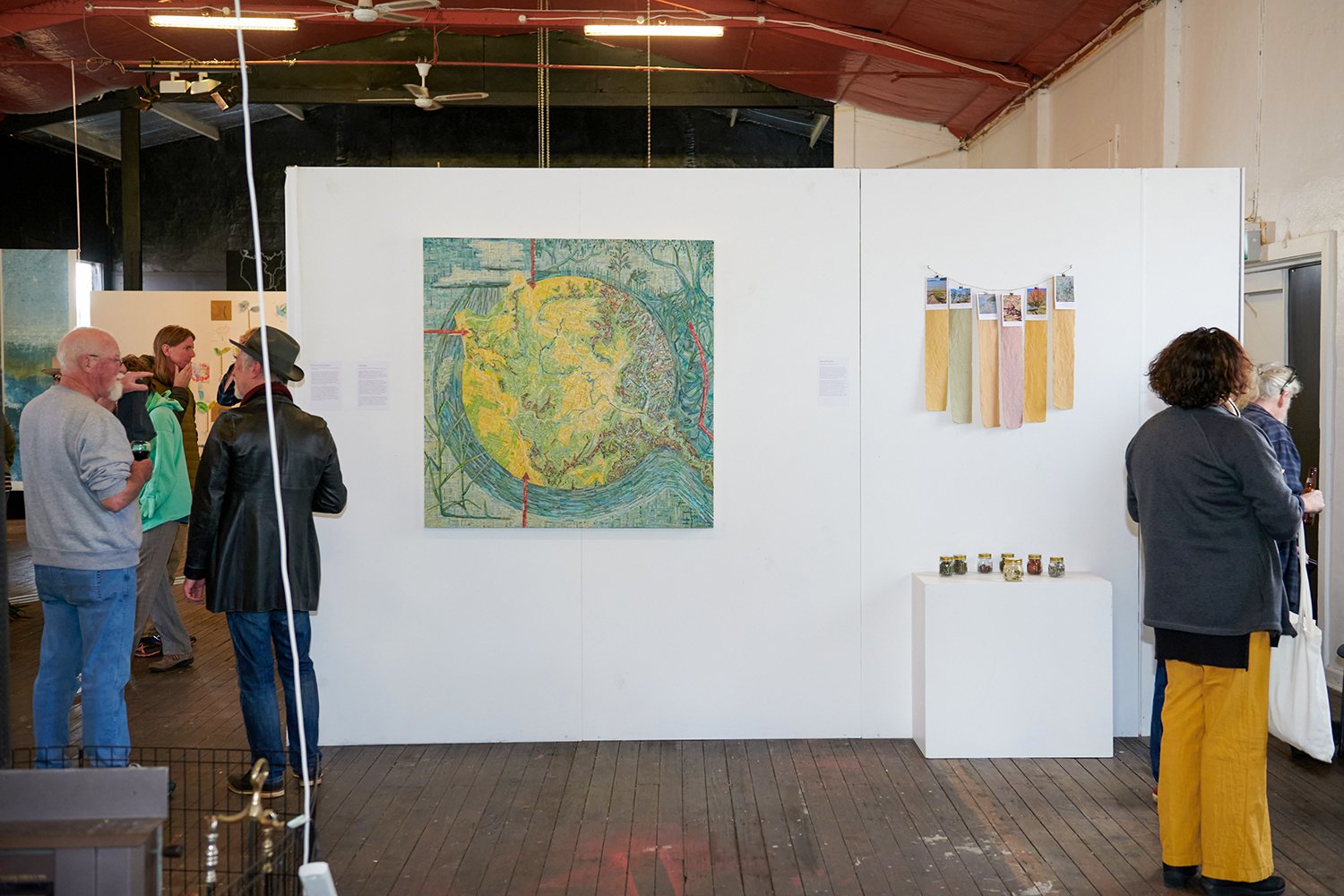
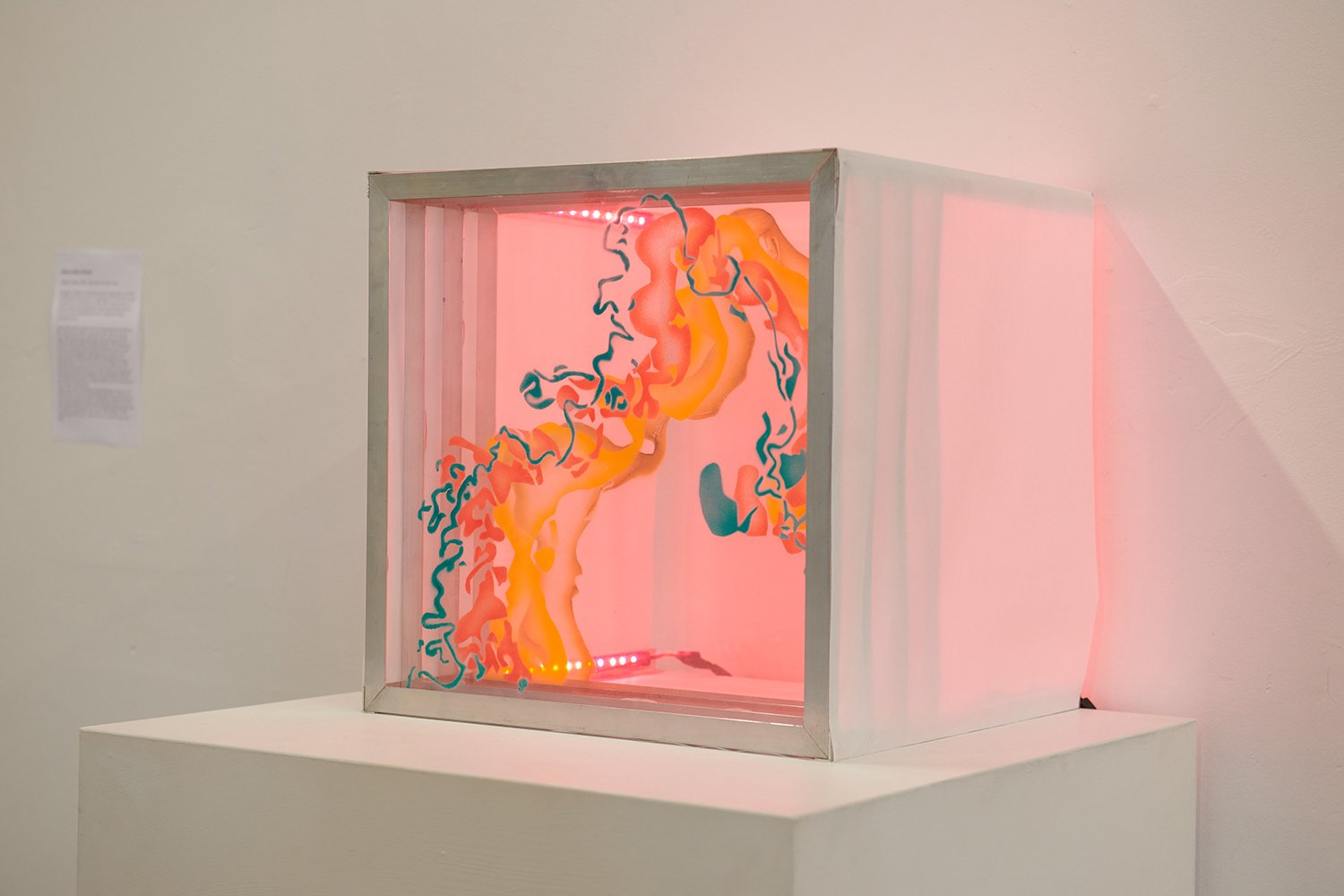
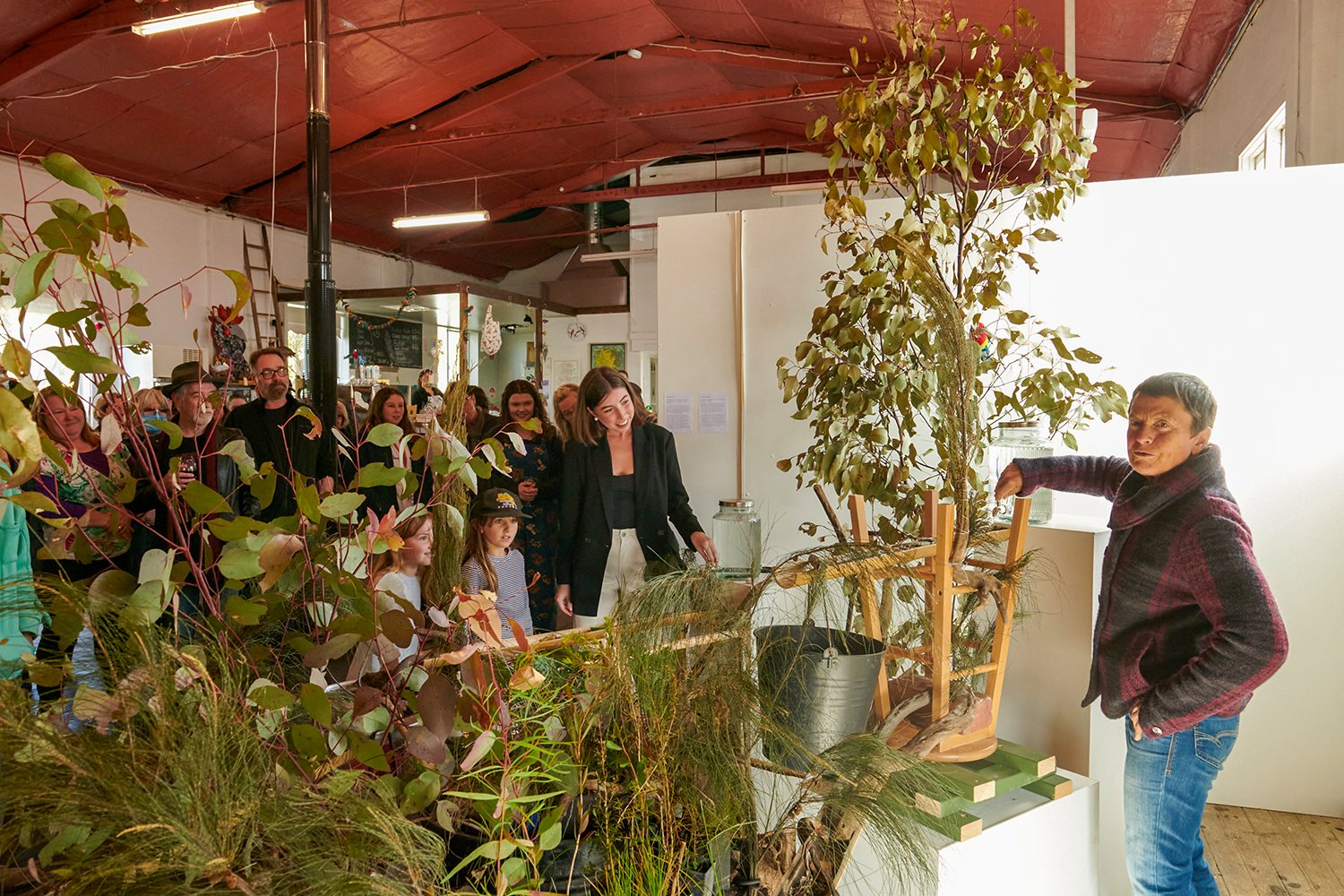
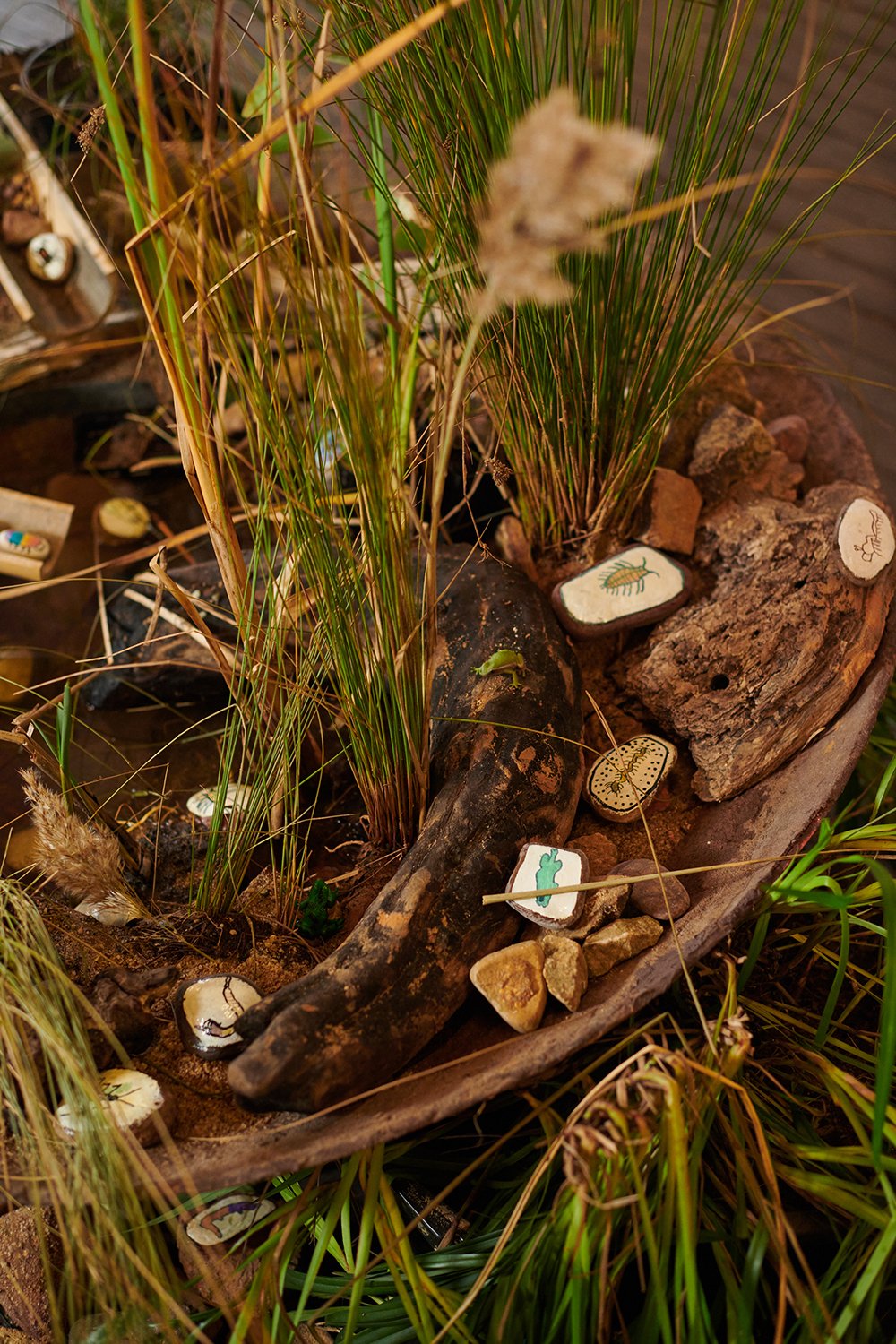
The Waterland exhibition is up and it’s beautiful!

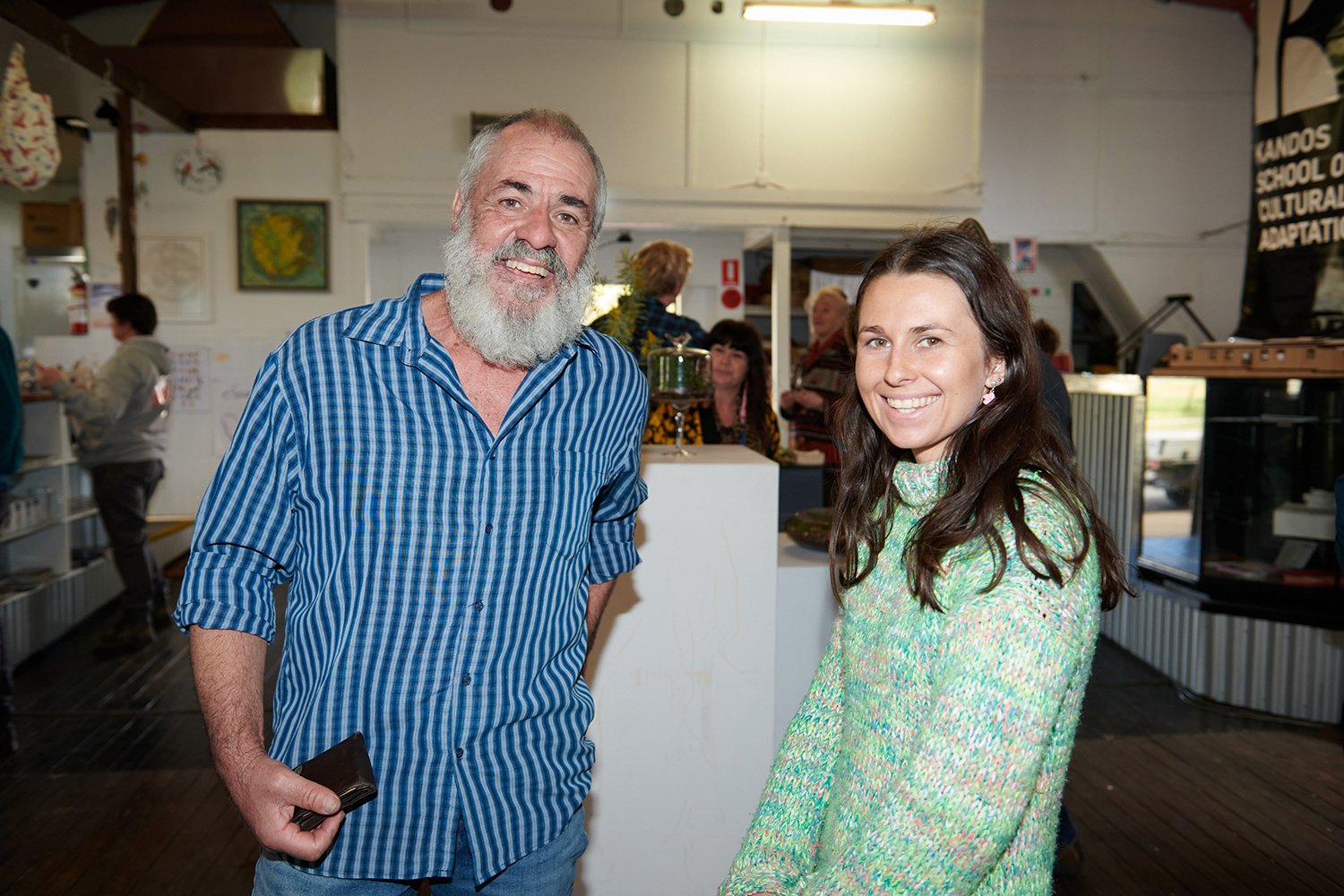
Curators Laura Fisher (TMI), Kim Williams and Vashti Pearce were joined by many of the artists, collaborators, local community and friends from afar during the opening event at Wayout Artspace in Kandos.

This was a new kind of project for the Mulloon Institute, working with artist collective Kandos School of Cultural Adaptation (KSCA) and supporting student artists, designers and school groups to engage with scientific concepts around waterway formation, landscape rehydration, riparian ecology and the water cycle.

Along the way members of Capertee Valley Landcare and Watershed Landcare collaborated on installations and workshops. We’re very proud of what all the artists contributed, and that the whole of Kandos Public School, 130 students, participated in the exhibition during the final week in the gallery space!

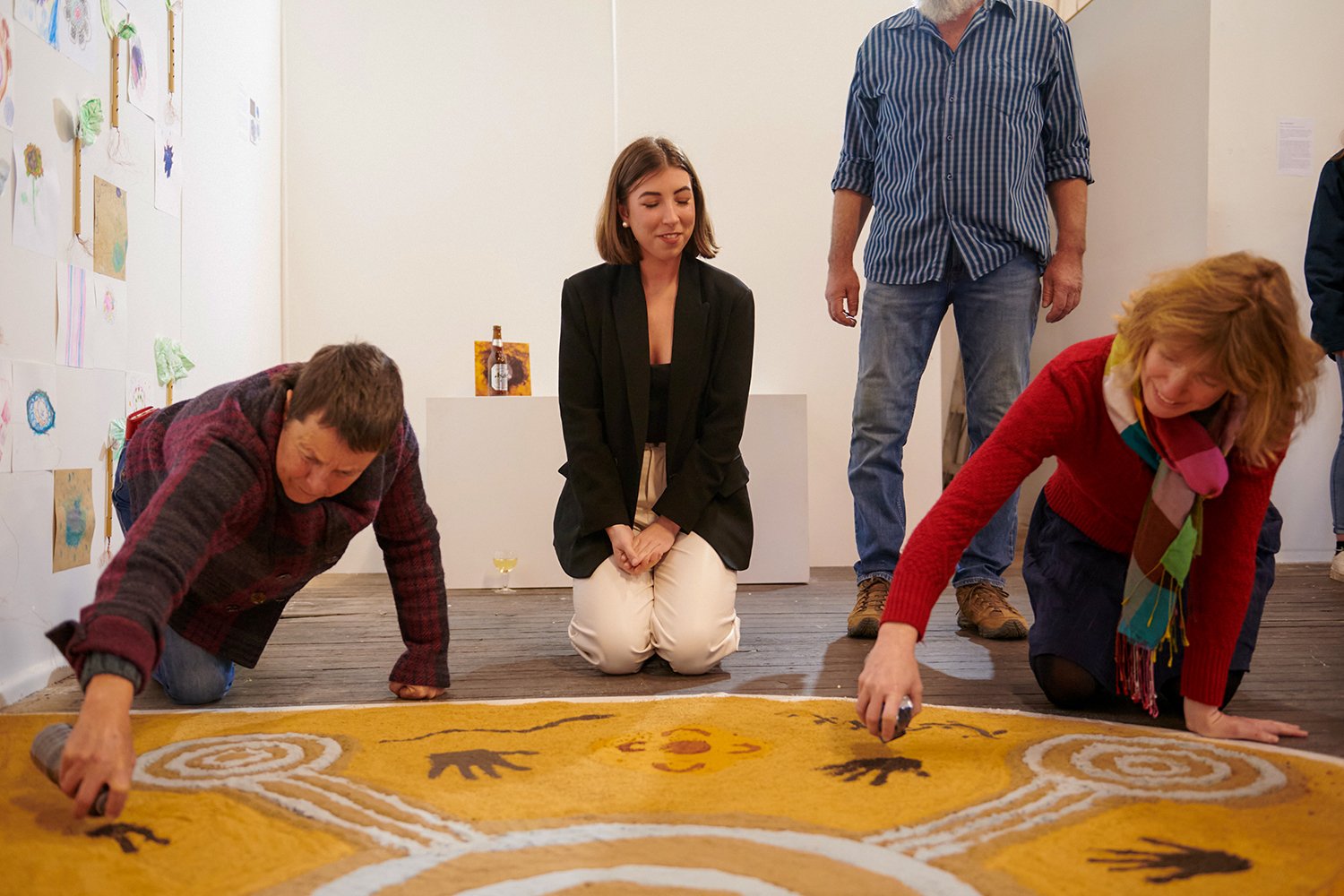
At the opening event, local Wiradjuri custodians Emma Syme and Peter Swain completed a fabulous sand painting ‘Bilagalang Murraway (River’s path). The work honoured the interconnection between waterways and all forms of life, and the fact that Dabee Wiradjuri Lands straddle multiple river systems and catchments.

Waterland continues until 4 September 2022, with gallery opening hours being Thursday to Sunday, 10am to 3pm. Make sure to pop in if you’re in the Central West!

Thank-you to Gus Armstrong for the wonderful photo documentation of Waterland!