Carolyn Hall reflects on a transformative quarter and calls for action as we approach EOFY.

Dear Valued Members and Friends,

Mulloon Institute is in the best shape it has ever been. I believe our Founders and our late Chairman would be especially proud of our recent efforts to align ourselves behind a unanimously supported strategic plan, and now to win the grant funding and partnership funds to deliver that strategic plan. At this stage of the Institute’s evolution, and in a climate where philanthropy in Australia remains modest due to global challenges, this $16 million in forward funding ensures we can continue our work while our for-purpose businesses grow.

I want to confirm that our successful grant applications have been carefully targeted to align with our strategic objectives and the outcomes outlined in our strategic plan. It’s important to note that grants are competitive, independently assessed, and awarded based on clear, rigorous criteria. They are thoroughly quality-tested and governed by strict budget and implementation requirements. By contrast, philanthropy – while also valuable and often just as competitive – is less predictable, often influenced by the preferences of individual donors or charities. That said, we’ve secured nearly $300,000 in philanthropic funding this year

Grants may seem mysterious, but they are hard-won and require significant effort. Mulloon Institute is held to a high level of scrutiny in how public funds are spent, ensuring accountability and transparency. In Australia, grants are a way for policy to come alive so when we think of efforts by the Australian Government to meet the challenges of drought and climate change and soil health, policies like the National Soil Strategy are key. How does government turn policy into on-ground action? Via the National Soil Action Plan, associated research and development, and education and capacity building delivered by collaboration and via government funding and support from the Natural Heritage Trust and Future Drought Fund.

Mulloon Institute enjoys strong recognition from the Australian Government for its technical expertise in designing and delivering natural infrastructure and nature-based solutions for landscape rehydration, our ability to think and act at scale, our exceptionally strong education and capacity building programs, and our collaboration.

We acknowledge we certainly still have challenges and a key one of those is continuing to implement regenerative practices on the Home Farm and Duralla. Increased financial success of the expanded egg enterprise – a key element of Tony and Toni Coote’s vision to fund the Institute – can now support this important next stage. We are going through a farm planning process with Mulloon Creek Natural Farms and the Mulloon teams in August – we are all excited about this process! Resourcing and reinvesting in our farms and bringing additional human resources in regenerative agriculture to support are key priorities for us.

Our Shared Vision in Action

Mulloon Institute’s path forward has always been guided by our Strategic Plan – documents created through thoughtful collaboration with staff, members, and our board. These plans aren’t just paperwork; they’re our compass, providing clear direction for our team’s efforts and ensuring we stay true to our collective vision.

It’s important to note that every Strategic Plan, including our current 2025-2028 roadmap, has received unanimous board endorsement – including from our Chair. For details, please reference the Executive Summary provided at our 26 March AGM.

Delivering Exceptional Results

As CEO, I’ve pursued funding opportunities that directly support our strategic objectives. I’m proud to share that we’ve secured approximately $16 million in grants and sponsorships during a challenging period for Australian philanthropy. This significant achievement has enabled the Institute to:

Mulloon Institute has earned its reputation through consistent delivery of measurable results that tangibly benefit Australian farmers while advancing environmental and social outcomes. Our growing international recognition reflects the quality of our work and has built confidence among major funders including the Australian Government and The Ian Potter Foundation, who continue to entrust us with resources for landscape rehydration initiatives.
Mulloon Consulting has also been building a strong pipeline of forward works with various clients including corporates.

Mulloon Creek Natural Farms has turned a corner after the flood event on Boxing Day 2023 and is producing good profits every single month. This cashflow has enabled us to steadily scale up our regenerative farming activities. We are also in negotiation with the Biodiversity Conservation Trust to progress an agreement that would see significant annual funding for the Home Farm in perpetuity to contribute to conservation outcomes.

I remain committed to transparency and our shared mission. I welcome the opportunity to discuss our progress.

Thank you all for your ongoing support of Mulloon Institute. Please remember us when you are considering your end of financial year giving.

Best Wishes,
Carolyn Hall
CEO, Managing Director


Donations Welcome

At this critical juncture, I encourage you all to consider a donation to Mulloon Institute to help us continue this important work which began under the guidance of our Founders, Tony and Toni Coote.


DONATE NOW!

The autumn colours are starting to finish up and there have been a few frosty starts in the Mulloon Creek catchment lately!

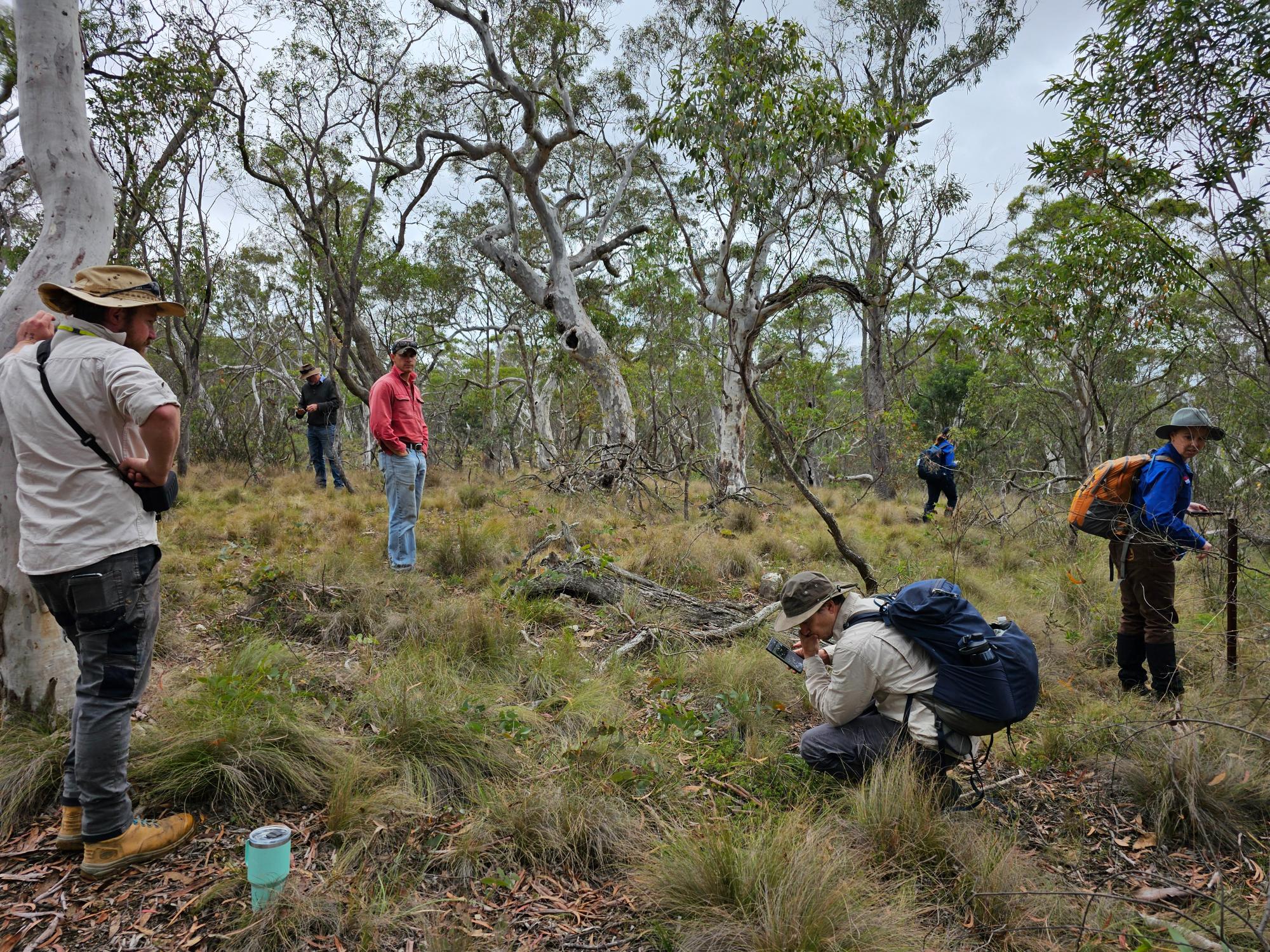
We recently hosted the great team from the NSW Biodiversity Conservation Trust assessing some of the bush areas and grasslands on the property. Jen, James and Suzie covered a massive area in two days completing the assessments with some exciting findings.

Currently, we’re conducting Structure Health Assessments using the scorecard system we have developed. This involved visiting each of the structure and assessing it for various things including vegetation response and engineering assessments.

And lastly the science and monitoring team would like to farewell one of our most dedicated members, Max Brunswick (pictured at left in his element working with community in nature). Max has been integral part of the team with his deep knowledge of the MRI site and operations, tree-planting and vegetation monitoring, and extensive specialised construction experience with the in-stream (and landscape) structures. We wish Max all the best in his new adventures in the landscape repair space and look forward to potential future collaborations. Congratulations Max.

Over the past few months the LiFT team has been working to explore the meaning of landscape function. We have rolled out a survey to land managers to find out what landscapes they are working in, property visions, what they are currently monitoring, how to measure their success, preferences for recording and visualizing data, and what would be useful to them as a LiFT tool.

Survey

We have been working hard in developing our draft monitoring matrix through identifying relevant landscape function indicators, and exploring methodologies to track and monitor landscapes as they move between dysfunction and functional states.
We have also been assessing the many apps and tools available to monitor the components of a landscape and are heading into the field to test a few.

A number of meetings with our Consortium partners have also begun, to explore their ideas and involvement.

The Landscape Function Toolkit (LiFT) project, equipping Australia with a systems-approach to landscape climate resilience is supported by the Australian Government through funding from the Climate-Smart Agriculture Program under the Natural Heritage Trust.

As it’s not long since my last report, this one is very brief.

The Water Stewardship Program for the Sydney Drinking Water Catchment has continued to be a key area of focus, as our stakeholder engagement has progressed to site visits with various communities in the catchment over the past month. Erin and Peter also attended the SE Landcare Muster at Bungendore recently to share information about the Stewardship program.

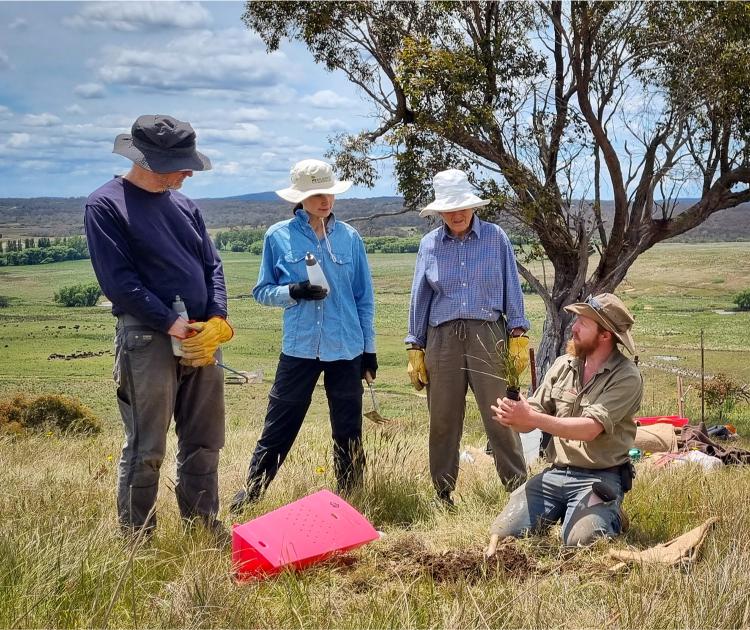
In-stream and riparian vegetation work has rounded out the Carwoola project with a number of our team participating in these activities. All photos on this page are our volunteers and team at the Carwoola riparian revegetation day. 

We are getting close to the completion of the Communities of Practice Project (CoPP) which will be finalised by 30 June, and has included Lance and Tony completing a Boots on Ground day in the Northern Territory this week at Old Cameron Downs.

A number of other consulting projects have been undertaken from initial site inspections through to detailed design work, as well as planning for some upcoming construction projects. We have also continued to be busy with Grant opportunities, with much thanks to Nolani McColl and Annabel Manning for the huge amount of work that they have put into these.

Lance and Mitch delivered a field day and Bootcamp for landholders in the rangelands region of South Australia, with thanks to SA Arid Lands for organising this.

The First Nations Water Stewardship and LiFT projects have continued to keep other people in the team busy.

I recently represented Mulloon at the Regen Forum in Canberra which was a great event, and nice to see some focus closer to home with local food production being a key focus of the Forum.


Jono Forrest
General Manager
Mulloon Consulting

Mulloon Creek Natural Farms (MCNF) has experienced a very favourable autumn with good rainfall, mild temperatures and substantial pasture growth. The abundance of feed has allowed us to stock pile feed in several paddocks which should ensure that cows are well fed through the winter.

The above average seasons MCNF has had over the past four years has seen vermin numbers dramatically increase despite constant control measures being in place. Additional programs have been introduced to assist in reducing the vermin populations and the damage to our pastures and infrastructure.
Noxious weed control is an ongoing priority, and this season control work has been very successful with outstanding results achieved over the areas covered.

The cattle have enjoyed the autumn and a good bulk of quality feed leaving them in excellent condition moving into winter and before calving.

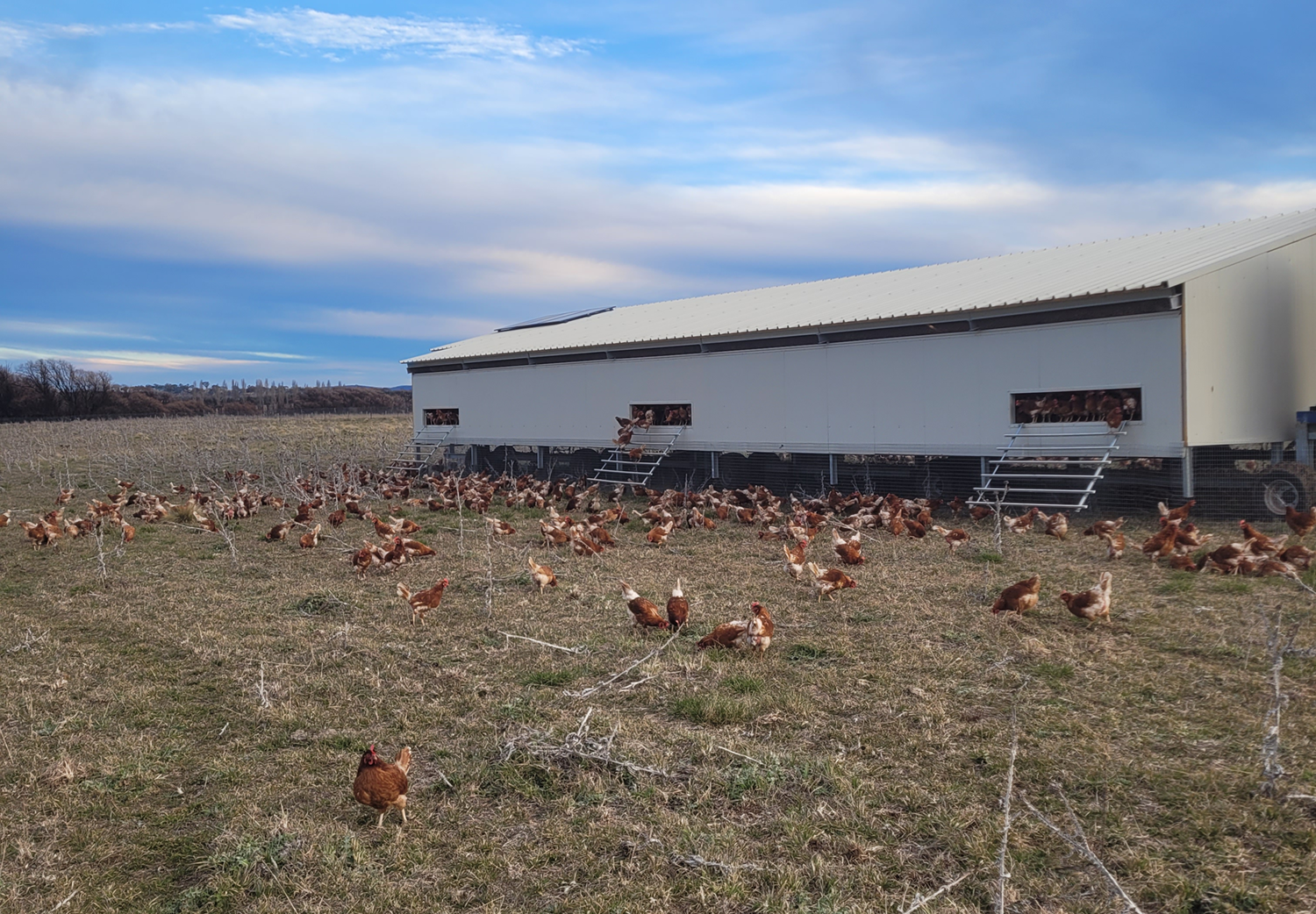
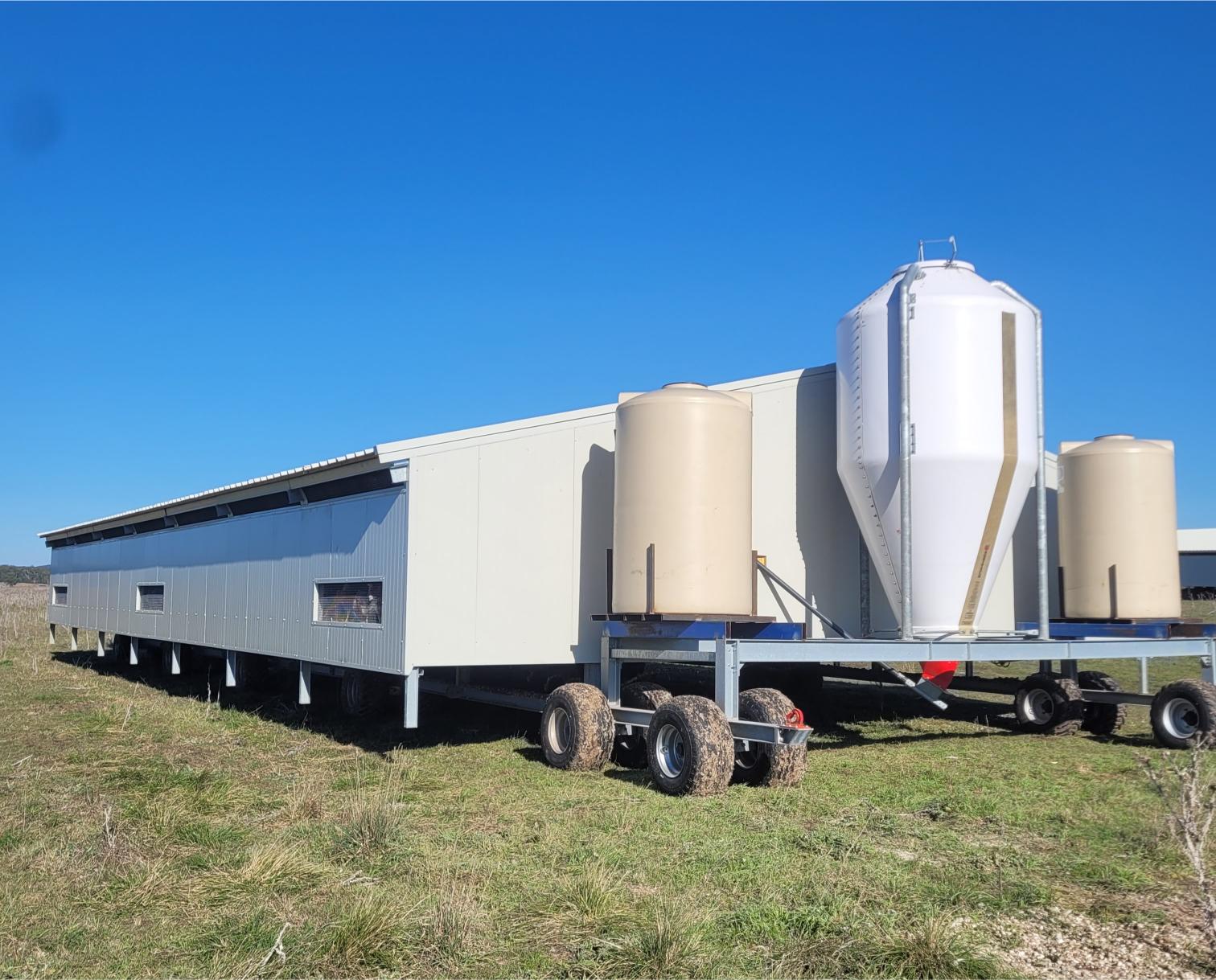
The MCNF team has also been busy constructing four new mobile layer sheds to house our latest batch of pullets. These sheds are designed to increase our efficiency, biosecurity and resilience to extreme weather conditions as well as vermin and predator attacks. This keeps the chickens safe from predators overnight in the sheds and they are then released each morning to forage freely in the paddocks. These new sheds are our most effective defence against avian influenza.

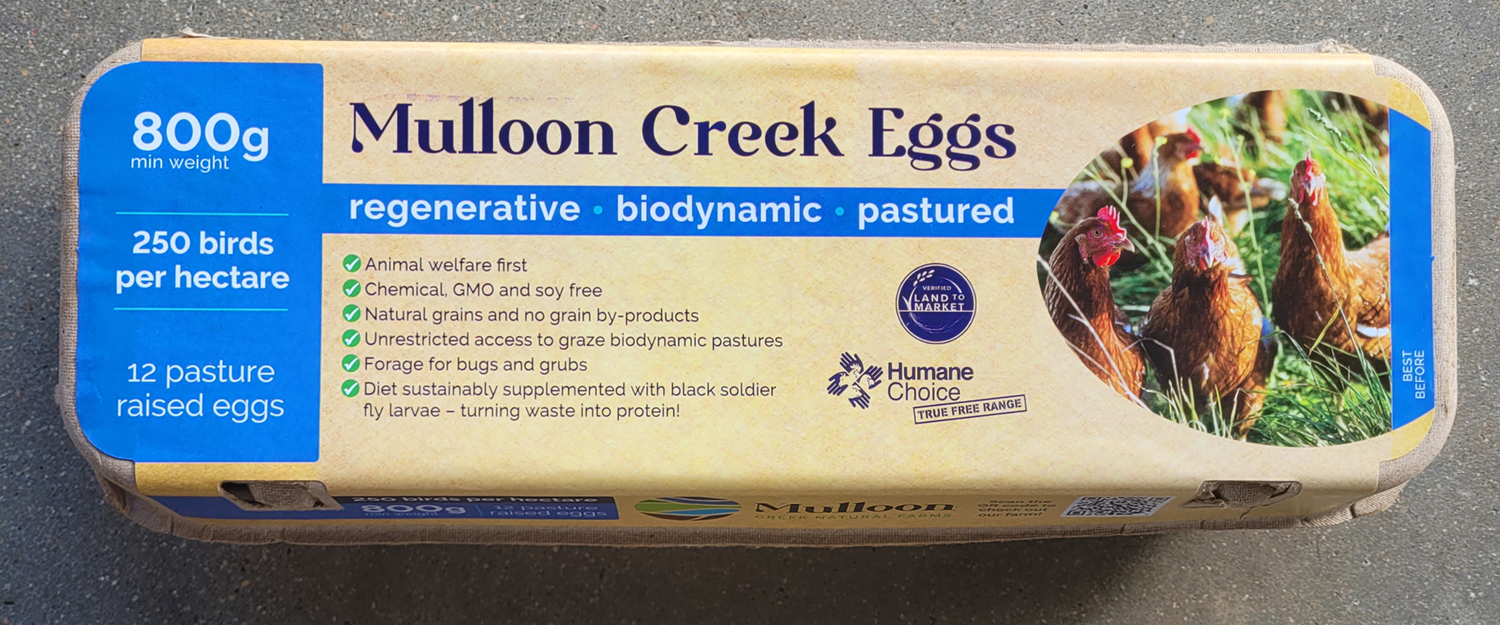
In 2024 significant efforts went into the manual removal of blackberry thickets from the chicken paddocks as we observed foxes harbouring in them. This, combined with exclusion fencing and the new sheds, has seen a significant reduction in predation, improving our animal welfare and delivering on our commitment to a chemical-free production system. This careful management has been reflected in the high laying rates of our chickens, exceeding 90% lay rate which has never before been achieved at Mulloon Creek Natural Farms.

Our dedication to our biodynamic pastures continues with production of biodynamic preparations for application in the spring in full swing.  We are also in the process of developing our own compost teas and compost. Our eggs remain in high demand and the efforts on farm have increased our production levels and ultimately our profitability.

We have recently preg-tested our cows and heifers.  The results were 98% for the cows and 95% for the heifers. While results in the 90s are not uncommon to achieve above 95% for heifers and cows is a great result. Careful management, good bulls and high-quality pastures have contributed to these pleasing results. A message from the local vet also acknowledges the temperament of the animals and our team, “your herds were a pleasure to work with, smooth through the yards and with great helpers.”

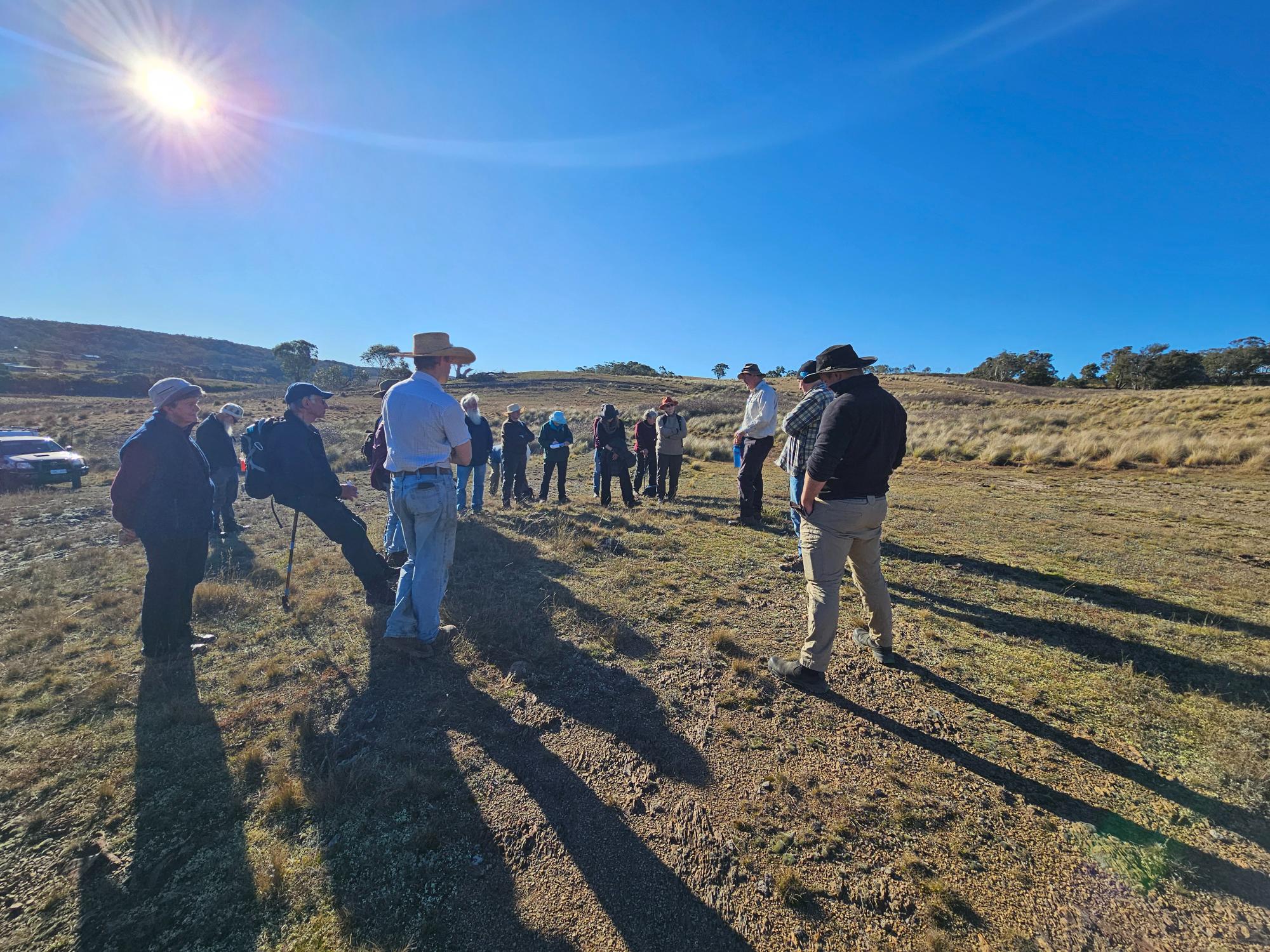
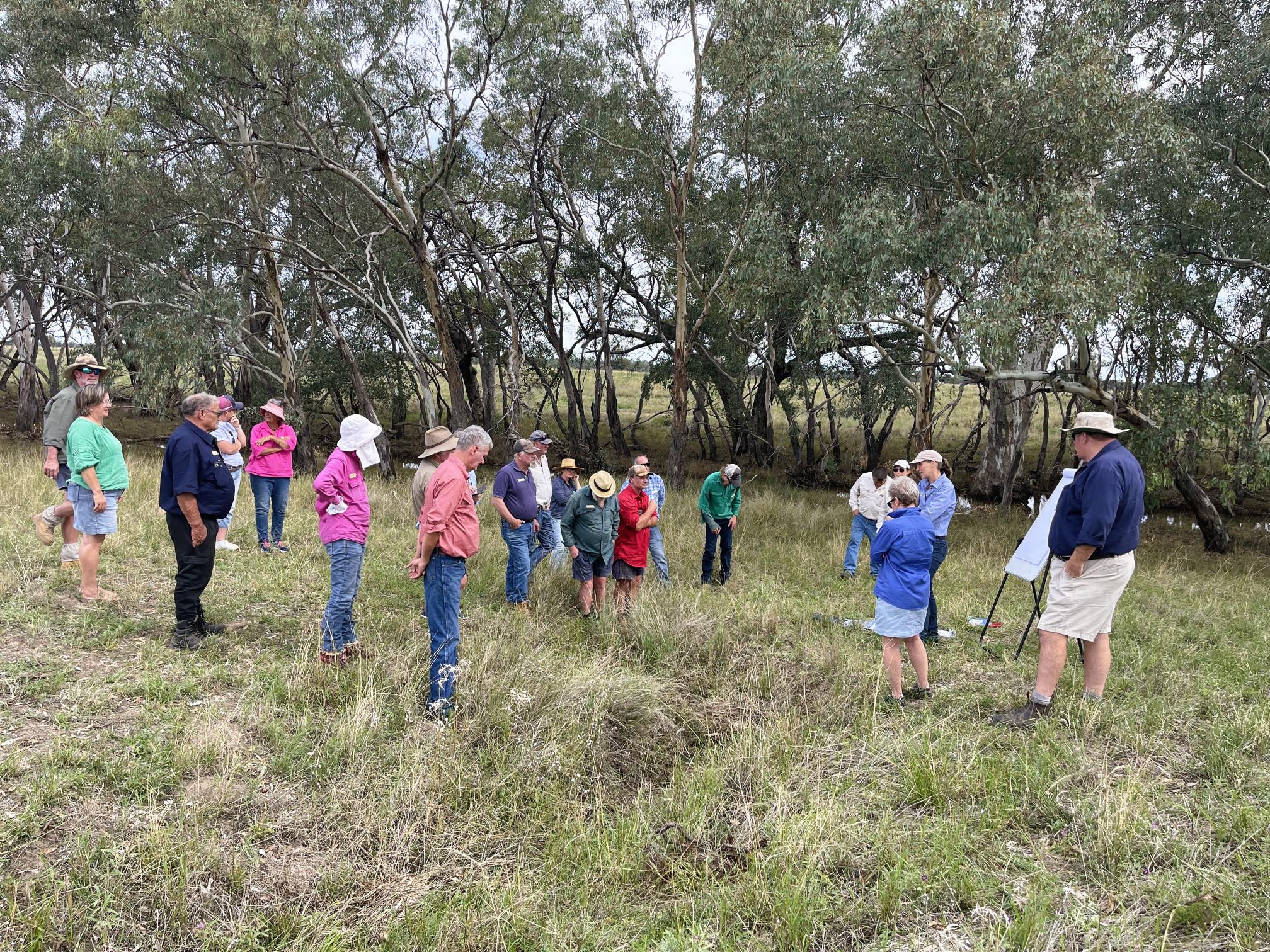
On Friday 20 June, Peter Hazell, Louis Convery, Chris Inskeep and Colby Soderberg hosted 20 members of the Friends of Grasslands (FOG) at Home Farm.

Peter says, “We took the FOG members over to a 30Ha paddock of native grasses and other things, called Scotts, on the eastern side of the creek. They were keen to find a bit more out about Mulloon. For their part they said they would identify as many plant species as they could within this paddock.

“In the two hours the group spent walking gently around only a small percentage of Scotts paddock, they found 70 species of plants, more than 20 species of lichen and several fungi species as well! In the middle of winter, in a paddock that has seen no active management for grassland biodiversity – that is an exceptional number of plant species. FOG’s leader, Margaret Ning, said she will write up the species list and send it to me.

“It was a most enjoyable perambulation on a sunny winter’s afternoon with the people of FOG. One that I am sure will be repeated, and which I am also sure will reveal further hidden treasures at Home Farm”.

Catch Water, Restore Land.

We’re excited to share our new corporate video – a powerful glimpse into the mission, values and impact of Mulloon Institute. Since its inception in 2011, Mulloon has been at the forefront of pioneering practical, nature-based solutions that restore landscapes and strengthen communities.

Through collaboration, education and real-world demonstration, the Institute champions a future where agriculture and the environment thrive together. The video highlights how we’re driving meaningful change across rural Australia – reviving ecosystems, supporting farmers, and building resilience against climate challenges through evidence-based research, community education, advocacy and capacity-building.

It’s more than a simple story of land regeneration – it’s about the people, partnerships, and the practical solutions shaping a healthier, more resilient future for our land and communities.

A big Thank You to Nviro Media and Redhanded for their dedicated work in collating our work to create this video. 

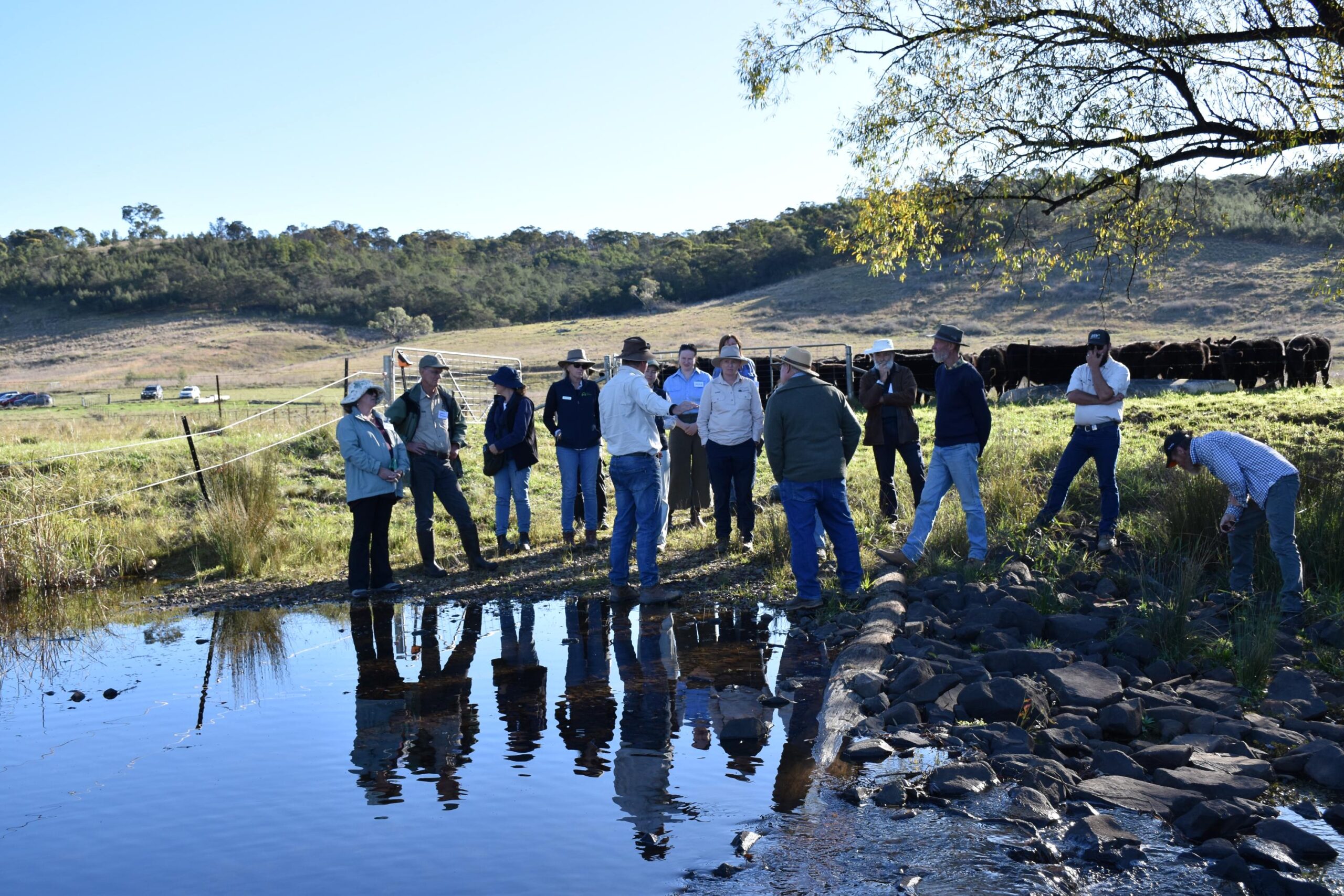
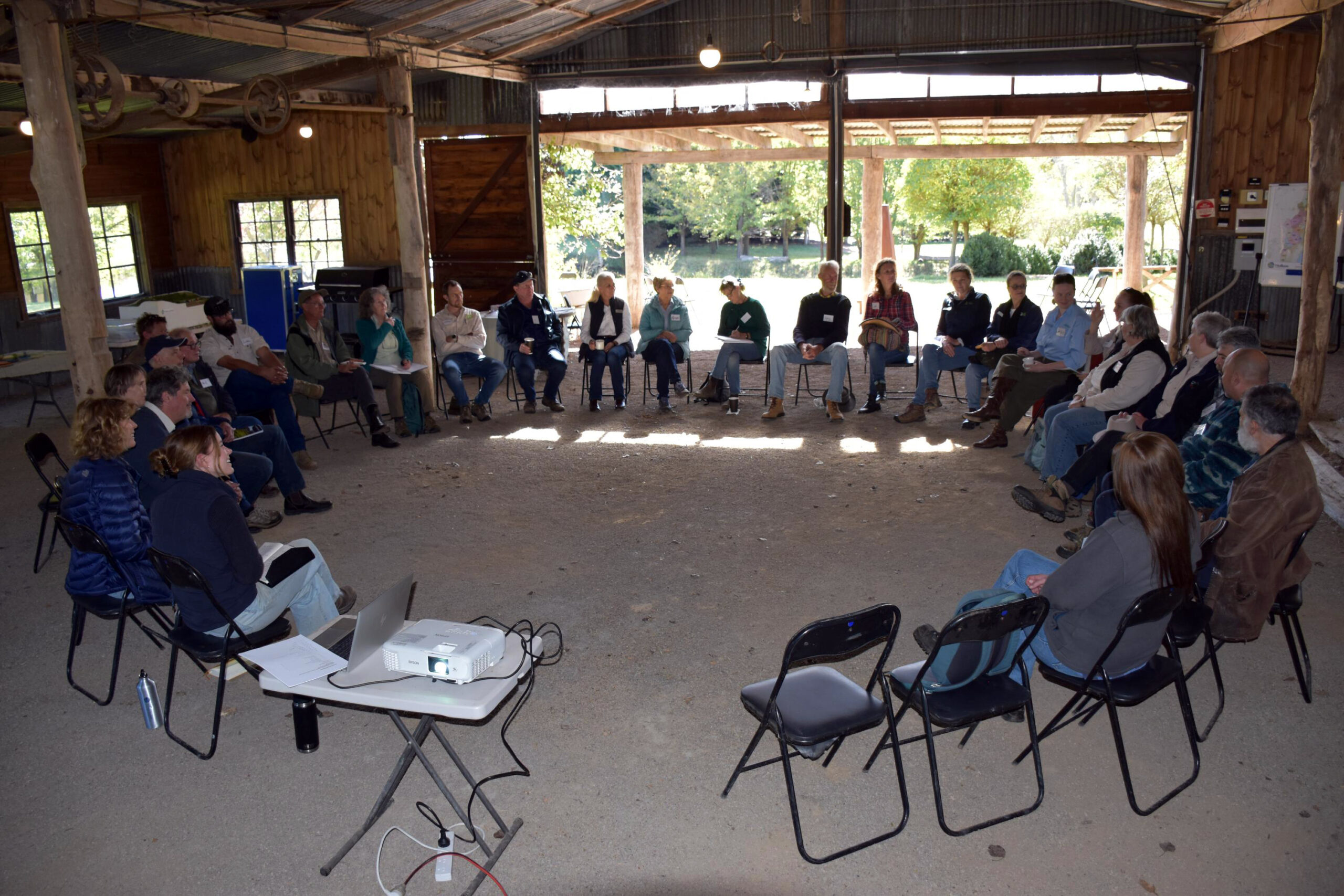
On Friday, 2 May under bright blue autumn skies, we gathered at the Mulloon farm to mark the beginning of something special—the launch of the Water Stewardship Program. The program aims to regenerate waterways and landscapes across the Sydney Drinking Water Catchments and will depend strongly on community participation and collaboration. The Stakeholder Engagement Day was the perfect way to kick things off, and we were delighted to welcome so many extraordinary landholders, Landcare reps, First Nations custodians, and Council and NRM staff who are committed to improving catchment health in their area. 


The day began with a heartfelt welcome from Mulloon Institute CEO Carolyn Hall, followed by presentations from Erin Healy, Laura Fisher and Peter Hazell. They shared the vision behind the program, the types of projects it will support—from riparian fencing and native revegetation to natural infrastructure and cultural events—and how stakeholders can get involved. 

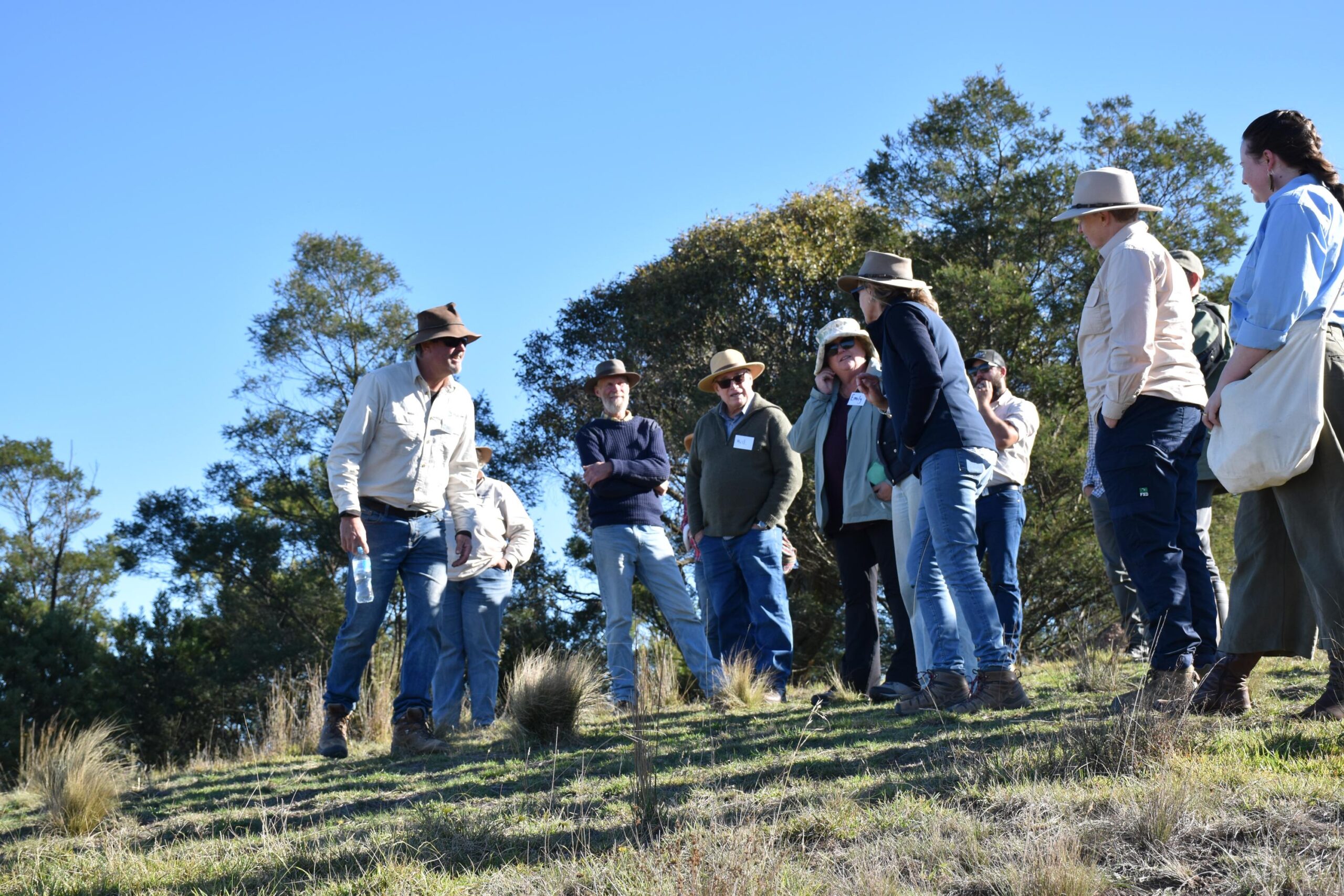
After lunch and a Q & A we headed out on a field walk to explore some of the restoration work underway at Mulloon. It was a compelling reminder of what’s possible when communities come together to heal landscapes and restore water cycles. 

This was more than just a launch—it was the beginning of a shared journey. We’re excited to continue building communities of practice that are resilient, connected, and empowered to care for their land and water. 

This program has been developed by Mulloon Institute in partnership with WaterNSW. The pilot phase has been generously supported by The Ian Potter Foundation. 

Program stakeholders gathered together to learn about the program vision and goals.

Great conversations being had on Duralla Hilltop which overlooks the impressive works along the lower Mulloon Creek floodplain.

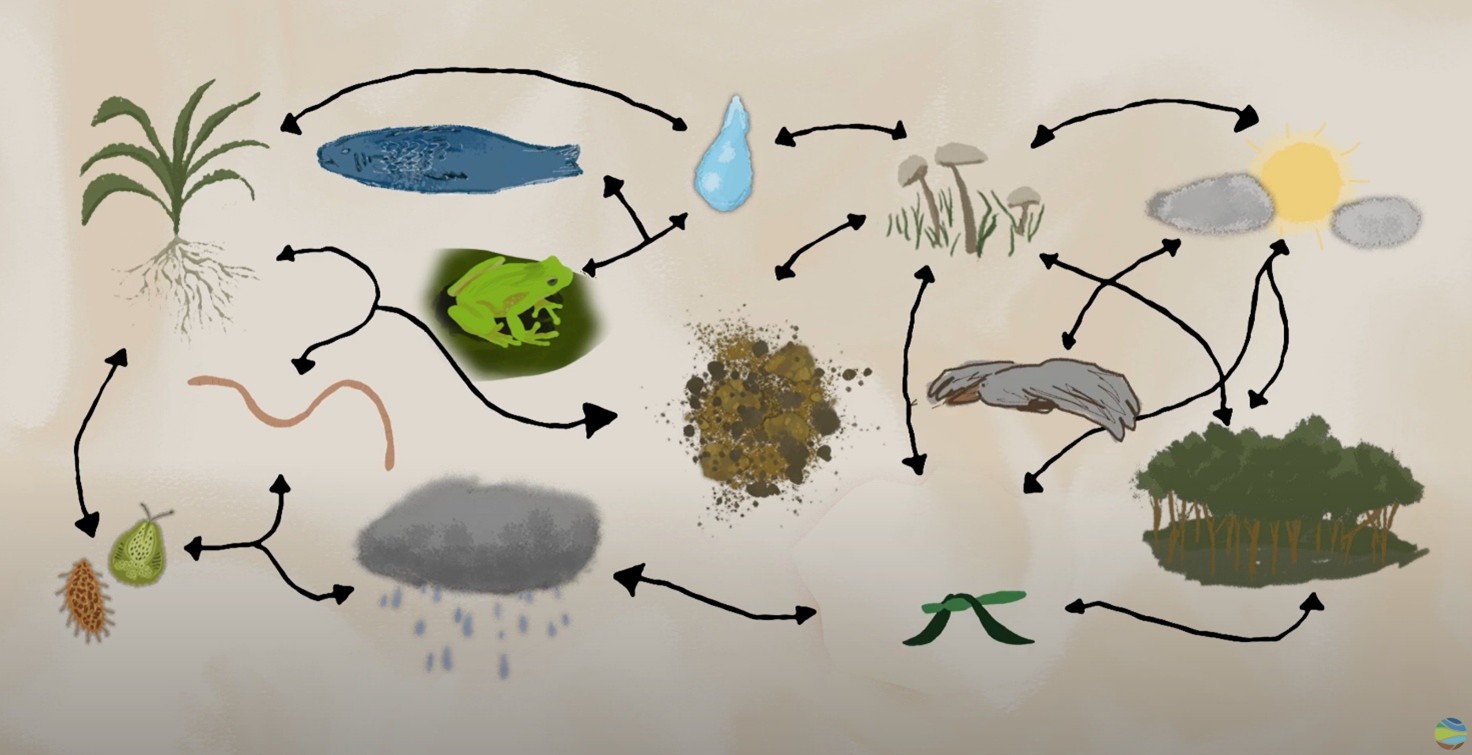
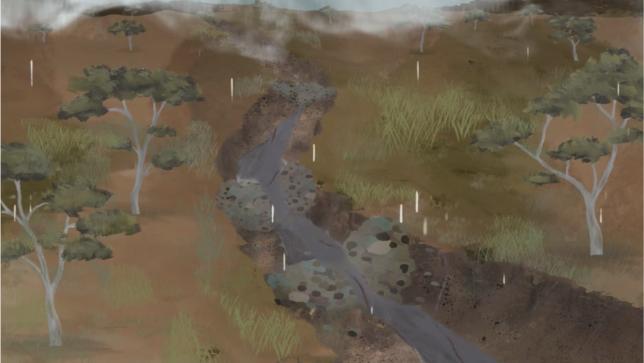
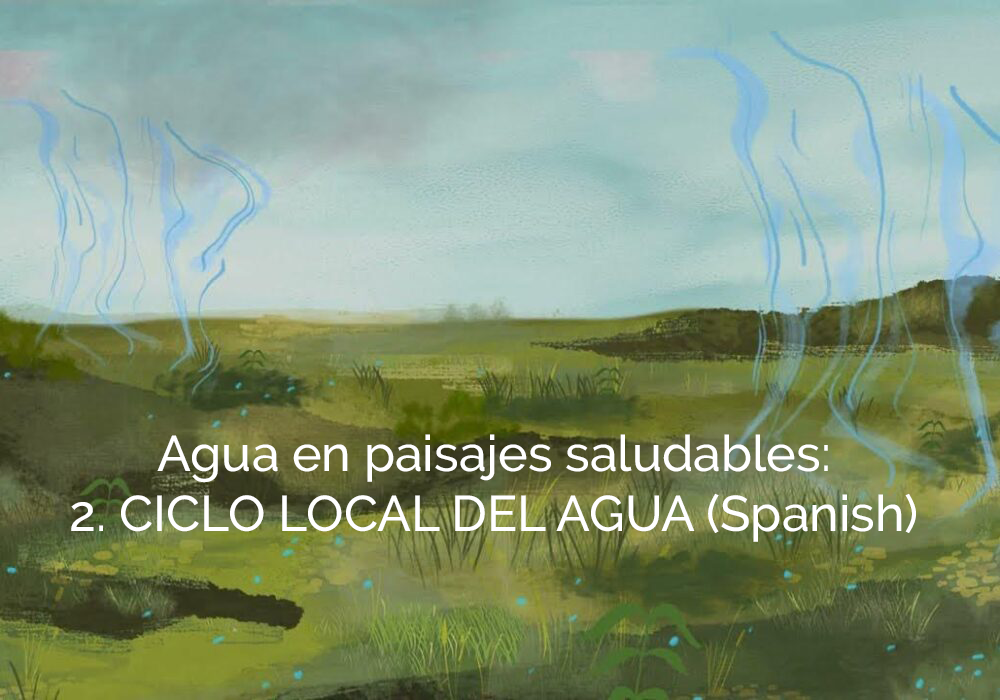
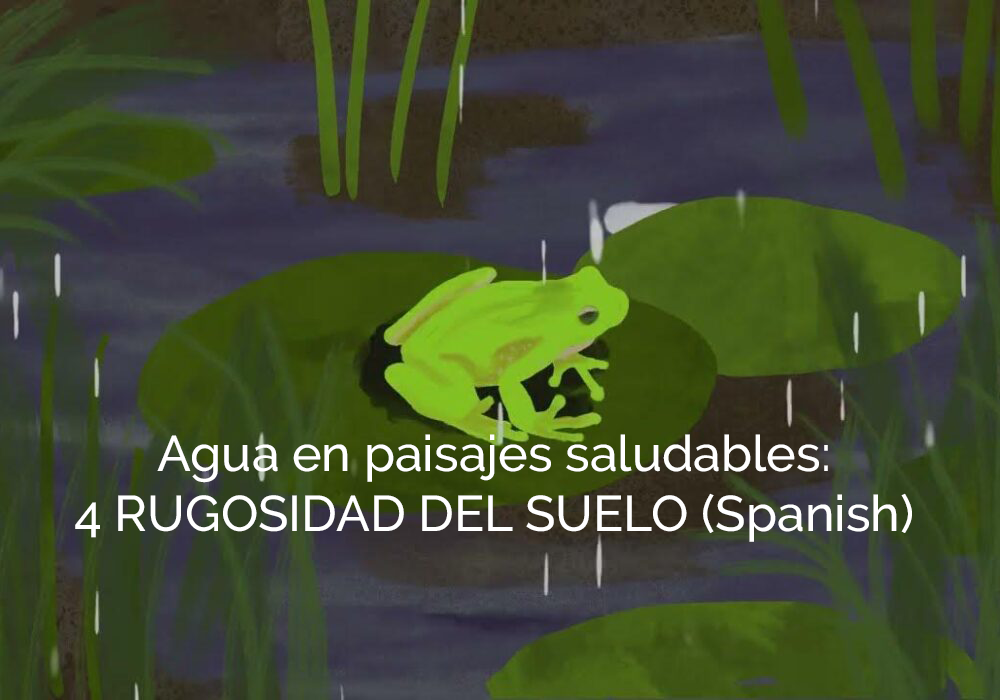
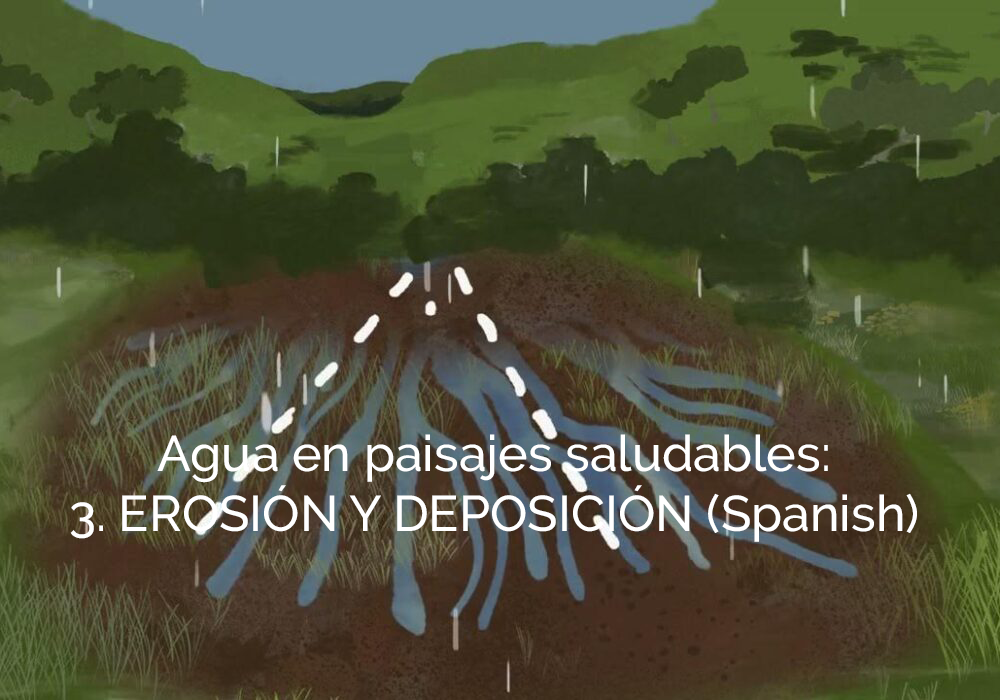
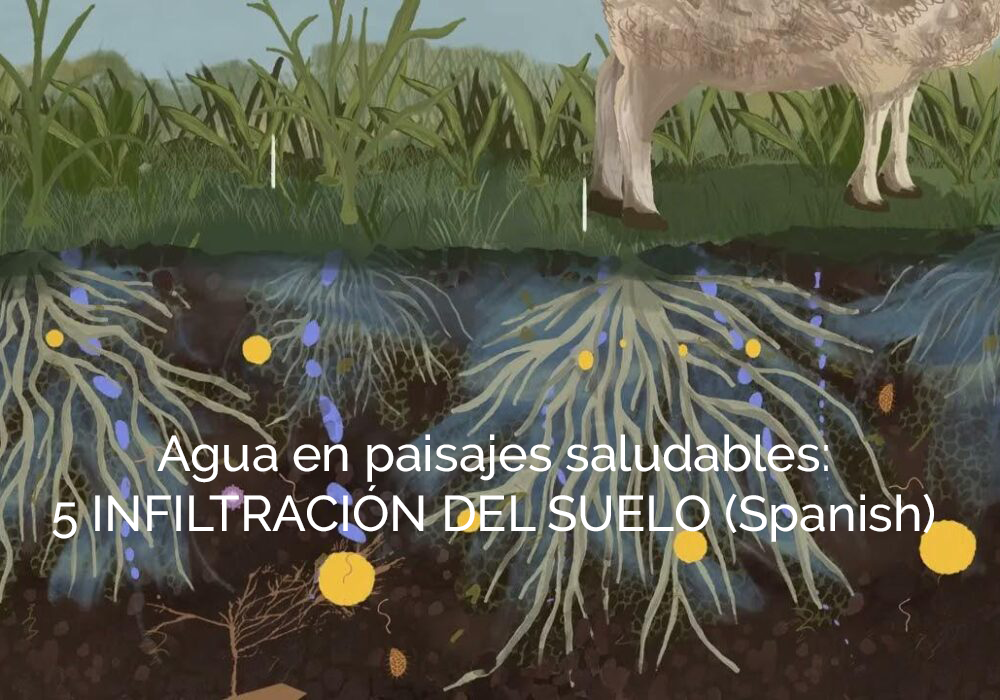
Understanding how, where and why water moves in the landscape is key to building resilience, wherever we are. Adding to our existing series of animations, we’ve created three new ones to bring this idea to life. This time we teamed up with Dr. Laura Norman (US Geological Surveysee her extraordinary bio here), a scientist studying the benefits of natural infrastructure and deeply committed to community and effective science communication.


Natural infrastructure and farm system solutions are key themes in these animations. These tools and strategies help land managers work with the landscape to restore function, slow, store and cycle water, and build long-term resilience.

Each animation explores: 

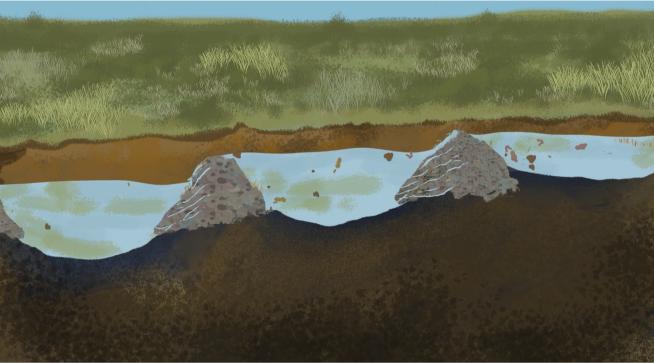
  • how water behaves around natural infrastructure, both above and below the surface– slowing down, spreading out and soaking in
  • how landscapes transform over time in response to these changes – building soil carbon, restoring wetlands and rebuilding biodiversity
  • how farm systems can adapt to the land’s natural hydrology – by rethinking land use, livestock management, relocating infrastructure, and working with the land’s mosaic of features. 

Natural infrastructure involves using natural materials such as logs, rocks, vegetation, soil and existing features like wetlands to manage water and restore landscape function. It’s a practical, low-impact approach that supports both productivity and environmental health. 

We hope these animations convey this simple but powerful idea: when we understand how landscapes function, we can become more insightful and effective as stewards of land and water.  

Thanks again to animators Timothy Lee (juunelee.com) and David Lobb, and sound designer Justin Hewitson for coming on this journey with us.  

Let us know your feedback!  

This project has received funding from the Australian Government’s Future Drought Fund 

This animation is one of a series developed to support public understanding of the principles of landscape rehydration and restoration.

Esta animación forma parte de una serie desarrollada para apoyar la comprensión pública de los principios de la rehidratación y restauración del paisaje.

Click on the images to view our Spanish animations below.


View our animation series in Spanish!

Australia’s agricultural landscapes are facing growing pressure from climate change, biodiversity loss and decades of soil and water degradation. Resilient landscapes are essential for long-term productivity and sustainability – but current systems for monitoring and restoring them are often too complex, expensive or fragmented for practical use. The Landscape Function Toolkit (LiFT) offers a simple, accessible way to understand, measure and improve landscape function, the foundation of healthy ecosystems that can bounce back from droughts, floods and fire. By focusing on how well a landscape retains water, cycles nutrients and supports biodiversity, LiFT brings landscape resilience into clearer focus for landholders and decision-makers alike.

The challenge is that many farming landscapes across Australia are hydrologically dysfunctional, with invisible damage to water cycling and soil systems. Current monitoring tools are often siloed– focusing only on carbon or vegetation – and designed for researchers, not farmers. There is poor awareness of how degraded water cycles reduce climate resilience, and many landholders lack the tools or confidence to diagnose and track the impact of land management decisions. Outdated resources, low literacy around system-wide processes, and high costs make it difficult to scale restoration or meet new demands from natural capital and compliance frameworks.

LiFT meets this need with an innovative, co-designed toolkit supported by First Nations knowledge holders, scientists, and regenerative farmers. It will deliver adaptable workflows, a digital data platform and engaging resources – like animations and infographics – to make complex landscape dynamics understandable and actionable. With the backing of partners including Aurecon, WaterNSW, and Mulloon Institute, and aligned with nature repair markets, LiFT will empower landholders to monitor change, verify outcomes and access new funding opportunities. This whole-of-system approach makes LiFT a powerful enabler of climate resilience, ecological restoration and economic opportunity across Australia’s agricultural landscapes.

Read the full story over on our Current Projects page, and please take part in a short survey designed to gather insights into landholder preferences around monitoring.

LiFT PROJECT

In early April, Mulloon’s Penny, Jono, Sharni and Tony headed out to Central West NSW for a big week delivering two Field Days in Gulargambone and Dubbo, and a Boots on Ground Day in Eugowra.

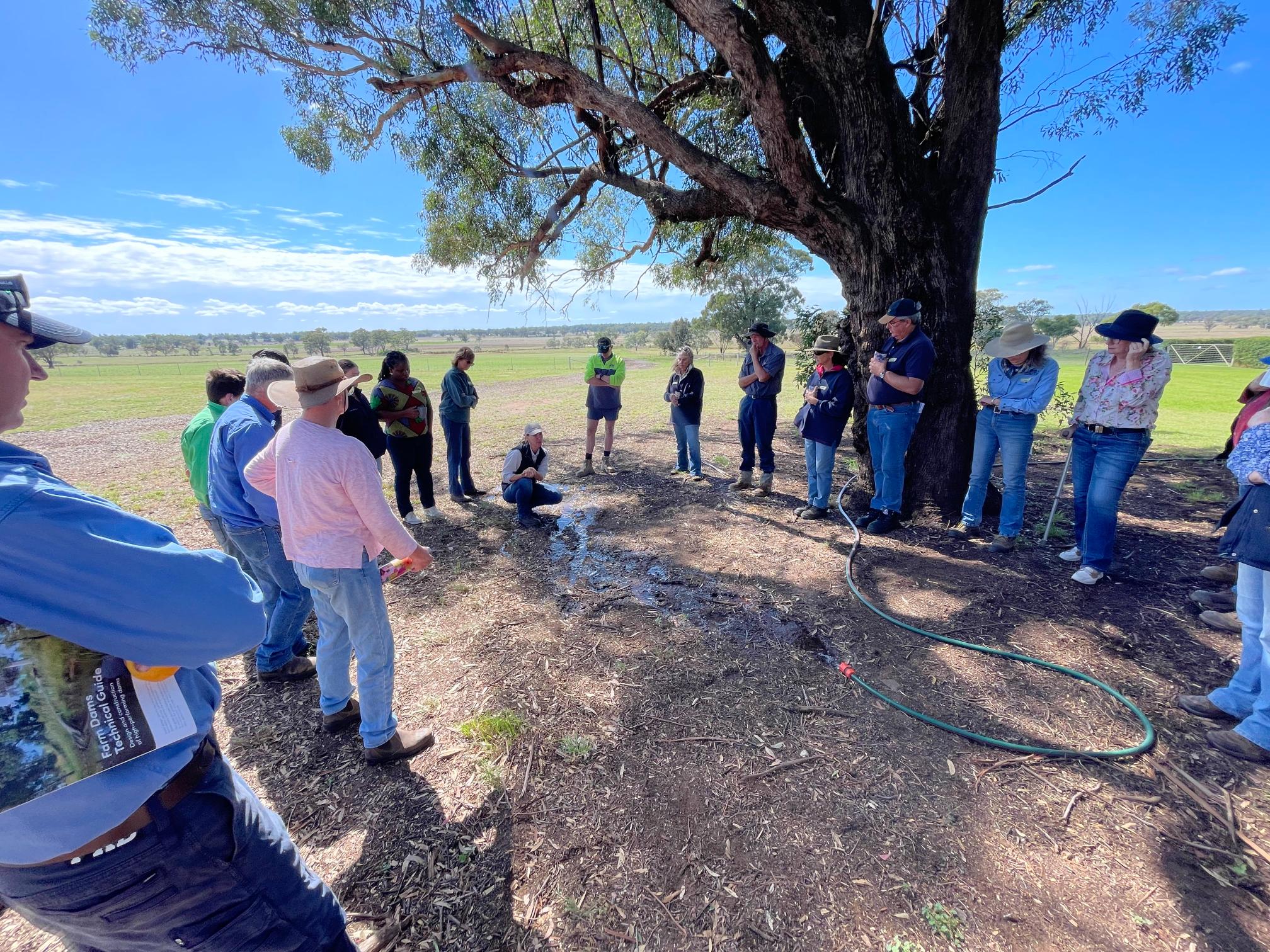
It was a fantastic week of sharing the science behind what we do and teaching practical approaches to support landscape rehydration. Neighbours from each catchment came together, sharing what they had previously tried on their own properties—what held up, what succumbed to the power of water, and what lessons could be taken forward.

At Gulargambone and Dubbo, Penny spoke about the impact of gravity and solar energy on landscapes and the role of plants in managing these forces. We then headed out on foot to read landscape patterns and processes and discuss how these concepts show up in the real world. We also spoke about where interventions might be useful, and how landholders can prioritise actions, starting outside of their waterways.

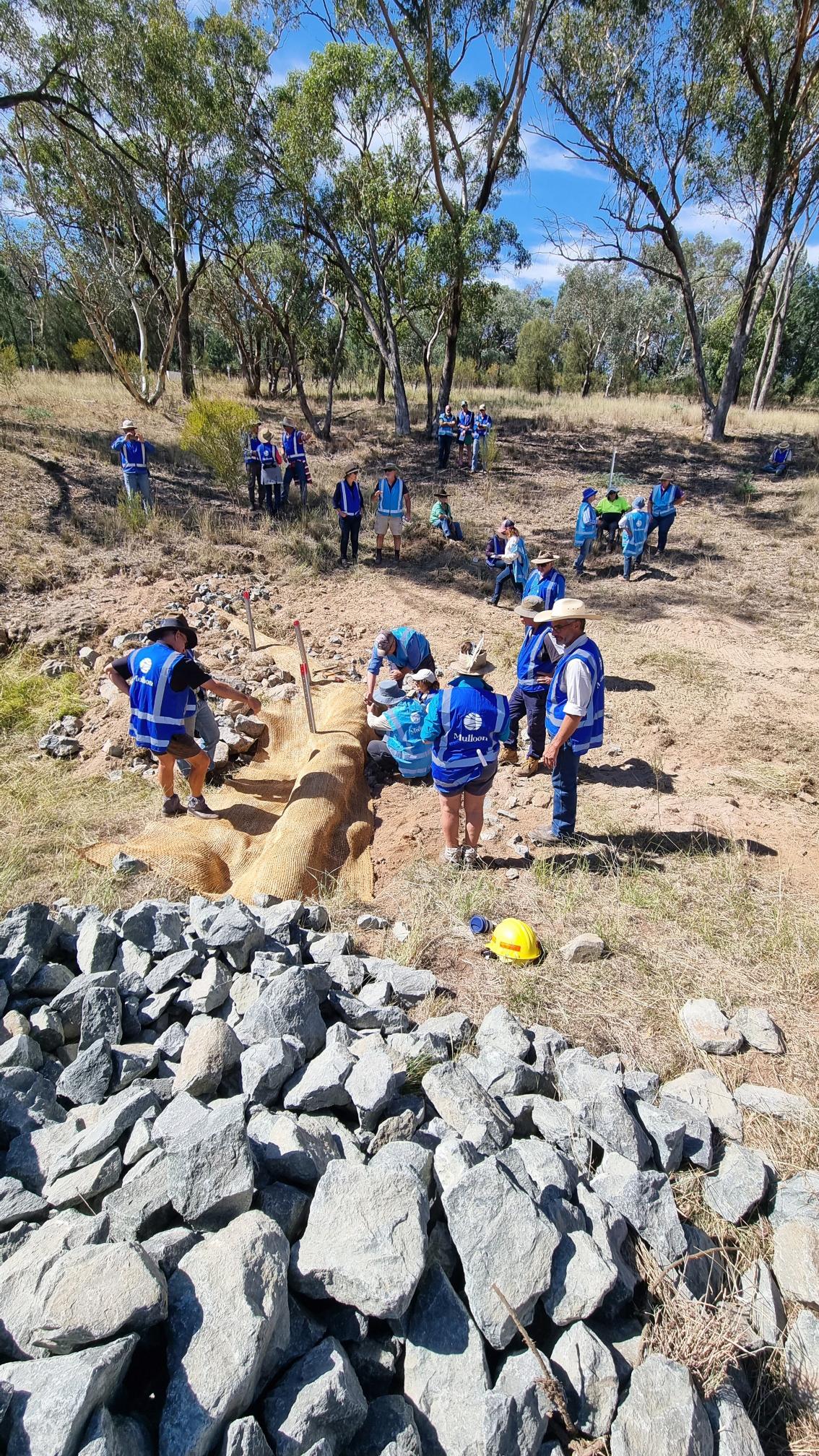
At Eugowra, participants saw firsthand the key in-stream interventions that can help dissipate the high energy flows that cut through the upper catchment and how rehydrating the landscape can help reduce flash flooding downstream. Tony demonstrated the critical role of engineering design when constructing a log sill and rock weir, before the group got stuck in together building brush mattresses and packs – simple, practical tools that landholders can take home and use straight away to tackle erosion. The team also talked through the use of photo-point monitoring stakes to help track changes in landscape function over time.

Pictured left: Construction of log sill and rock in Eugowra

Thanks to all our hosts for making the week possible: Two Eight Two Eight Cafe, Sandra and Roger, Belinda and Shane, and Kerstin, Mark and Torben. We appreciate your time, your local knowledge, and your willingness to share your journey with others. Also, a big thank you to Dom and the rest of the Central West Local Land Services team for your hard work in organising and providing the necessary funding to run these events.


The Boots on Ground event is jointly funded through the Australian Government’s Future Drought Fund and Central West Local Land Services.