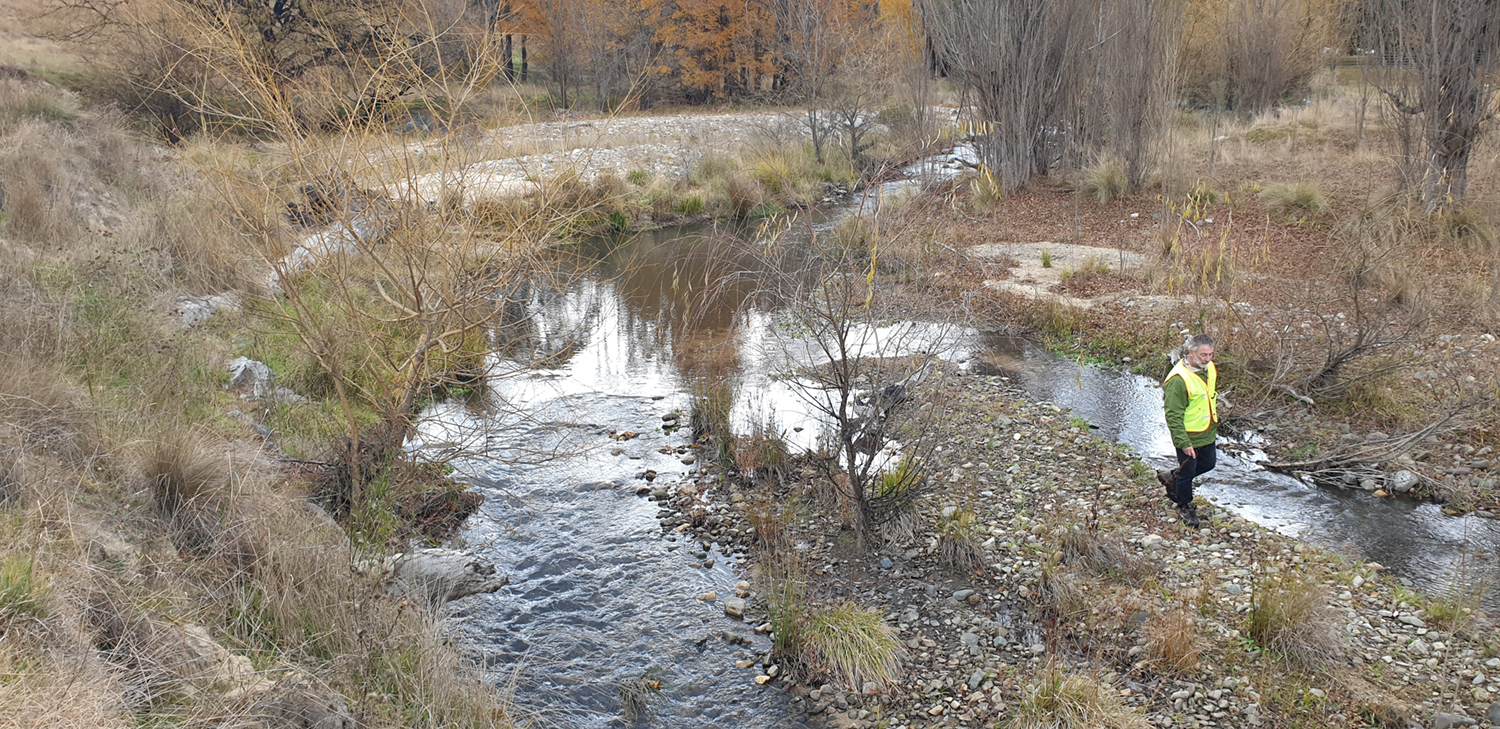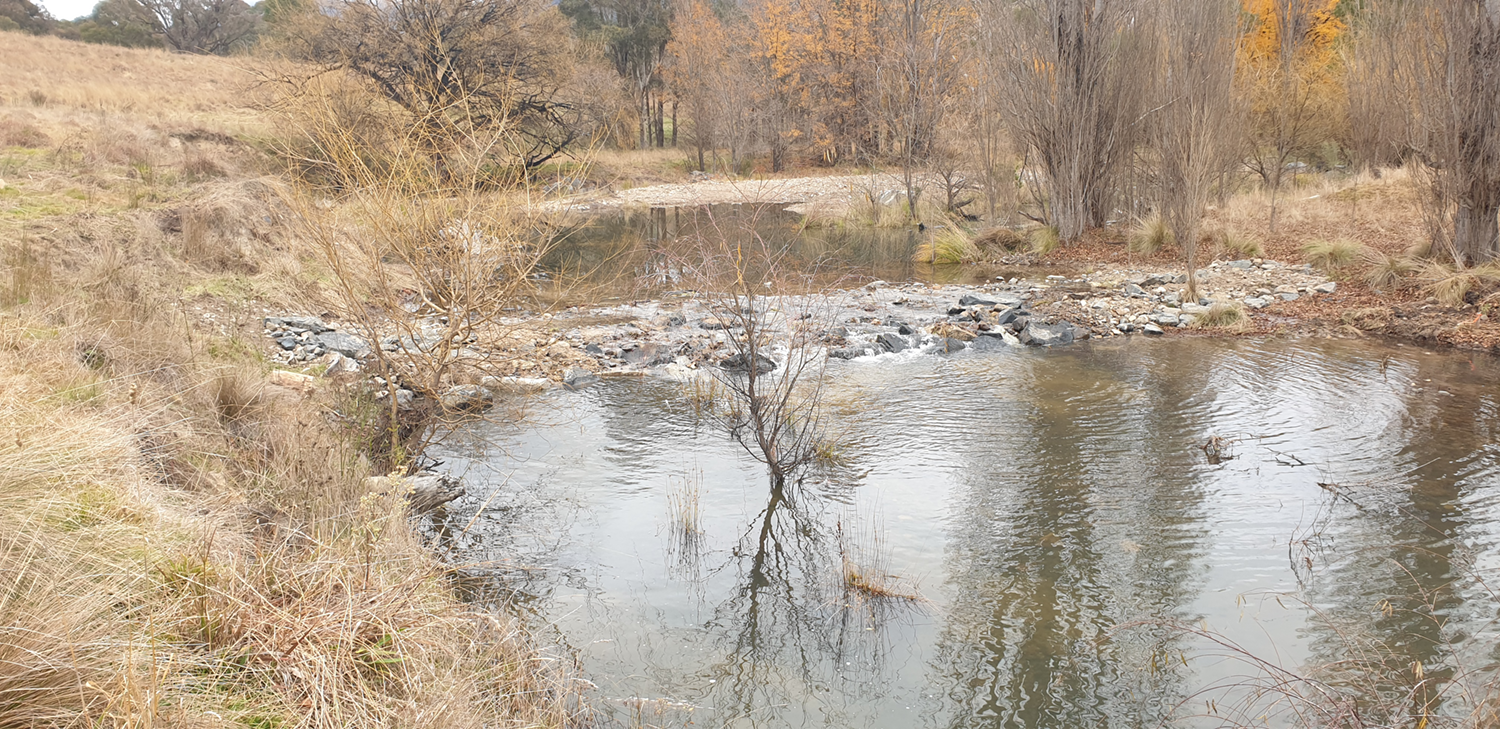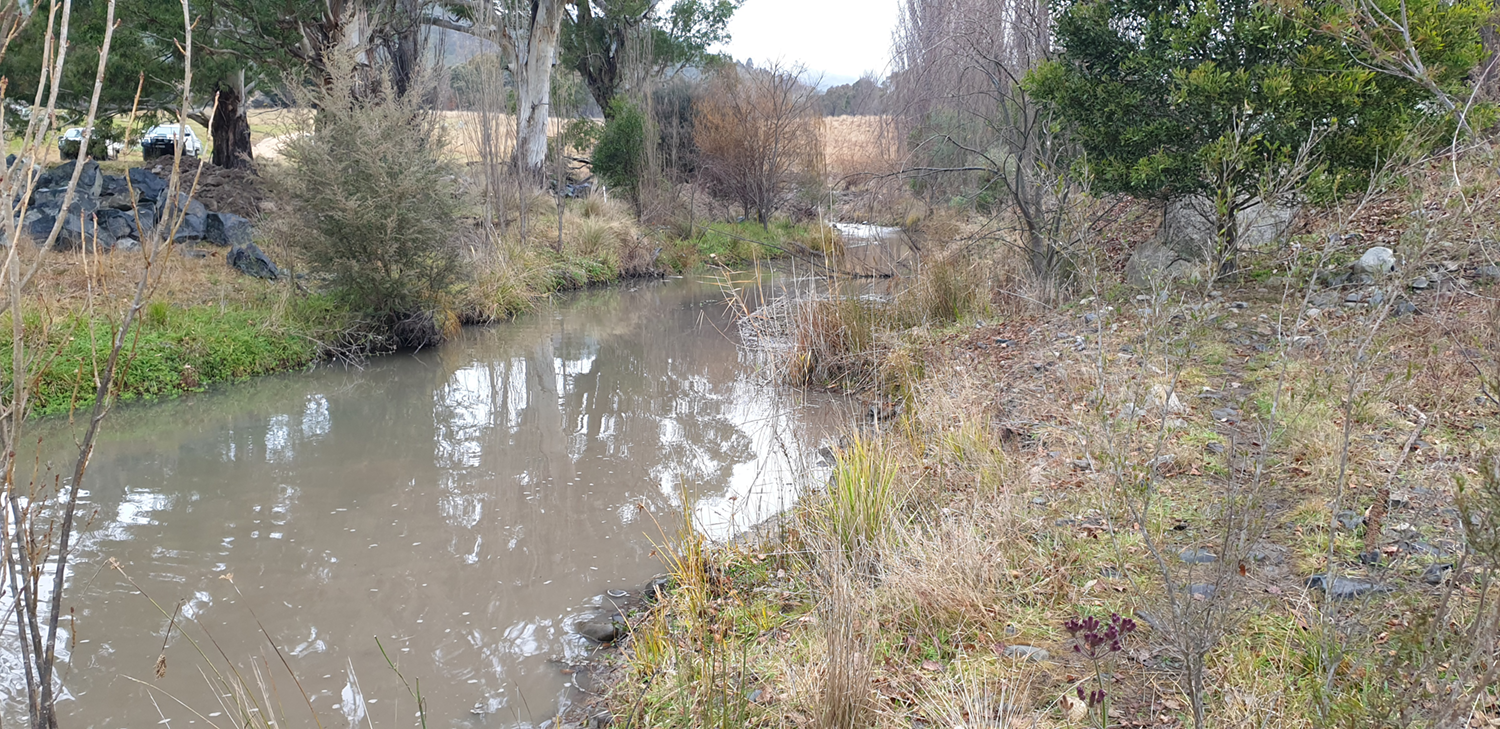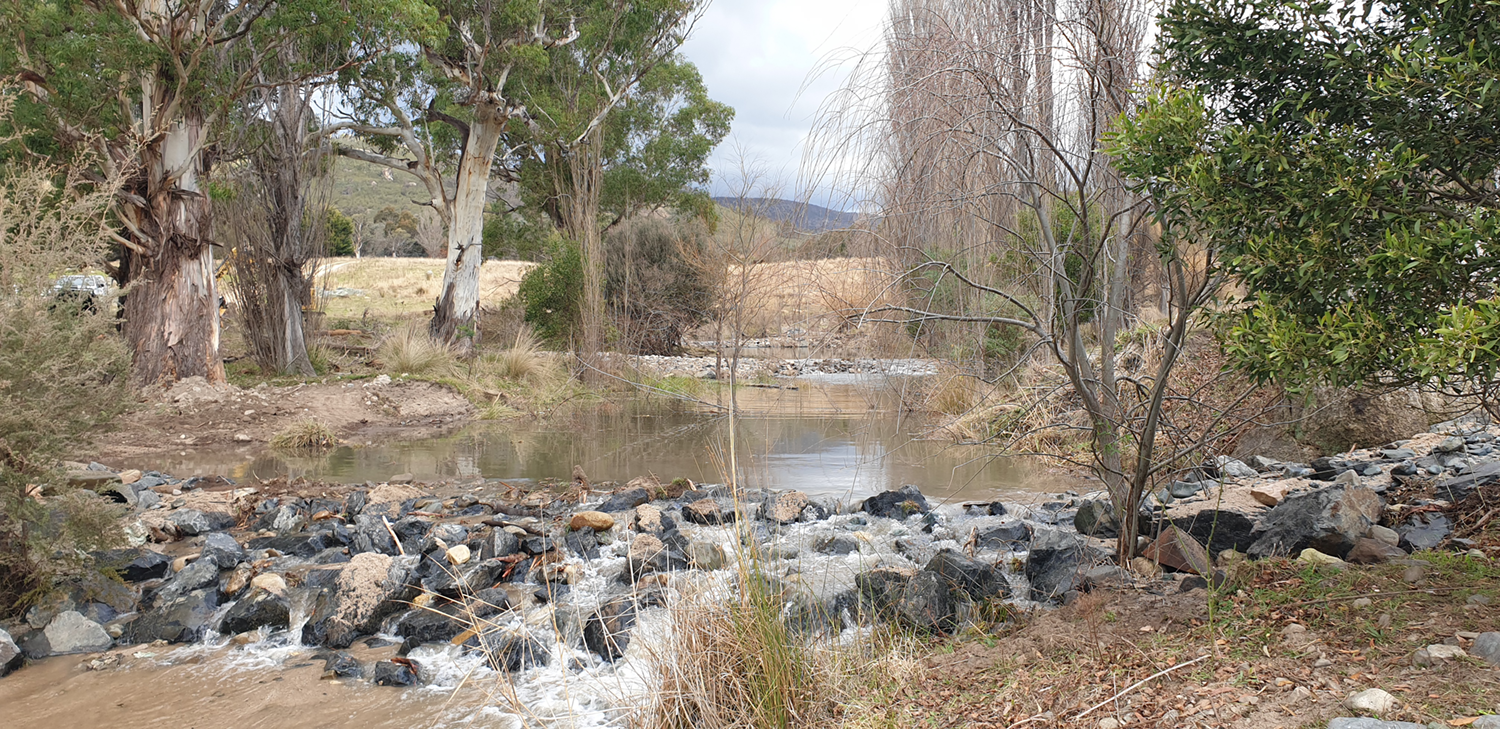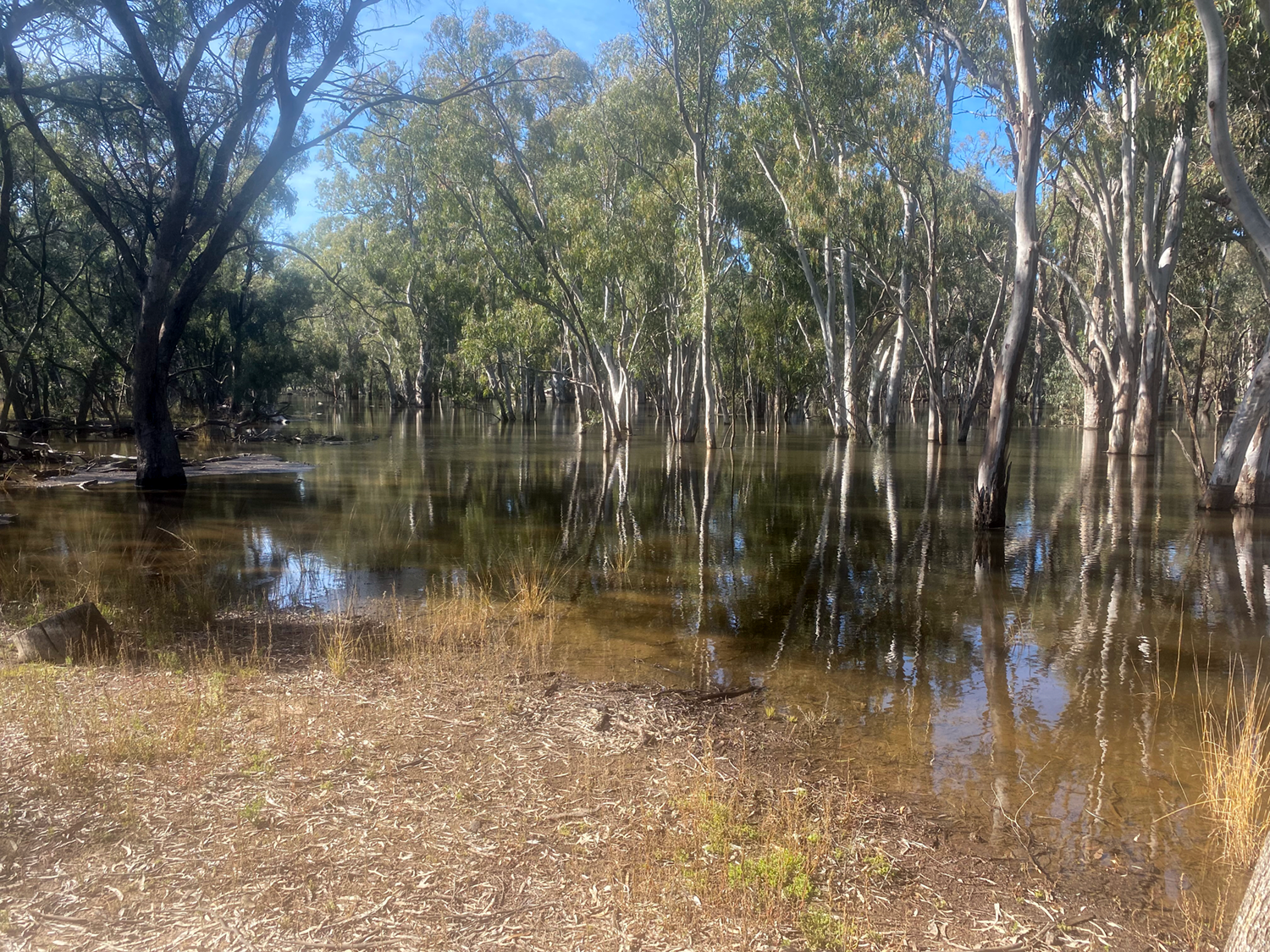
Horseshoe Lagoon is a key feature within the Biolink site 

Mulloon Consulting recently commenced work on an exciting new project on the Murray River near Barham, NSW. The River Country Biolink Project, which is being led by the Western Murray Land Improvement Group (WMLIG), aims to rehydrate landscapes and restore ecosystems within the mid-Murray River delta.

Co-designed by the WMLIG, Gonn landholders, ecologists, traditional owners, archaeologists and environmental scientists, the River Country Biolink focuses on restoring wetlands and establishing a contiguous corridor connecting the Wakool and Murray Rivers, the Murray Valley National Park and Campbell’s Island State Forest through productive agricultural land. The intention is that the Biolink project will act as a demonstration site for community-led opportunities to fund ecological restoration through environmental market-funded initiatives within the mid-Murray River delta. 

The project is in its early co-design phase and Mulloon Consulting involvement to date has included: 

  • Attendance at the initial kick-off workshop at Gonn Station in July 2023 by Landscape Planner Jack Smart, along with Biolink landholders, WMLIG staff and co-design team, including Andrew Ward from Regen Farmers Mutual

  • Site inspection in August 2023 by Landscape Planners Jack Smart and Annabel Manning with landholders to assess landscape rehydration conceptual design opportunities across two Biolink properties and preparation of conceptual design plans. 

  • Attendance at the WMLIG River Country Biolink Project Field Day at Barham on 29 August 2023. The Mulloon Institute’s CEO and Managing Director Carolyn Hall and Landscape Planner Jack Smart presented on landscape rehydration opportunities for the Biolink site along with other co-design team members. 
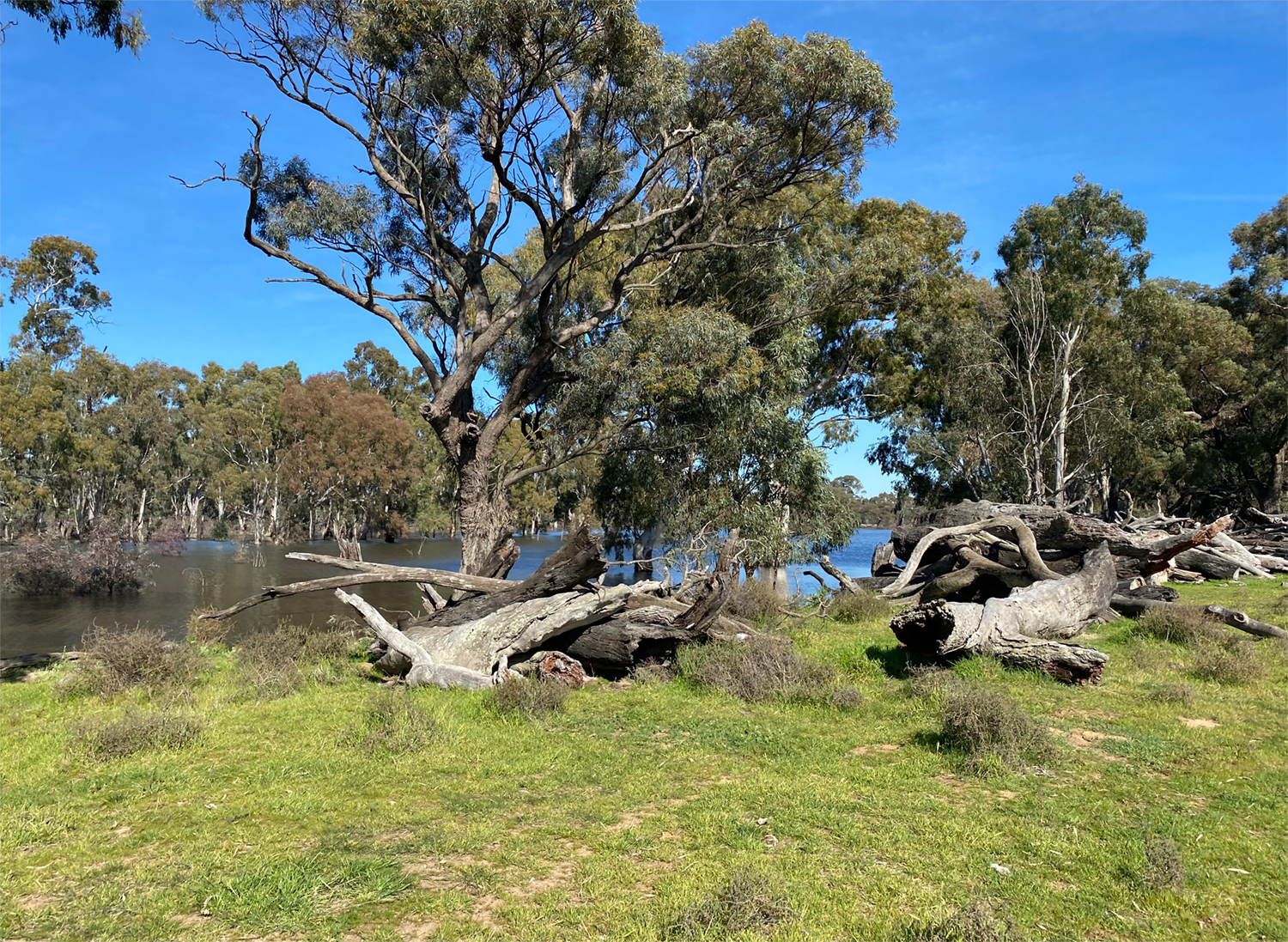
Sheepwash Lagoon is a key wetland for the Biolink site

The project represents an exciting model for landscape repair, with the co-design process seeking to draw on the knowledge of 130 years of agricultural water use and over 60,000 years of Barapa Barapa ancestral knowledge combined with local farmers, ecologists and rehydration experts to link hydrated on-farm wetland assets to maximise economic, social and natural benefits. 

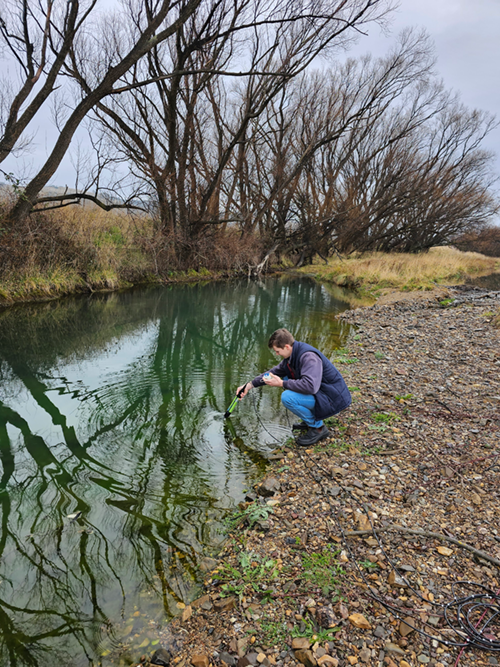
Mulloon Consulting site inspection of Biolink properties with landholders. The creek was well hydrated at the time due to a high flow event in the Murray River.
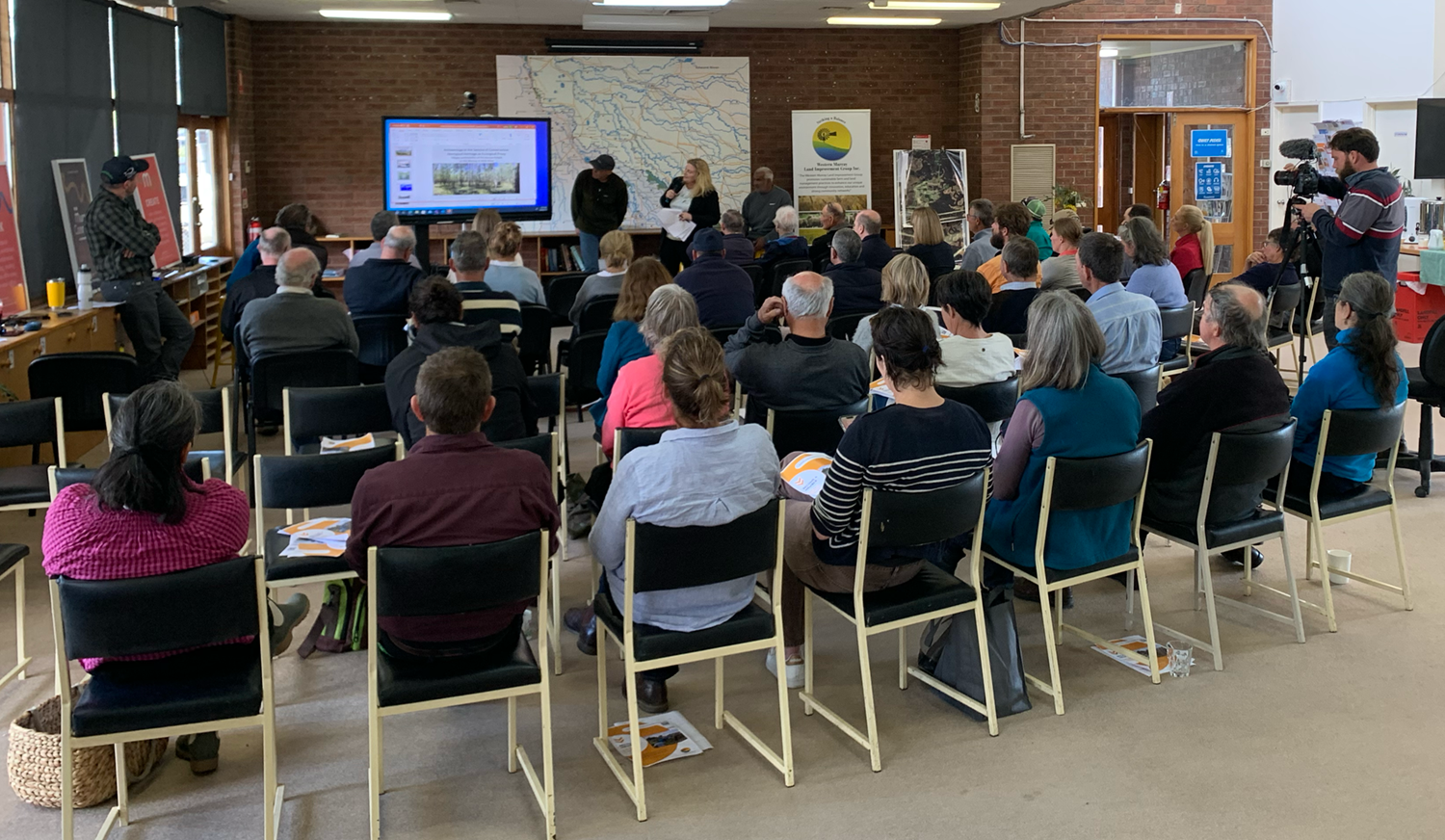
The WMLIG Field Day was well attended by local participants.


The project is funded through WWF’s Innovate to Regenerate (I2R) program. 
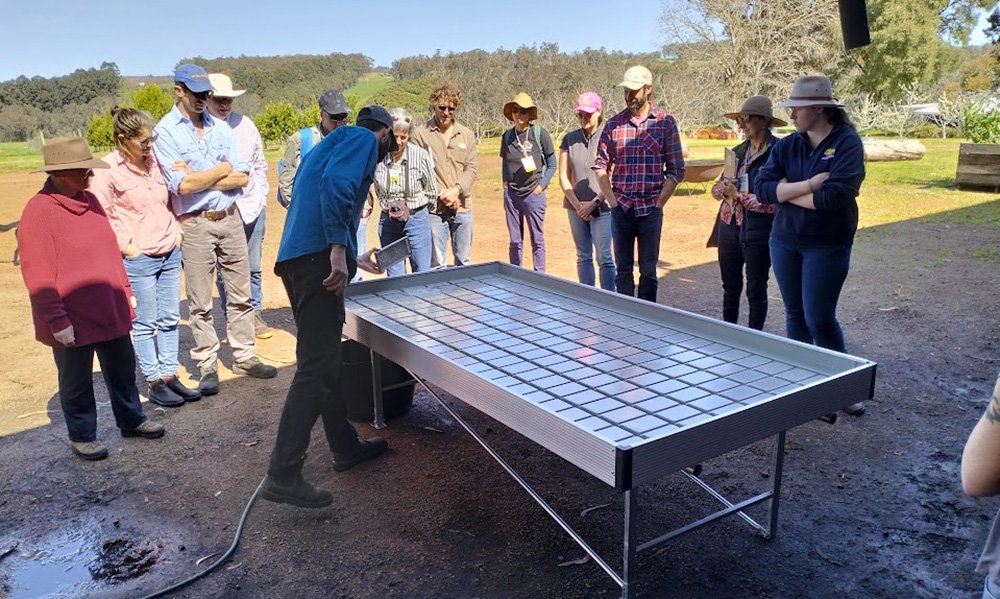
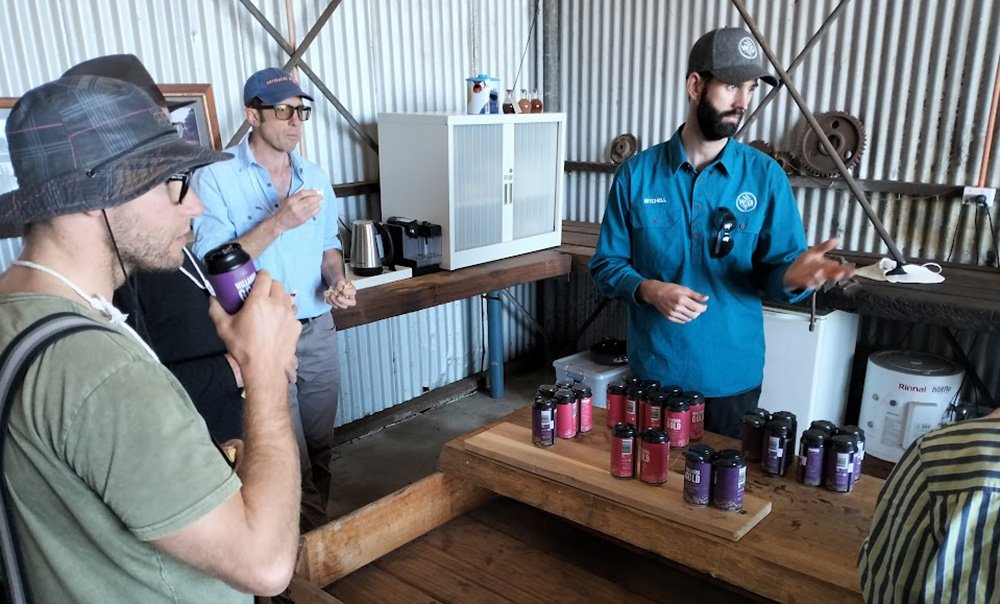
Mitchell from Willarra Gold demonstrates how innovative flood irrigation systems for seedlings has helped him grow passionfruit seedlings for his orchard.

Mulloon’s WA team attended the Regen Ag Conference 2023 in Margaret River, Wadandi Country, last week. The conference was a great mix of workshops, field tours and presentations with wisdom and inspiration shared by regenerative farming pioneers such as Di and Ian Haggerty, Terry McCosker and Gabe Brown, as well as a younger generation of leaders such as Kristy Stewart, Nick Kelly and Jake Ryan. Topics ranged from farmer-led agroforestry to building soils and restoring biodiversity through to creating and sustaining regenerative businesses and supply networks.

Mitchell from Willarra Gold discussed adding value to his passionfruit harvest by turning the lower grade fruit into delicious soft drinks.

We were fortunate to share an exhibition space with the wonderful team from Regen WA, which gave us the opportunity to spread the Landscape Rehydration story with the wide range of interested folks attending this conference. The interest in repairing the water cycle in our agricultural landscape is obvious, with a well-received presentation from fellow Landscape Rehydration practitioner Rod O’Bree, who described the restoration work he has undertaken at Yanget Farm near Geraldton. Rod highlighted the drastic consequences that are being experienced nationwide with increasing periods of drought and the destructive bursts of high-intensity rain and floods causing mayhem in both our regional and urban communities and the solutions Landscape Rehydration provides.

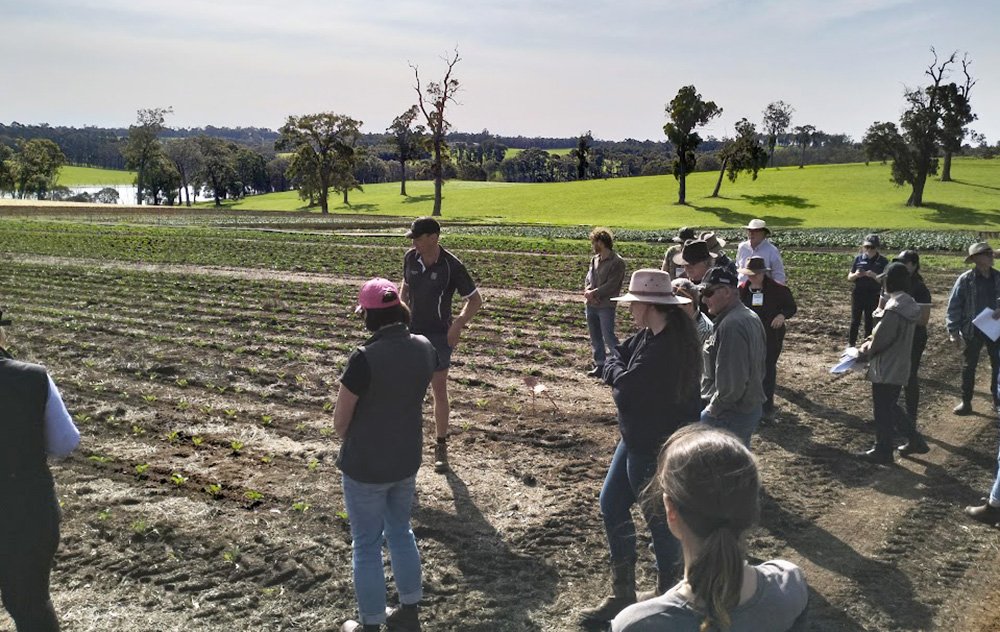
Jake Ryan from Three Ryans Farm discusses soil nutrition for growing vegetables at his families farm near Manjimup.

Visiting local Regen Ag operations during farm tours and workshops was a big highlight of the conference and provided a great opportunity to get into the paddocks and see the varied solutions and approaches farmers are using to farm in a way that helps improve the environment, farming productivity and society. We left feeling very optimistic about the future – WA has plenty of innovative and passionate agricultural producers providing delicious and nutritious food while helping to care for Country!

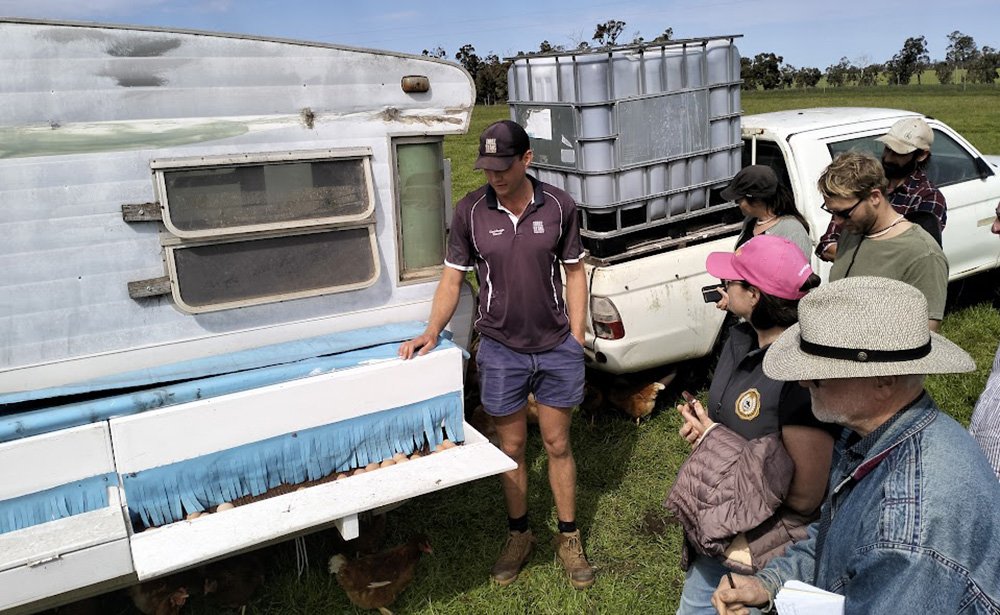
Clean eggs are one of the important outcomes of raising chickens on pasture at Three Ryans Farm in Manjimup.

Horns in preparation for biodynamic spray applications, and the cattle mob have been thriving this winter.

We had a fairly dry winter on the farms but some welcome rain and warmer than average temperatures in August saw a bit of an early start to spring and some decent pasture growth. El Niño seems likely moving into spring/summer but we’re confident of our position and planning moving into a challenging time. 

There were plenty of projects over the cooler months with two new flocks of chickens graduating out to pastures, improvements to our brooding infrastructure, fencing improvements and the long-awaited commissioning of our solar and battery system to power the operations at Duralla is underway. 

Our mob of cattle are nearing the end of their calving period at the time of writing and the girls are back on a rising plane of nutrition leading into joining in November thanks to an early spring flush bringing plenty of good quality feed.

Spring will be a typically busy time with the usual uptick in egg production, marking and joining cattle and biodynamic applications. Away from day-to-day operations, the team’s energy will be focussed on projects that will further drive efficiencies on the farm including the installation of our new feed mill, upgrades to our pastured chicken houses, biological fertiliser trials and ongoing fencing improvement works. 

See you in summer! 

Chicken pastures under a bluebird winter sky.

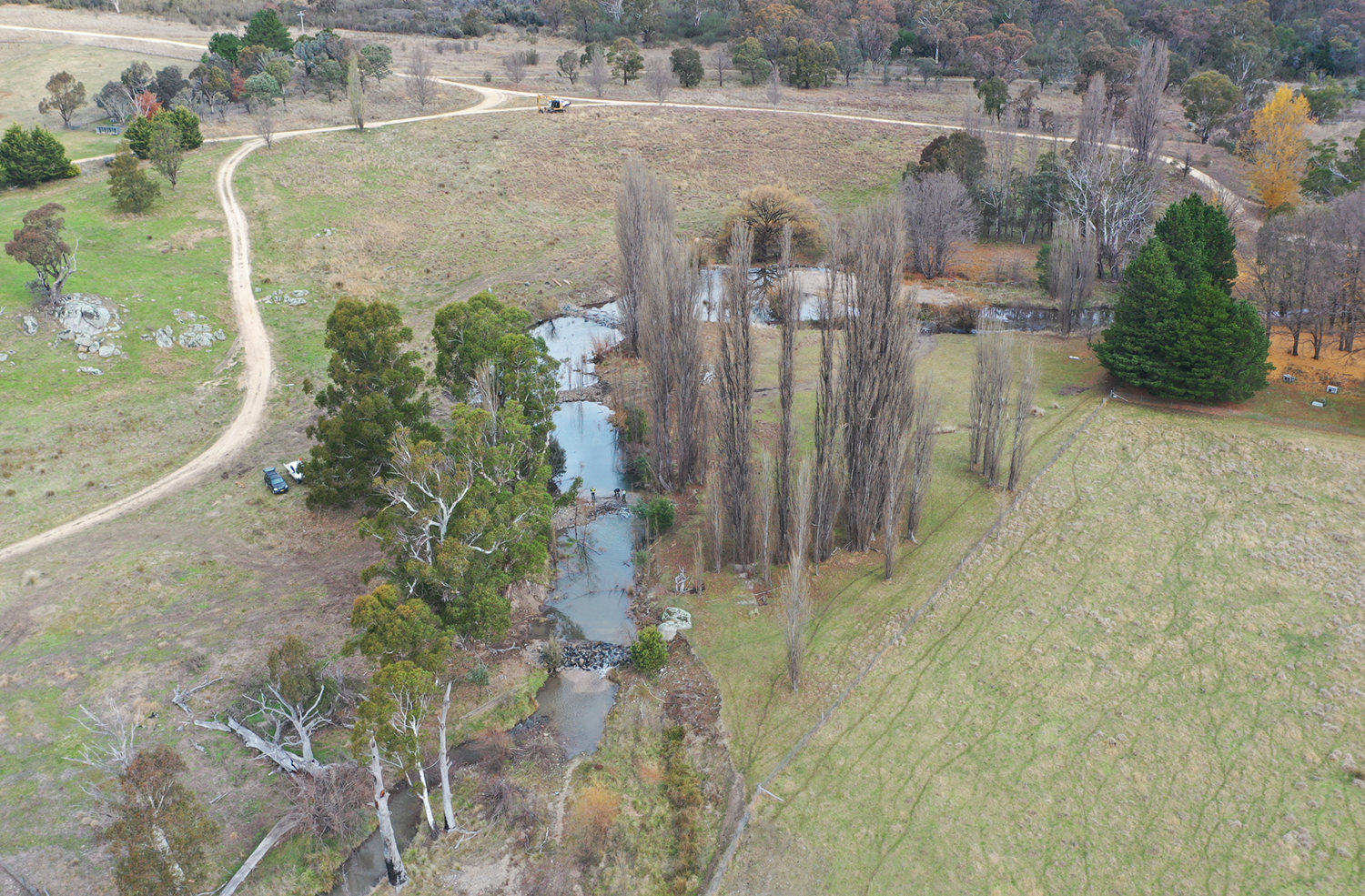
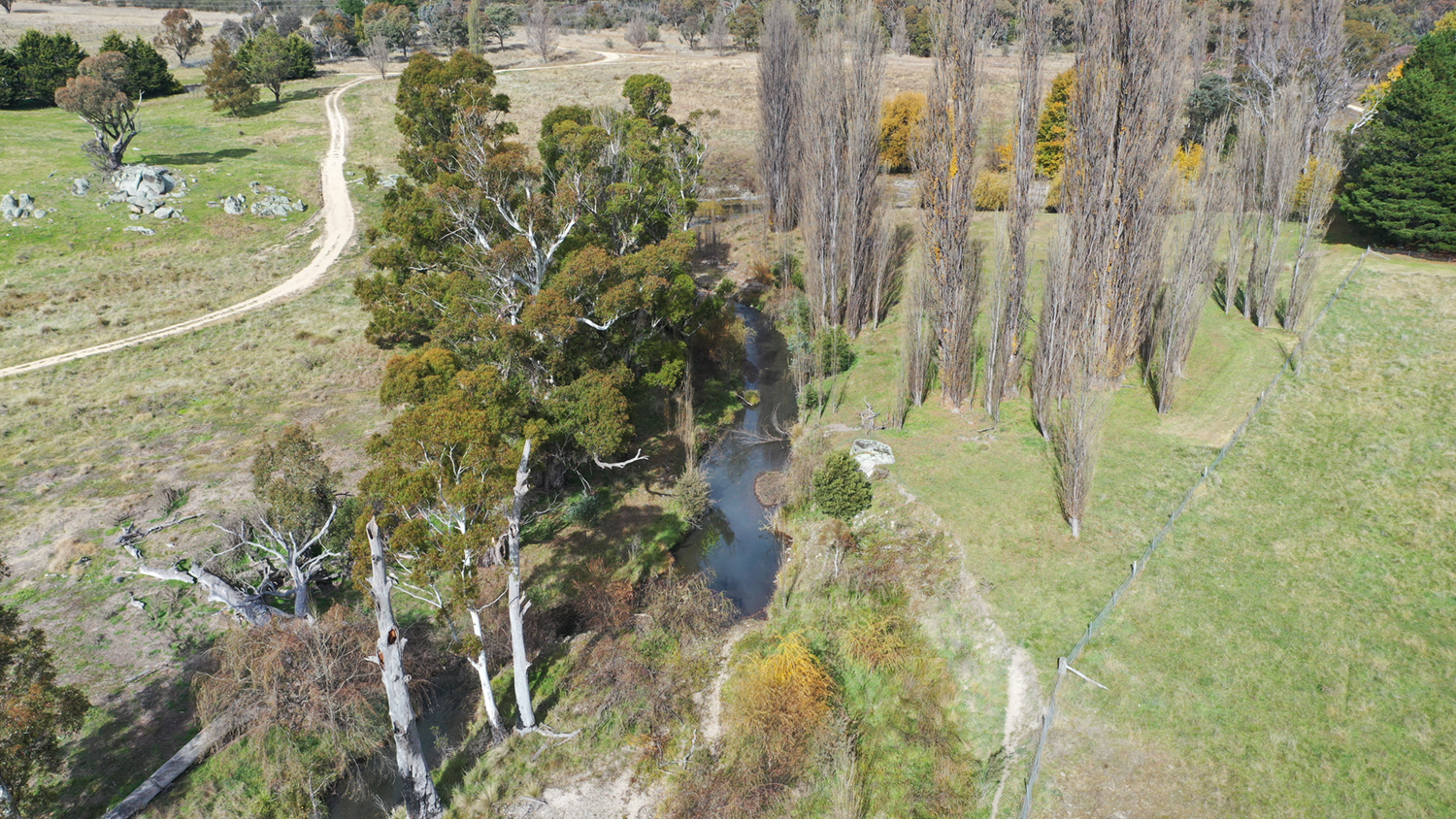
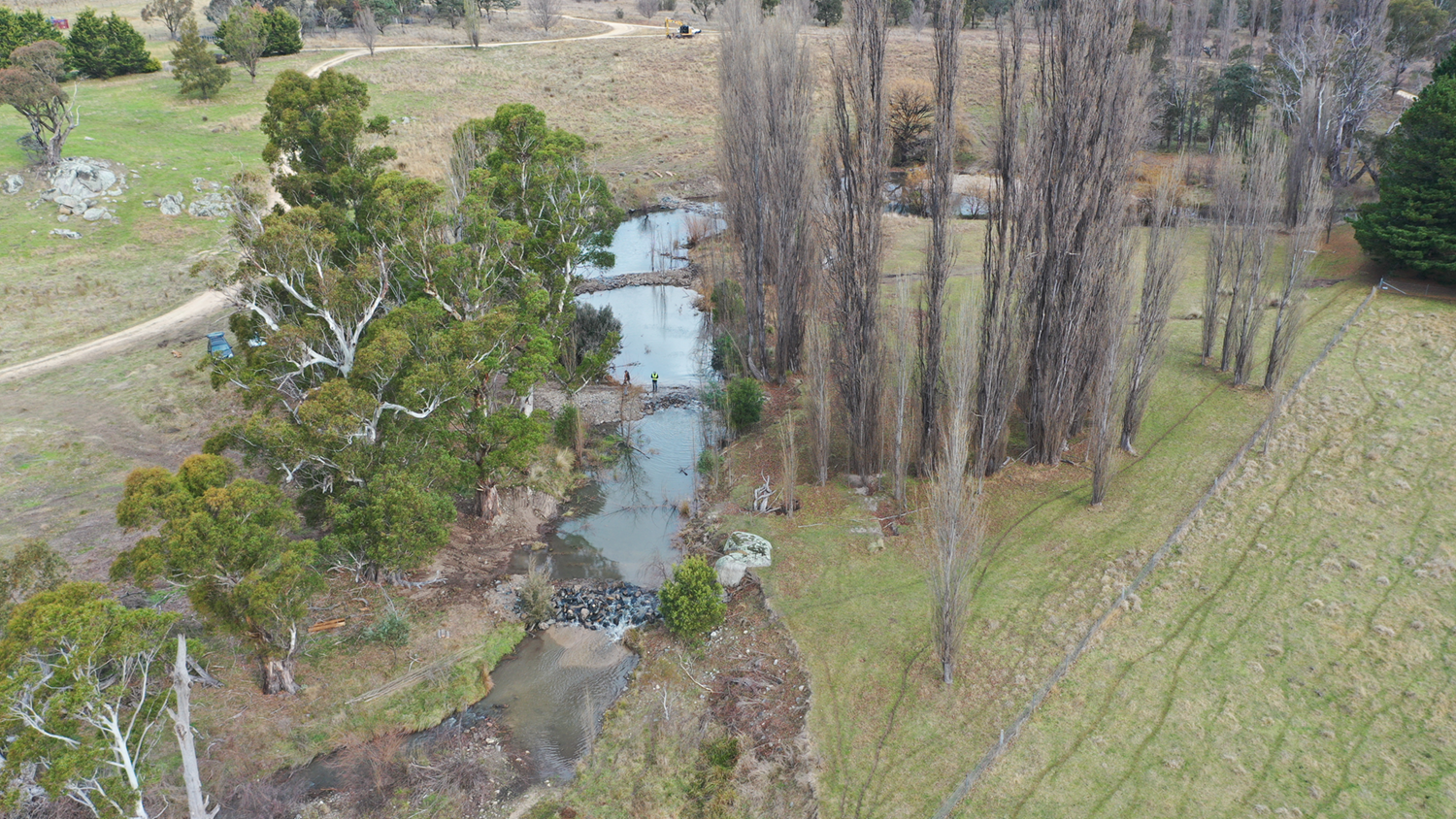
Aerial view of looking upstream after Stage 1 works completed.

Mulloon’s Principal Landscape Planner Peter Hazell, Landscape Planner Jack Smart and Field Officer Max Brunswick recently completed construction of in-stream Landscape Rehydration works on the Tidbinbilla River in the ACT. The works, which were carried out on the property ‘Tidbinbilla Station’, involved the construction of four log-sill bed control structures and comprised Stage 1 of a planned three-stage construction program to repair a deeply incised and eroded 1,500 m section of the Tidbinbilla River. Construction occurred over two weeks in June 2023. 

Mulloon Consulting worked closely with the landholders, Southern ACT Catchment Group and the ACT Government in the preparation of designs and approvals to undertake the works.  

Above: Structure TS3 right bank looking upstream before (left) and after (right).

The recently completed works aim to address historic stream erosion and incision by raising the bed level of the stream by around 1m and in doing so, slow the flow of water and encourage the spreading of flows across the landscape. This is expected to achieve a range of positive outcomes including: 

  • Decreased risk of large sediment loads entering the Paddy’s River Catchment in future large rain events 

  • The beginning of the establishment of diverse native vegetation along the channel including: 

  •  dense beds of macrophytes within the channels, and 

  •  native groundcover and shrubs and trees along the extensive gravel bars; 

  • Extending baseflow duration via alluvial aquifer recharge and discharge 

  • Buffering of flood peaks  

  • Capture and storage of fine sediment 

  • Increase carbon capture and storage 

  • Enhancing aquatic and terrestrial habitat and connectivity  

  • Improving rural landholder engagement in regenerative techniques.

Above: Structure TS5 left bank looking upstream before (left) and after (right). Note: construction of Stage 2 structures downstream of this site will provide additional depth of water to the downstream side of this structure, further dissipating the energy of flows at this site.

Following the successful completion of the Stage 1 works, planning is underway to commence construction of Stage 2, which will include a further seven log-sill bed control structures. Construction of this next phase of works is scheduled to be undertaken in spring 2023. It is hoped that the restoration of this degraded section of the Tidbinbilla River will serve as a successful demonstration of Landscape Rehydration and floodplain restoration within the Paddy’s River catchment and the ACT more broadly. 

Funding for this project was provided through a combination of ACT Environmental Grant funds through the Southern ACT Catchment Group and landholder contribution

Looking upstream through the drone, before (left) and after (right).

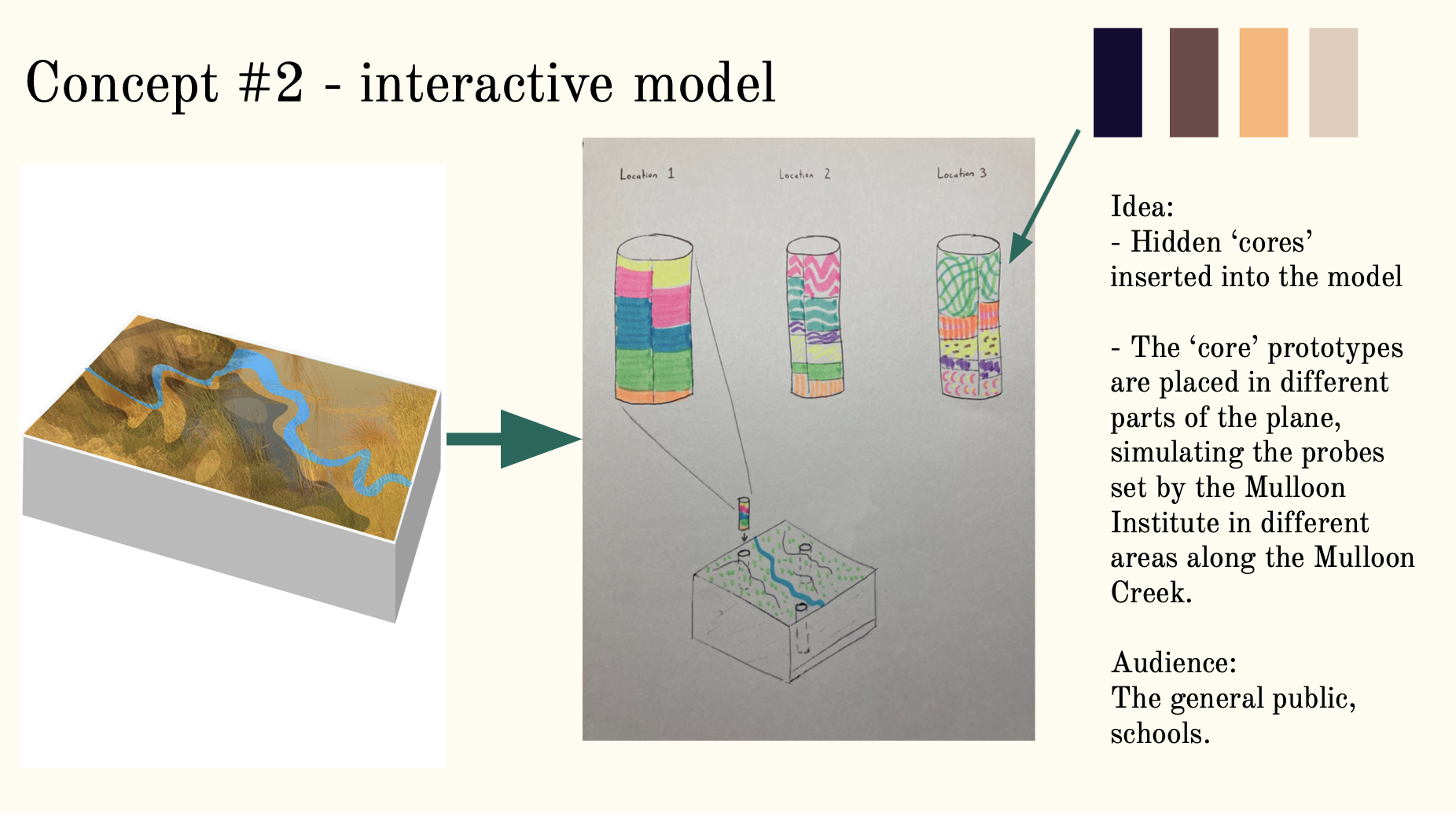
We love our regular engagement with ANU School of Art and Design students. This time they’re bravely burrowing into the Mulloon Creek floodplain, where our monitoring team has extracted soil cores from several sites as part of the Mulloon Rehydration Initiative.

The Mulloon Rehydration Initiative is a catchment-scale project that aims to rebuild the natural landscape function of the Mulloon catchment and boost its resilience to climatic extremes for more reliable stream flows, improved ecosystem functioning and enhanced agricultural productivity.

The data from the initiative tells a valuable story of the serpentine, layered structure of floodplains. Sharing this story can help us understand how vital they are to the storage and movement of water in both wet and dry times. The students will bring the soil core data to life in digital and material form – as textiles, models, sculpture – not sure yet!!  

Looking forward to welcoming you to Mulloon soon and seeing where this project takes you. The team includes Laura D’Arcy, Ankita Unnikrishnan, Jiaming Zhao, Mia Garland, Yasmina Muldoon and Duncan Currie.  

 This project is funded by the Federal Government through the citizen science project Modelling Landscape Rehydration for Catchments, Communities and Curriculum


The Mulloon Rehydration Initiative is jointly funded through the Mulloon Institute and the Australian Government’s National Landcare Program, with support from the NSW Government’s Environmental Trust.

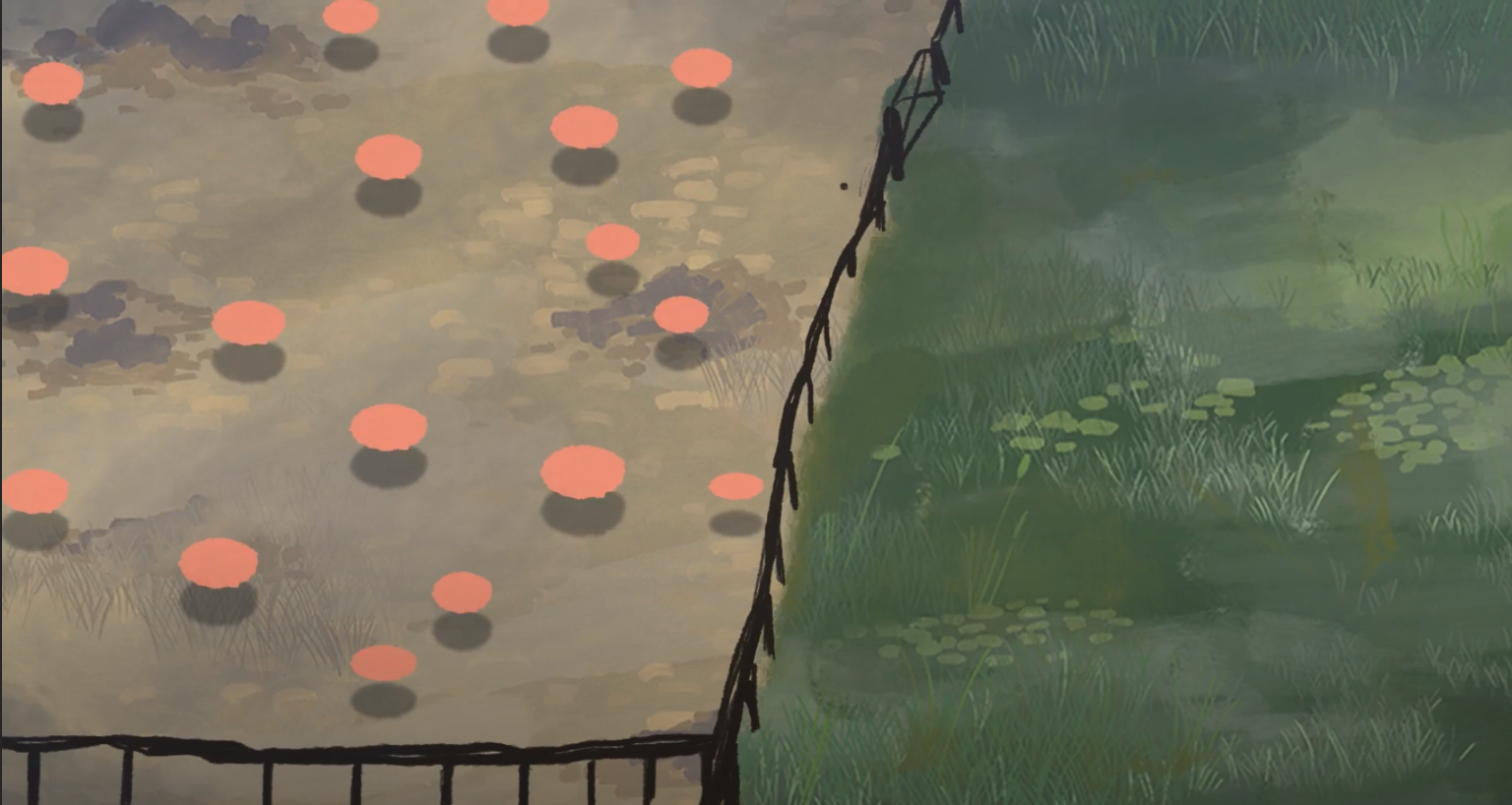
Talented artists are in the mix again at Mulloon Institute, this time creating some gorgeous animations.

As these storyboards show, Timothy Lee and David Lobb have been bringing their painterly skills to water cycle principles and features, depicting thermodynamics, alluvial fans, soil infiltration and pools and riffles among many other things.

We can’t wait to share the principles of landscape rehydration with this new creative platform!  

These animations are part of a suite of educational resources being created by the Institute with the support of the NSW Environment Trust.  

Max Brunswick shows Canberra Grammar students the Mulloon Creek catchment and explains the Mulloon Rehydration Initiative.

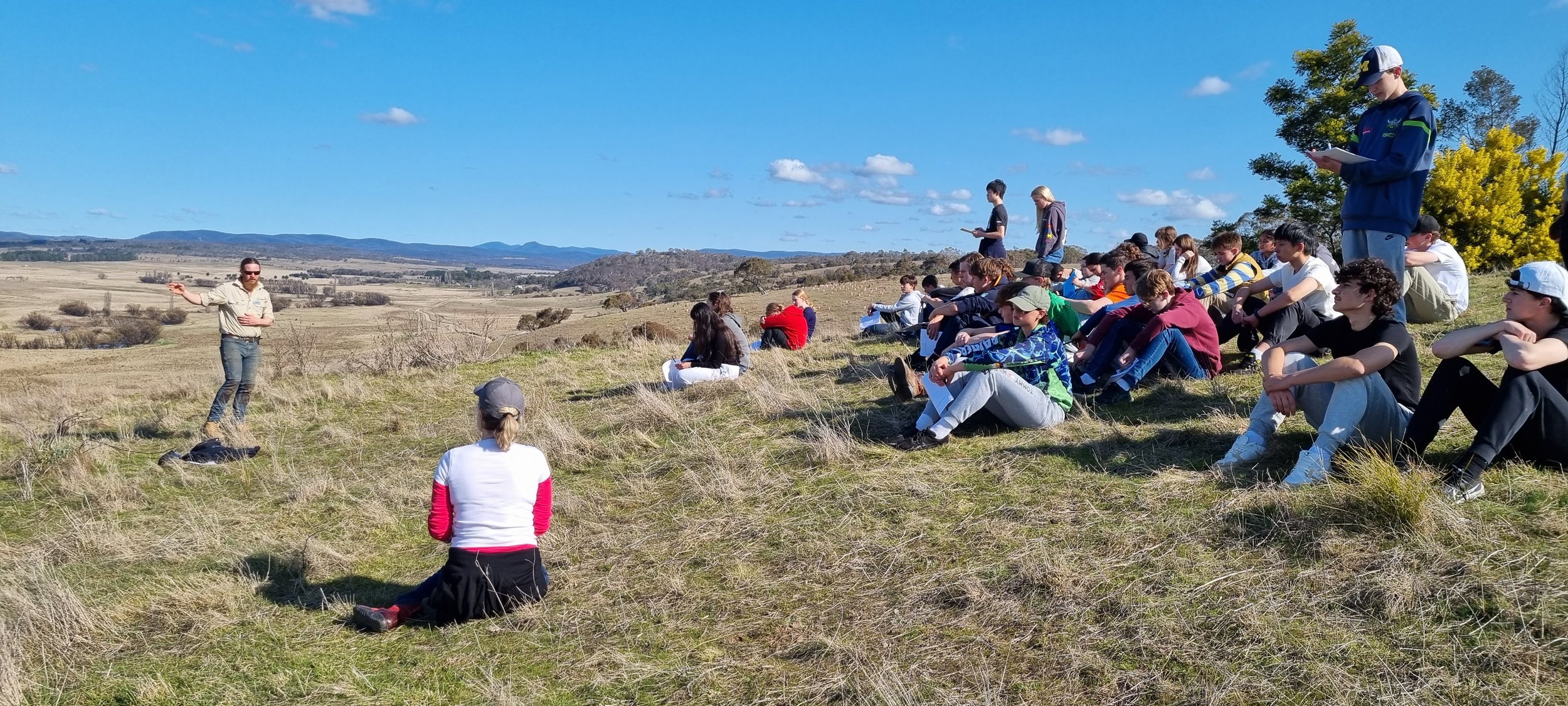
Canberra Grammar School year 10 geography students visited Mulloon Creek Natural Farms in August to look at how Mulloon Institute is rehydrating landscapes on farm and catchment scales. The students were particularly interested in how landscape rehydration and regenerative agriculture are contributing to sustainability and helping to mitigate climate change. 

The students and their teachers were hosted by Mulloon Institute’s Penny Cooper and Max Brunswick on a tour of Home Farm and Duralla. On Home Farm, the students were introduced to the concept of landscape rehydration and the many benefits this has on farm productivity, biodiversity and climate change mitigation. They observed the work of the Mulloon Rehydration Initiative pilot project installed in 2006 and considered the multiple aspects of reading a landscape and how this enables a deeper understanding of the health of the surrounding farm and ecological environment. 

 The tour continued on Duralla where students were able to observe the more contemporary leaky weirs installed in 2019. Students were encouraged to imagine the original state of the landscape before farming was introduced to the area and compare this to the work being done by Mulloon Institute to reinstate natural landscape function. Max Brunswick gave a demonstration using a pile of dirt, buckets of water and small scale contours and channels to demonstrate how water moves through a landscape, and how interventions such as leaky weirs and contours slow the movement of water.    

Wrapping up the tour on Duralla hilltop (pictured above), students were able to gain a ‘big picture’ perspective of the Mulloon Creek catchment and the scale of the work being done by Mulloon Institute. They also had the opportunity to explore the landscape rehydration interventions and tree plantings at the top of the hill.  

Canberra Grammar School teachers had spent two lessons with their students preparing for their tour by looking closely at the Mulloon Institute and watching some of the educational videos on the website. The well-mannered students engaged exceptionally well with the tour, asking insightful questions and exploring all the Mulloon Institute had to offer. We wish them all the best.   

The Mulloon Rehydration Initiative is assisted by the NSW Environmental Trust and jointly funded by Mulloon Institute and the Australian Government’s National Landcare Program. 


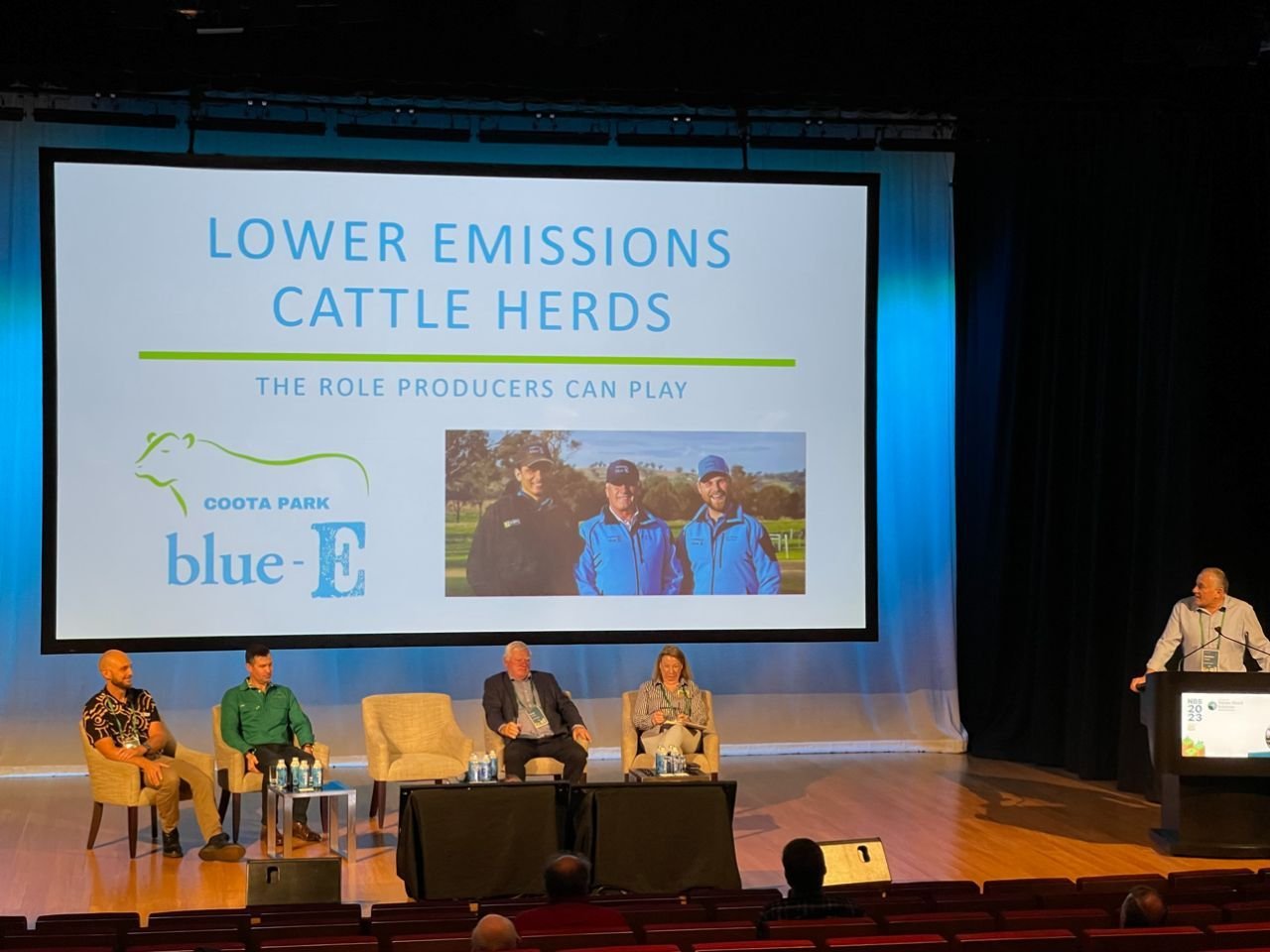
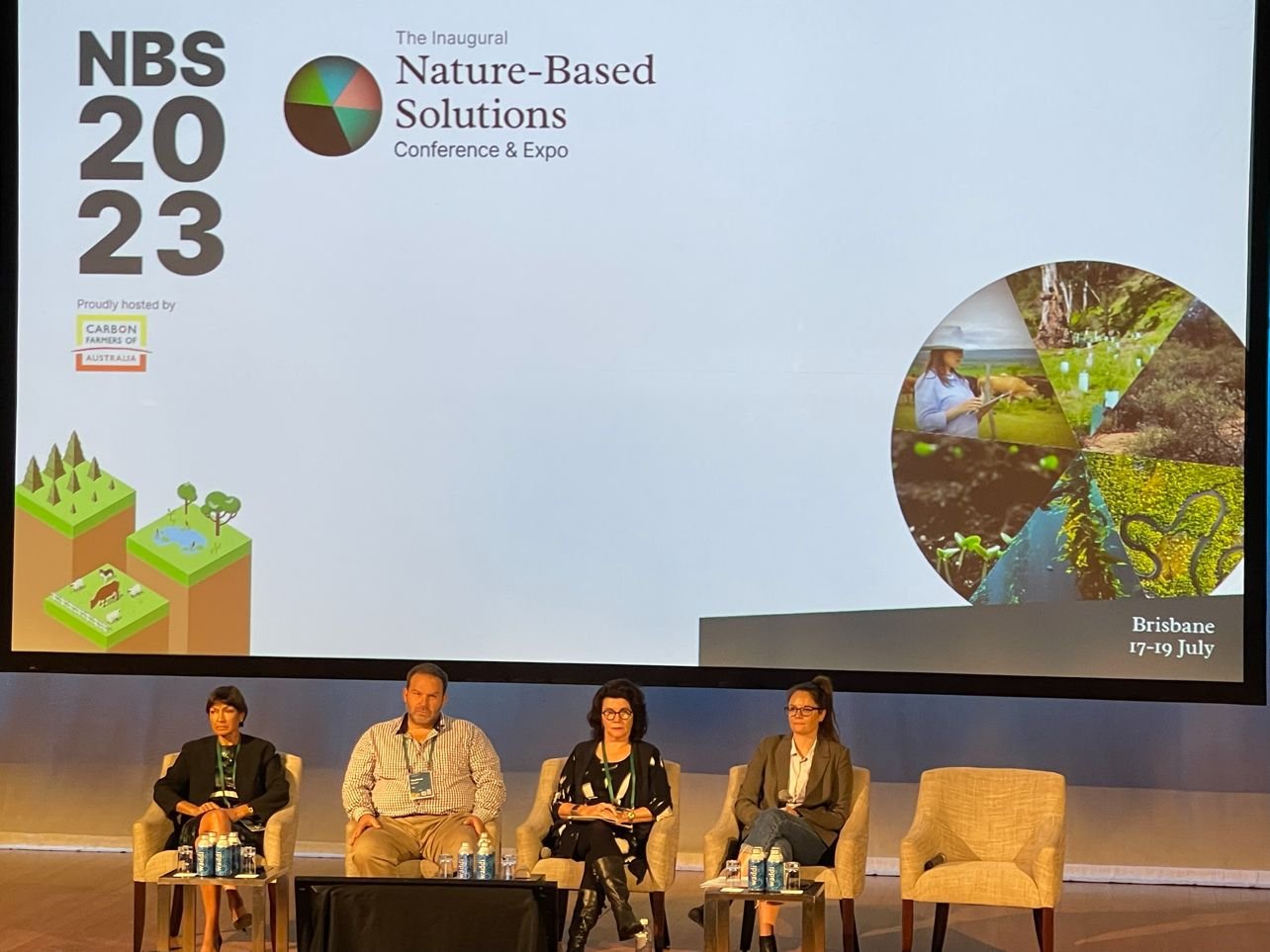
The 2023 Nature-Based Solutions conference was held in Brisbane in July, and Mulloon Consulting’s General Manager Jono Forrest was in attendance, engaging in various sessions, workshops and networking events across the three days.

Presentations from across the regenerative farming space and practitioners focused on the Nature Repair Market Bill, natural capital reporting, digital systems for carbon capture, carbon neutrality vs carbon projects, the quality of carbon credits and the value of ACCUs.

Biochar and new cropping technologies were explored, alongside tagging and advanced soil and vegetation measurement methods.

The sold-out conference facilitated a comprehensive understanding of regenerative farming’s role in carbon sequestration advances, and the urgency of biodiversity repair to enhance overall ecosystem health.

Darcy and Tony Bernardi out in the field on the Home Farm

My name is Darcy MacCartie, and I am in my final year student studying a bachelor of Agricultural Science at the University of Adelaide. I’ve loved agriculture from a young age and have had an ongoing passion for its sustainability and progression as we look to feed a growing world. Regenerative agriculture systems are of particular interest to me as they provide a platform that maintains profitability whilst supporting biodiversity. Having read and heard about the Mulloon Institute’s methods and projects, I really wanted to get firsthand experience of how their systems work and learn about the techniques involved.

During my two-week placement at Mulloon Creek Natural Farms, I assisted with many different activities across both properties. This was great as it gave me an insight into how the facets of the organisation come together, and how their techniques are helping change farming systems around the country. I worked with Chris Inskeep and Tony Bernardi as part of the science team assisting with the maintenance of the Piezometers around the property.

Learning about the hydrology of the system from Tony was really fascinating and Chris’ knowledge and insight in GIS was really beneficial. I also spent time with Peter Hazell and Max Brunswick who both provided me with an in-depth insight into how leaky weirs are designed and installed to maximum effect. Seeing before and after photos of the sites demonstrated how effective they are at slowing down the flow, decreasing erosion, and increasing biodiversity and the surrounding productivity of the system.

Another really enjoyable aspect of my time at Mulloon was spent working with the farm manager Matt Narracott. Matt’s passion for sustainable farming really showed through his hard work and dedication and I learnt a lot about farming regeneratively from him. Cheers, Matt!

I can’t say any one activity that I enjoyed the most, but I really learnt a lot through both Chris and Matt in regard to implementing GIS to better understand the environment in which we were working. Learning some of the core concepts behind GIS from Chris was challenging but it taught me the importance of working with not only GIS technology but other current technology to strive for a better future and in turn make a better system.

I look forward to taking the knowledge I have gained back to my studies and applying it there. In the future, I hope to work in the regenerative agriculture space and demonstrate the positive impacts through science. For any students out there interested in this area I highly recommend applying to do work experience with Mulloon. It is an experience that will teach you a semester’s worth of knowledge in a matter of weeks.

Above left – Kim Williams
Above right – Laura Fisher (Mulloon Institute) mapping out ideas for the poster.

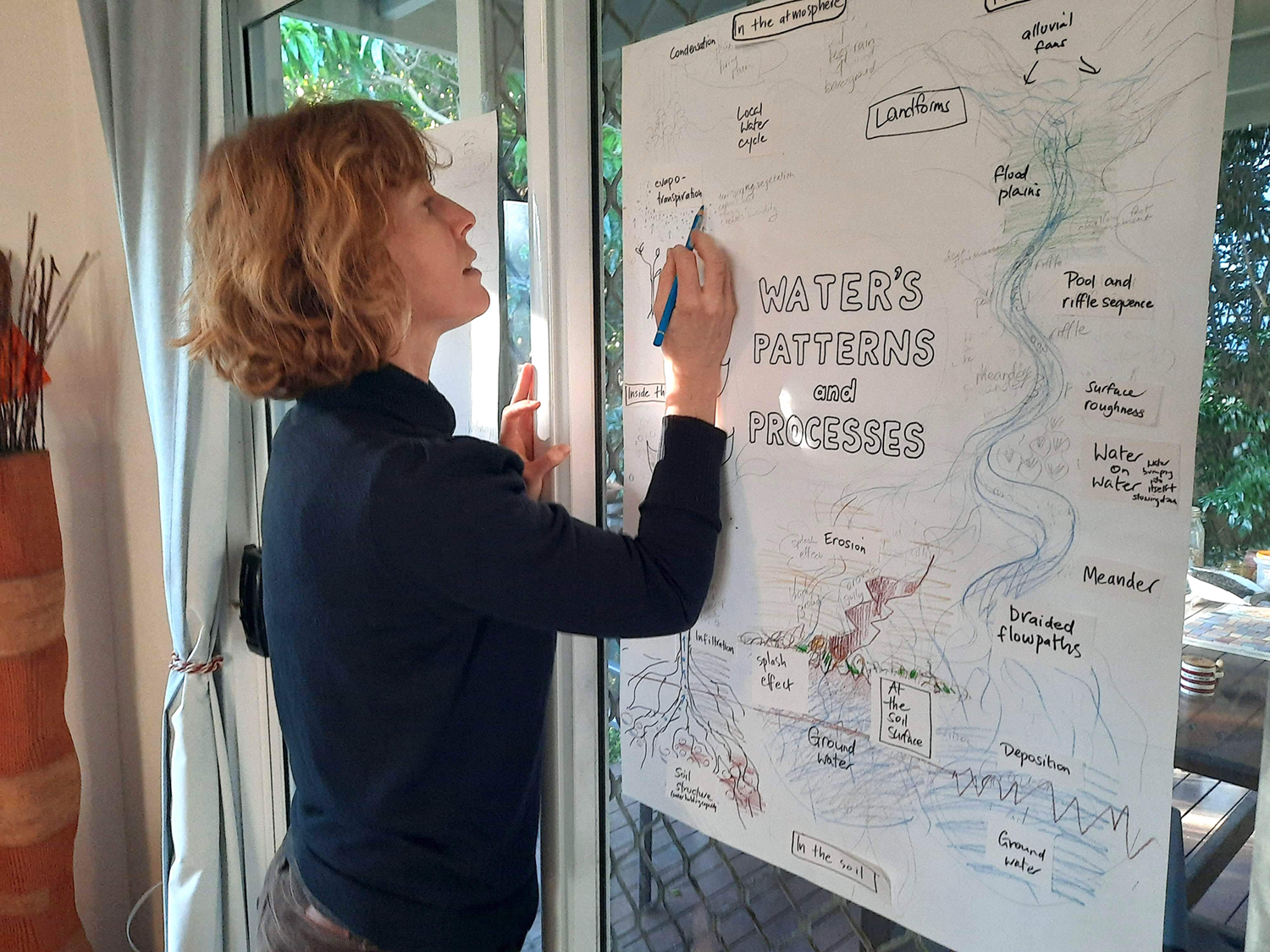
Art is a key part of the science comms toolkit here at Mulloon. Currently, TMI’s Dr Laura Fisher is working with artist Kim Williams to develop a poster on the patterns and processes of the water cycle. They’ll soon be in many schools and workplaces.

Water moves in extraordinary ways, creating health and havoc and shaping our world with forces both delicate and monumental. The challenge is to draw simplicity out of complexity. Thankfully Kim is an accomplished artist who is up to the task. These watercolour sketches mark great progress as Laura and Kim plot how to integrate so many features together into a single poster.  

Kim is an experienced creative contributor to projects about land and waterway restoration. As you can see from her website, she’s led many fascinating projects about climate change and the restoration of land and waterways. 

Below is the early draft of the beautiful watercolour poster by Kim.

This project is funded by the Australian Government through the citizen science project ‘Modelling Landscape Rehydration for Catchments, Communities and Curriculum’.